

Quick answer: The Wind Rises is a thoughtful Studio Ghibli historical drama about Jiro Horikoshi, the dream of flight, the cost of creation, and the tension between beauty and responsibility. It is best for teens and adults, or patient younger viewers, rather than very young children expecting a creature-filled fantasy like My Neighbor Totoro or Ponyo.
This guide gives you the essentials before you watch: what the story is about, who the main characters are, why the film feels different from many other Ghibli favourites, and whether it is a good fit for your mood. It stays mostly spoiler-light, but it does discuss the film’s major themes and emotional direction.
What is The Wind Rises about?
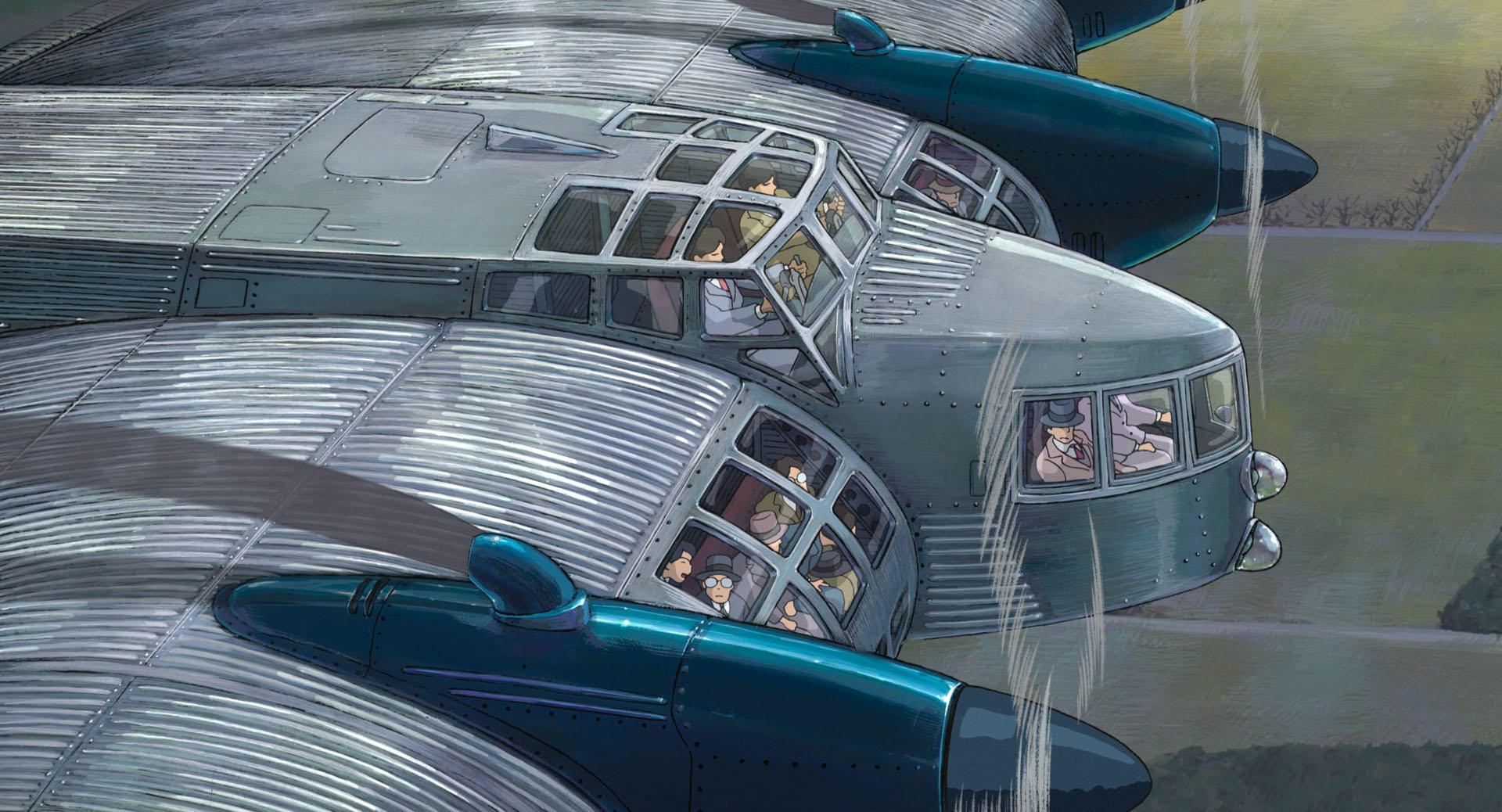
The Wind Rises follows Jiro Horikoshi, a boy fascinated by airplanes who grows into an aircraft designer in early twentieth-century Japan. Because his eyesight prevents him from becoming a pilot, Jiro turns his love of flight into engineering. His imagination is shaped by dream meetings with the Italian aircraft designer Giovanni Battista Caproni, who encourages him to see planes as beautiful dreams, not just machines.
The story moves through school, work, the Great Kanto Earthquake, design failures, travel, illness, romance, and the pressure of building aircraft in a country moving toward war. It is not a conventional adventure movie. There is no single villain to defeat and no magical quest. The conflict is quieter and more adult: what happens when your gift creates something beautiful that the world can use for destructive purposes?
Why it feels different from other Studio Ghibli movies
If you come to Studio Ghibli for forest spirits, witches, castles, soot sprites, or sea magic, The Wind Rises can feel like a major change of pace. It is grounded in real history and adult work. Its magic mostly appears in dreams, memory, and the way Miyazaki animates machines, wind, clouds, paper, smoke, and motion.
That does not make it less Ghibli. In fact, it is one of the clearest expressions of several Miyazaki obsessions: flight, craftsmanship, idealism, compromise, war, and the uneasy beauty of machines. The film asks a question that sits beneath many Ghibli stories: can a person love beauty without ignoring the damage around it?
Main characters
Jiro Horikoshi
Jiro is quiet, focused, polite, and almost completely consumed by aircraft design. He is not written as a loud genius. His drama comes from persistence, restraint, and the way his dreams collide with the world he lives in. Viewers may admire his dedication while also questioning what that dedication costs.
Nahoko Satomi
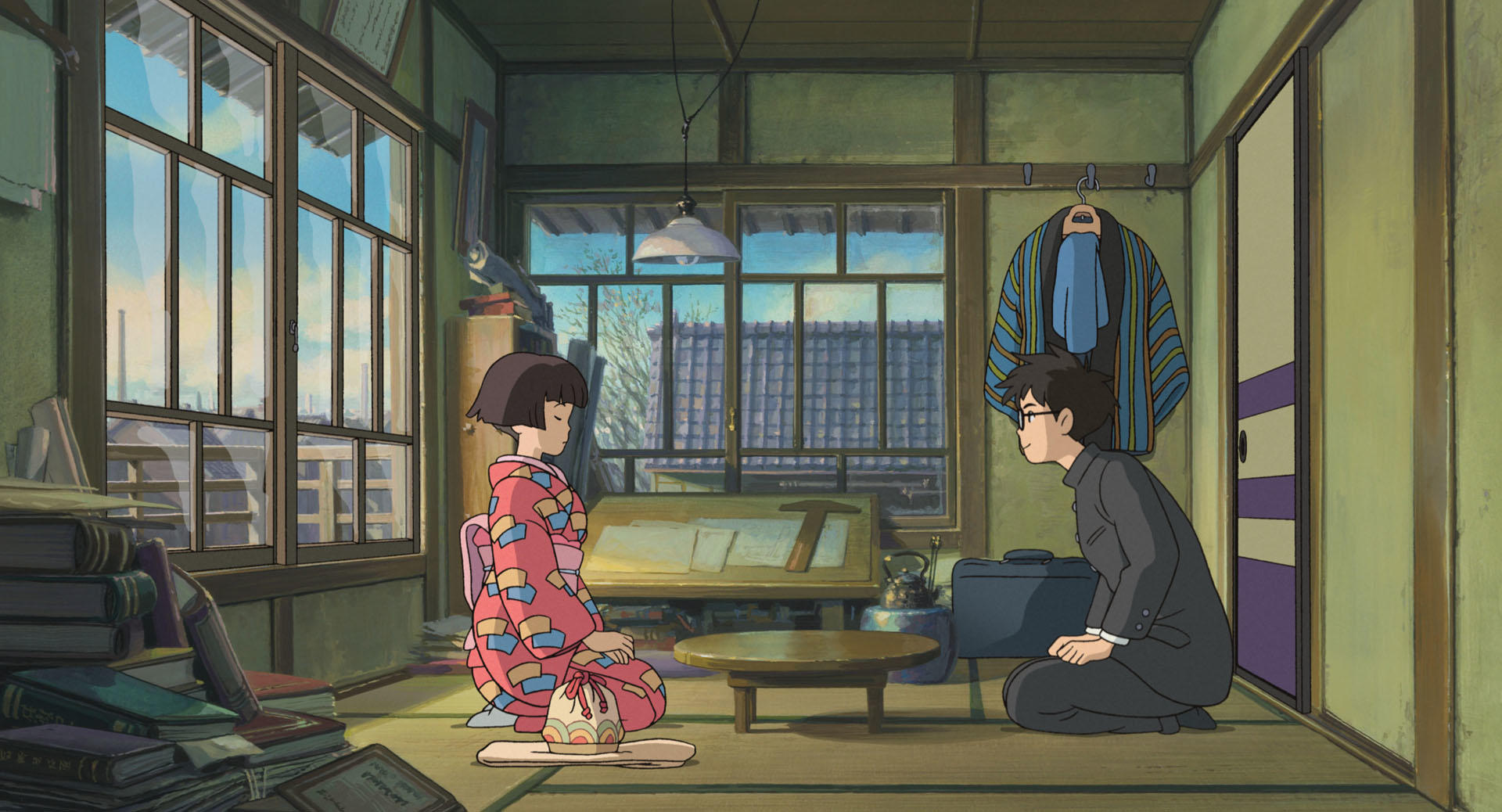
Nahoko gives the film much of its emotional weight. Her relationship with Jiro adds tenderness, urgency, and sadness to a story that could otherwise become too absorbed in engineering. She is connected to art, weather, illness, and the fragile beauty of choosing love even when time is limited.
Honjo
Honjo is Jiro’s friend and colleague. He often voices practical concerns about Japan’s poverty, industrial limits, and the strange contradiction of designing elegant planes in a troubled era. He helps the film stay grounded in the real conditions around Jiro’s dream.
Caproni
Caproni appears in dream sequences as a mentor figure. He represents the romance of flight and the seductive idea that design can be pure beauty. But even his dream conversations carry unease, because planes do not stay safely inside dreams once nations and armies claim them.
Key themes
Dreams and responsibility
The central tension is not whether Jiro loves planes. He clearly does. The tension is whether devotion to a dream excuses the consequences of that dream entering the real world. The film does not hand viewers an easy answer, which is why it stays interesting after the credits.
Beauty and destruction
Miyazaki animates aircraft with wonder, but he never lets the historical context disappear. The same elegance that makes the planes beautiful also makes the film morally uncomfortable. That contradiction is the point. The Wind Rises is not a simple celebration of invention.
Work, sacrifice, and time
The film is also about how much of a life can be spent working toward something. Jiro’s talent gives him purpose, but it narrows his world. Nahoko’s story brings a different kind of urgency: time is limited, so what deserves your attention while you still have it?
Is The Wind Rises good for children?
It depends on the child. There is less obvious fantasy, less comedy, and more adult historical context than in many Ghibli films. Younger children may find it slow. Sensitive viewers may be affected by illness, earthquakes, war references, smoking, and the sadder romantic material.
For families, a simple rule works well: choose Totoro, Kiki’s Delivery Service, or Ponyo for younger children, then save The Wind Rises for older kids and teens who can handle a slower drama. If you want a wider family route, start with our Studio Ghibli movies for kids guide.
Who should watch it first?
The Wind Rises is a strong pick if you like historical drama, aviation, design, biography-inspired stories, bittersweet romance, or films that leave room for interpretation. It is also essential if you are exploring Hayao Miyazaki as a filmmaker because it feels unusually personal, especially in its fascination with flight and its discomfort with war.
It is not the best first Studio Ghibli movie for everyone. For a beginner-friendly route through the studio, use our Studio Ghibli movies in order guide. Watch The Wind Rises once you are ready for a slower, more reflective side of the catalogue.
FAQ
Is The Wind Rises based on a true story?
It is inspired by the real aircraft designer Jiro Horikoshi, but it is not a strict documentary. Miyazaki blends biography, fiction, dream sequences, literary influence, and historical atmosphere.
Is The Wind Rises sad?
Yes, it is bittersweet and sometimes sad. The sadness is quiet rather than shocking, but illness, loss, and the shadow of war shape the emotional tone.
Do I need to know Japanese history to understand it?
No. Historical knowledge adds context, but the main emotional story is clear: a gifted designer follows a dream while living inside a difficult moment in history.
Image credit: official Studio Ghibli stills sourced from the official Studio Ghibli page for The Wind Rises. Used in line with the official common-sense image notice.