One clear guide for every Studio Ghibli feature. Browse the films below in original release order or search by title. Published entries open the canonical movie page, which gathers story context, characters, themes, viewing guidance, official imagery and every related article on this site.
Need the headline total before browsing every film? Read how many Studio Ghibli movies there are, including why Nausicaä and The Red Turtle can change the answer.
Studio Ghibli movies in release order
Search the complete feature-film catalogue. Published titles open a definitive guide; the remaining guides are being completed carefully.
 1984
1984Nausicaä of the Valley of the Wind
Also known as Nausicaa of the Valley of the Wind
Ecological science fantasy about a brave princess seeking peace between frightened human kingdoms and a misunderstood toxic forest.
Read the movie guide 1988
1988Grave of the Fireflies
Also known as Hotaru no Haka
A devastating wartime drama about two siblings, civilian survival, pride, hunger and the failure of ordinary systems of care.
Read the movie guide- 1991
Only Yesterday
Also known as Omohide Poro Poro
A reflective adult drama in which childhood memories, rural work and a countryside journey help Taeko reconsider the life she wants.
Read the movie guide - 1992
Porco Rosso
Also known as Kurenai no Buta
A stylish Adriatic aviation adventure about a cursed veteran pilot, romantic regret, mechanical craft and resistance to fascism.
Read the movie guide - 1993
Ocean Waves
Also known as Umi ga Kikoeru
A concise, pastel-toned coming-of-age drama about a difficult transfer student, a strained friendship and feelings understood only in hindsight.
Read the movie guide - 1994
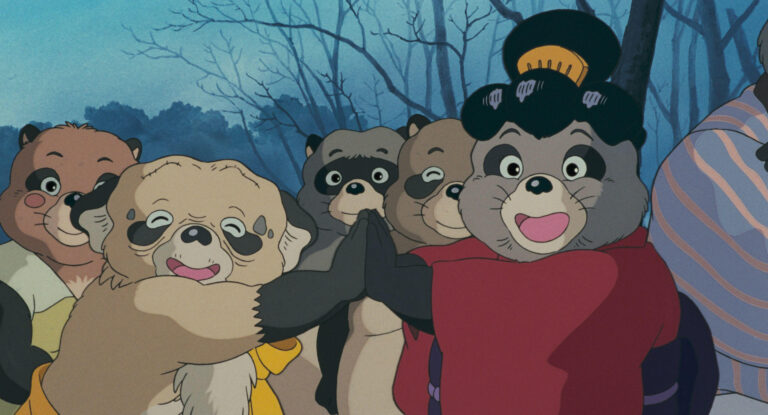
Pom Poko
Also known as Heisei Tanuki Gassen Ponpoko
A funny, crowded and ultimately bittersweet ecological fable about shape-shifting tanuki defending the Tama Hills from suburban development.
Read the movie guide - 1995
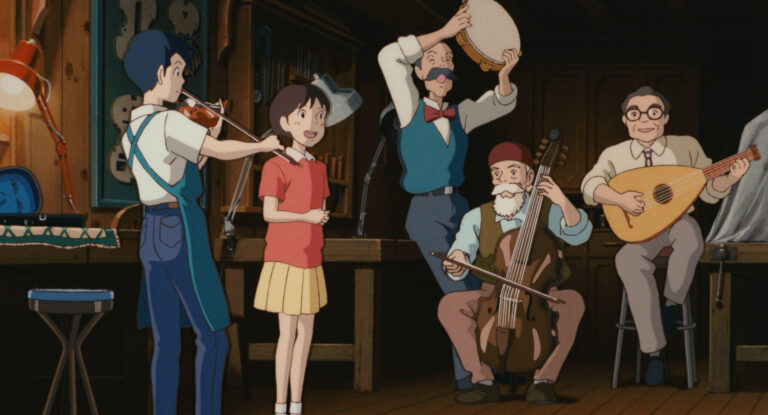
Whisper of the Heart
Also known as Mimi o Sumaseba
A tender coming-of-age story about first love, creative ambition and learning that meaningful work begins with an imperfect first attempt.
Read the movie guide - 1997
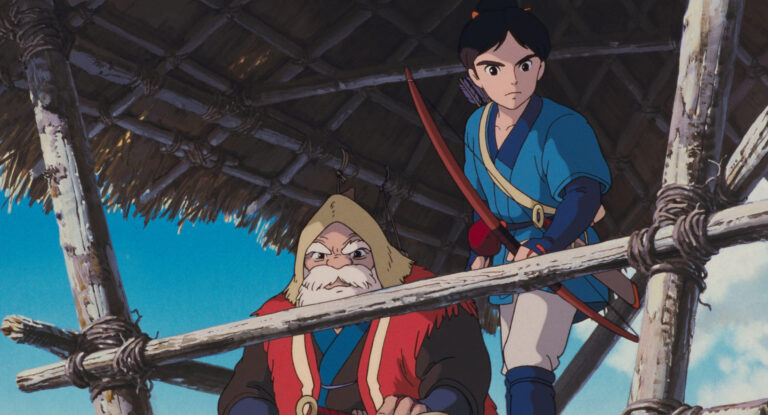
Princess Mononoke
A mythic environmental epic about Ashitaka, San, Lady Eboshi and a war between an industrial settlement and an ancient living forest.
Read the movie guide - 1999
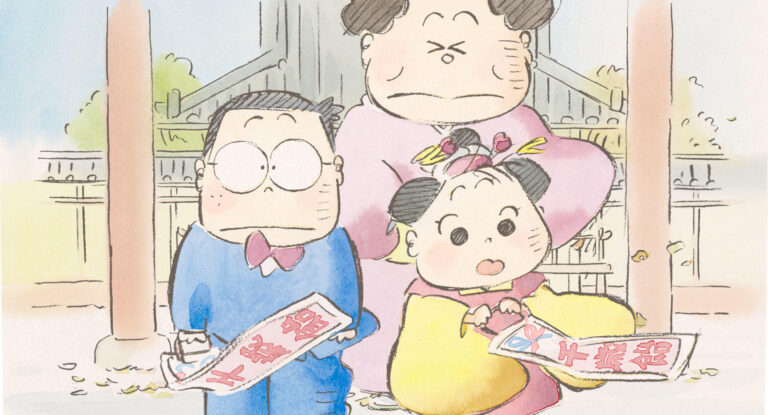
My Neighbors the Yamadas
Also known as My Neighbours the Yamadas
A warm, sketch-like family comedy about the daily arguments, mishaps and small acts of affection that hold the imperfect Yamada household together.
Read the movie guide - 2002
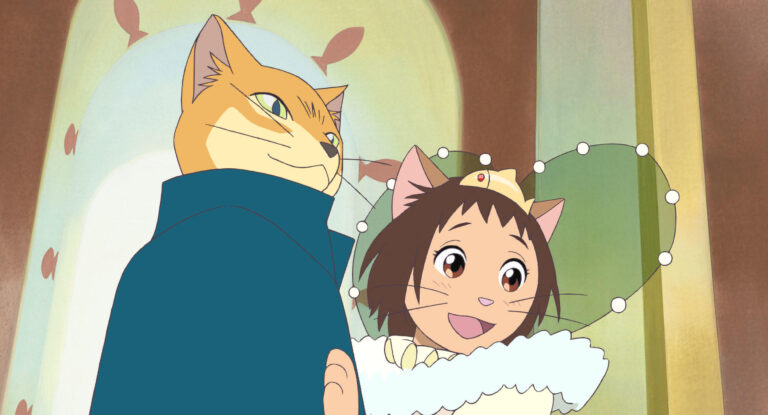
The Cat Returns
Also known as Neko no Ongaeshi
A brisk cat-kingdom fantasy about Haru learning that kindness does not surrender consent and that confidence begins with choosing her own life.
Read the movie guide - 2006
Tales from Earthsea
Also known as Gedo Senki
A sombre fantasy about a troubled prince, a wandering archmage and a sorcerer whose fear of death is tearing Earthsea’s balance apart.
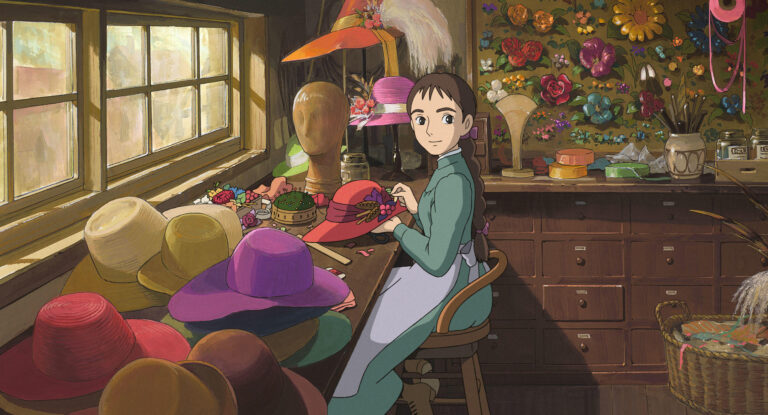
Read the movie guide - 2008
Ponyo
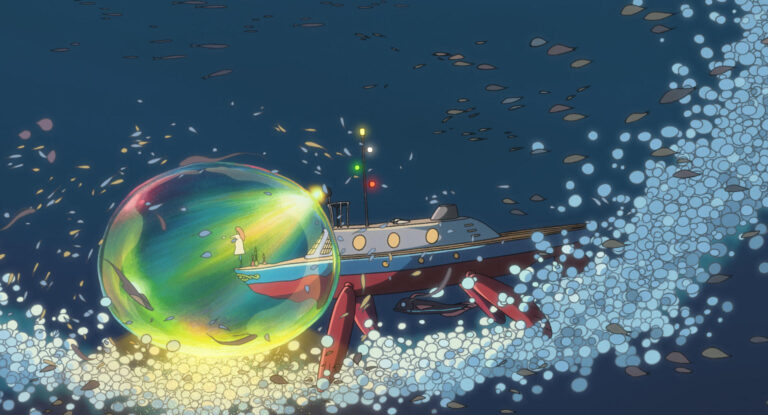
A joyful ocean fairy tale about a magical fish-girl, a five-year-old friend and the balance between freedom, family care and the living sea.
Read the movie guide - 2010
The Secret World of Arrietty
Also known as Arrietty
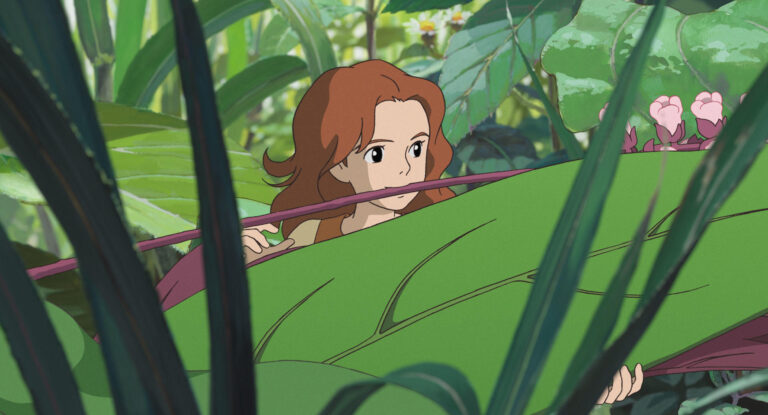
A delicate miniature-world adventure about a young Borrower, a lonely human boy and the trust that forces both families to face change.
Read the movie guide - 2011
From Up on Poppy Hill
Also known as Kokuriko-zaka Kara
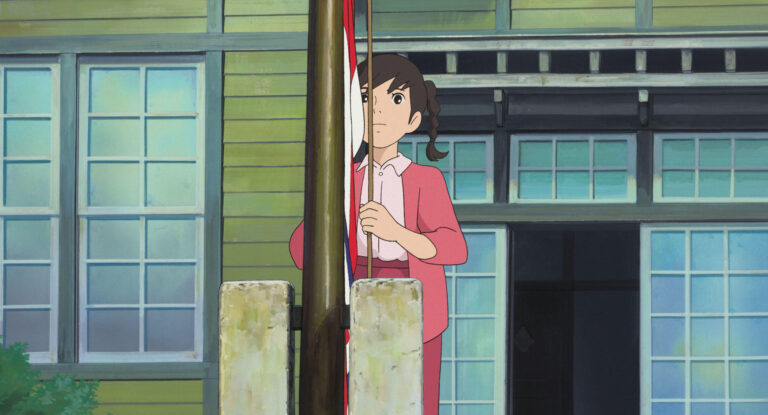
A nostalgic 1963 Yokohama school drama about Umi, Shun, a threatened clubhouse and young people preserving memory without surrendering the future.
Read the movie guide - 2013
The Wind Rises
Also known as Kaze Tachinu
A mature historical drama about Jiro Horikoshi, the beauty of flight, devoted love and the moral cost of designing aircraft in an age moving toward war.
Read the movie guide - 2013
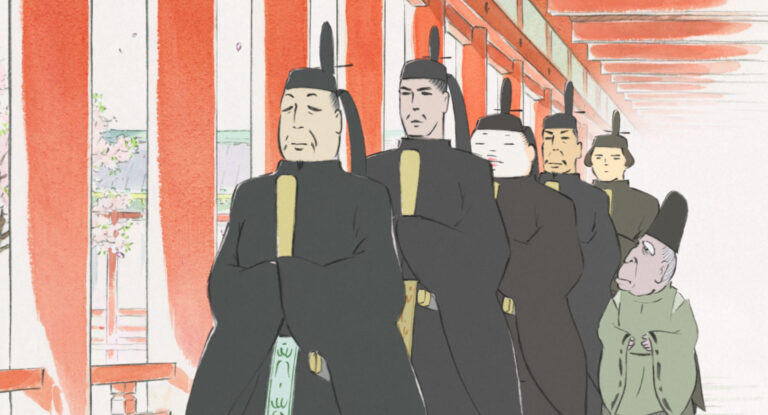
The Tale of the Princess Kaguya
Also known as Kaguyahime no Monogatari
A painterly folktale about a luminous girl whose adoptive father mistakes wealth and rank for happiness, narrowing the freedom he hopes to secure.
Read the movie guide - 2014
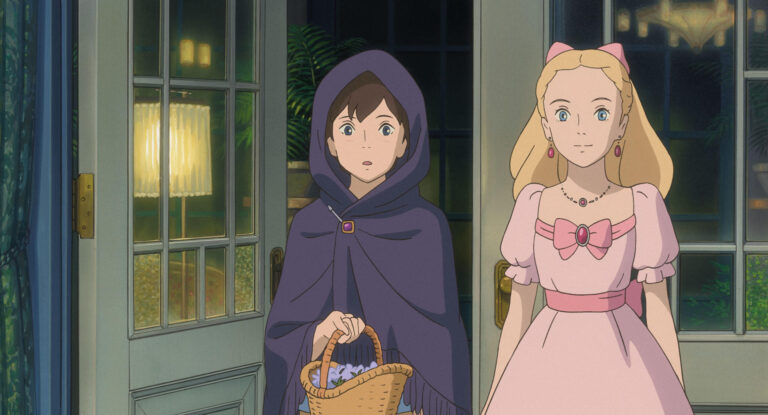
When Marnie Was There
Also known as Omoide no Marnie
A quiet coastal mystery about Anna, a lonely young artist whose friendship with Marnie opens a hidden family history of grief, memory and belonging.
Read the movie guide - 2016
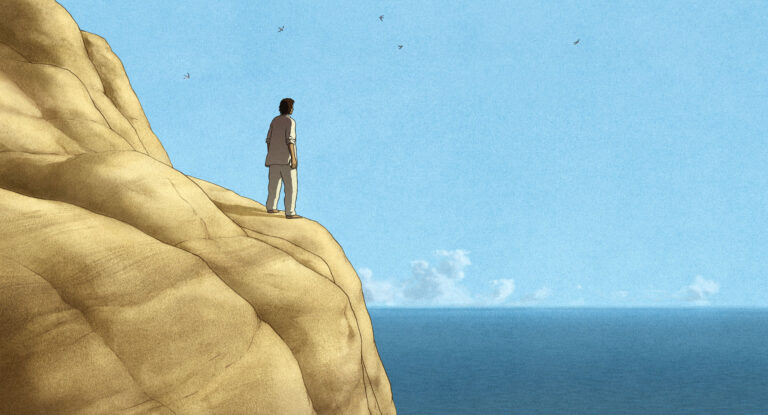
The Red Turtle
Also known as La Tortue rouge
A dialogue-free island fable about a castaway, a mysterious red turtle and a whole human life shaped by nature, family, loss and acceptance.
Read the movie guide - 2020
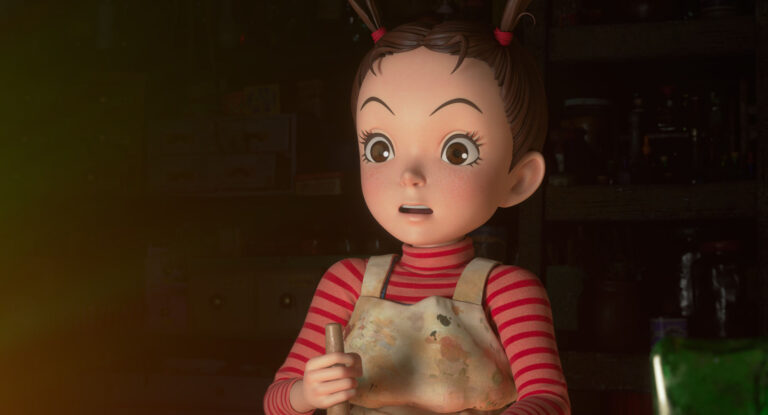
Earwig and the Witch
Also known as Āya to Majo
A sharp 3D CG witch comedy about a resourceful orphan who uses spells, music and negotiation to challenge the adults controlling her new home.
Read the movie guide - 2023
The Boy and the Heron
Also known as Kimitachi wa Dō Ikiru ka
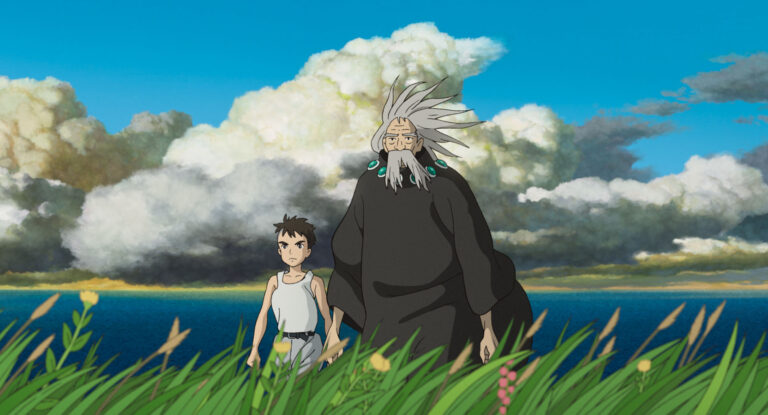
A dreamlike late-career fantasy about Mahito facing grief, family change and the choice to live among imperfect people rather than inherit a controlled world.
Read the movie guide



No movies match that search.
This independent fan guide includes Studio Ghibli productions and the commonly catalogued related feature Nausicaä of the Valley of the Wind. The Red Turtle is included as a Studio Ghibli co-production. Release dates shown are original releases.