Quick answer: Start with Spirited Away for the broadest Ghibli experience, Totoro for gentle comfort, Kiki for cozy coming-of-age, or Howl for romantic fantasy.
The short answer
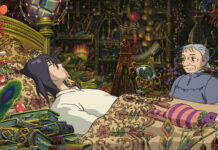
The best Studio Ghibli movie to watch first is usually Spirited Away if you want the studio’s most famous fantasy adventure, My Neighbor Totoro if you want something gentle for all ages, or Kiki’s Delivery Service if you want a cozy coming-of-age story. For romance and spectacle, start with Howl’s Moving Castle.
There is no single correct first Ghibli film because the studio covers children’s wonder, ecological epics, wartime tragedy, romantic fantasy, slice-of-life drama, and surreal coming-of-age stories. The best starting point depends on the mood you want.
Best first pick overall: Spirited Away
Spirited Away is the strongest all-purpose introduction because it shows so many Ghibli signatures at once: a young heroine, a strange spirit world, beautiful food and architecture, environmental ideas, memorable side characters, and an ending that feels both satisfying and mysterious. It is accessible, but it does not flatten itself for newcomers. For searchers comparing different interpretations, the safest approach is to separate what the film states directly from what it invites emotionally. Studio Ghibli rarely reduces its best moments to one locked answer; the films reward attention to behavior, setting, silence, and change over lore charts.
Choose this first if you want to understand why Studio Ghibli became globally beloved. It is dreamlike without being random, emotional without being preachy, and full of images people remember for years.
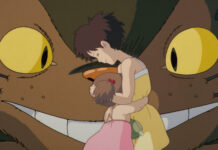
Best gentle first pick: My Neighbor Totoro
My Neighbor Totoro is ideal for younger viewers, families, or anyone who wants comfort rather than high-stakes plot. It moves slowly by modern animation standards, but that is part of its magic. The film gives you time to live in the house, fields, rain, trees, and childhood worries.
If someone thinks animation must be loud to hold attention, Totoro is a beautiful counterargument. It is small, patient, and deeply confident.
Where to go after your first film
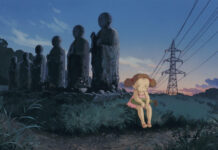
After one starter film, branch by mood. For epic nature conflict, watch Princess Mononoke. For adventure, try Castle in the Sky. For younger children, choose Ponyo. For emotional realism, try Only Yesterday or Whisper of the Heart. For a devastating historical drama, save Grave of the Fireflies until viewers know what they are choosing.
Keep exploring: Start with the Studio Ghibli movies in order guide, then browse movie guides, character guides, endings explained, and rankings.
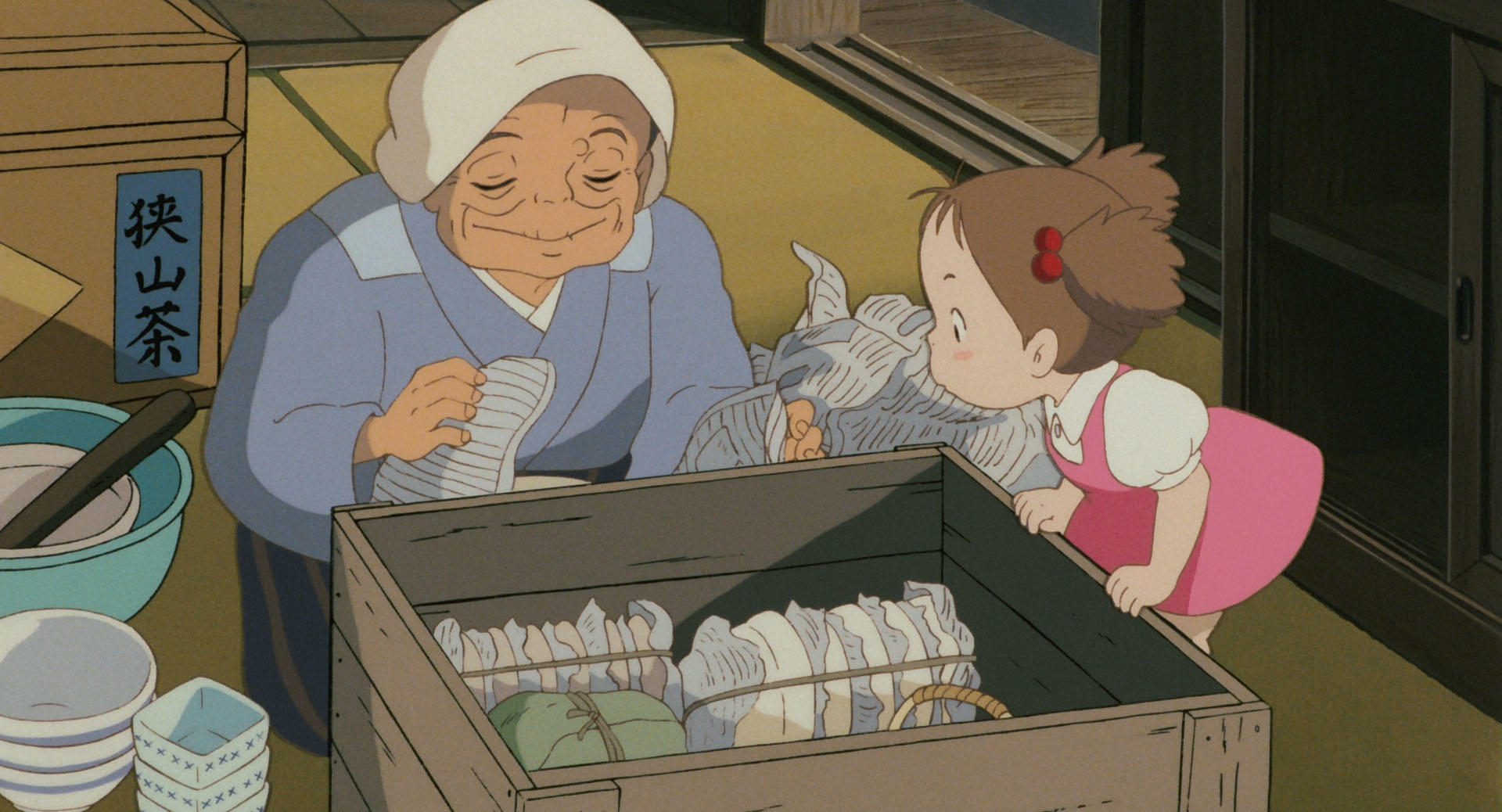
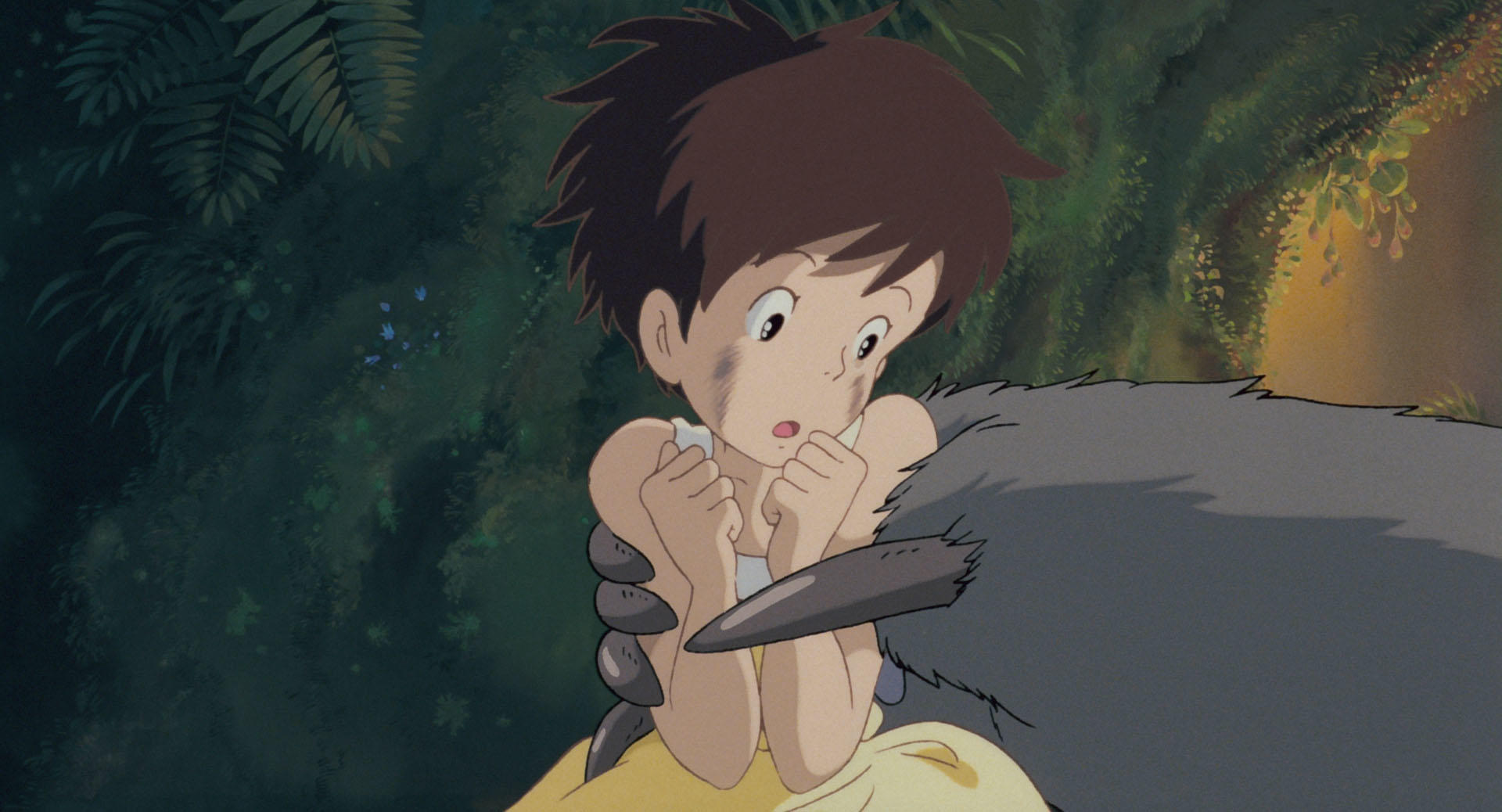
Image note: featured imagery uses official Studio Ghibli stills made available through ghibli.jp for common-sense fan/press use.
How this guide fits into a bigger Ghibli watch path
This topic also works best when it is not treated in isolation. Studio Ghibli stories often repeat ideas through different moods: a child crossing into a strange world, a home becoming safer through care, a natural place asking to be remembered, or a character learning that courage can be quiet. Reading one film alongside another helps the patterns become clearer without forcing every movie into the same timeline.
If you are new to the studio, use this guide as a doorway rather than a final answer. Watch the relevant film once for feeling, then return to specific scenes for details: how characters speak, what they refuse, when music drops away, what food or work represents, and how the landscape changes around them. Those details usually explain more than a literal lore summary.
What to notice on a rewatch
On a rewatch, pay attention to the small choices that reveal character. Ghibli often lets growth appear through posture, silence, chores, meals, travel, and the way someone treats a weaker or stranger being. A character may not announce that they have changed; the film shows it through what they are finally able to see, say, or give up.
It is also worth noticing how little the films rely on simple villains. Even frightening figures usually reflect a pressure in the world around them: greed, loneliness, war, vanity, fear, or forgetfulness. That moral complexity is one reason these stories keep attracting adult viewers as well as children.
FAQ for searchers
Is there one official interpretation?
Usually no. Studio Ghibli films give viewers strong emotional direction, but they often avoid reducing symbols to a single dictionary meaning. The best interpretation should fit the story, the character arc, and the feeling of the ending.
Is this a good entry point for new fans?
Yes. Explainer and character guides are useful for first-time viewers because they clarify what to watch for without requiring a full franchise background. Most Ghibli films stand alone, so curiosity is more important than chronology.
Quick reader answer
If you landed here looking for a simple answer about Best Studio Ghibli Movies to Watch First: A Beginner-Friendly Starter List, the most useful way to approach it is to start with the film context, then decide what kind of viewer you are: first-time watcher, parent, returning fan, collector, or someone trying to understand the wider Studio Ghibli catalogue.
Why this topic matters in the Ghibli catalogue
Studio Ghibli films reward close attention because small choices often carry the emotional weight: a meal, a train ride, a silent pause, a change in weather, or a character choosing kindness when the easier option would be fear. That is why guides on this site aim to be practical without flattening the films into trivia.
What to notice on a first watch
- The setting: Ghibli backgrounds often explain the world before the dialogue does.
- The character’s rhythm: how someone moves, waits, eats, or listens can reveal their inner life.
- The moral tension: many films avoid simple villains and instead ask what people owe to nature, family, memory, work, or community.
- The ending tone: a Ghibli ending is often less about winning and more about growing into a different relationship with the world.
How this connects to other Studio Ghibli films
If this page led you here through one movie or character, the best next step is usually not another random title. Follow the feeling. For gentle wonder, try My Neighbor Totoro, Ponyo, or Kiki’s Delivery Service. For bigger myth and conflict, try Princess Mononoke, Nausicaä, or Castle in the Sky. For romance, identity, and transformation, try Howl’s Moving Castle, Whisper of the Heart, or The Wind Rises.
Beginner-friendly viewing advice
New viewers do not need to memorise release dates or production history before watching. Pick the film that matches the mood you want tonight, then come back for context afterwards. These movies are built to work emotionally first, and the deeper meanings become clearer on rewatches.
FAQ
Is this a good Studio Ghibli starting point?
Yes, if the topic matches the kind of experience you want. For the safest first-time route, start with Totoro, Spirited Away, Kiki, or Howl, then branch out.
Should I worry about spoilers?
For most Ghibli films, the emotional journey matters more than a single twist. Still, first-time viewers may want to watch the film before reading deeper interpretation sections.
Where should I go next?
Use the site’s watch guides, rankings, character pages, and movie tags to move from one film into a related mood or theme rather than treating the catalogue like homework.
Image source note: official Studio Ghibli stills are credited to ghibli.jp and used within the site’s independent fan-guide editorial context.