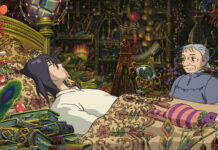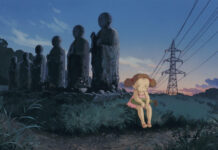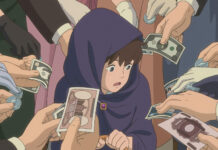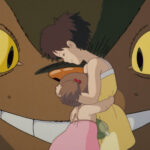
Quick answer: Ponyo is one of the safest Studio Ghibli starting points for younger children, especially compared with the studio’s darker adventures. It has storm scenes, worried parents, and a few moments of magical chaos, but it is warm, simple, funny, and emotionally reassuring.
Is Ponyo good for kids?
Yes, Ponyo is a strong family watch when you match it to the right child. The important thing is not just whether the movie is “for kids,” but what kind of child is watching. Some children are fine with fantasy danger but upset by separation. Others can handle sadness but dislike loud scenes. This guide focuses on what parents actually need to know before pressing play.
If Totoro is the gentlest Ghibli comfort watch, Ponyo is the livelier ocean-side cousin. It has more noise and peril than Totoro, but much less emotional darkness than Spirited Away or Princess Mononoke. If you are building a first Studio Ghibli watchlist, this is the kind of movie that helps younger viewers understand the studio’s rhythm: patient scenes, beautiful everyday details, big feelings, and a belief that courage does not always look like fighting.
Age recommendation
Best fit: Ages 4 to 6 can often enjoy it with an adult nearby, while ages 7 and up should find it very easygoing. The best viewing age depends on attention span and sensitivity more than on any single scary moment. For a first watch, younger children will usually do better when an adult is present, especially if they ask questions during emotional or chaotic scenes.
- Very sensitive viewers: watch during the day and be ready to pause.
- Confident young viewers: should mostly experience it as wonder, adventure, or comfort.
- Older kids and adults: will notice more of the emotional subtext and craft.
What might worry younger viewers?
The biggest intensity comes from the ocean itself. Waves rise like living creatures, a town floods, and adults are briefly separated from children. These scenes are exciting rather than cruel, and the film keeps returning to bright colors, kindness, and trust. There is no need to over-warn children, because too much preparation can make a gentle film sound more frightening than it is. A better approach is to say that the movie has a few tense parts, but the story is on the side of kindness and the main characters are not abandoned by the film.
Parents should also expect the slower Ghibli pacing. Children used to very fast modern animation may initially find the quiet sections unusual. Those pauses are part of the point. They give young viewers space to notice food, weather, rooms, journeys, faces, and small acts of care.
Is there anything inappropriate?
There is no crude sexual content and no mean-spirited gross-out humor. The main parental considerations are fantasy peril, emotional stress, and whether your child is comfortable with uncertainty. The film asks children to sit with worry for a while before everything settles. For many families, that makes it more useful than a movie where nothing difficult happens.
Themes worth talking about after watching
The central themes are love, bravery, family trust, care for nature, and the way children can take big feelings seriously without needing everything explained in adult terms. A good post-movie conversation does not need to turn into homework. Ask one or two simple questions: Which character was brave? Which moment felt confusing? What would you have done? Studio Ghibli films work well when children are allowed to answer in their own language instead of being pushed toward a neat lesson.
This is also why Ponyo keeps working for adults. The film may be accessible to children, but it is not disposable children’s content. It respects small fears and small victories. It also shows that growing up is not only about becoming tougher. Sometimes it is about trusting people, accepting help, and paying attention to the world around you.
How it compares with other Studio Ghibli films
If this is part of a family Ghibli marathon, place it near the gentler end of the list. Our beginner-friendly Studio Ghibli watch order is a useful next stop if you are deciding what to watch after this. Families who want the softest possible start usually begin with My Neighbor Totoro, then move into warmer adventure or coming-of-age films before trying the darker epics.
Parent verdict
Ponyo is worth recommending because it gives children a real story without treating them like they can only handle noise and jokes. It has enough tension to feel meaningful, enough beauty to invite rewatching, and enough emotional safety to make it a practical family choice. If your child is especially anxious, watch together. If they already enjoy gentle fantasy, this is an easy yes.
What to know before a family rewatch
For a second viewing, Ponyo often becomes easier for children because they already know the storm and separation resolve safely. That makes it a good rewatch film for families who want something energetic but not harsh. You can also use the rewatch to point out smaller details: Lisa’s confidence, Sōsuke’s patience, Fujimoto’s worry, and the way the sea feels like a character rather than just a setting. Those details help children understand that the film is not only about a magical fish-girl. It is also about responsibility, promises, and how adults and children try to protect each other in different ways.
If you are choosing a bedtime movie, the only caution is pacing. Ponyo is bright and comforting, but the ocean sequences can be stimulating. For a calm evening, start earlier, keep the volume moderate, and leave a few minutes after the credits for questions. For a weekend family watch, it is one of the easiest Ghibli films to recommend because it gives young viewers adventure without leaving them with a heavy ending.
FAQ
Is Ponyo too scary for a first Studio Ghibli movie?
Usually no, though very sensitive children may need reassurance during tense scenes. It is safer than Ghibli’s darker adventure films.
Should parents watch it first?
If your child is sensitive to separation, danger, or emotional stress, previewing helps. Otherwise, co-watching is usually enough.
Is it still enjoyable for adults?
Yes. Like most Studio Ghibli films, it works on two levels: simple enough for children, textured enough for adults to revisit.
Image source: official Studio Ghibli stills from ghibli.jp, where the work pages include the common-sense use notice: ※画像は常識の範囲でご自由にお使いください。