My Neighbor Totoro quick facts
- Original Japanese release: 16 April 1988
- Director and writer: Hayao Miyazaki
- Studio: Studio Ghibli
- Running time: about 86 minutes
- Best for: first-time Ghibli viewers, families and anyone wanting a gentle story about childhood and uncertainty
Spoiler-free answer: My Neighbor Totoro follows sisters Satsuki and Mei as they move with their father to the countryside while their mother recovers in hospital. Their new home, the surrounding forest and a group of strange spirits turn an anxious summer into a story of wonder, patience and sisterly love. It is one of the easiest Studio Ghibli films to recommend to a newcomer because it has no conventional villain and lets ordinary family life matter as much as fantasy.
Storyline: what happens in My Neighbor Totoro?
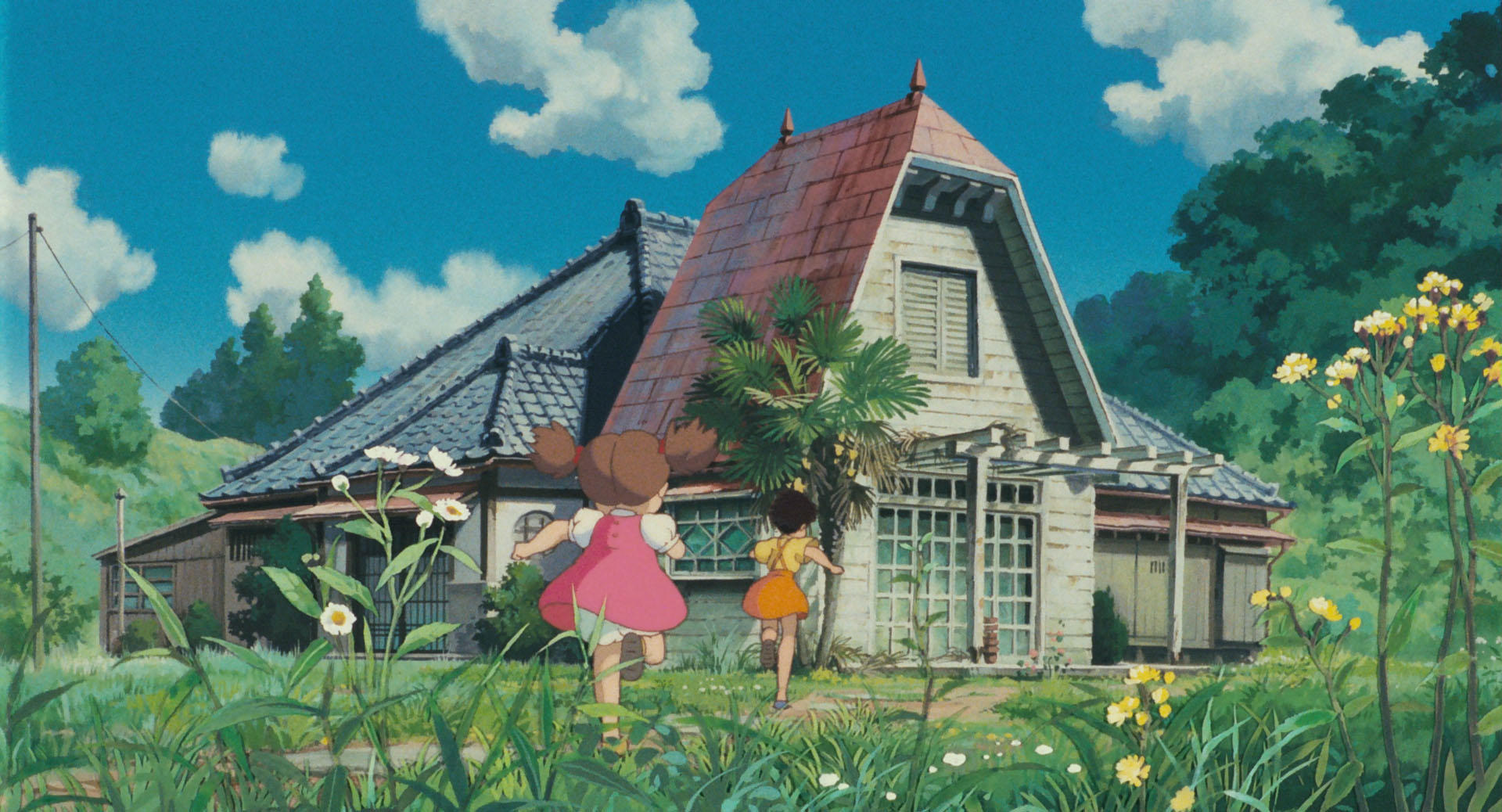
Satsuki and her younger sister Mei arrive at an old house with their father, Tatsuo Kusakabe. The move puts them closer to the hospital where their mother Yasuko is receiving treatment. The house creaks, dust creatures scatter through empty rooms and the enormous camphor tree nearby seems to hold a life of its own. Miyazaki makes the move feel exciting and unsettling at once: the girls can run through fields and explore, but every happy discovery sits beside concern for their mother.
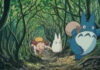
Mei is the first to follow small spirits through the undergrowth and meet the huge creature she names Totoro. Satsuki later encounters Totoro at a rainy bus stop, where an offered umbrella creates one of animation’s most memorable scenes. The spirits do not explain themselves or hand the girls a mission. They appear at moments when imagination, loneliness and hope overlap.
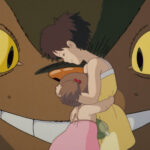
The final movement becomes more urgent after a disappointing message from the hospital. Fear and frustration push the sisters apart, and Mei tries to solve an adult problem by herself. Totoro and the Catbus then become practical forms of comfort, carrying Satsuki toward the person she most needs to find. The resolution does not magically cure every problem. Instead, it restores connection and gives the family enough reassurance to continue.
Main characters
Satsuki Kusakabe
Satsuki is capable, sociable and often asked to behave like a second adult. Her energy can hide how frightened she is. The film respects her competence while showing that she also needs help.
Mei Kusakabe
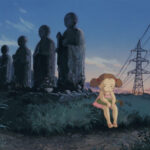
Four-year-old Mei is stubborn, curious and emotionally direct. She names Totoro through a child’s attempt to repeat a new sound. Her choices are believable because she understands love more clearly than distance, illness or risk.
Totoro and the Catbus
Totoro is neither a pet nor a fantasy superhero. He feels like an old presence in the landscape, playful but never fully explained. The Catbus turns movement itself into magic, racing through places that ordinary routes cannot reach.
Tatsuo and Yasuko
The parents anchor the fantasy. Tatsuo listens without mocking the girls, while Yasuko’s absence shapes the family’s anxiety. Their warmth makes the story emotionally safe even when events become tense.
Themes and meaning
The film is about childhood living beside uncertainty. The natural world does not erase illness, but it gives the girls a language for feelings too large to explain. Waiting becomes a central action: waiting for a bus, rain to stop, a hospital visit or news from a parent. Totoro embodies the possibility that waiting can contain wonder rather than only fear.
It is also a story about sisters. Satsuki and Mei annoy, protect and misunderstand each other. Their bond matters more than any theory about whether the spirits are “real.” The popular claim that Totoro is a death god is not supported by the film. The simpler reading fits the evidence better: the spirits belong to a child-centred landscape that helps the sisters endure a difficult season.
Age and content guidance
My Neighbor Totoro is among Ghibli’s gentlest features, but “gentle” does not mean emotionally empty. Young children may worry about the mother being in hospital, Mei becoming lost, adults searching at dusk and a brief fear that something terrible has happened. There is no graphic violence, threatening villain or cruel language. Sensitive viewers may benefit from knowing in advance that the family is reunited and the ending is reassuring.
Many families use it as a first Ghibli film around primary-school age, while confident younger viewers often enjoy it with an adult. The best test is not a number but the child’s response to parental illness, separation and characters being lost.
Production and release context
Studio Ghibli released the film in Japan in 1988 as part of a double feature with Isao Takahata’s Grave of the Fireflies. Miyazaki’s rural setting draws on memories of post-war Japan without pinning the story to a documentary-style date. Joe Hisaishi’s music gives simple actions, from walking to waiting, a sense of invitation. Totoro later became Studio Ghibli’s emblem, but the film itself remains intimate rather than brand-like.
Where to watch legally
Streaming rights differ by country and change over time. Check the film’s current listing on the official service available in your region, or use our updated Studio Ghibli streaming guide. Blu-ray and other licensed physical editions remain a dependable option where available. This page does not claim a service is carrying the film unless that availability has been checked for your location.
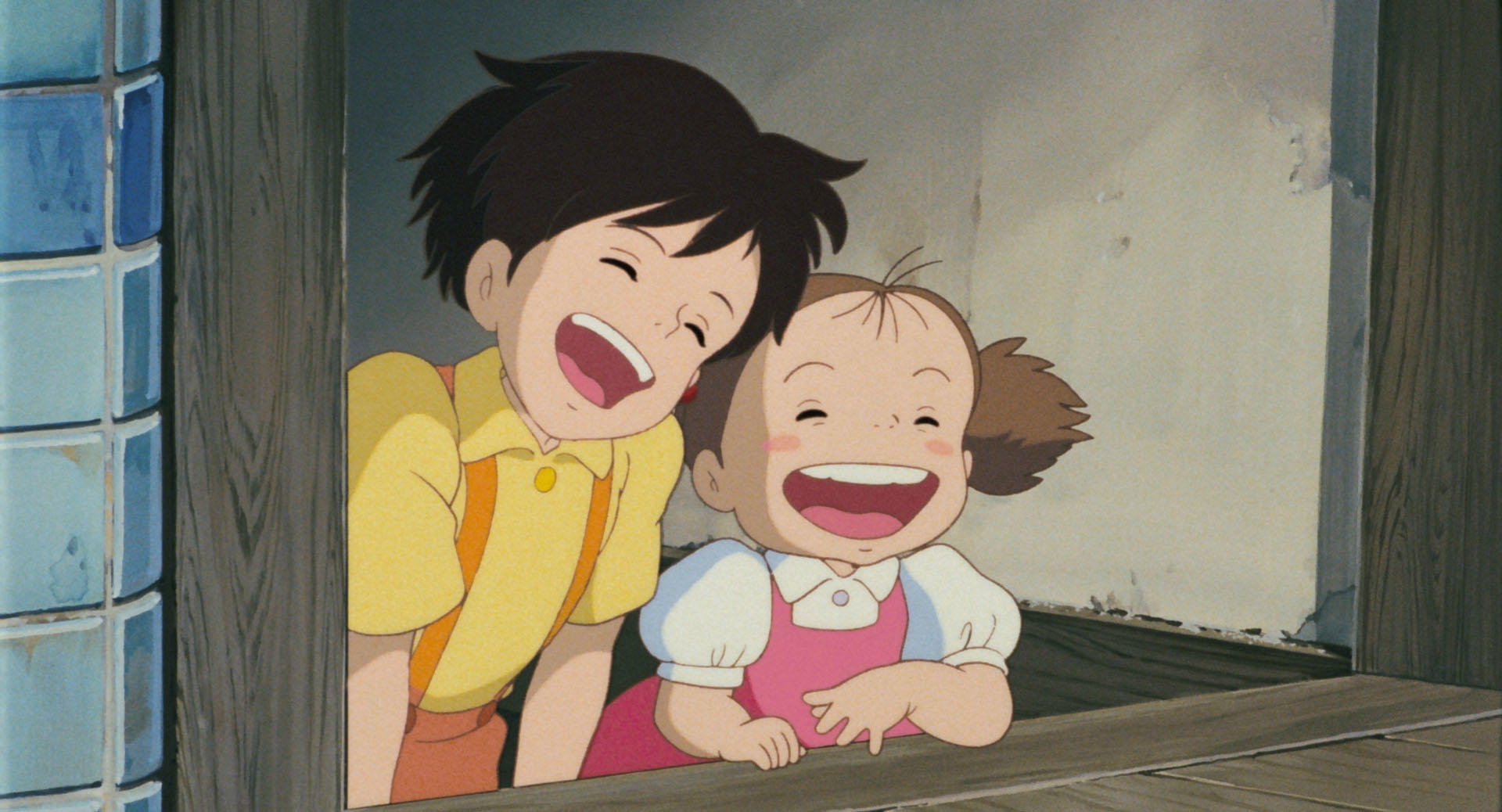
Official image gallery
Related films
Try Kiki’s Delivery Service for another gentle coming-of-age story, Ponyo for younger-child wonder with bigger set pieces, or Spirited Away when you are ready for a stranger and more intense fantasy.
Frequently asked questions
Is My Neighbor Totoro sad?
It contains real anxiety about a parent’s health, but it is not a tragedy. Its lasting mood is reassuring and affectionate.
Is Totoro real in the story?
The film deliberately keeps the spirits mysterious. It treats the girls’ encounters as meaningful without needing to prove them to every adult.
Does My Neighbor Totoro have a villain?
No. The tension comes from illness, separation, weather and the limits of a child’s understanding.
What should I watch after Totoro?
Kiki and Ponyo are the gentlest next steps. Spirited Away is a good progression for viewers comfortable with more peril and surreal imagery.
Official film stills are credited to Studio Ghibli and used under its common-sense image-use notice.