Best Ghibli characters
A hub for character-led Studio Ghibli reading, from heroes and heroines to complicated antagonists and unforgettable spirits.
Character and ranking guides
- Sophie Hatter Character Guide: Why Sophie Is the Heart of Howl’s Moving Castle
- Sophie Hatter Character Guide: Curse, Confidence, and the Heart of Howl’s Moving Castle
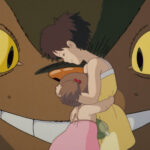
- Catbus Guide: Why Totoro’s Strangest Character Feels So Magical
- Sophie Hatter Character Guide: The Hidden Strength of Howl’s Moving Castle
- Catbus Explained: Totoro’s Strangest Spirit and Why Fans Love It
- Satsuki and Mei Character Guide: Sisters, Fear, and Wonder in My Neighbor Totoro
- San Character Guide: Princess Mononoke, Identity, and the Wolf Girl’s Rage
- Kiki Character Guide: Independence, Burnout, and Growing Up in Kiki’s Delivery Service
- Chihiro Character Guide: Why Spirited Away’s Hero Grows Without Losing Herself
- Best Howl’s Moving Castle Gifts: Ideas for Howl, Sophie, and Calcifer Fans
- San Character Guide: Princess Mononoke’s Wolf Girl and Human Conflict
- Chihiro Character Guide: How Spirited Away Turns Fear Into Courage
- Jiji Character Guide: Why Kiki’s Cat Matters More Than a Cute Sidekick
- Kiki Character Guide: Independence, Burnout, and Finding Your Magic Again
- Calcifer Character Guide: Howl’s Fire Demon, Contract, and Heart Explained
- Howl Character Guide: Vanity, Cowardice, Courage, and the Moving Castle
- Totoro Character Guide: What the Forest Spirit Means in My Neighbor Totoro
- No-Face Explained: Why Spirited Away’s Quiet Spirit Still Haunts Fans
- The Baron Character Guide: Why Ghibli Fans Love the Elegant Cat Gentleman
- Best Studio Ghibli Villains and Antagonists: Why the “Bad Guys” Are Rarely Simple
- Best Studio Ghibli Heroines Ranked: Courage, Kindness, Rage, and Growth
- Kiki’s Delivery Service Ending Explained: Jiji, Flying, Burnout, and Confidence
- Lady Eboshi Character Guide: Why Princess Mononoke’s Villain Is Not Simple
- Calcifer Explained: Howl’s Heart, Fire Demon Rules, and Why He Matters
More Studio Ghibli sections
What makes a Studio Ghibli character great?
The best Studio Ghibli characters are not memorable because they are the loudest person in the film. They are memorable because they feel specific. Ghibli characters usually have a clear emotional pressure: Chihiro has to grow up before she feels ready, Kiki has to keep working while her confidence disappears, Ashitaka has to act without pretending the world is simple, and Sophie has to discover strength that was already there.
This is why Ghibli character pages work better when they focus on motivation, relationships, and the scene that defines the character, not just a short biography. A good character guide should answer three questions quickly: who are they, what do they want or fear, and why do fans still talk about them years later?
Essential Ghibli characters to know
Chihiro Ogino
Chihiro is one of the strongest protagonists because she does not begin as a chosen hero. She is frightened, frustrated, and out of her depth. Her growth in Spirited Away comes through attention, work, names, and kindness. She becomes brave by doing the next necessary thing, which makes her arc feel unusually human for a fantasy story.
Totoro
Totoro is less a traditional character than a feeling: safety, mystery, nature, and childhood imagination. He works because the film never overexplains him. He is funny, strange, comforting, and slightly unknowable. That balance is why Totoro can be both a mascot and a genuine screen presence.
Sophie Hatter
Sophie’s story in Howl’s Moving Castle is about self-image as much as magic. The curse makes visible what she already feels about herself, then gradually loses its grip as Sophie becomes more direct, loving, and confident. She is a great Ghibli character because her strength is practical rather than flashy.
Ashitaka and San
Ashitaka and San give Princess Mononoke its emotional spine. Ashitaka tries to see clearly without choosing hatred. San belongs to the forest so completely that human compromise feels like betrayal. Together they show one of Ghibli’s most important ideas: peace is not the same as pretending conflict does not exist.
No-Face
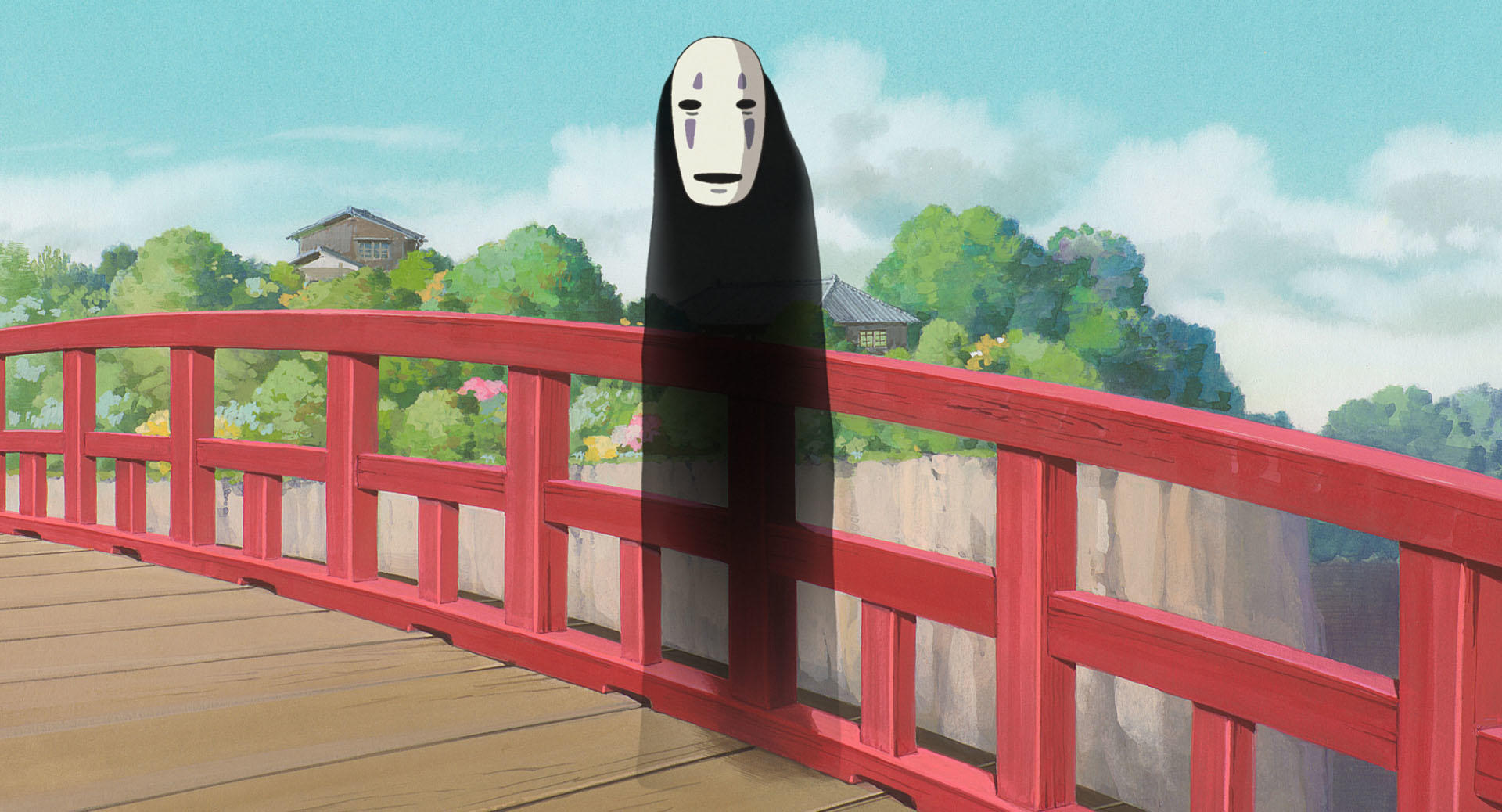
No-Face is unforgettable because he changes according to the world around him. In the bathhouse, he absorbs greed, performance, and appetite. Around Chihiro, he becomes quieter and more vulnerable. He is one of Ghibli’s best examples of a character functioning as both a person and a symbol.
How to explore character guides on this site
Start with the film you already love, then branch out by theme. If you like quiet growth stories, read about Chihiro, Kiki, Sophie, and Shizuku. If you prefer mysterious beings, explore Totoro, No-Face, the Forest Spirit, Calcifer, and the Laputa robots. If you want morally complex characters, Princess Mononoke and The Wind Rises are the strongest places to go next.
For readers building a watch list, character interest is often a better guide than release order. Someone drawn to cozy childhood characters should start differently from someone looking for war, grief, ambition, or ecological conflict.
Related guides
Useful next reads include the Totoro character guide, No-Face explained, Sophie Hatter guide, and the all movies hub.
Image source: official Studio Ghibli stills from ghibli.jp, used within the official common-sense usage notice.
Best characters by viewer type
If you are introducing someone to Ghibli through characters, match the recommendation to the viewer. Younger viewers often connect first with Totoro, Ponyo, Satsuki, Mei, Kiki, and Jiji because their stories are direct and emotionally readable. Fantasy fans usually respond to Howl, Sophie, Calcifer, Haku, San, and No-Face because those characters carry mystery and transformation. Viewers who like morally complicated stories should look at Ashitaka, Lady Eboshi, Jiro Horikoshi, and the adults in Only Yesterday.
This is also why ranking Ghibli characters is difficult. The studio is not only creating heroes and villains. It is creating people, spirits, animals, and presences that express a mood or moral question. The strongest character is often the one who changes how you understand the film on a second watch.