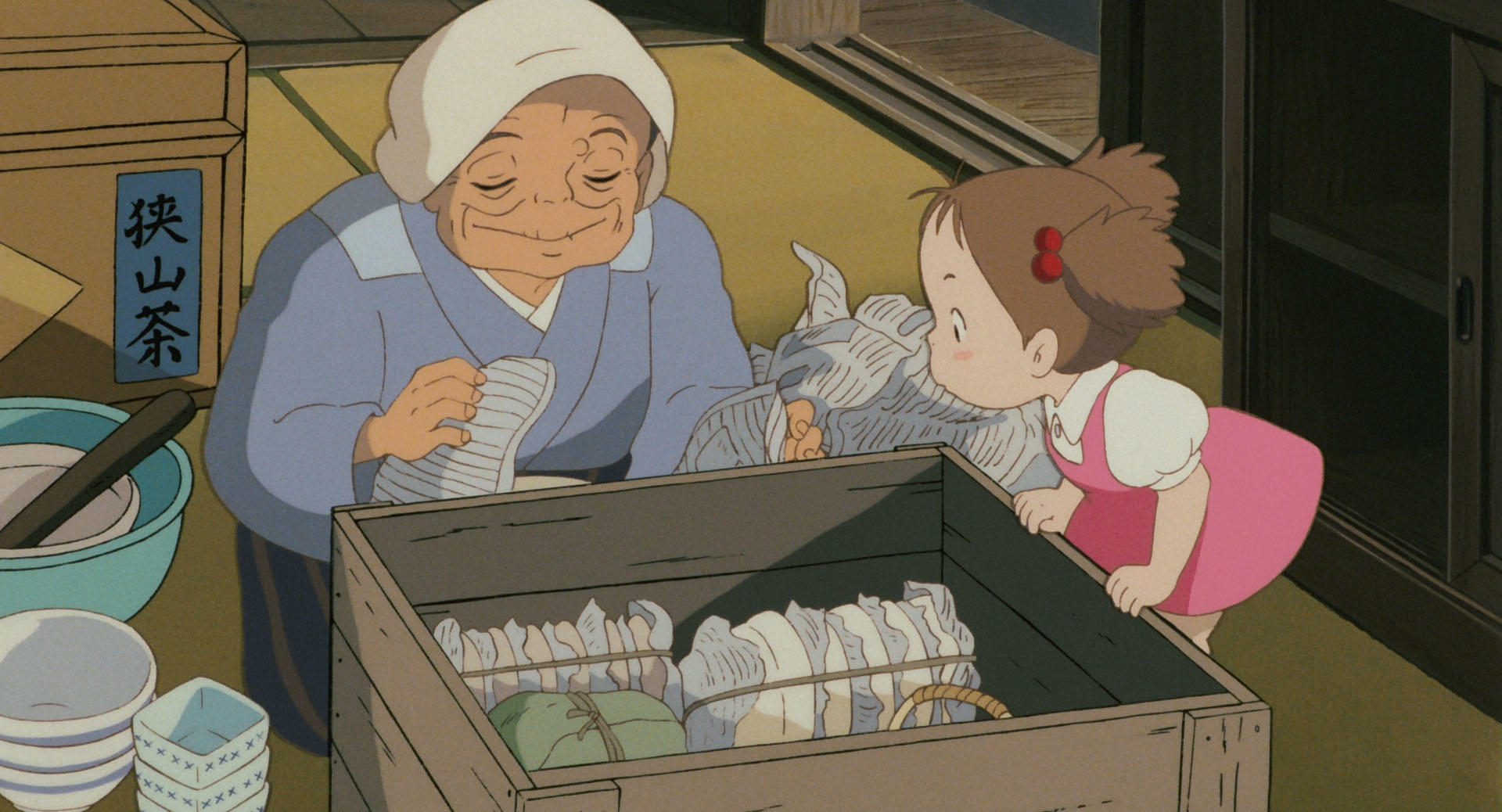
The best Studio Ghibli movies for kids depend on age, sensitivity, and whether your child enjoys quiet magic, big emotions, or scarier fantasy. For most families, the safest starting point is My Neighbor Totoro or Ponyo. Older children can move into Kiki’s Delivery Service, Castle in the Sky, and Spirited Away, while films like Princess Mononoke, Grave of the Fireflies, and The Boy and the Heron are better saved for teens or careful family discussion.
This guide is spoiler-light and parent-friendly. It is not a strict rating system, because every child is different. Instead, it groups Studio Ghibli films by the kind of viewing experience they create: gentle first watches, slightly bigger adventures, emotionally intense stories, and films that are beautiful but not ideal for young children.
Quick picks: best Studio Ghibli movies for kids by age
| Age range | Best first picks | Why they work |
|---|---|---|
| Under 6 | My Neighbor Totoro, Ponyo | Gentle stories, bright images, simple emotions, very little threat. |
| 6 to 8 | Kiki’s Delivery Service, Arrietty, Castle in the Sky | More plot, independence, adventure, and mild peril. |
| 9 to 12 | Spirited Away, Howl’s Moving Castle, Whisper of the Heart | Richer worlds, stronger emotions, and themes older children can unpack. |
| Teenagers | Princess Mononoke, The Wind Rises, The Boy and the Heron | More violence, grief, historical context, ambiguity, or mature themes. |
Best gentle first watches for younger children
My Neighbor Totoro
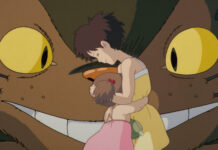
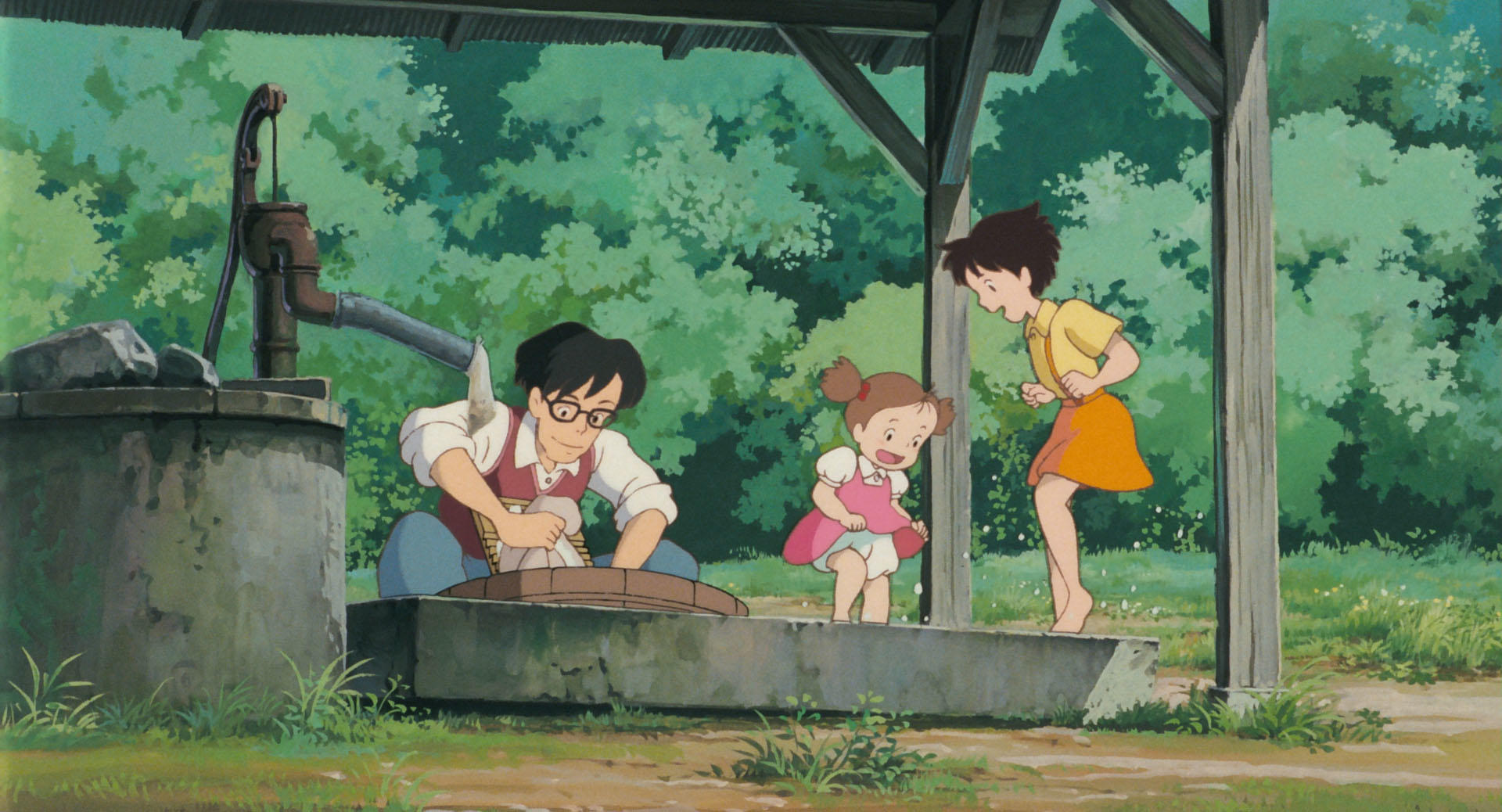
My Neighbor Totoro is usually the easiest Studio Ghibli recommendation for a young child. It is slow in the best sense: there are trees, rain, a bus stop, a new home, two sisters, and the feeling that the countryside is quietly alive. The film has some worry around a parent’s illness, but it is handled gently and without frightening detail.
For children who are new to longer films, Totoro works because the story does not depend on complicated rules. They can enjoy the soot sprites, Catbus, acorns, and forest spirit even if they miss the subtler emotional layer. For adults, it is also one of the clearest examples of how Studio Ghibli makes ordinary childhood feel magical without turning every scene into noise.
Ponyo
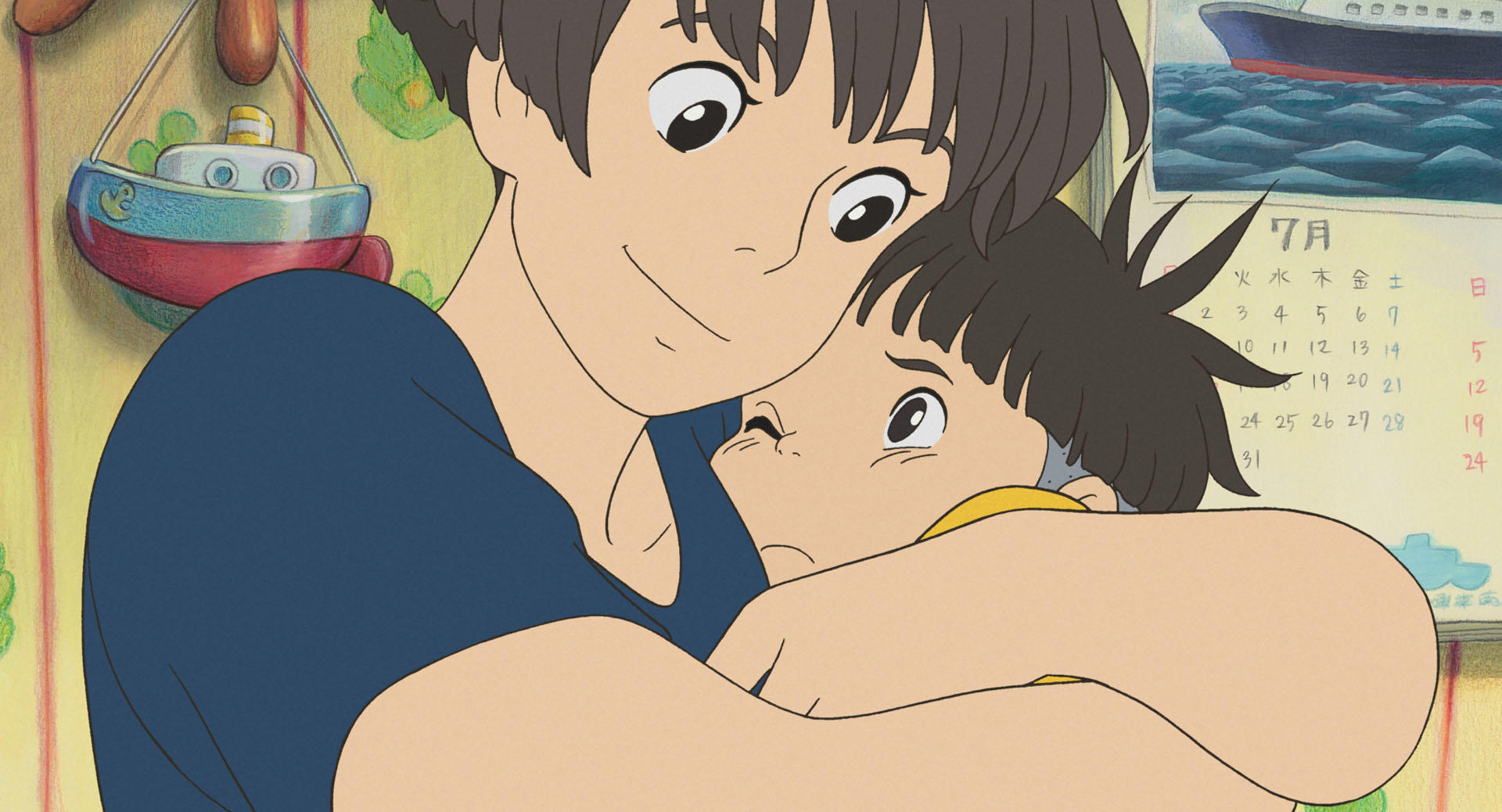
Ponyo is another strong early pick, especially for children who like bright colours, water, fish, and big toddler-like feelings. It has storm scenes and some surreal ocean imagery, but the overall tone is warm and playful. Ponyo herself behaves like a small child: impulsive, joyful, hungry, stubborn, and full of affection.
If your child is sensitive to peril, preview the storm sequence first. Most younger viewers experience it as exciting rather than scary, but it is more chaotic than Totoro. Our Ponyo parent guide explains the storm, separation and fantasy scenes age by age. For more character context, the site’s Ponyo characters guide breaks down Sosuke, Lisa, Fujimoto, Ponyo, and Granmamare.
If Ponyo is already a favourite, use our family guide to movies like Ponyo to choose another gentle Ghibli watch with a similar sense of wonder.
Good next steps for early school-age viewers
Kiki’s Delivery Service
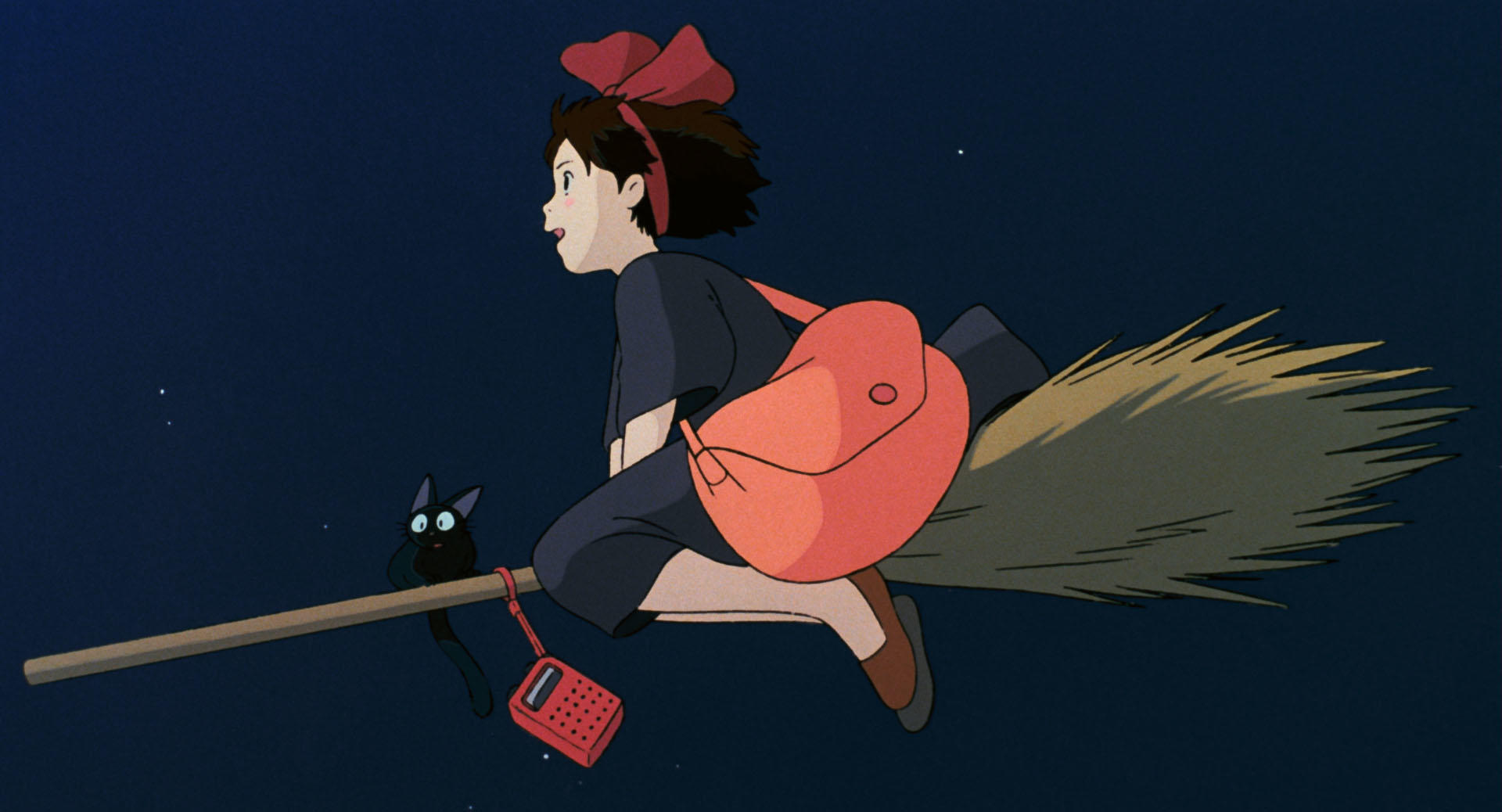
Kiki’s Delivery Service is a lovely step up for children who are ready for a story about independence. Kiki leaves home, starts work, makes mistakes, loses confidence, and slowly finds her way again. The stakes are emotional rather than violent, which makes it a good choice for children who can follow character growth but are not ready for darker fantasy.
It is especially useful for kids who are dealing with a new school, new responsibilities, or feeling unsure of themselves. Our Kiki’s Delivery Service beginner guide goes deeper on why it feels so comforting without pretending confidence is easy.
Arrietty
Arrietty is quieter and more delicate. The Borrowers’ tiny world gives children plenty to notice: sugar cubes, dollhouse furniture, danger from ordinary household objects, and the thrill of being small in a huge human space. There is sadness in the story, but it is more wistful than frightening.
Castle in the Sky
Castle in the Sky brings more action. There are pirates, soldiers, chases, airships, guns, and moments of real threat, so it is not the gentlest first film. For children who already love adventure stories, though, it can be a fantastic bridge between cosy Ghibli and the studio’s bigger fantasy worlds.
Best Studio Ghibli movies for older children
Spirited Away
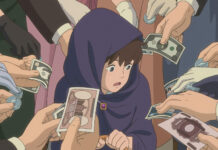
Spirited Away is often treated as the default Ghibli starting point, but for kids it depends on temperament. It is brilliant, funny, strange, and unforgettable, but it also includes body transformation, intimidating spirits, lonely spaces, and the fear of losing parents. Many children around nine or ten will love it. Some younger children may find it overwhelming.
If you are unsure, watch the first twenty minutes with your child and be ready to pause. The upside is huge: Chihiro’s journey is one of the best children’s stories about courage, work, manners, and keeping hold of your name in a confusing world. It is a stronger second or third Ghibli film than a first one for very young viewers.
Howl’s Moving Castle
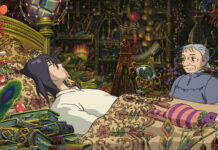
Howl’s Moving Castle is romantic, funny, visually dazzling, and emotionally odd in a way many older children enjoy. It includes war imagery, magical curses, and some scary transformation scenes, but the film’s heart is generous. It is a good pick for children who like fantasy, castles, witches, and complicated characters more than straightforward plots. If you are judging readiness for a sensitive child, our Howl parent guide breaks down the war, transformations and age considerations.
Whisper of the Heart
Whisper of the Heart is not scary, but it asks for more patience. It is about creativity, school, self-doubt, first love, and the effort of making something good. It can land beautifully with older children and pre-teens who are starting to care about identity, talent, and what they might become.
Ghibli films to save for teens or family discussion
Some Studio Ghibli movies are masterpieces but poor automatic choices for young kids. Princess Mononoke has graphic violence, severed limbs, blood, moral conflict, and ecological anger. It is one of the studio’s essential films, but it belongs in a teen bracket for most families.
Grave of the Fireflies should be treated separately from a normal family movie night. It is a devastating war drama about children, loss, hunger, and survival. It may be important, but it is not comfort viewing.
The Wind Rises is gentle in pacing but mature in subject: ambition, illness, history, aircraft design, and the shadow of war. The Boy and the Heron also asks more from viewers, with grief, surreal imagery, and a dreamlike structure that can confuse or unsettle younger children.
If you are choosing for grown-ups rather than children, the adult Studio Ghibli watch guide gives these heavier themes and less family-focused films their own route.
How to choose the right Ghibli movie for your child tonight
If the child is tired, anxious, or very young, choose Totoro or Ponyo. If they want independence and everyday magic, choose Kiki’s Delivery Service. If they want adventure, choose Castle in the Sky. If they are ready for a stranger, richer fantasy, choose Spirited Away or Howl’s Moving Castle.
Parents should also think about what kind of conversation they want afterwards. Some Ghibli films are perfect bedtime comfort. Others are better for a weekend afternoon when there is time to talk about fear, sadness, courage, nature, or why adults in these movies are often just as lost as children.
FAQ
What is the safest first Studio Ghibli movie for kids?
My Neighbor Totoro is the safest first pick for most families, followed closely by Ponyo. Both are warm, visually clear, and easy for young children to enjoy.
Is Spirited Away too scary for children?
It can be scary for sensitive or younger children. It is usually better for older children who can handle strange creatures, transformation scenes, and a more intense fantasy setting.
Which Studio Ghibli movies should young kids avoid?
For young children, be careful with Princess Mononoke, Grave of the Fireflies, The Boy and the Heron, and sometimes Nausicaä of the Valley of the Wind. They are more intense, violent, sad, or thematically mature.
Where should adults start if they are watching with children?
Start with the site’s Studio Ghibli movies for beginners guide, then use this age guide to choose the best family-friendly option for tonight.
Image note: Official Studio Ghibli stills are sourced from ghibli.jp, whose work pages include the common-sense usage notice: ※画像は常識の範囲でご自由にお使いください。
Choosing for an older child? Our Studio Ghibli movies for teenagers guide sorts stronger, darker and more mature picks by age.