Best Ghibli soundtracks
This guide is a practical starting point for Studio Ghibli music: which soundtracks to try first, what mood each score suits, and how Joe Hisaishi and other composers help shape the emotional memory of the films. Use it as a listening map after a rewatch, before choosing a film for the night, or when you want a Ghibli playlist that feels calm, sweeping, romantic, or bittersweet.
Films and moods to explore first
- Studio Ghibli Movies Ranked by Mood: Cozy, Epic, Sad, Weird, and Romantic
- Best Totoro Gifts: Cozy Ideas for My Neighbor Totoro Fans
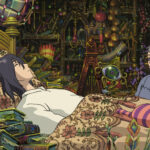
- Howl’s Moving Castle Movie Guide: Romance, Magic and War
- Saddest Studio Ghibli Movies Ranked: An Emotional Watch Guide
- Best Studio Ghibli Movies for Fantasy Fans: Dragons, Spirits, Castles, and Strange Worlds
- Spirited Away Symbols Explained: Food, Names, Water, and the Bathhouse
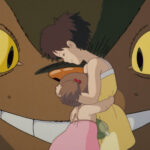
- Catbus Explained: Totoro’s Strangest Spirit and Why Fans Love It
- Satsuki and Mei Character Guide: Sisters, Fear, and Wonder in My Neighbor Totoro
- Lady Eboshi Character Guide: Why Princess Mononoke’s Villain Is Not Simple
- Calcifer Explained: Howl’s Heart, Fire Demon Rules, and Why He Matters
- Totoro Gifts: Best My Neighbor Totoro Gift Ideas for Fans
- Best Studio Ghibli Gifts for Howl’s Moving Castle Fans
- San Character Guide: Princess Mononoke, Identity, and the Wolf Girl’s Rage
- Ashitaka Character Guide: Seeing With Eyes Unclouded in Princess Mononoke
- Princess Mononoke Meaning: Nature, Hatred, and the Cost of Balance
- Yubaba Explained: Greed, Names, Motherhood, and Power in Spirited Away
More Studio Ghibli sections
How to start with Ghibli soundtracks
The best Studio Ghibli soundtracks are not only pleasant background music. They are part of the storytelling. Joe Hisaishi’s scores for Hayao Miyazaki films often carry the feeling of flight, memory, loss, childhood, and wonder before a character says anything. Other Ghibli films use quieter songs, folk textures, jazz touches, or period detail to place the viewer in a very specific emotional world.
If you are new to Ghibli music, start with the films where the score is easiest to recognise outside the movie itself: My Neighbor Totoro, Spirited Away, Howl’s Moving Castle, Princess Mononoke, Kiki’s Delivery Service, Castle in the Sky, and The Wind Rises. Those soundtracks give you the full range: playful children’s themes, sweeping fantasy, wistful piano, grand orchestration, and delicate character motifs.
Best Ghibli soundtracks to listen to first
Spirited Away
Spirited Away is the strongest first listen for many people because the music moves between mystery, melancholy, and sudden warmth. The score makes the bathhouse feel huge and strange, but it also keeps Chihiro’s emotional journey grounded. Tracks associated with the train sequence and Chihiro’s growing courage are especially useful examples of how Ghibli music can feel simple on the surface and devastating underneath.
Howl’s Moving Castle
Howl’s Moving Castle is the romantic, waltzing choice. Its main theme has become one of the studio’s most recognisable pieces because it feels elegant, magical, and slightly sad at the same time. It suits readers who want the grand, beautiful side of Ghibli: floating castles, curses, transformation, and love stories that are more complicated than a simple fairy tale.
My Neighbor Totoro
Totoro is the comfort soundtrack. It works because the music never tries to make childhood look small. The score treats curiosity, fear, waiting, and ordinary family life as emotionally important. It is a good listen when you want the gentler side of Ghibli without losing the sense that something magical might be hiding in the trees.
Princess Mononoke
Princess Mononoke is the epic choice. The score has a wider, heavier feel than the cozier family films, matching a story about forests, gods, iron, violence, and the cost of survival. It is less of a casual comfort listen, but it is one of the most powerful examples of Ghibli music giving a film moral weight.
Kiki’s Delivery Service
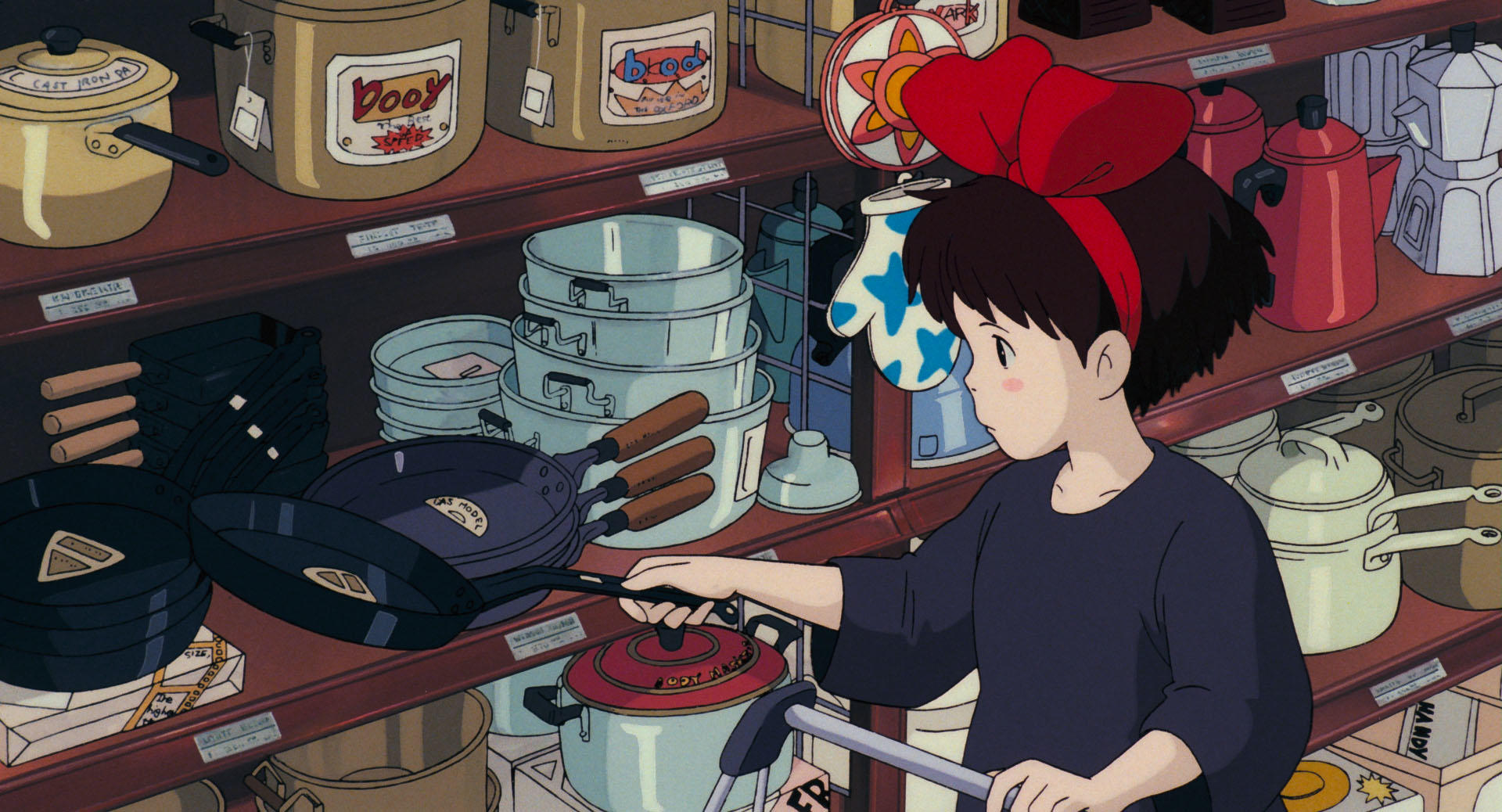
Kiki’s Delivery Service is lighter and more everyday, which is exactly why it matters. Its music supports independence, work, loneliness, and the awkwardness of growing up. It is a useful soundtrack for readers who want Ghibli’s city-life mood rather than pure fantasy adventure.
What makes a Ghibli soundtrack memorable?
The common thread is restraint. Ghibli music often leaves space for quiet scenes, food, wind, footsteps, and ordinary rooms. When the score rises, it feels earned. That is why the music stays with viewers: it is tied to emotional turning points rather than pasted over every moment.
For a quick listening path, try this order: Spirited Away for atmosphere, Howl’s Moving Castle for romance, Totoro for comfort, Princess Mononoke for scale, Kiki’s Delivery Service for growing-up warmth, and Castle in the Sky for adventure. After that, The Wind Rises is a strong next step if you want a more reflective, adult mood.
Related guides
Pair this page with the Studio Ghibli movies in order guide, the best Ghibli movies for beginners, and the all Studio Ghibli movies hub.
Image source: official Studio Ghibli stills from ghibli.jp, used within the official common-sense usage notice.
Soundtrack listening notes for rewatching
One useful way to appreciate these scores is to rewatch a favourite scene and notice when the music does not enter. Ghibli often trusts silence, room tone, weather, footsteps, and character movement. That restraint makes the big themes feel more powerful when they finally arrive. For soundtrack fans, this is also why piano and orchestral arrangements can feel so emotionally clear outside the films: the melodies have already been tied to very specific moments of courage, loneliness, home, or release.
If you are making a playlist, mix the obvious themes with quieter cues. The famous pieces bring the recognition, but the smaller tracks often carry the emotional texture that makes Studio Ghibli feel different from standard animated adventure scoring.
Quick picks by listening mood
If you want one obvious place to begin, choose the soundtrack that matches the feeling you want rather than trying to listen chronologically. For warm comfort, start with My Neighbor Totoro, where the music feels simple, rural, playful, and childlike without becoming throwaway. For romance and longing, Howl’s Moving Castle is the most immediate pick, especially because its waltz-like themes carry both grandeur and sadness. For wonder with a little unease, Spirited Away is the most complete all-rounder, moving from mysterious bathhouse atmosphere to moments of quiet tenderness.
For a grand adventure mood, Castle in the Sky is still one of the best gateways. It has a bigger, more old-fashioned sweep than many later Ghibli scores, which makes it ideal if you want music that feels like flight, danger, and discovery. For nature, grief, and moral weight, Princess Mononoke is the heavier listen. It is beautiful, but it is not background comfort music in the same way as Totoro or Kiki’s Delivery Service.
Why Joe Hisaishi’s Ghibli music stays with people
Many viewers remember the music because it does not simply decorate the animation. The best Ghibli themes often feel like emotional shorthand for the whole film. A few notes can bring back the feeling of a child looking up at trees, a girl walking into a spirit world, a castle moving across a hill, or a plane crossing an open sky. The melodies are clear enough to hum, but the arrangements leave room for uncertainty, silence, and atmosphere.
That balance matters. Ghibli films are rarely only happy or only sad, and the music reflects that. Even the comforting scores often carry a tiny ache. Even the darker scores leave space for beauty. This is why Ghibli soundtrack listening works well outside the films: the music can support reading, drawing, cooking, working, or winding down, but it still keeps a sense of story.
Best soundtracks for a first playlist
A beginner playlist should cover range without becoming too intense. Start with My Neighbor Totoro for warmth, add Kiki’s Delivery Service for independence and city energy, then move into Spirited Away for mystery. Add Howl’s Moving Castle when you want romance and spectacle, then use Castle in the Sky or Princess Mononoke when the playlist needs something bigger and more dramatic.
If the playlist is for a quiet evening, keep the heavier tracks lighter and lean into calmer cues from Totoro, Kiki, Arrietty, and When Marnie Was There. If it is for a focused work session, avoid the most climactic pieces and use scores with steady atmosphere. If it is for a rewatch night, pair the music with one of the film guides linked below so the soundtrack leads naturally into the next movie choice.
How this page connects to the wider watch guide
Soundtracks are a useful way to choose a Studio Ghibli film when you are not sure what mood you want. If the music you are craving is gentle and domestic, try a comfort watch. If it is sweeping and romantic, move toward Howl’s Moving Castle. If it is strange, watery, and dreamlike, Spirited Away is the stronger fit. For more direct paths, use the related guides below for moods, rankings, family viewing, and beginner watch order.