Quick answer: the best Studio Ghibli movies for winter are the ones that feel warm, restorative, and easy to settle into: Kiki’s Delivery Service, My Neighbor Totoro, Howl’s Moving Castle, Whisper of the Heart, When Marnie Was There, and Spirited Away. They are not all “snow movies,” but they fit cold evenings because they mix comfort, atmosphere, magic, food, home, and emotional reset.
This guide is for nights when you want a Studio Ghibli film that feels cosy without being empty. Some picks are gentle family watches. Some are more melancholy. Some work best when you want fantasy and candles, while others are better for a quiet solo rewatch. If you are brand new to the studio, pair this with our beginner starting guide and the movies-in-order watch guide.
Best winter Studio Ghibli picks at a glance
- For pure comfort: Kiki’s Delivery Service and My Neighbor Totoro.
- For romantic fantasy: Howl’s Moving Castle.
- For quiet emotion: Whisper of the Heart or When Marnie Was There.
- For a magical night in: Spirited Away.
- For older viewers wanting weight: Princess Mononoke or The Wind Rises, though they are less cosy.
1. Kiki’s Delivery Service
Kiki’s Delivery Service is one of the easiest winter Ghibli choices because it is about building a life from small routines. Kiki finds a room, makes deliveries, meets neighbours, gets tired, loses confidence, and slowly learns that rest is part of work. That makes it especially good for a Sunday evening or the first night after a busy week.
The film has seaside sunshine rather than snow, but its emotional temperature is warm. The bakery, attic room, radio, broom flights, and simple meals all have the feeling of shelter. If Pete wants the site to convert casual searchers into repeat readers, this kind of intent matters: people searching for winter watches often want a mood, not literal weather.
2. My Neighbor Totoro
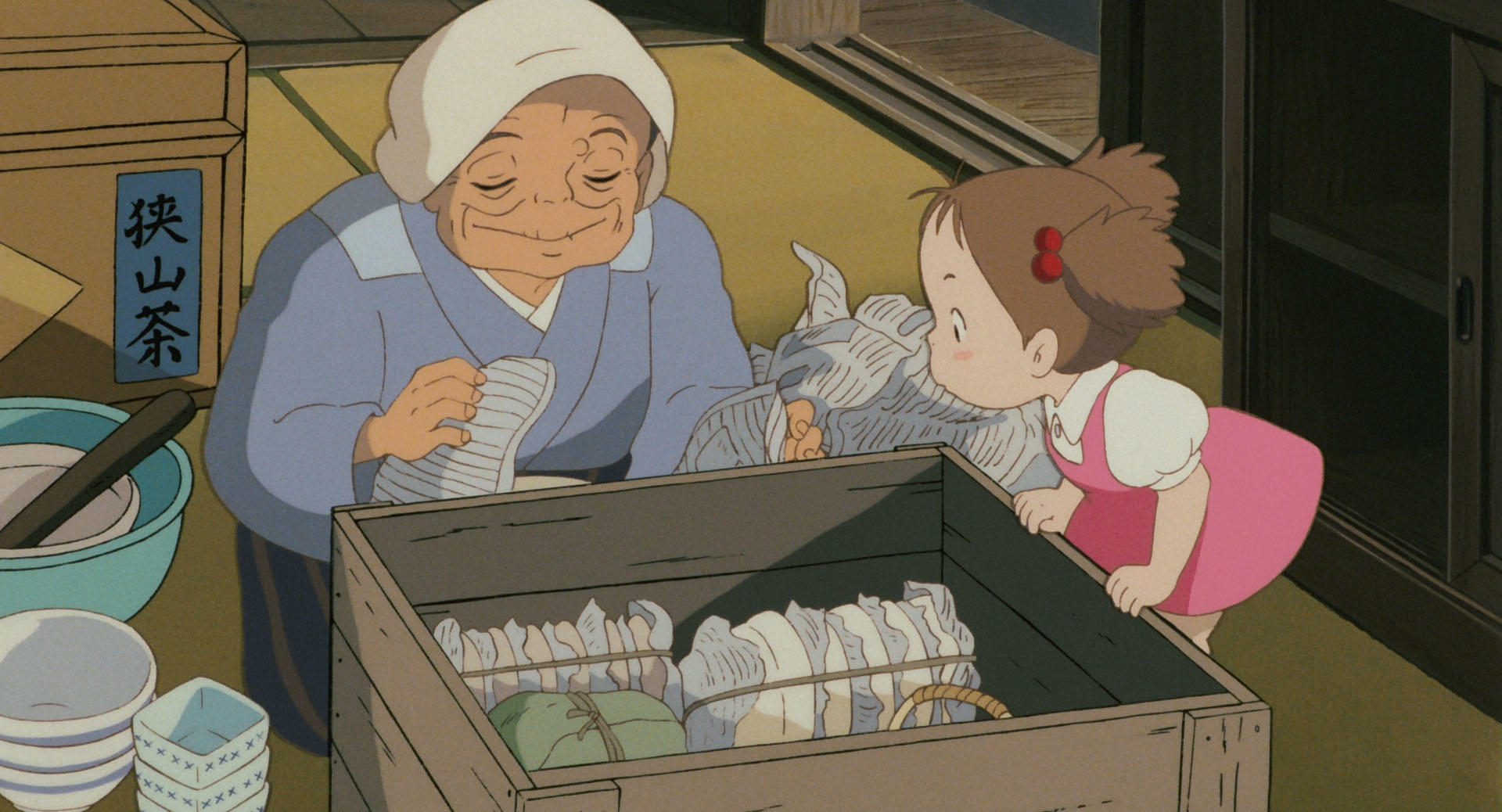
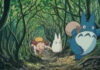
My Neighbor Totoro is the safest family-friendly winter comfort pick. It is short, soft, and full of household detail: moving boxes, rain, baths, gardens, packed lunches, and children trying to understand a new place. It works well when the viewer wants a film that does not demand too much emotional energy.
Totoro is also a good recommendation for mixed groups. Children can enjoy the spirits and Catbus, while adults often notice the worry sitting underneath the wonder. If someone wants more soft rewatch ideas, send them to the rainy-day rewatch guide after this article.
3. Howl’s Moving Castle
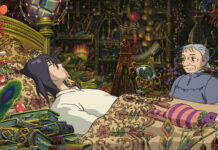
Howl’s Moving Castle is the winter pick for readers who want glamour, romance, firelight, and a little chaos. Calcifer’s hearth, Sophie’s practical courage, Howl’s dramatic mood swings, and the clanking castle all feel built for a dark evening. It is busier and stranger than Totoro, but that is the appeal.
This is also a strong recommendation for people who like fantasy but do not want a complicated franchise. The story can be dreamlike, yet the emotional core is simple: Sophie becomes more herself when she stops trying to disappear, and Howl becomes more human when he has something worth protecting.
4. Whisper of the Heart
Whisper of the Heart is not the obvious magical pick, but it is one of the best cold-weather watches for creative viewers. It is about reading, writing, wandering, comparing yourself to someone talented, and discovering whether a dream survives contact with real effort. That makes it ideal for January resets, quiet evenings, and anyone trying to get back into a creative rhythm.
It is slower than the fantasy films, so frame it correctly: this is not the best choice for restless kids or a noisy group. It is best for viewers who want atmosphere, young ambition, and a gentle reminder that making things badly at first is part of learning.
5. When Marnie Was There
When Marnie Was There belongs on the winter list because it has a hush around it. The marsh house, the pale light, Anna’s loneliness, and the mystery of Marnie all suit viewers who want something reflective rather than cheerful. It is a comfort film, but not because it avoids sadness. It earns comfort by moving through it.
Recommend this one carefully. It is beautiful, but it can feel emotionally intense for anyone expecting a light cosy movie. It is a better solo watch than party watch, and it is especially useful for readers searching for Ghibli films about memory, grief, and belonging.
6. Spirited Away
Spirited Away is the best winter option when the viewer wants a full escape. The bathhouse is crowded, strange, steamy, and ritual-like, which makes it oddly perfect for a cold night. Chihiro’s journey gives the film momentum, while the food, water, train ride, boiler room, and quiet final stretch give it texture.
For beginners, this is sometimes the film that makes Studio Ghibli click. It is not as simple as Totoro, but it has the strongest “I have entered another world” feeling. If a reader wants comfort rather than intensity, point them toward the stress-relief Ghibli guide instead.
How to choose the right winter watch
If you are watching with young children, choose Totoro first and Kiki second. If you want romance and fantasy, choose Howl. If you want a film that understands creative doubt, choose Whisper of the Heart. If you want a quiet emotional release, choose When Marnie Was There. If you want the biggest magical experience, choose Spirited Away.
FAQ
Are there any snowy Studio Ghibli movies?
Ghibli has snowy scenes and cold-weather atmosphere in several films, but the best “winter” picks are usually mood-based rather than strictly snowy. The studio is especially good at warmth, interiors, food, rain, wind, and emotional shelter.
What is the cosiest Studio Ghibli movie?
For most viewers, My Neighbor Totoro is the cosiest overall. Kiki’s Delivery Service is close behind if you want a film about independence, work, and finding a home.
What should I watch first on a cold night?
Start with Kiki’s Delivery Service if you want gentle motivation, Totoro if you want family comfort, or Howl’s Moving Castle if you want candlelit fantasy and romance.
Image note: this article uses official Studio Ghibli imagery sourced from ghibli.jp, where the studio provides stills for common-sense use.