Quick answer: Studio Ghibli films are mostly standalone, but they connect through recurring themes, visual motifs, creators, and a shared moral imagination rather than a single official timeline.
Are Studio Ghibli movies in one shared universe?
Most Studio Ghibli movies are not officially connected in a single shared universe like a superhero franchise. They are usually standalone stories with their own worlds, rules, time periods, and tones. You do not need to watch them in a strict continuity order to understand them.
However, Ghibli films are deeply connected through recurring themes, visual motifs, creative staff, and occasional playful references. Fans often sense a shared spirit because the movies return to similar questions: how humans live with nature, how children grow, what war damages, what work means, and how wonder survives in ordinary life.
Thematic connections across Ghibli
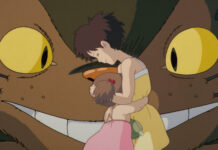
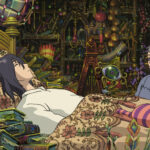
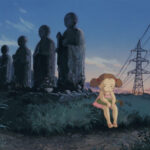
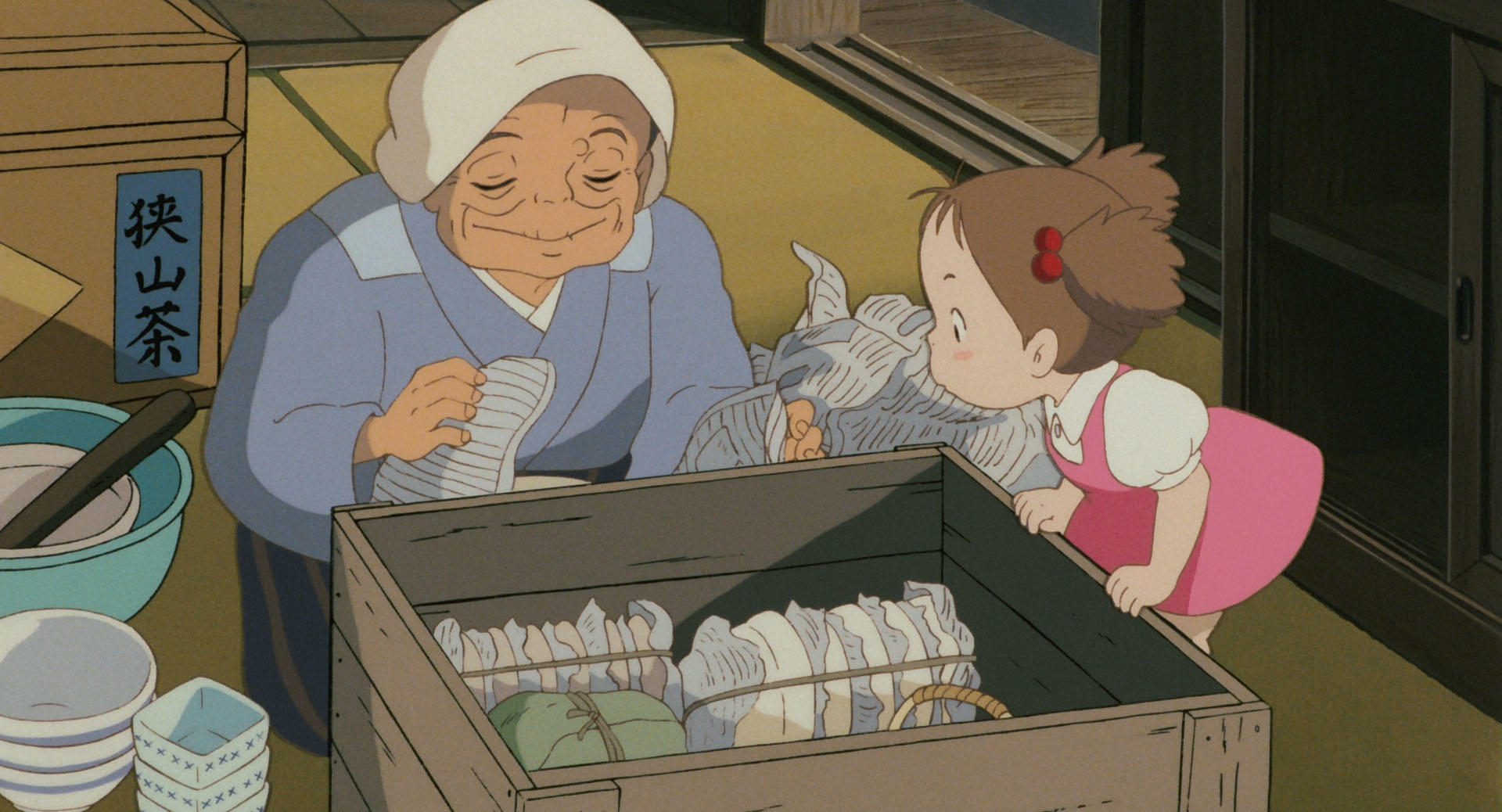
The strongest connections are thematic. Nausicaä of the Valley of the Wind and Princess Mononoke both explore ecological conflict without simple villains. Spirited Away and My Neighbor Totoro both show children encountering spirit worlds that adults barely understand. Kiki’s Delivery Service and Whisper of the Heart both focus on young people discovering confidence through work and creativity. For searchers comparing different interpretations, the safest approach is to separate what the film states directly from what it invites emotionally. Studio Ghibli rarely reduces its best moments to one locked answer; the films reward attention to behavior, setting, silence, and change over lore charts.
These connections matter more than timeline theories. Ghibli’s world feels coherent because its moral imagination is coherent. The films repeatedly ask viewers to look closely, reject greed, respect places, and treat even strange beings as worthy of attention.
Visual echoes and recurring images
Ghibli also connects films through images: flight, wind, trains, forests, food, old houses, small acts of cleaning, and machines that are both beautiful and dangerous. A Ghibli flying scene often means more than transportation. It can express freedom, escape, danger, or a character’s changing relationship to the world.
Food is another quiet connector. Meals reveal care, appetite, temptation, comfort, and community. Compare the parents eating in Spirited Away with the family meals in Totoro or Kiki’s pancakes and bakery scenes. The studio uses ordinary actions to show moral differences.
How to watch if you want connections
If you want a connected-feeling watch path, group films by theme rather than chronology. For nature and conflict: Nausicaä, Princess Mononoke, and Ponyo. For children and spirits: Totoro, Spirited Away, and The Boy and the Heron. For work and identity: Kiki, Whisper of the Heart, and The Wind Rises.
Keep exploring: Start with the Studio Ghibli movies in order guide, then browse movie guides, character guides, endings explained, and rankings.
Image note: featured imagery uses official Studio Ghibli stills made available through ghibli.jp for common-sense fan/press use.
How this guide fits into a bigger Ghibli watch path
This topic also works best when it is not treated in isolation. Studio Ghibli stories often repeat ideas through different moods: a child crossing into a strange world, a home becoming safer through care, a natural place asking to be remembered, or a character learning that courage can be quiet. Reading one film alongside another helps the patterns become clearer without forcing every movie into the same timeline.
If you are new to the studio, use this guide as a doorway rather than a final answer. Watch the relevant film once for feeling, then return to specific scenes for details: how characters speak, what they refuse, when music drops away, what food or work represents, and how the landscape changes around them. Those details usually explain more than a literal lore summary.
What to notice on a rewatch
On a rewatch, pay attention to the small choices that reveal character. Ghibli often lets growth appear through posture, silence, chores, meals, travel, and the way someone treats a weaker or stranger being. A character may not announce that they have changed; the film shows it through what they are finally able to see, say, or give up.
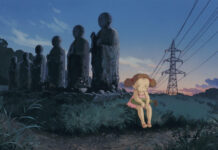
It is also worth noticing how little the films rely on simple villains. Even frightening figures usually reflect a pressure in the world around them: greed, loneliness, war, vanity, fear, or forgetfulness. That moral complexity is one reason these stories keep attracting adult viewers as well as children.
FAQ for searchers
Is there one official interpretation?
Usually no. Studio Ghibli films give viewers strong emotional direction, but they often avoid reducing symbols to a single dictionary meaning. The best interpretation should fit the story, the character arc, and the feeling of the ending.
Is this a good entry point for new fans?
Yes. Explainer and character guides are useful for first-time viewers because they clarify what to watch for without requiring a full franchise background. Most Ghibli films stand alone, so curiosity is more important than chronology.
The smarter way to think about Ghibli connections
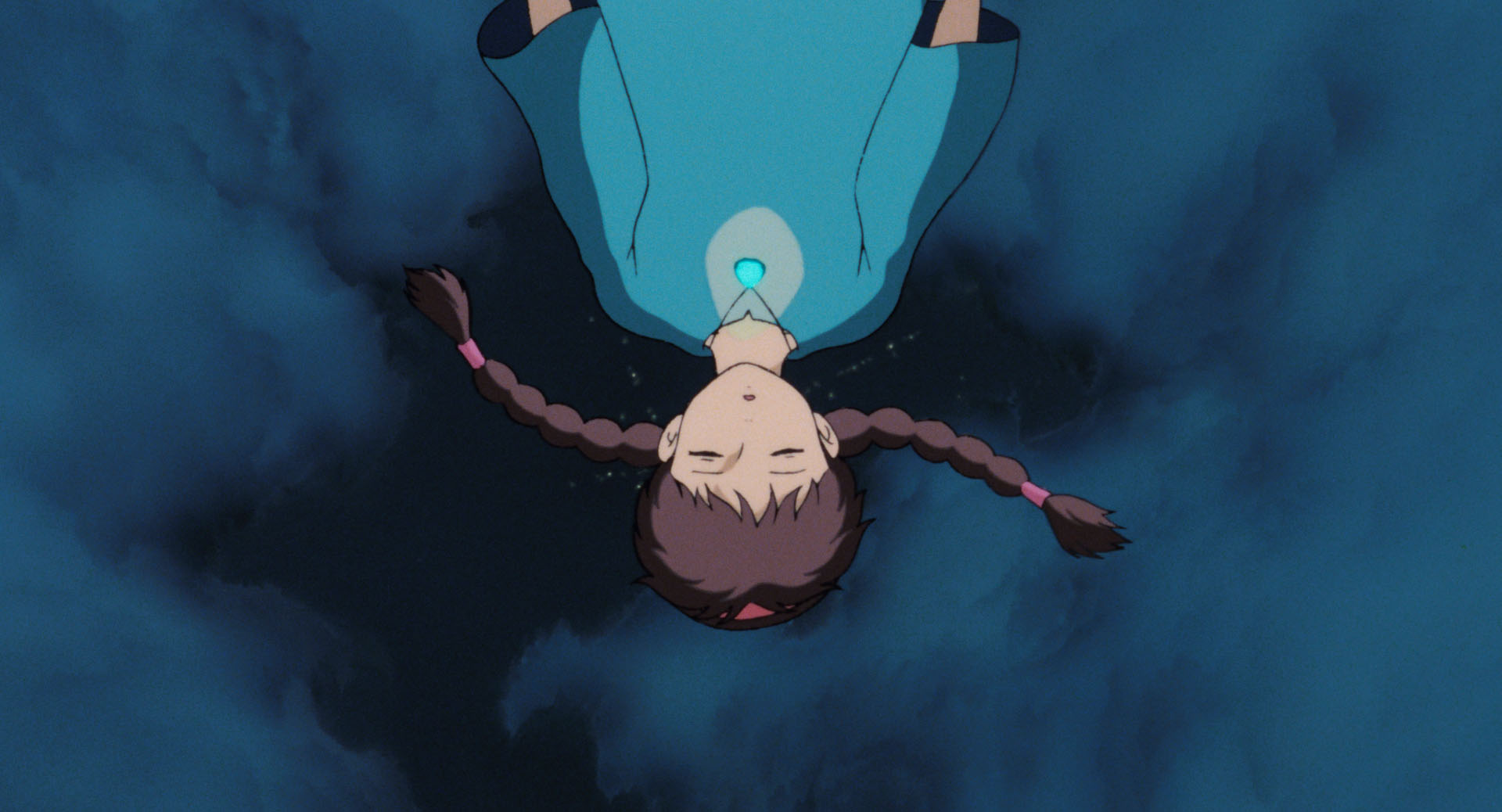
The strongest Studio Ghibli connections are usually thematic rather than literal. Fans naturally look for a single timeline, repeated worlds, secret family trees, or hidden crossovers, but the studio’s films tend to echo each other through ideas: flight, lost childhood, greed, work, food, forests, memory, and machines that are both beautiful and dangerous. That makes the connections more flexible and, in many ways, more interesting.
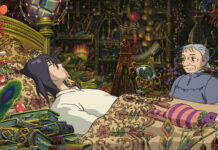
For example, Castle in the Sky, Porco Rosso, The Wind Rises, and Howl’s Moving Castle all treat flight as more than transport. Flying can mean freedom, escape, war, invention, arrogance, or longing depending on the film. The same is true of spirits and nature. Totoro, Spirited Away, and Princess Mononoke do not need to share one canon to feel spiritually related. They are connected by a worldview where humans are not the only meaningful beings in the room.
FAQ note for rewatching
Does this change the basic meaning of the film?
No. It simply gives repeat viewers a cleaner lens: watch how the film uses small choices, trust, fear, and appetite to make the larger fantasy feel emotionally believable.
Is there one official answer?
Studio Ghibli films often leave room for interpretation. The safest reading is to stay close to what the film shows onscreen, then use interviews, official materials, and careful comparison only as support.
Image source: official Studio Ghibli still from ghibli.jp, used within the studio’s published common-sense usage guidance.