Quick answer: Kiki’s Delivery Service works because Kiki is not trying to defeat a villain. She is trying to grow into herself. Her story, Jiji’s dry companionship, Osono’s kindness, and the bakery setting turn a simple coming-of-age film into one of Studio Ghibli’s clearest stories about confidence, work, and independence.
Who is Kiki?
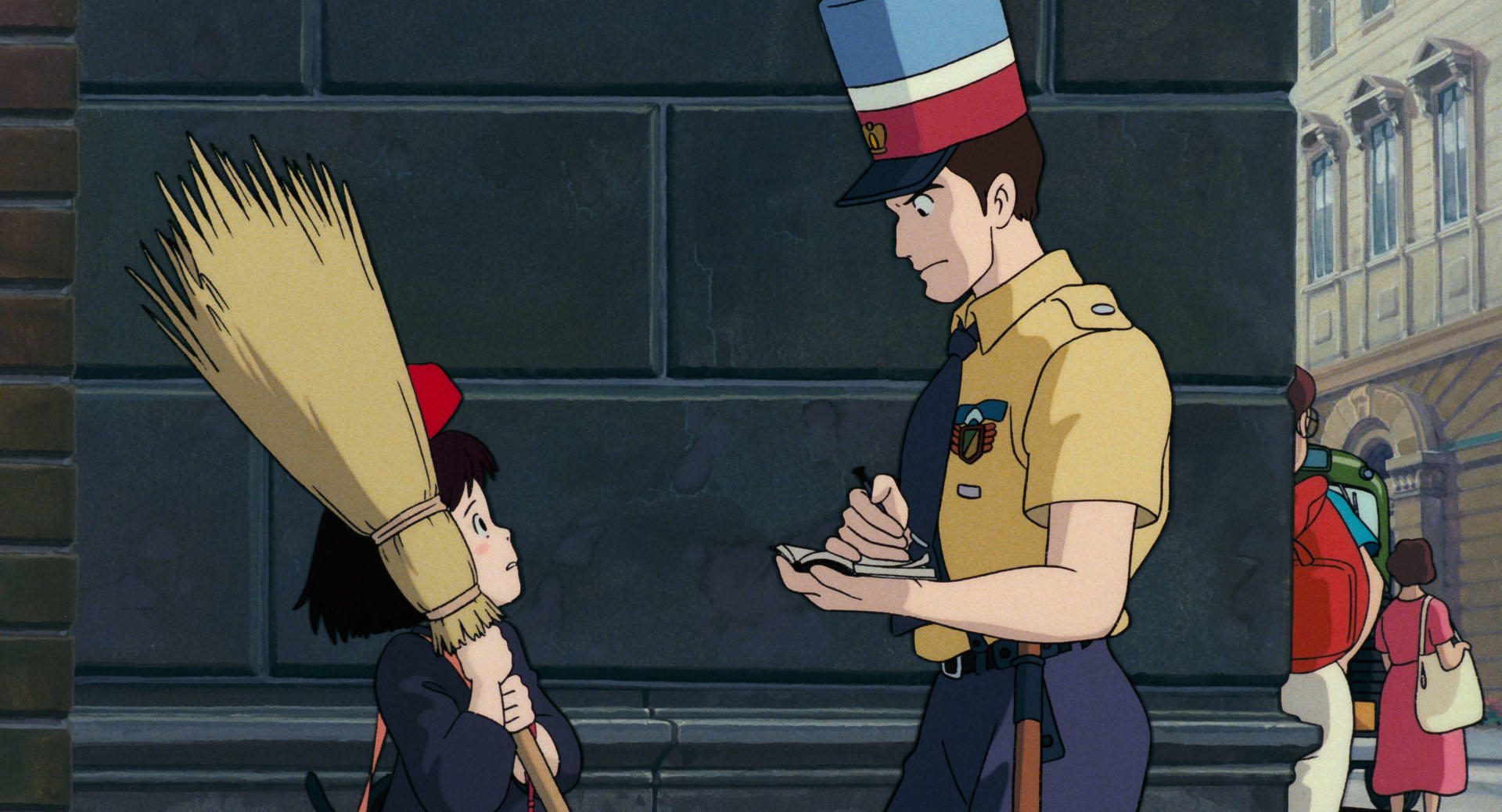
Kiki is a young witch who leaves home at thirteen to spend a year living independently, as required by her tradition. That premise could easily become a grand fantasy quest, but Studio Ghibli makes a more interesting choice. Kiki’s challenge is practical. She needs somewhere to sleep, a way to earn money, people she can trust, and a reason to believe her magic still belongs to her.
Her only obvious power is flying on a broom, so she turns it into a delivery service. That small business idea gives the film its shape. Each errand reveals something about the city, about Kiki’s limits, and about the difference between being useful and feeling valued.
Why Kiki feels different from a typical fantasy hero
Kiki is brave, but not invincible. She gets embarrassed. She compares herself to others. She misreads social situations. She wants to be independent, then discovers that independence can be lonely. That emotional honesty is why the character still resonates with adults who first saw the film as children.
Instead of making confidence look like constant certainty, the movie shows confidence as something that can flicker. Kiki can be talented and still lose her spark. She can be loved and still feel isolated. She can have a gift and still need rest, friendship, and a different relationship with work.
Jiji’s role in the story
Jiji is Kiki’s black cat, companion, critic, and comic relief. He says the nervous things Kiki often tries not to say. In the early parts of the film, his sarcasm gives her a familiar voice from home. He makes the new city less frightening because Kiki is not facing it completely alone.
As the story moves forward, Jiji’s role changes. Without spoiling every interpretation, the shift in their communication is one of the film’s most discussed details. It can be read as a sign of growing up: Kiki still loves Jiji, but she can no longer rely on the exact same childhood form of reassurance.
Why the bakery matters
The bakery is more than a cute setting. Osono and her family give Kiki a base, but they do not solve everything for her. That balance matters. Kiki receives kindness, yet she still has to make deliveries, handle mistakes, and decide what kind of worker and friend she wants to be.
The warm bread, busy counter, attic room, and town routine make the film feel lived-in. They also ground the fantasy. Kiki is a witch, but she is also a teenager trying to pay her way, answer customers politely, and recover after a bad day.
Kiki, Tombo, and learning to accept friendship
Tombo is enthusiastic, awkward, and fascinated by flight. Kiki often finds him irritating because he approaches magic from the outside, as something amazing and technical, while she experiences it as part of her identity. Their dynamic works because it is not instantly smooth. Kiki has to learn that someone can admire her gift without fully understanding it.
Tombo also represents a wider social challenge. Kiki wants connection, but connection makes her vulnerable. Letting people help her means admitting she is not always in control, which is one of the hardest lessons in the film.
The real conflict: burnout and self-doubt
The most modern part of Kiki’s Delivery Service is its treatment of burnout. Kiki begins with excitement and discipline, then gradually becomes tired, sensitive, and disconnected from the thing that used to feel natural. The film does not frame this as laziness. It frames it as a painful part of growing up and working seriously.
That is why the movie is so useful for viewers who are building a skill, a job, a creative practice, or a life away from home. Sometimes the answer is not to force inspiration. Sometimes it is to rest, talk to someone honest, spend time away from the pressure, and return with a gentler understanding of why the work matters.
What Kiki teaches without preaching
- Independence still needs community. Kiki succeeds because she works hard, but also because people make room for her.
- A gift can change shape. Losing ease does not mean losing ability.
- Kindness is practical. Osono’s help, Ursula’s advice, and Kiki’s deliveries all show care through action.
- Growing up is not a clean break. Kiki carries home with her, even as she becomes someone new.
Is Kiki’s Delivery Service good for beginners?
Yes. It is one of the best Studio Ghibli starting points because the story is easy to follow, emotionally direct, and rich in the everyday details that define the studio’s style. It also has a lighter tone than Princess Mononoke or Grave of the Fireflies, while still offering more depth than a simple comfort film.
FAQ
Why does Kiki lose confidence?
Kiki loses confidence because she is tired, lonely, and putting pressure on herself to turn a natural gift into reliable work. The movie treats that as an emotional and creative block rather than a simple magical failure.
Is Jiji still important after Kiki changes?
Yes. Jiji remains part of Kiki’s life, but the relationship no longer functions exactly as it did when she left home. That change is part of the film’s coming-of-age meaning.
What age is Kiki’s Delivery Service best for?
It is gentle enough for many children, but its themes of independence, burnout, friendship, and confidence make it rewarding for teens and adults too.
Image source note: official Studio Ghibli stills from ghibli.jp, used within the studio’s published common-sense usage guidance.