

Home Blog Page 7

Spirited Away Ending Explained: What Chihiro’s Return Really Means

0
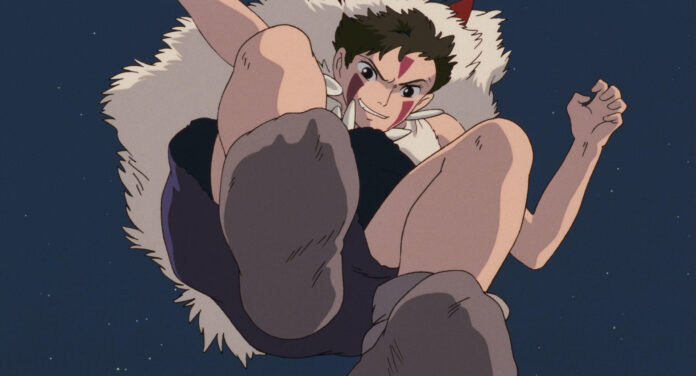
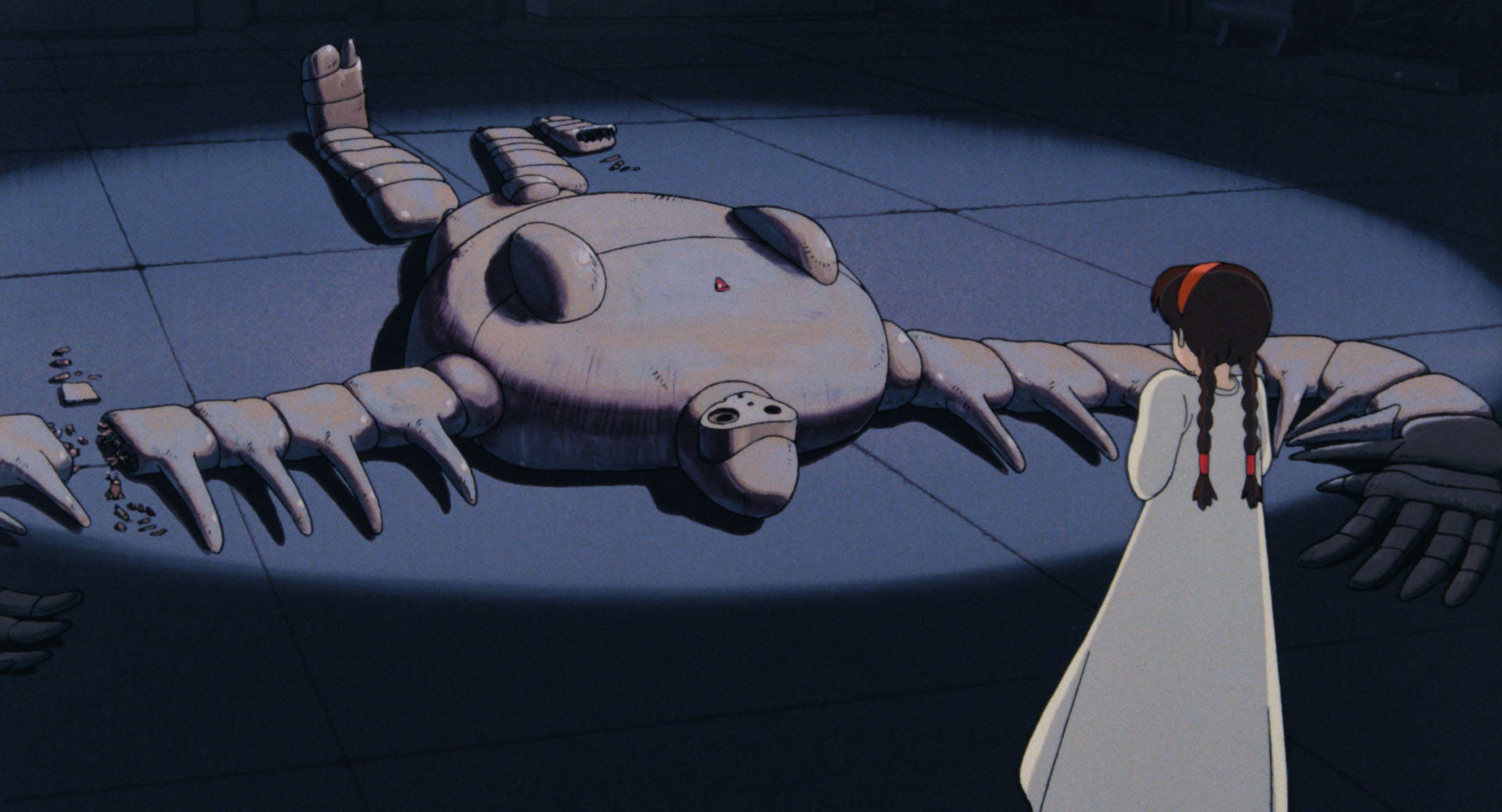
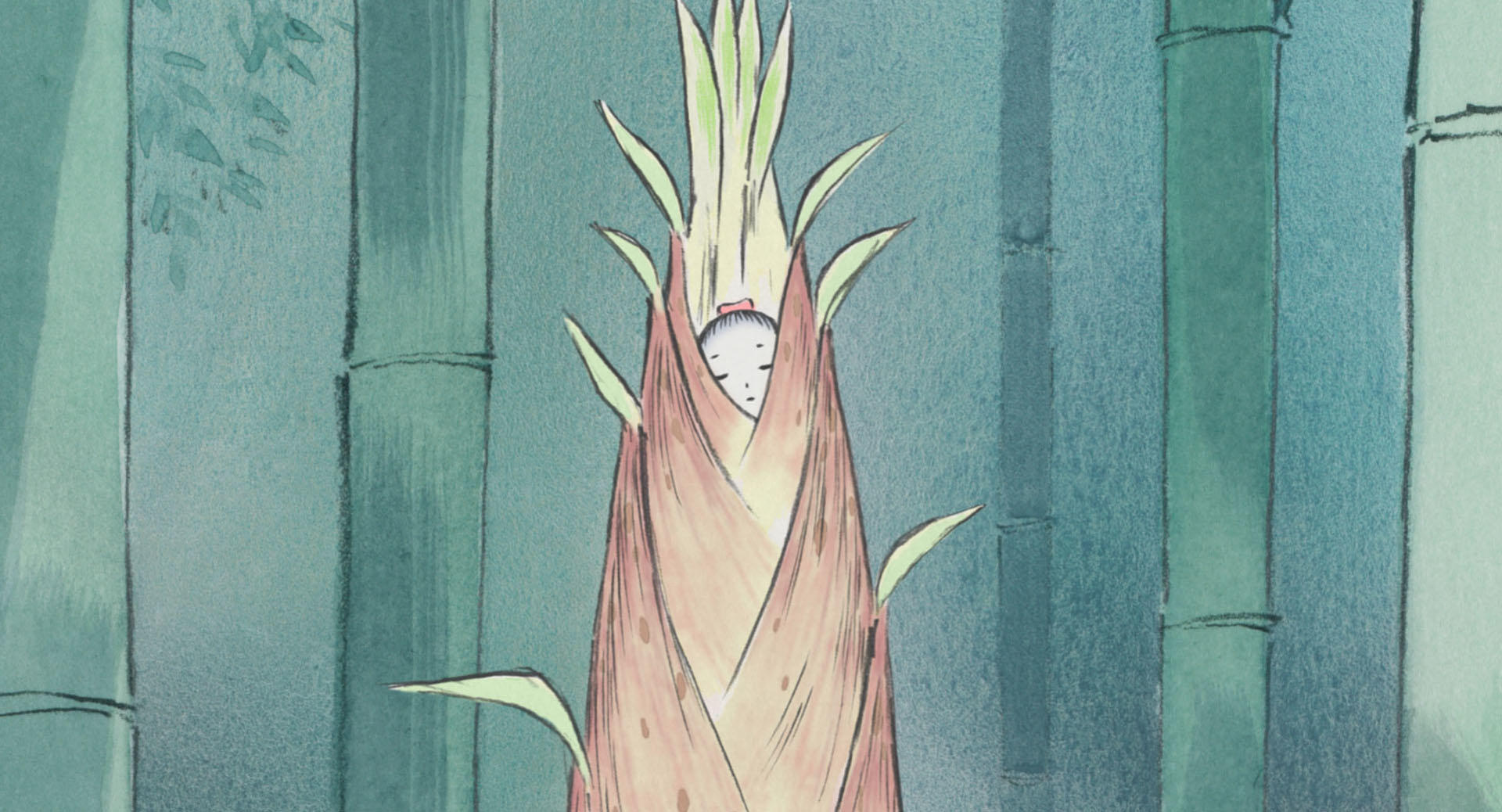
Official Studio Ghibli still for Spirited Away Ending Explained: What Chihiro’s Return Really Means
Official Studio Ghibli still from Spirited Away. Source: https://www.ghibli.jp/works/chihiro/

Quick answer: The ending is about Chihiro leaving the spirit world with her identity restored, her courage proven, and her childhood changed by a memory she may not fully keep. This guide is written as an independent, spoiler-aware fan guide for viewers who want the meaning, character context, and best next links without wading through forum theories or copied summaries.

If you are building a first-watch or rewatch path, keep our Studio Ghibli movies in order guide open as a companion. Spirited Away Ending Explained: What Chihiro’s Return Really Means sits inside a much wider Ghibli pattern: ordinary people cross into emotionally heightened worlds, and the ending usually resolves a feeling rather than tying every detail into a neat plot diagram.

What the ending of Spirited Away is really about

Spirited Away ends with a deceptively simple escape, but the emotional point is larger than “did it really happen?” Chihiro begins as a frightened child whose name, family, and confidence are stripped away. By the final test she can recognize what does not belong, trust what she has learned, and walk forward without turning back.

The important thing is not to reduce the ending of Spirited Away to a single trivia answer. Ghibli stories often work like memories: a place, a creature, a spell, or a parting image carries several meanings at once. That is why fans keep searching for explanations years after watching Spirited Away. A good interpretation should explain the scene, but it should also preserve the emotional mystery that makes the film linger.

Spoiler-light context before the deeper reading

The final stretch matters because every earlier trial has trained Chihiro to pay attention: names can be stolen, greed can deform people, kindness can rescue a monster, and work can become a way to survive without losing yourself.

  • Chihiro remembers who she is even after being renamed Sen.
  • Haku’s true identity links memory, rivers, and gratitude.
  • Yubaba’s last test is less about logic than emotional recognition.
  • The tunnel exit frames growing up as a one-way crossing.

The deeper interpretation

The parents’ rescue is not just a plot reward; it proves Chihiro did not internalize the greed that trapped them. She returns to them, but she is no longer the same child who entered the tunnel.

Haku’s promise that they will meet again works like many Ghibli promises: emotionally true even if the literal future is uncertain. The film cares less about a sequel-like reunion than about the fact that Chihiro has been changed by being loved and trusted.

The instruction not to look back gives the ending its fairy-tale power. Looking back would mean clinging to proof. Chihiro has to carry the experience forward without demanding that the ordinary world validate it.

Why fans keep asking about it

Fans keep debating the ending because it is clear emotionally but open literally. The film gives enough evidence to support a real supernatural adventure, yet it also feels like a childhood threshold that adults can barely explain afterward.

Part of the ongoing appeal is that Ghibli rarely gives viewers a lecture. The films trust children, adults, and repeat viewers to notice different layers. A younger viewer may remember the creature design or the adventure; an adult may notice grief, burnout, environmental loss, loneliness, or the ache of growing up. That multi-level design is exactly why character and ending guides can be useful without flattening the film.

How to watch this part on a rewatch

On a rewatch, focus less on plot mechanics and more on what Chihiro notices. Watch her posture, her voice, and how often she chooses compassion before she has certainty.

Questions to ask while rewatching

  • What does the ending of Spirited Away reveal about fear, courage, or identity?
  • Which details are shown visually instead of explained in dialogue?
  • How does the music change the emotional meaning of the scene?
  • What does the film leave unresolved, and is that ambiguity part of the point?

FAQ

Does Chihiro remember the spirit world?

The film leaves this ambiguous. She may not remember every event consciously, but the hair tie and her changed confidence suggest the experience remains with her.

Why can Chihiro identify that none of the pigs are her parents?

Because she has learned to see past surface appearances and trust her intuition instead of panicking.

Is the ending sad or happy?

It is happy, but bittersweet. Chihiro saves her parents and leaves safely, while the spirit world becomes a formative memory she cannot fully take with her.

Image note: Featured imagery on this page uses official Studio Ghibli stills from ghibli.jp, whose work pages include the usage notice 「※画像は常識の範囲でご自由にお使いください。」

Best Kiki’s Delivery Service Gifts: Thoughtful Ideas for Kiki and Jiji Fans

0
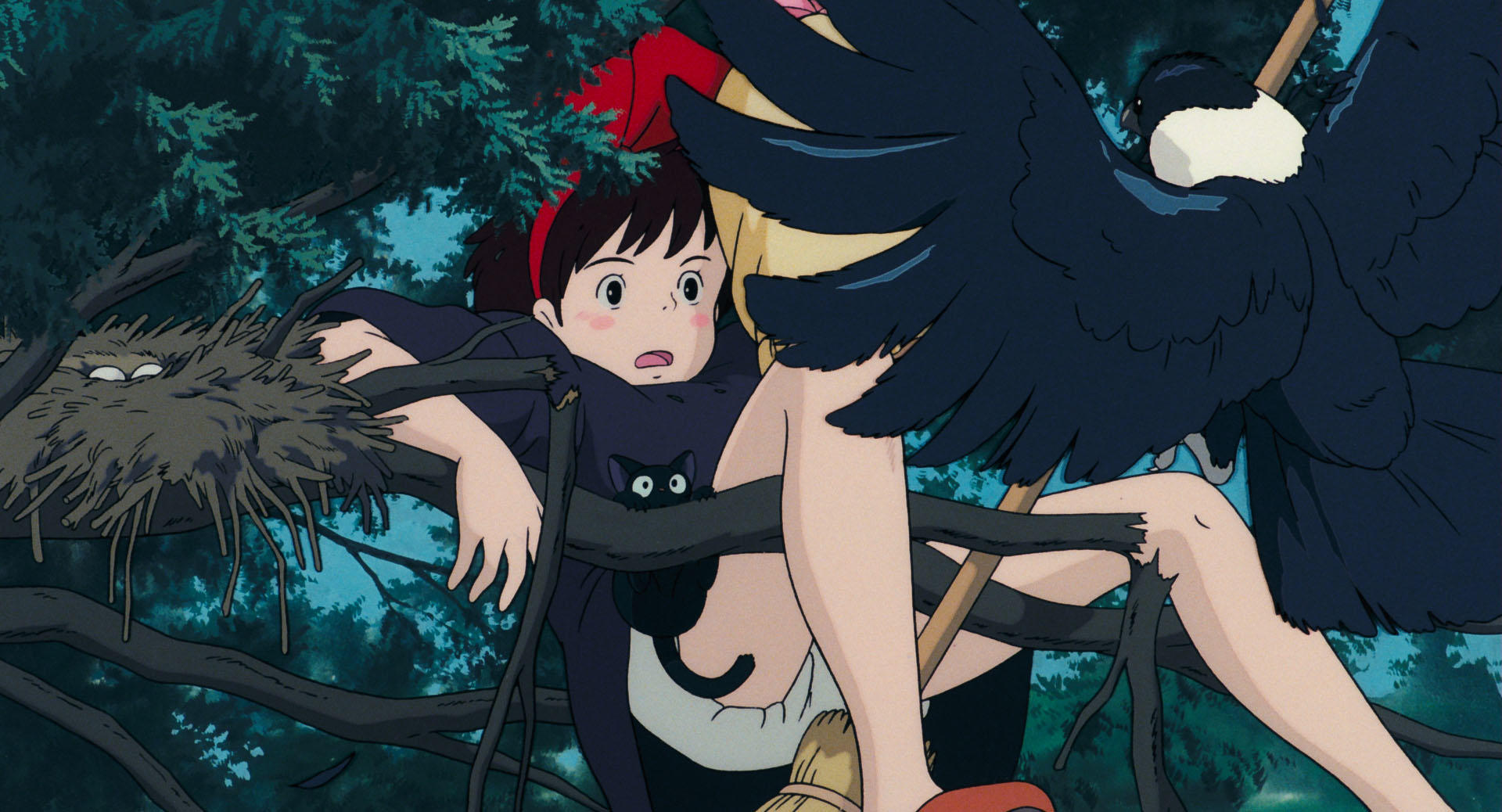
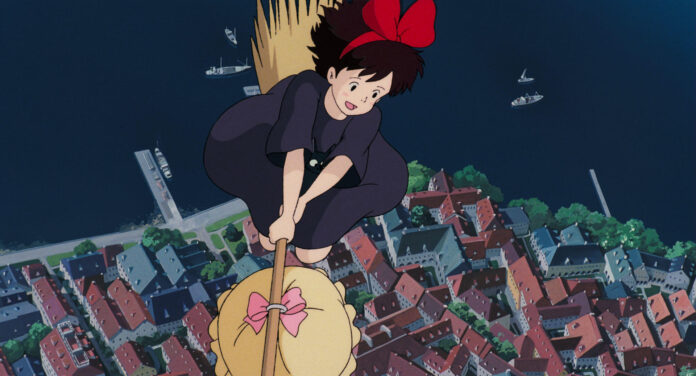
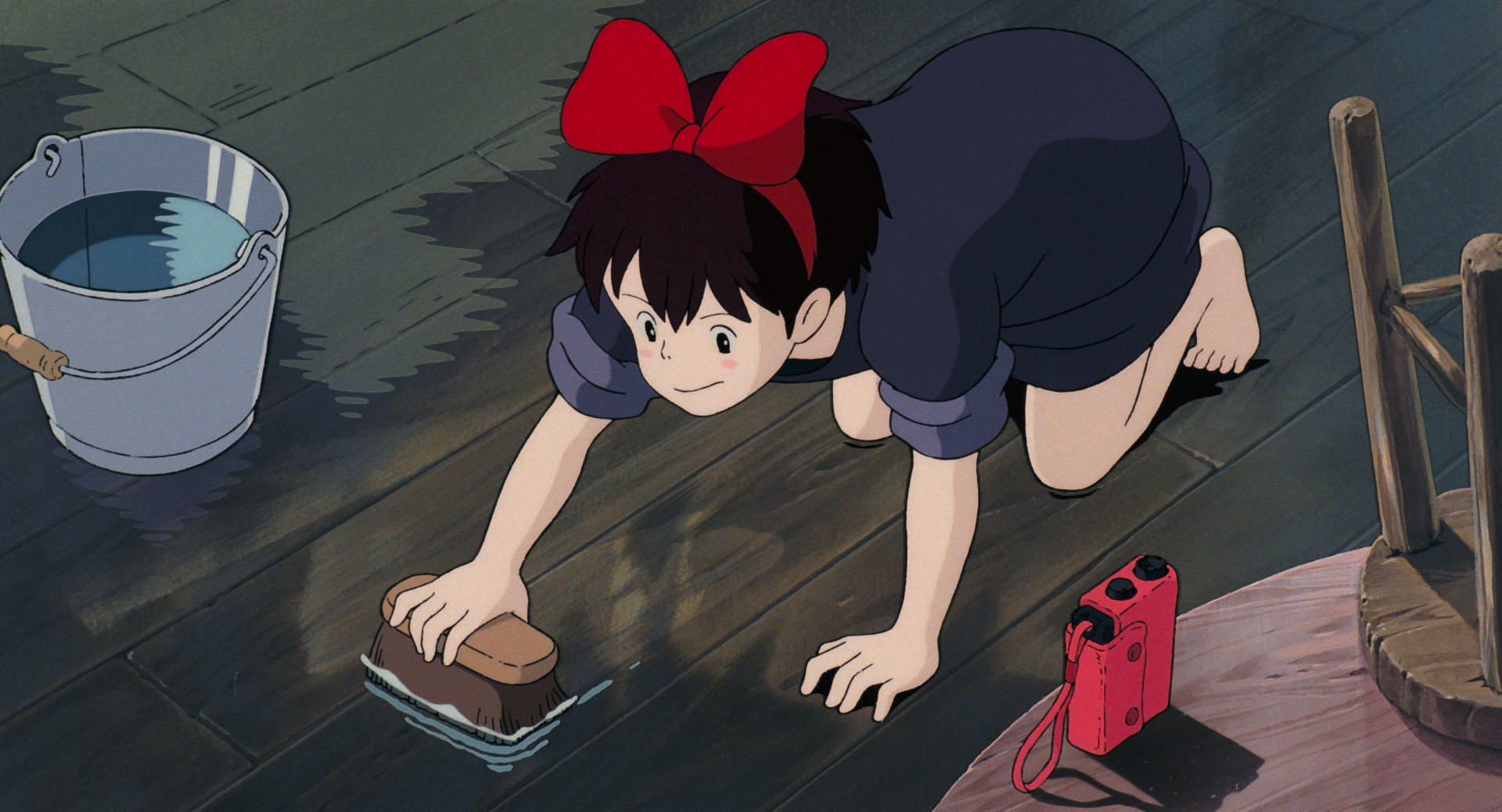
Official Studio Ghibli still for Best Kiki’s Delivery Service Gifts: Thoughtful Ideas for Kiki and Jiji Fans
Official Studio Ghibli still, used within the common-sense usage notice on ghibli.jp.

This guide is for viewers searching for a useful, spoiler-light answer about Kiki gifts. The short version: Kiki gifts matters because Studio Ghibli turns cat-themed gifts, bakery vibes, practical bags, stationery, and new beginnings into something visible, emotional, and easy to remember after the credits. Instead of treating the idea as trivia, this page explains what to watch for and how the guide fits into a larger Ghibli watch plan.

Quick answer

Kiki gifts works because the film connects a big feeling to small actions: looking, waiting, eating, travelling, helping, refusing, cleaning, flying, or staying quiet. In Kiki’s Delivery Service, those actions carry meaning without the movie needing to stop and explain itself. That is one reason Ghibli films remain approachable for new viewers and still rewarding for adults on a rewatch.

Why fans keep asking about it

Fan questions around Kiki gifts usually come from the same place: the film feels clear emotionally but open symbolically. Viewers understand the mood immediately, then later realise there are deeper patterns underneath. The best reading is not a single hidden code. It is a layered way of seeing how character, place, work, food, weather, machines, and magic all point toward cat-themed gifts, bakery vibes, practical bags, stationery, and new beginnings.

That openness is especially useful for a fan-guide site because it lets different viewers enter from different directions. A parent may want age guidance. A beginner may want a clean starting point. A collector may want a gift idea. A longtime fan may want language for something they have felt for years but never named.

What to notice on a rewatch

On a rewatch, pay attention to the first scene that frames Kiki gifts, then compare it with the last scene that changes your understanding. Ghibli often builds meaning through contrast: noise against quiet, home against wilderness, comfort against danger, power against care, and fantasy against ordinary routine. Those contrasts are where the film becomes more than a pretty sequence of images.

Also watch the background. A Ghibli environment is rarely just decoration. A forest, bathhouse, bakery, castle, ocean road, mining town, or abandoned machine carries memory. Characters move through places shaped by previous choices, which gives even gentle scenes a sense of consequence.

Buying advice

The best Kiki gifts are not just items with a logo. They connect to why the recipient loves Kiki’s Delivery Service. Look for official licensing where possible, clear product photos, sensible dimensions, and designs that fit the fan’s taste. A smaller well-made object often beats a larger novelty item that will not be used or displayed.

Related guides

For a broader path through the catalogue, start with the Studio Ghibli movies in order guide. As this site grows, this page will connect into the character guides, movie guides, rankings, and gift guides that help different kinds of fans find the right next article.

FAQ

Is this spoiler-light?

Yes. It gives interpretation and viewing context without replacing the experience of watching the film.

Where should beginners start?

Most beginners do well with My Neighbor Totoro, Kiki’s Delivery Service, Spirited Away, or Howl’s Moving Castle, then branch into Princess Mononoke or Castle in the Sky when they want bigger stakes.

Why do Ghibli films invite so many readings?

Because they are specific in feeling and generous in symbolism. They let viewers notice new details without making the first watch feel like homework.

Image source note

Featured image: official Studio Ghibli still from ghibli.jp. The official work pages include the usage notice: ※画像は常識の範囲でご自由にお使いください。

Editorial note: this article is original fan-guide commentary and does not copy Reddit posts, forum comments, or third-party articles.

How this page will be expanded next

This guide is intentionally built as a useful live foundation rather than a thin placeholder. The next editorial pass can add more film-specific examples, comparison links, product recommendations where appropriate, and screenshots from the same official Studio Ghibli image source policy. That makes the page easier to improve over time without changing its search intent or confusing readers who arrive from a specific question.

For now, the most useful way to read it is as a practical entry point. It gives the quick answer first, explains why fans care, points to details worth noticing, and links back into the wider watch-order structure. As more movie hubs, character pages, and rankings are added, this page should become part of a stronger internal-link cluster rather than a standalone article floating on its own.

Best Howl’s Moving Castle Gifts: Ideas for Howl, Sophie, and Calcifer Fans

0
Official Studio Ghibli still for Howl Character Guide: Vanity, Cowardice, Courage, and the Moving Castle
Official Studio Ghibli image from ghibli.jp (Howl’s Moving Castle).

This guide is for viewers searching for a useful, spoiler-light answer about Howl gifts. The short version: Howl gifts matters because Studio Ghibli turns romantic prints, fire-demon accents, books, jewelry-style pieces, and story meaning into something visible, emotional, and easy to remember after the credits. Instead of treating the idea as trivia, this page explains what to watch for and how the guide fits into a larger Ghibli watch plan.

Quick answer

Howl gifts works because the film connects a big feeling to small actions: looking, waiting, eating, travelling, helping, refusing, cleaning, flying, or staying quiet. In Howl’s Moving Castle, those actions carry meaning without the movie needing to stop and explain itself. That is one reason Ghibli films remain approachable for new viewers and still rewarding for adults on a rewatch.

Why fans keep asking about it

Fan questions around Howl gifts usually come from the same place: the film feels clear emotionally but open symbolically. Viewers understand the mood immediately, then later realise there are deeper patterns underneath. The best reading is not a single hidden code. It is a layered way of seeing how character, place, work, food, weather, machines, and magic all point toward romantic prints, fire-demon accents, books, jewelry-style pieces, and story meaning.

That openness is especially useful for a fan-guide site because it lets different viewers enter from different directions. A parent may want age guidance. A beginner may want a clean starting point. A collector may want a gift idea. A longtime fan may want language for something they have felt for years but never named.

What to notice on a rewatch

On a rewatch, pay attention to the first scene that frames Howl gifts, then compare it with the last scene that changes your understanding. Ghibli often builds meaning through contrast: noise against quiet, home against wilderness, comfort against danger, power against care, and fantasy against ordinary routine. Those contrasts are where the film becomes more than a pretty sequence of images.

Also watch the background. A Ghibli environment is rarely just decoration. A forest, bathhouse, bakery, castle, ocean road, mining town, or abandoned machine carries memory. Characters move through places shaped by previous choices, which gives even gentle scenes a sense of consequence.

Buying advice

The best Howl gifts are not just items with a logo. They connect to why the recipient loves Howl’s Moving Castle. Look for official licensing where possible, clear product photos, sensible dimensions, and designs that fit the fan’s taste. A smaller well-made object often beats a larger novelty item that will not be used or displayed.

Related guides

For a broader path through the catalogue, start with the Studio Ghibli movies in order guide. As this site grows, this page will connect into the character guides, movie guides, rankings, and gift guides that help different kinds of fans find the right next article.

FAQ

Is this spoiler-light?

Yes. It gives interpretation and viewing context without replacing the experience of watching the film.

Where should beginners start?

Most beginners do well with My Neighbor Totoro, Kiki’s Delivery Service, Spirited Away, or Howl’s Moving Castle, then branch into Princess Mononoke or Castle in the Sky when they want bigger stakes.

Why do Ghibli films invite so many readings?

Because they are specific in feeling and generous in symbolism. They let viewers notice new details without making the first watch feel like homework.

Image source note

Featured image: official Studio Ghibli still from ghibli.jp. The official work pages include the usage notice: ※画像は常識の範囲でご自由にお使いください。

Editorial note: this article is original fan-guide commentary and does not copy Reddit posts, forum comments, or third-party articles.

How this page will be expanded next

This guide is intentionally built as a useful live foundation rather than a thin placeholder. The next editorial pass can add more film-specific examples, comparison links, product recommendations where appropriate, and screenshots from the same official Studio Ghibli image source policy. That makes the page easier to improve over time without changing its search intent or confusing readers who arrive from a specific question.

For now, the most useful way to read it is as a practical entry point. It gives the quick answer first, explains why fans care, points to details worth noticing, and links back into the wider watch-order structure. As more movie hubs, character pages, and rankings are added, this page should become part of a stronger internal-link cluster rather than a standalone article floating on its own.

Best No-Face Gifts: Spirited Away Ideas for Fans of the Quiet Spirit

0
Official Studio Ghibli still for Coziest Studio Ghibli Movies Ranked by Comfort, Food, and Rewatch Warmth
Official Studio Ghibli image from ghibli.jp (Spirited Away).

This guide is for viewers searching for a useful, spoiler-light answer about No-Face gifts. The short version: No-Face gifts matters because Studio Ghibli turns subtle desk items, cozy merch, masks, mugs, collectibles, and avoiding clutter into something visible, emotional, and easy to remember after the credits. Instead of treating the idea as trivia, this page explains what to watch for and how the guide fits into a larger Ghibli watch plan.

Quick answer

No-Face gifts works because the film connects a big feeling to small actions: looking, waiting, eating, travelling, helping, refusing, cleaning, flying, or staying quiet. In Spirited Away, those actions carry meaning without the movie needing to stop and explain itself. That is one reason Ghibli films remain approachable for new viewers and still rewarding for adults on a rewatch.

Why fans keep asking about it

Fan questions around No-Face gifts usually come from the same place: the film feels clear emotionally but open symbolically. Viewers understand the mood immediately, then later realise there are deeper patterns underneath. The best reading is not a single hidden code. It is a layered way of seeing how character, place, work, food, weather, machines, and magic all point toward subtle desk items, cozy merch, masks, mugs, collectibles, and avoiding clutter.

That openness is especially useful for a fan-guide site because it lets different viewers enter from different directions. A parent may want age guidance. A beginner may want a clean starting point. A collector may want a gift idea. A longtime fan may want language for something they have felt for years but never named.

What to notice on a rewatch

On a rewatch, pay attention to the first scene that frames No-Face gifts, then compare it with the last scene that changes your understanding. Ghibli often builds meaning through contrast: noise against quiet, home against wilderness, comfort against danger, power against care, and fantasy against ordinary routine. Those contrasts are where the film becomes more than a pretty sequence of images.

Also watch the background. A Ghibli environment is rarely just decoration. A forest, bathhouse, bakery, castle, ocean road, mining town, or abandoned machine carries memory. Characters move through places shaped by previous choices, which gives even gentle scenes a sense of consequence.

Buying advice

The best No-Face gifts are not just items with a logo. They connect to why the recipient loves Spirited Away. Look for official licensing where possible, clear product photos, sensible dimensions, and designs that fit the fan’s taste. A smaller well-made object often beats a larger novelty item that will not be used or displayed.

Related guides

For a broader path through the catalogue, start with the Studio Ghibli movies in order guide. As this site grows, this page will connect into the character guides, movie guides, rankings, and gift guides that help different kinds of fans find the right next article.

FAQ

Is this spoiler-light?

Yes. It gives interpretation and viewing context without replacing the experience of watching the film.

Where should beginners start?

Most beginners do well with My Neighbor Totoro, Kiki’s Delivery Service, Spirited Away, or Howl’s Moving Castle, then branch into Princess Mononoke or Castle in the Sky when they want bigger stakes.

Why do Ghibli films invite so many readings?

Because they are specific in feeling and generous in symbolism. They let viewers notice new details without making the first watch feel like homework.

Image source note

Featured image: official Studio Ghibli still from ghibli.jp. The official work pages include the usage notice: ※画像は常識の範囲でご自由にお使いください。

Editorial note: this article is original fan-guide commentary and does not copy Reddit posts, forum comments, or third-party articles.

How this page will be expanded next

This guide is intentionally built as a useful live foundation rather than a thin placeholder. The next editorial pass can add more film-specific examples, comparison links, product recommendations where appropriate, and screenshots from the same official Studio Ghibli image source policy. That makes the page easier to improve over time without changing its search intent or confusing readers who arrive from a specific question.

For now, the most useful way to read it is as a practical entry point. It gives the quick answer first, explains why fans care, points to details worth noticing, and links back into the wider watch-order structure. As more movie hubs, character pages, and rankings are added, this page should become part of a stronger internal-link cluster rather than a standalone article floating on its own.

Best Totoro Gifts: Cozy Ideas for My Neighbor Totoro Fans

0
Official Studio Ghibli still for Best Totoro Gifts: Cozy Ideas for My Neighbor Totoro Fans
Official Studio Ghibli still, used within the common-sense usage notice on ghibli.jp.

This guide is for viewers searching for a useful, spoiler-light answer about Totoro gifts. The short version: Totoro gifts matters because Studio Ghibli turns plushes, home goods, stationery, display pieces, and warm useful gifts into something visible, emotional, and easy to remember after the credits. Instead of treating the idea as trivia, this page explains what to watch for and how the guide fits into a larger Ghibli watch plan.

Quick answer

Totoro gifts works because the film connects a big feeling to small actions: looking, waiting, eating, travelling, helping, refusing, cleaning, flying, or staying quiet. In My Neighbor Totoro, those actions carry meaning without the movie needing to stop and explain itself. That is one reason Ghibli films remain approachable for new viewers and still rewarding for adults on a rewatch.

Why fans keep asking about it

Fan questions around Totoro gifts usually come from the same place: the film feels clear emotionally but open symbolically. Viewers understand the mood immediately, then later realise there are deeper patterns underneath. The best reading is not a single hidden code. It is a layered way of seeing how character, place, work, food, weather, machines, and magic all point toward plushes, home goods, stationery, display pieces, and warm useful gifts.

That openness is especially useful for a fan-guide site because it lets different viewers enter from different directions. A parent may want age guidance. A beginner may want a clean starting point. A collector may want a gift idea. A longtime fan may want language for something they have felt for years but never named.

What to notice on a rewatch

On a rewatch, pay attention to the first scene that frames Totoro gifts, then compare it with the last scene that changes your understanding. Ghibli often builds meaning through contrast: noise against quiet, home against wilderness, comfort against danger, power against care, and fantasy against ordinary routine. Those contrasts are where the film becomes more than a pretty sequence of images.

Also watch the background. A Ghibli environment is rarely just decoration. A forest, bathhouse, bakery, castle, ocean road, mining town, or abandoned machine carries memory. Characters move through places shaped by previous choices, which gives even gentle scenes a sense of consequence.

Buying advice

The best Totoro gifts are not just items with a logo. They connect to why the recipient loves My Neighbor Totoro. Look for official licensing where possible, clear product photos, sensible dimensions, and designs that fit the fan’s taste. A smaller well-made object often beats a larger novelty item that will not be used or displayed.

Related guides

For a broader path through the catalogue, start with the Studio Ghibli movies in order guide. As this site grows, this page will connect into the character guides, movie guides, rankings, and gift guides that help different kinds of fans find the right next article.

FAQ

Is this spoiler-light?

Yes. It gives interpretation and viewing context without replacing the experience of watching the film.

Where should beginners start?

Most beginners do well with My Neighbor Totoro, Kiki’s Delivery Service, Spirited Away, or Howl’s Moving Castle, then branch into Princess Mononoke or Castle in the Sky when they want bigger stakes.

Why do Ghibli films invite so many readings?

Because they are specific in feeling and generous in symbolism. They let viewers notice new details without making the first watch feel like homework.

Image source note

Featured image: official Studio Ghibli still from ghibli.jp. The official work pages include the usage notice: ※画像は常識の範囲でご自由にお使いください。

Editorial note: this article is original fan-guide commentary and does not copy Reddit posts, forum comments, or third-party articles.

How this page will be expanded next

This guide is intentionally built as a useful live foundation rather than a thin placeholder. The next editorial pass can add more film-specific examples, comparison links, product recommendations where appropriate, and screenshots from the same official Studio Ghibli image source policy. That makes the page easier to improve over time without changing its search intent or confusing readers who arrive from a specific question.

For now, the most useful way to read it is as a practical entry point. It gives the quick answer first, explains why fans care, points to details worth noticing, and links back into the wider watch-order structure. As more movie hubs, character pages, and rankings are added, this page should become part of a stronger internal-link cluster rather than a standalone article floating on its own.

Studio Ghibli Movies Ranked by Mood: Cozy, Epic, Sad, Weird, and Romantic

0
Official Studio Ghibli still for Studio Ghibli Movies Ranked by Mood: Cozy, Epic, Sad, Weird, and Romantic
Official Studio Ghibli still, used within the common-sense usage notice on ghibli.jp.

This guide is for viewers searching for a useful, spoiler-light answer about mood guide. The short version: mood guide matters because Studio Ghibli turns matching the film to the evening: comfort, wonder, tears, mystery, or romance into something visible, emotional, and easy to remember after the credits. Instead of treating the idea as trivia, this page explains what to watch for and how the guide fits into a larger Ghibli watch plan.

Quick answer

mood guide works because the film connects a big feeling to small actions: looking, waiting, eating, travelling, helping, refusing, cleaning, flying, or staying quiet. In Studio Ghibli, those actions carry meaning without the movie needing to stop and explain itself. That is one reason Ghibli films remain approachable for new viewers and still rewarding for adults on a rewatch.

Why fans keep asking about it

Fan questions around mood guide usually come from the same place: the film feels clear emotionally but open symbolically. Viewers understand the mood immediately, then later realise there are deeper patterns underneath. The best reading is not a single hidden code. It is a layered way of seeing how character, place, work, food, weather, machines, and magic all point toward matching the film to the evening: comfort, wonder, tears, mystery, or romance.

That openness is especially useful for a fan-guide site because it lets different viewers enter from different directions. A parent may want age guidance. A beginner may want a clean starting point. A collector may want a gift idea. A longtime fan may want language for something they have felt for years but never named.

What to notice on a rewatch

On a rewatch, pay attention to the first scene that frames mood guide, then compare it with the last scene that changes your understanding. Ghibli often builds meaning through contrast: noise against quiet, home against wilderness, comfort against danger, power against care, and fantasy against ordinary routine. Those contrasts are where the film becomes more than a pretty sequence of images.

Also watch the background. A Ghibli environment is rarely just decoration. A forest, bathhouse, bakery, castle, ocean road, mining town, or abandoned machine carries memory. Characters move through places shaped by previous choices, which gives even gentle scenes a sense of consequence.

How to use this recommendation

Rankings work best when they match the viewer, not when they pretend to be mathematically objective. Start with mood, age range, attention span, and tolerance for intensity. Totoro is better for comfort, Spirited Away for iconic wonder, Kiki for independence and burnout, Howl for romance and spectacle, and Princess Mononoke for heavier moral conflict.

Related guides

For a broader path through the catalogue, start with the Studio Ghibli movies in order guide. As this site grows, this page will connect into the character guides, movie guides, rankings, and gift guides that help different kinds of fans find the right next article.

FAQ

Is this spoiler-light?

Yes. It gives interpretation and viewing context without replacing the experience of watching the film.

Where should beginners start?

Most beginners do well with My Neighbor Totoro, Kiki’s Delivery Service, Spirited Away, or Howl’s Moving Castle, then branch into Princess Mononoke or Castle in the Sky when they want bigger stakes.

Why do Ghibli films invite so many readings?

Because they are specific in feeling and generous in symbolism. They let viewers notice new details without making the first watch feel like homework.

Image source note

Featured image: official Studio Ghibli still from ghibli.jp. The official work pages include the usage notice: ※画像は常識の範囲でご自由にお使いください。

Editorial note: this article is original fan-guide commentary and does not copy Reddit posts, forum comments, or third-party articles.

How this page will be expanded next

This guide is intentionally built as a useful live foundation rather than a thin placeholder. The next editorial pass can add more film-specific examples, comparison links, product recommendations where appropriate, and screenshots from the same official Studio Ghibli image source policy. That makes the page easier to improve over time without changing its search intent or confusing readers who arrive from a specific question.

For now, the most useful way to read it is as a practical entry point. It gives the quick answer first, explains why fans care, points to details worth noticing, and links back into the wider watch-order structure. As more movie hubs, character pages, and rankings are added, this page should become part of a stronger internal-link cluster rather than a standalone article floating on its own.

Best Fantasy Studio Ghibli Movies: Dragons, Spirits, Castles, and Forest Gods

0
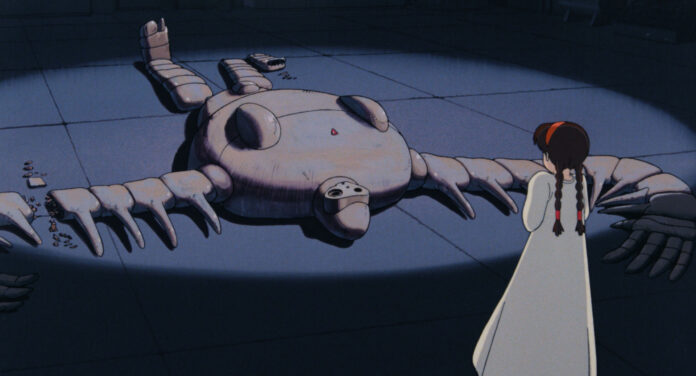
Official Studio Ghibli still for Best Fantasy Studio Ghibli Movies: Dragons, Spirits, Castles, and Forest Gods
Official Studio Ghibli still, used within the common-sense usage notice on ghibli.jp.

This guide is for viewers searching for a useful, spoiler-light answer about fantasy rankings. The short version: fantasy rankings matters because Studio Ghibli turns worldbuilding, spirits, spells, impossible vehicles, and emotional rules into something visible, emotional, and easy to remember after the credits. Instead of treating the idea as trivia, this page explains what to watch for and how the guide fits into a larger Ghibli watch plan.

Quick answer

fantasy rankings works because the film connects a big feeling to small actions: looking, waiting, eating, travelling, helping, refusing, cleaning, flying, or staying quiet. In Studio Ghibli, those actions carry meaning without the movie needing to stop and explain itself. That is one reason Ghibli films remain approachable for new viewers and still rewarding for adults on a rewatch.

Why fans keep asking about it

Fan questions around fantasy rankings usually come from the same place: the film feels clear emotionally but open symbolically. Viewers understand the mood immediately, then later realise there are deeper patterns underneath. The best reading is not a single hidden code. It is a layered way of seeing how character, place, work, food, weather, machines, and magic all point toward worldbuilding, spirits, spells, impossible vehicles, and emotional rules.

That openness is especially useful for a fan-guide site because it lets different viewers enter from different directions. A parent may want age guidance. A beginner may want a clean starting point. A collector may want a gift idea. A longtime fan may want language for something they have felt for years but never named.

What to notice on a rewatch

On a rewatch, pay attention to the first scene that frames fantasy rankings, then compare it with the last scene that changes your understanding. Ghibli often builds meaning through contrast: noise against quiet, home against wilderness, comfort against danger, power against care, and fantasy against ordinary routine. Those contrasts are where the film becomes more than a pretty sequence of images.

Also watch the background. A Ghibli environment is rarely just decoration. A forest, bathhouse, bakery, castle, ocean road, mining town, or abandoned machine carries memory. Characters move through places shaped by previous choices, which gives even gentle scenes a sense of consequence.

How to use this recommendation

Rankings work best when they match the viewer, not when they pretend to be mathematically objective. Start with mood, age range, attention span, and tolerance for intensity. Totoro is better for comfort, Spirited Away for iconic wonder, Kiki for independence and burnout, Howl for romance and spectacle, and Princess Mononoke for heavier moral conflict.

Related guides

For a broader path through the catalogue, start with the Studio Ghibli movies in order guide. As this site grows, this page will connect into the character guides, movie guides, rankings, and gift guides that help different kinds of fans find the right next article.

FAQ

Is this spoiler-light?

Yes. It gives interpretation and viewing context without replacing the experience of watching the film.

Where should beginners start?

Most beginners do well with My Neighbor Totoro, Kiki’s Delivery Service, Spirited Away, or Howl’s Moving Castle, then branch into Princess Mononoke or Castle in the Sky when they want bigger stakes.

Why do Ghibli films invite so many readings?

Because they are specific in feeling and generous in symbolism. They let viewers notice new details without making the first watch feel like homework.

Image source note

Featured image: official Studio Ghibli still from ghibli.jp. The official work pages include the usage notice: ※画像は常識の範囲でご自由にお使いください。

Editorial note: this article is original fan-guide commentary and does not copy Reddit posts, forum comments, or third-party articles.

How this page will be expanded next

This guide is intentionally built as a useful live foundation rather than a thin placeholder. The next editorial pass can add more film-specific examples, comparison links, product recommendations where appropriate, and screenshots from the same official Studio Ghibli image source policy. That makes the page easier to improve over time without changing its search intent or confusing readers who arrive from a specific question.

For now, the most useful way to read it is as a practical entry point. It gives the quick answer first, explains why fans care, points to details worth noticing, and links back into the wider watch-order structure. As more movie hubs, character pages, and rankings are added, this page should become part of a stronger internal-link cluster rather than a standalone article floating on its own.

Saddest Studio Ghibli Movies: Emotional Watches Ranked With Care

0
Official Studio Ghibli still for Totoro Character Guide: What the Forest Spirit Means in My Neighbor Totoro
Official Studio Ghibli image from ghibli.jp (My Neighbor Totoro).

This guide is for viewers searching for a useful, spoiler-light answer about sad rankings. The short version: sad rankings matters because Studio Ghibli turns loss, longing, bittersweet endings, war, family anxiety, and catharsis into something visible, emotional, and easy to remember after the credits. Instead of treating the idea as trivia, this page explains what to watch for and how the guide fits into a larger Ghibli watch plan.

Quick answer

sad rankings works because the film connects a big feeling to small actions: looking, waiting, eating, travelling, helping, refusing, cleaning, flying, or staying quiet. In Studio Ghibli, those actions carry meaning without the movie needing to stop and explain itself. That is one reason Ghibli films remain approachable for new viewers and still rewarding for adults on a rewatch.

Why fans keep asking about it

Fan questions around sad rankings usually come from the same place: the film feels clear emotionally but open symbolically. Viewers understand the mood immediately, then later realise there are deeper patterns underneath. The best reading is not a single hidden code. It is a layered way of seeing how character, place, work, food, weather, machines, and magic all point toward loss, longing, bittersweet endings, war, family anxiety, and catharsis.

That openness is especially useful for a fan-guide site because it lets different viewers enter from different directions. A parent may want age guidance. A beginner may want a clean starting point. A collector may want a gift idea. A longtime fan may want language for something they have felt for years but never named.

What to notice on a rewatch

On a rewatch, pay attention to the first scene that frames sad rankings, then compare it with the last scene that changes your understanding. Ghibli often builds meaning through contrast: noise against quiet, home against wilderness, comfort against danger, power against care, and fantasy against ordinary routine. Those contrasts are where the film becomes more than a pretty sequence of images.

Also watch the background. A Ghibli environment is rarely just decoration. A forest, bathhouse, bakery, castle, ocean road, mining town, or abandoned machine carries memory. Characters move through places shaped by previous choices, which gives even gentle scenes a sense of consequence.

How to use this recommendation

Rankings work best when they match the viewer, not when they pretend to be mathematically objective. Start with mood, age range, attention span, and tolerance for intensity. Totoro is better for comfort, Spirited Away for iconic wonder, Kiki for independence and burnout, Howl for romance and spectacle, and Princess Mononoke for heavier moral conflict.

Related guides

For a broader path through the catalogue, start with the Studio Ghibli movies in order guide. As this site grows, this page will connect into the character guides, movie guides, rankings, and gift guides that help different kinds of fans find the right next article.

FAQ

Is this spoiler-light?

Yes. It gives interpretation and viewing context without replacing the experience of watching the film.

Where should beginners start?

Most beginners do well with My Neighbor Totoro, Kiki’s Delivery Service, Spirited Away, or Howl’s Moving Castle, then branch into Princess Mononoke or Castle in the Sky when they want bigger stakes.

Why do Ghibli films invite so many readings?

Because they are specific in feeling and generous in symbolism. They let viewers notice new details without making the first watch feel like homework.

Image source note

Featured image: official Studio Ghibli still from ghibli.jp. The official work pages include the usage notice: ※画像は常識の範囲でご自由にお使いください。

Editorial note: this article is original fan-guide commentary and does not copy Reddit posts, forum comments, or third-party articles.

How this page will be expanded next

This guide is intentionally built as a useful live foundation rather than a thin placeholder. The next editorial pass can add more film-specific examples, comparison links, product recommendations where appropriate, and screenshots from the same official Studio Ghibli image source policy. That makes the page easier to improve over time without changing its search intent or confusing readers who arrive from a specific question.

For now, the most useful way to read it is as a practical entry point. It gives the quick answer first, explains why fans care, points to details worth noticing, and links back into the wider watch-order structure. As more movie hubs, character pages, and rankings are added, this page should become part of a stronger internal-link cluster rather than a standalone article floating on its own.

Coziest Studio Ghibli Movies Ranked by Comfort, Food, and Rewatch Warmth

0
Official Studio Ghibli still for Coziest Studio Ghibli Movies Ranked by Comfort, Food, and Rewatch Warmth
Official Studio Ghibli still, used within the common-sense usage notice on ghibli.jp.

This guide is for viewers searching for a useful, spoiler-light answer about cozy rankings. The short version: cozy rankings matters because Studio Ghibli turns comfort, food scenes, home spaces, low-stakes magic, and blanket-like rewatches into something visible, emotional, and easy to remember after the credits. Instead of treating the idea as trivia, this page explains what to watch for and how the guide fits into a larger Ghibli watch plan.

Quick answer

cozy rankings works because the film connects a big feeling to small actions: looking, waiting, eating, travelling, helping, refusing, cleaning, flying, or staying quiet. In Studio Ghibli, those actions carry meaning without the movie needing to stop and explain itself. That is one reason Ghibli films remain approachable for new viewers and still rewarding for adults on a rewatch.

Why fans keep asking about it

Fan questions around cozy rankings usually come from the same place: the film feels clear emotionally but open symbolically. Viewers understand the mood immediately, then later realise there are deeper patterns underneath. The best reading is not a single hidden code. It is a layered way of seeing how character, place, work, food, weather, machines, and magic all point toward comfort, food scenes, home spaces, low-stakes magic, and blanket-like rewatches.

That openness is especially useful for a fan-guide site because it lets different viewers enter from different directions. A parent may want age guidance. A beginner may want a clean starting point. A collector may want a gift idea. A longtime fan may want language for something they have felt for years but never named.

What to notice on a rewatch

On a rewatch, pay attention to the first scene that frames cozy rankings, then compare it with the last scene that changes your understanding. Ghibli often builds meaning through contrast: noise against quiet, home against wilderness, comfort against danger, power against care, and fantasy against ordinary routine. Those contrasts are where the film becomes more than a pretty sequence of images.

Also watch the background. A Ghibli environment is rarely just decoration. A forest, bathhouse, bakery, castle, ocean road, mining town, or abandoned machine carries memory. Characters move through places shaped by previous choices, which gives even gentle scenes a sense of consequence.

How to use this recommendation

Rankings work best when they match the viewer, not when they pretend to be mathematically objective. Start with mood, age range, attention span, and tolerance for intensity. Totoro is better for comfort, Spirited Away for iconic wonder, Kiki for independence and burnout, Howl for romance and spectacle, and Princess Mononoke for heavier moral conflict.

Related guides

For a broader path through the catalogue, start with the Studio Ghibli movies in order guide. As this site grows, this page will connect into the character guides, movie guides, rankings, and gift guides that help different kinds of fans find the right next article.

FAQ

Is this spoiler-light?

Yes. It gives interpretation and viewing context without replacing the experience of watching the film.

Where should beginners start?

Most beginners do well with My Neighbor Totoro, Kiki’s Delivery Service, Spirited Away, or Howl’s Moving Castle, then branch into Princess Mononoke or Castle in the Sky when they want bigger stakes.

Why do Ghibli films invite so many readings?

Because they are specific in feeling and generous in symbolism. They let viewers notice new details without making the first watch feel like homework.

Image source note

Featured image: official Studio Ghibli still from ghibli.jp. The official work pages include the usage notice: ※画像は常識の範囲でご自由にお使いください。

Editorial note: this article is original fan-guide commentary and does not copy Reddit posts, forum comments, or third-party articles.

How this page will be expanded next

This guide is intentionally built as a useful live foundation rather than a thin placeholder. The next editorial pass can add more film-specific examples, comparison links, product recommendations where appropriate, and screenshots from the same official Studio Ghibli image source policy. That makes the page easier to improve over time without changing its search intent or confusing readers who arrive from a specific question.

For now, the most useful way to read it is as a practical entry point. It gives the quick answer first, explains why fans care, points to details worth noticing, and links back into the wider watch-order structure. As more movie hubs, character pages, and rankings are added, this page should become part of a stronger internal-link cluster rather than a standalone article floating on its own.

Best Studio Ghibli Movies for Adults: Where to Start Beyond the Cute Posters

0
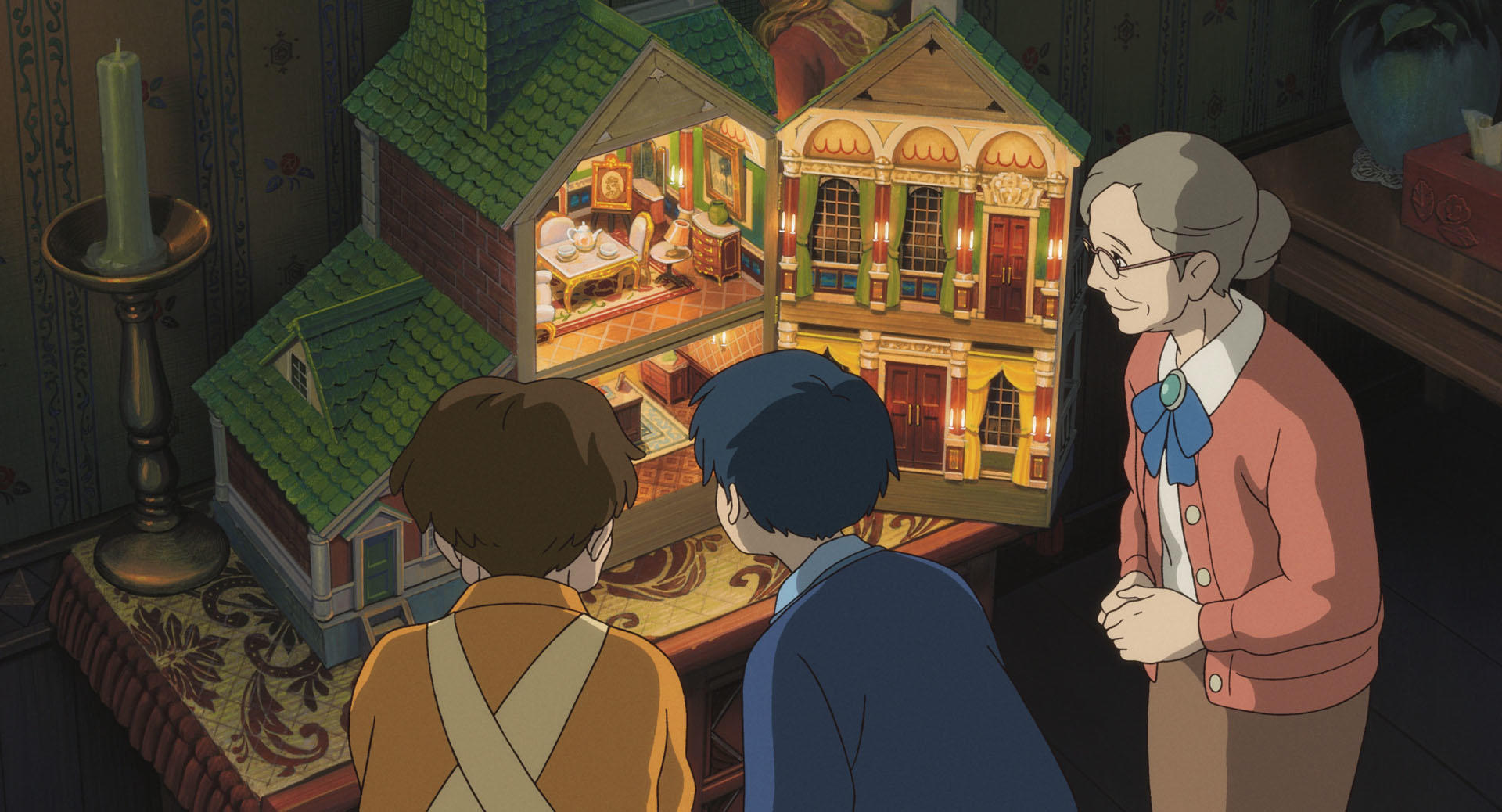
Official Studio Ghibli still for Best Studio Ghibli Movies for Adults: Where to Start Beyond the Cute Posters
Official Studio Ghibli still, used within the common-sense usage notice on ghibli.jp.

This guide is for viewers searching for a useful, spoiler-light answer about adult starter guide. The short version: adult starter guide matters because Studio Ghibli turns moral complexity, grief, work, war, memory, and rewarding rewatches into something visible, emotional, and easy to remember after the credits. Instead of treating the idea as trivia, this page explains what to watch for and how the guide fits into a larger Ghibli watch plan.

Quick answer

adult starter guide works because the film connects a big feeling to small actions: looking, waiting, eating, travelling, helping, refusing, cleaning, flying, or staying quiet. In Studio Ghibli, those actions carry meaning without the movie needing to stop and explain itself. That is one reason Ghibli films remain approachable for new viewers and still rewarding for adults on a rewatch.

Why fans keep asking about it

Fan questions around adult starter guide usually come from the same place: the film feels clear emotionally but open symbolically. Viewers understand the mood immediately, then later realise there are deeper patterns underneath. The best reading is not a single hidden code. It is a layered way of seeing how character, place, work, food, weather, machines, and magic all point toward moral complexity, grief, work, war, memory, and rewarding rewatches.

That openness is especially useful for a fan-guide site because it lets different viewers enter from different directions. A parent may want age guidance. A beginner may want a clean starting point. A collector may want a gift idea. A longtime fan may want language for something they have felt for years but never named.

What to notice on a rewatch

On a rewatch, pay attention to the first scene that frames adult starter guide, then compare it with the last scene that changes your understanding. Ghibli often builds meaning through contrast: noise against quiet, home against wilderness, comfort against danger, power against care, and fantasy against ordinary routine. Those contrasts are where the film becomes more than a pretty sequence of images.

Also watch the background. A Ghibli environment is rarely just decoration. A forest, bathhouse, bakery, castle, ocean road, mining town, or abandoned machine carries memory. Characters move through places shaped by previous choices, which gives even gentle scenes a sense of consequence.

How to use this recommendation

Rankings work best when they match the viewer, not when they pretend to be mathematically objective. Start with mood, age range, attention span, and tolerance for intensity. Totoro is better for comfort, Spirited Away for iconic wonder, Kiki for independence and burnout, Howl for romance and spectacle, and Princess Mononoke for heavier moral conflict.

Related guides

For a broader path through the catalogue, start with the Studio Ghibli movies in order guide. As this site grows, this page will connect into the character guides, movie guides, rankings, and gift guides that help different kinds of fans find the right next article.

FAQ

Is this spoiler-light?

Yes. It gives interpretation and viewing context without replacing the experience of watching the film.

Where should beginners start?

Most beginners do well with My Neighbor Totoro, Kiki’s Delivery Service, Spirited Away, or Howl’s Moving Castle, then branch into Princess Mononoke or Castle in the Sky when they want bigger stakes.

Why do Ghibli films invite so many readings?

Because they are specific in feeling and generous in symbolism. They let viewers notice new details without making the first watch feel like homework.

Image source note

Featured image: official Studio Ghibli still from ghibli.jp. The official work pages include the usage notice: ※画像は常識の範囲でご自由にお使いください。

Editorial note: this article is original fan-guide commentary and does not copy Reddit posts, forum comments, or third-party articles.

How this page will be expanded next

This guide is intentionally built as a useful live foundation rather than a thin placeholder. The next editorial pass can add more film-specific examples, comparison links, product recommendations where appropriate, and screenshots from the same official Studio Ghibli image source policy. That makes the page easier to improve over time without changing its search intent or confusing readers who arrive from a specific question.

For now, the most useful way to read it is as a practical entry point. It gives the quick answer first, explains why fans care, points to details worth noticing, and links back into the wider watch-order structure. As more movie hubs, character pages, and rankings are added, this page should become part of a stronger internal-link cluster rather than a standalone article floating on its own.

Stay connected

0FansLike
0FollowersFollow
0SubscribersSubscribe
- Advertisement -
Google search engine

Latest article

Official Studio Ghibli still for The Wind Rises Beginner Guide: Dreams, Love, and the Cost of Creation

The Wind Rises Beginner Guide: Dreams, Love, and the Cost of Creation

0
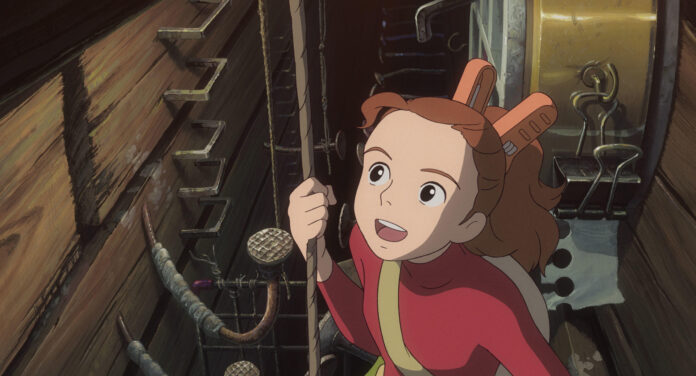
A spoiler-light beginner guide to The Wind Rises, explaining its story, themes, tone, love story and place in the Studio Ghibli catalogue.

The Secret World of Arrietty Beginner Guide: Small Story, Big Feelings

0
A spoiler-light beginner guide to The Secret World of Arrietty, covering the story, characters, tone, age suitability and where it fits in a Studio Ghibli watch order.

Saddest Studio Ghibli Movies Ranked: An Emotional Watch Guide

0
The saddest Ghibli films ranked by type of emotional impact, from historical tragedy to mythic heartbreak and gentle melancholy.