Quick answer: The ending reveals Marnie as a family memory rather than an ordinary new friend, turning the mystery into a story about inherited loneliness, grief, and learning that love can arrive late but still matter.
What the ending means
The marsh house is a threshold between Anna’s present pain and a buried family story. At first, Marnie feels like a ghostly friend from a separate fairy-tale world. By the end, the film reframes that friendship as Anna’s way of encountering family history, emotional inheritance, and a love she did not know how to recognize.
The reveal matters because it does not make Anna’s loneliness fake. Instead, it gives her loneliness context. She has felt unwanted, awkward, and separate from other people, but the truth about Marnie helps her see that pain can travel through families without being anyone’s simple fault.
Why Marnie appears to Anna
Studio Ghibli does not explain the mechanics like a rulebook. The point is emotional rather than technical: Marnie appears because Anna needs to meet a version of love, abandonment, and sadness that existed before her. The fantasy makes memory feel like a place Anna can walk into, explore, misunderstand, and finally leave with more compassion.
The marsh house as a symbol
The marsh house is beautiful, unstable, and partly inaccessible, which is exactly how memory works in the film. It draws Anna in, but it cannot become her permanent home. The tides, distance, parties, windows, and empty rooms all suggest a past that can be visited but not possessed.
Is the ending happy or sad?
It is both. The ending is sad because Marnie’s life contained real fear and abandonment, and Anna cannot simply repair the past. It is happy because Anna can stop treating herself as a problem. She leaves with a better understanding of her family, her foster mother, and her own capacity to be loved.
Details to notice on a rewatch
- Anna’s sketches show that looking carefully is the first step toward belonging.
- Marnie’s parties create fairy-tale distance before the family truth lands.
- The silo scene turns childhood fear into shared vulnerability.
- The final goodbye is not rejection; it is permission to live forward.
How it connects to other Ghibli films
Like many Studio Ghibli stories, this film treats childhood as emotionally serious. Pair it with the site’s beginner watch guide and broader movie guides when building a thoughtful viewing path.
Bottom line
When Marnie Was There ends by turning a ghost-story mystery into a family-memory story. Anna is not rescued by a neat explanation; she is changed by a relationship that helps her understand where pain came from and why love can still be trusted.
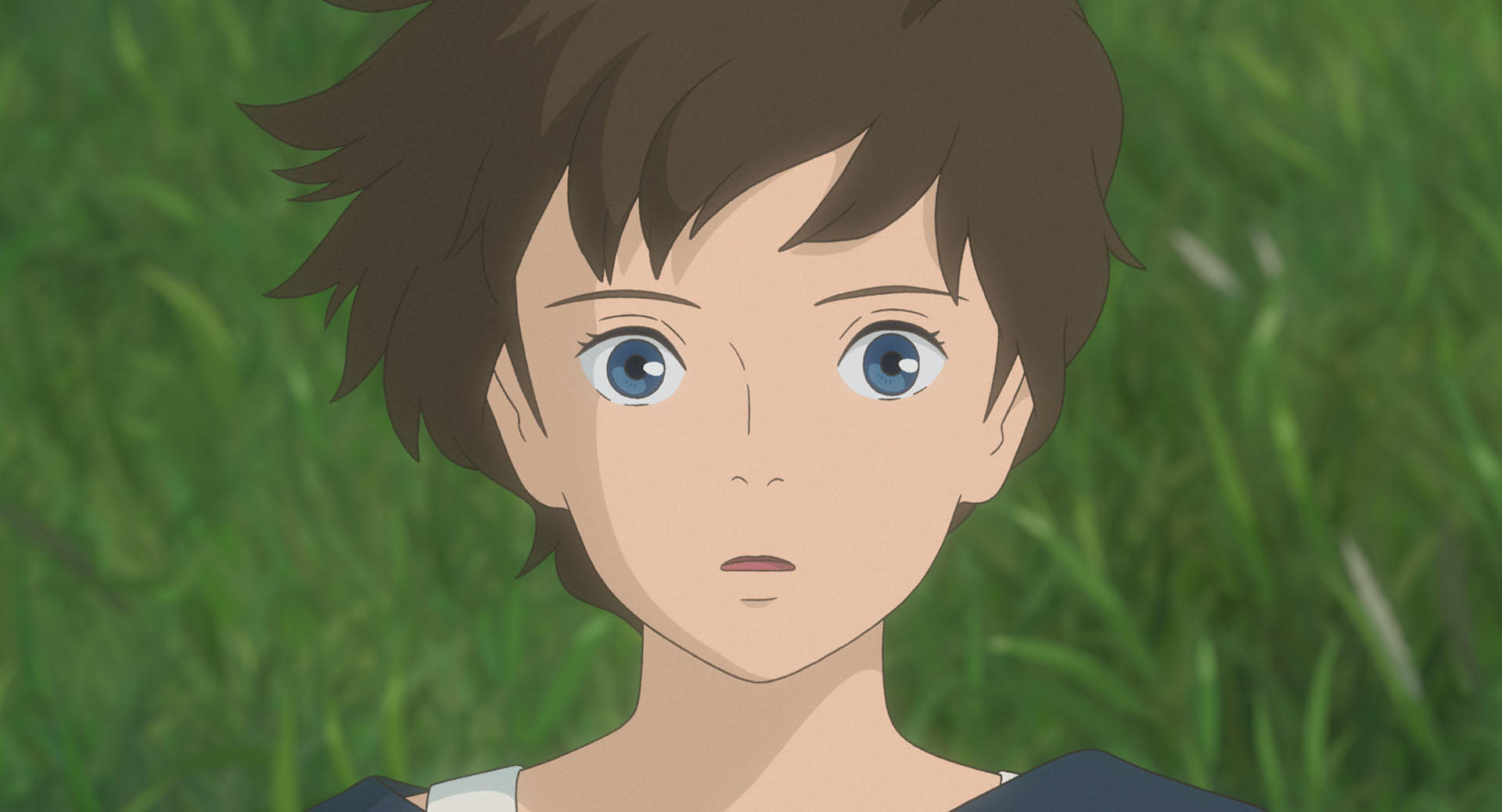
Image source note: featured image uses an official Studio Ghibli still. Studio Ghibli’s official work pages include the usage notice “※画像は常識の範囲でご自由にお使いください.” Source: ghibli.jp.
How to use this guide
This page is meant to answer the main search question quickly, then give enough context for a useful rewatch. For When Marnie Was There, the most important details are rarely delivered as exposition. They appear in food, rooms, weather, work, names, gestures, music, and the small pauses before a character decides what to do next.
If you are new to Studio Ghibli, treat this as a practical doorway rather than homework. Watch the film once for feeling, then return to the guide for structure. If you are already a fan, use the sections as prompts for noticing how carefully the scene craft supports the emotion.
Related viewing path
After this, browse the Studio Ghibli movies-in-order guide, the site’s watch guides, character explainers, and ranking pages. Ghibli films usually stand alone, so the best next watch depends on mood: cosy, strange, romantic, ecological, sad, adventurous, or dreamlike.
Editorial note
This article is original fan-guide analysis. It uses official Studio Ghibli imagery only and avoids rehosting Reddit, Pinterest, Google Images, or fan-site images. Fan discussions can reveal what viewers are curious about, but the interpretation here is written from the films themselves.
Rewatch checklist
On a rewatch, pay attention to the film’s small practical details: meals, doors, journeys, weather, rooms, clothing, names, tools, animals, and pauses before decisions. Studio Ghibli often puts the strongest emotional information in ordinary actions rather than in speeches. A character making tea, walking through rain, cleaning a room, or choosing not to answer can matter as much as a magical event.
This is also why the same Ghibli film can feel different at different ages. Children may remember the creature, chase, spell, or joke; adult viewers may notice work, grief, money, illness, family pressure, ecological damage, or the cost of leaving home. The best interpretation leaves room for both reactions.
Who this page is for
Use this guide if you are choosing what to watch next, explaining the film after a first viewing, or building a themed Studio Ghibli marathon. The aim is not to replace the movie with analysis. The aim is to make the next watch more attentive, more emotionally specific, and easier to connect with the rest of the Ghibli catalogue.
Why the marsh house matters
The marsh house is not just a pretty location in When Marnie Was There. It works like a memory container. Anna sees it from the outside first, then slowly moves closer as she becomes ready to face the feelings she has been protecting herself from. That is why the house feels inviting and unsettling at the same time. It belongs to the landscape, but it also feels slightly out of time.
For viewers trying to understand the ending, the important detail is that the film is not asking us to solve Marnie like a puzzle box. It is asking us to notice how grief, loneliness, family stories, and imagination can overlap for a child who does not yet have the words for what she feels. The reveal matters because it gives Anna a family history, but the emotional payoff is simpler: she learns that she was not unwanted, and that love can reach her even through an imperfect past.
Image source note: this article uses an official Studio Ghibli still made available through ghibli.jp, where the studio asks that images be used within common-sense bounds.