Quick answer: Spirited Away’s strongest symbols are practical before they are hidden: food reveals appetite, names protect identity, water cleanses memory, and the bathhouse turns work into a test of selfhood.
This guide is part of the StudioGhibliMovies.com authority build: clear answers first, deeper interpretation second, official Studio Ghibli imagery, and internal links that help readers move through characters, endings, rankings, and watch guides.
At a glance
- Main search intent: Spirited Away Symbols Explained: Food, Names, Water, and the Bathhouse
- Best for: viewers who want an explanation without losing the feeling of the film.
- Related path: characters, ending explainers, and watch-order guides.
Why Spirited Away feels symbolic
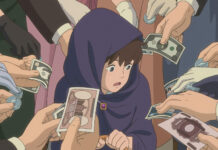
Spirited Away feels full of symbols because its fantasy world is built from rules that behave emotionally. Eating can transform you. A name can trap you. A bath can reveal a polluted river spirit. Gold can make people forget judgement. The symbols work because they are also plot actions.
That reading stays close to the film rather than turning the detail into trivia. Ghibli storytelling often makes meaning through routine actions — eating, cleaning, travelling, naming, waiting, and caring for someone under pressure. The more closely you watch those actions, the clearer the character or symbol becomes.
Food and appetite
Food is one of the film’s clearest warning signs. Chihiro’s parents eat without permission and become pigs. No-Face offers gold and food until appetite turns monstrous. Shared food can also comfort and restore, which keeps the symbol from being one-note.
That reading stays close to the film rather than turning the detail into trivia. Ghibli storytelling often makes meaning through routine actions — eating, cleaning, travelling, naming, waiting, and caring for someone under pressure. The more closely you watch those actions, the clearer the character or symbol becomes.
Names and identity
Yubaba’s name theft makes identity concrete. Chihiro becoming Sen shows how a workplace, contract, or system can reduce a person to a function. Remembering a name becomes an act of resistance.
That reading stays close to the film rather than turning the detail into trivia. Ghibli storytelling often makes meaning through routine actions — eating, cleaning, travelling, naming, waiting, and caring for someone under pressure. The more closely you watch those actions, the clearer the character or symbol becomes.
Water, cleansing, and memory
The bathhouse setting lets water carry multiple meanings: labour, purification, pollution, memory, and release. The river spirit sequence is not just gross-out comedy; it is a miniature environmental story about what humans dump into the sacred and then forget.
That reading stays close to the film rather than turning the detail into trivia. Ghibli storytelling often makes meaning through routine actions — eating, cleaning, travelling, naming, waiting, and caring for someone under pressure. The more closely you watch those actions, the clearer the character or symbol becomes.
How to watch this on a rewatch
On a rewatch, pause less on plot mechanics and more on repeated behaviour. Notice who pays attention, who uses power carelessly, who remembers a name, who changes after receiving kindness, and who treats the natural world as alive rather than decorative. Those observations usually reveal more than a single hidden-symbol explanation.
Related guides
Keep exploring with the movies-in-order guide, the best movies to watch first list, and the connected Studio Ghibli movies explainer.
FAQ
Is this the only interpretation?
No. It is a grounded reading based on what the film shows. Ghibli films are generous enough to support multiple emotional readings without becoming random puzzle boxes.
Should new viewers read this before watching?
For character and symbol guides, it is usually better after a first viewing. If you are choosing where to start, use the beginner watch guide first.
Why include this topic on the site?
Because strong fan-guide architecture needs more than movie summaries. Character, symbol, gift, ranking, and ending pages answer the real questions people search after a film stays in their head.
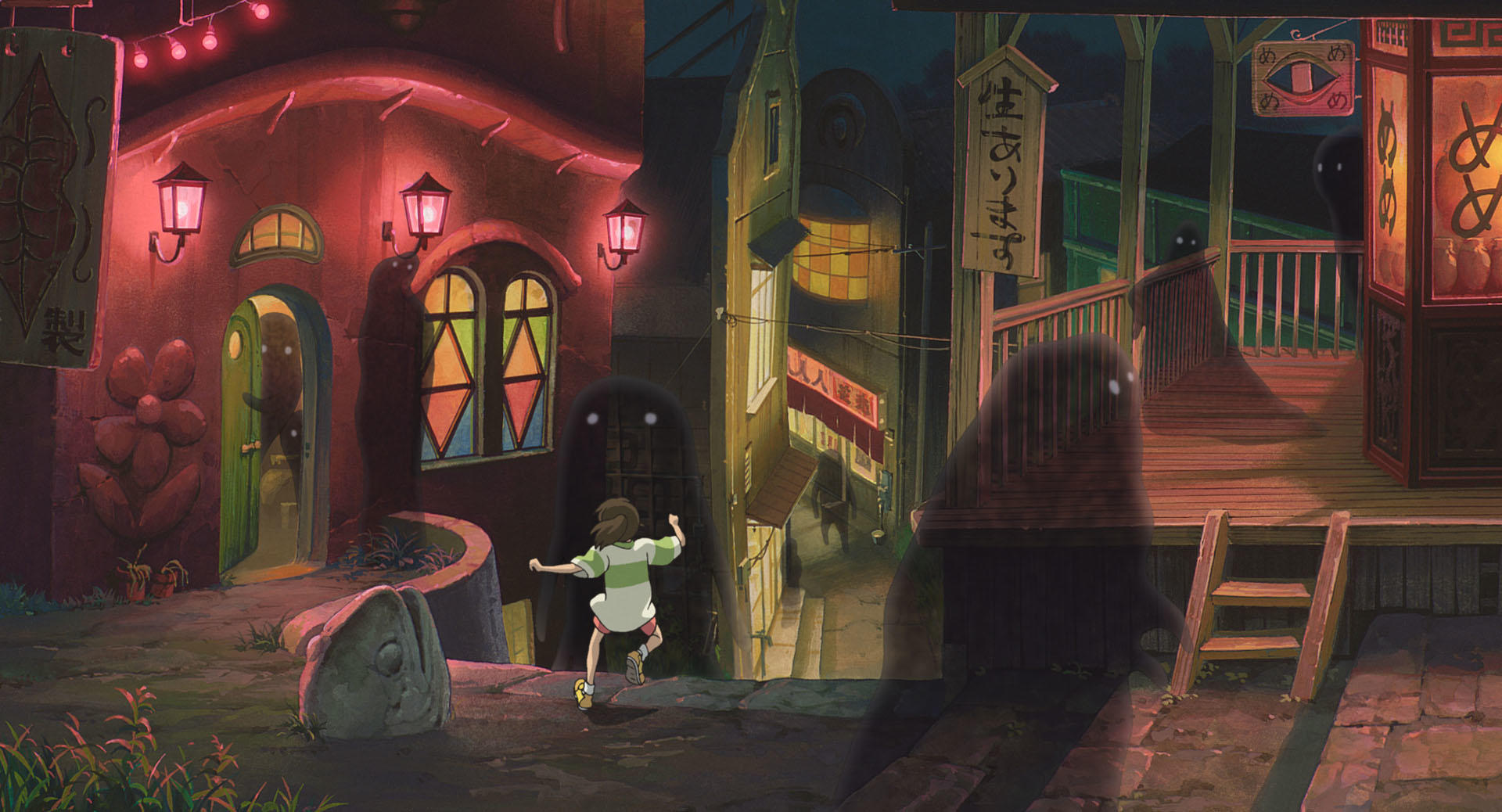
Image note: Featured imagery for this article uses official Studio Ghibli stills sourced from ghibli.jp. Studio Ghibli’s official image pages include the common-sense usage notice: ※画像は常識の範囲でご自由にお使いください。
Why fans keep coming back to this question
The question stays alive because the film gives enough clarity to be emotionally satisfying and enough openness to reward another viewing. A good guide should respect both sides: answer the search query plainly, then point readers toward the next detail worth noticing.
Additional reader guidance
For readers arriving from Google, the most important thing is a direct answer followed by useful context. This section adds that final layer: how the topic should shape a watch choice, rewatch, or buying decision. Studio Ghibli fans often search after a scene or character stays with them, so the page should help them name what they noticed and then move naturally to a related film, character, or guide.
When using this guide, treat it as a companion rather than a replacement for the film. The strongest Ghibli details work through rhythm, music, composition, and small gestures. A good explanation points you back to those moments with better questions: who is being cared for, who is using power, what has been forgotten, and what kind of freedom the story is protecting.
How these symbols work together
The most useful way to read Spirited Away is not to isolate one symbol and treat it as the answer. Food, names, water, work, and the bathhouse all push Chihiro through the same lesson from different angles. Food shows temptation and appetite. Names show identity and control. Water marks crossing points, cleansing, and return. The bathhouse turns the spirit world into a workplace where everything has rules, debts, and hidden costs.
That is why Chihiro’s growth feels earned rather than explained. She does not win by understanding every symbol academically. She wins by acting with care inside a confusing system: remembering Haku’s name, helping a polluted river spirit, refusing No-Face’s false generosity, and trusting her own memory at the end.
Image source note: official Studio Ghibli still via ghibli.jp, used within the studio’s common-sense image guidance.