

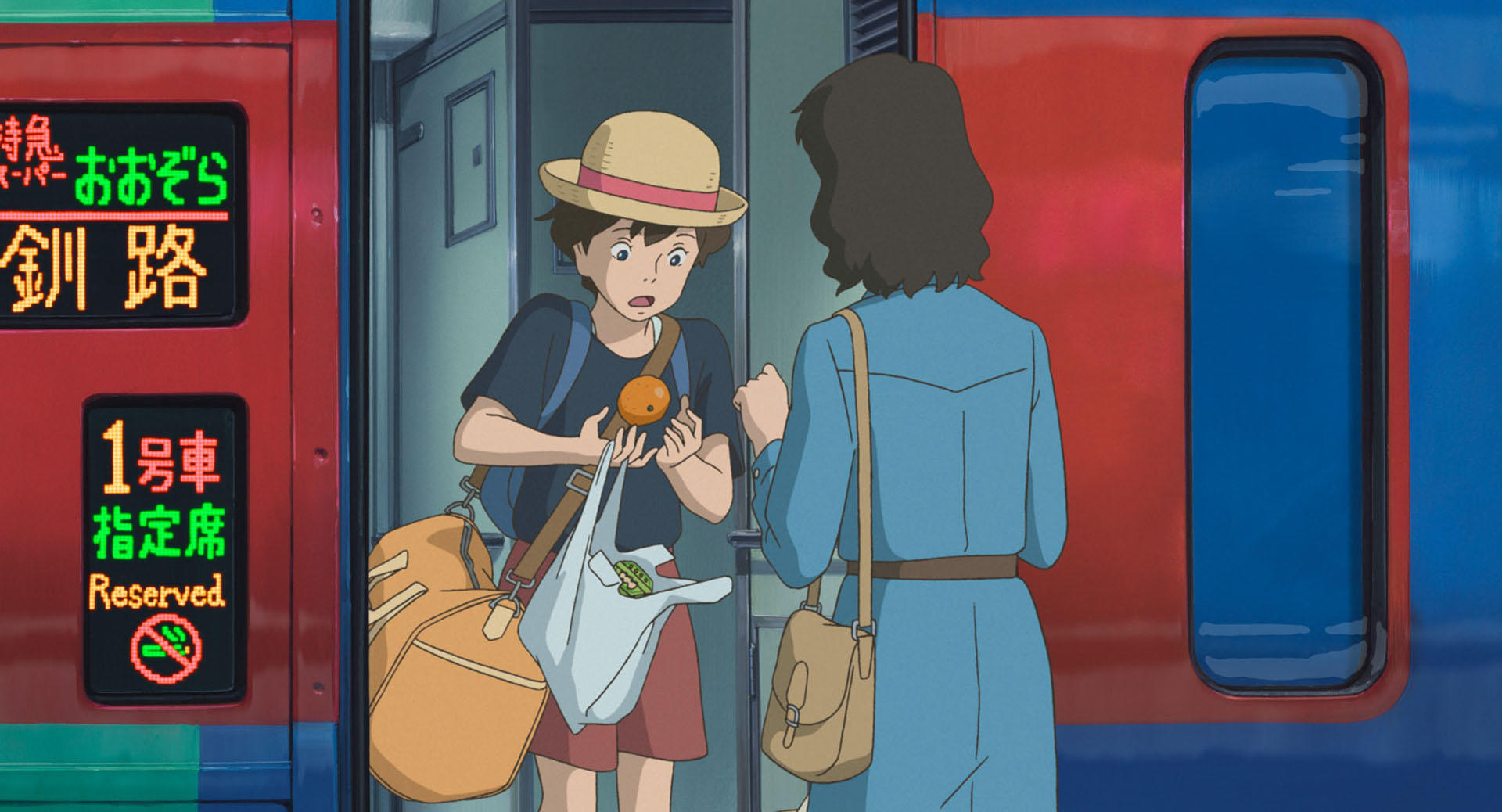
Quick answer: When Marnie Was There is one of Studio Ghibli’s quietest and most emotionally direct films. It is best for viewers who want a gentle mystery, a story about loneliness and healing, and a Ghibli movie that feels intimate rather than adventurous. It is not the obvious first pick for very young children, but it can be a beautiful next step for families, teens, and adults who already like the studio’s softer films.
What is When Marnie Was There about?
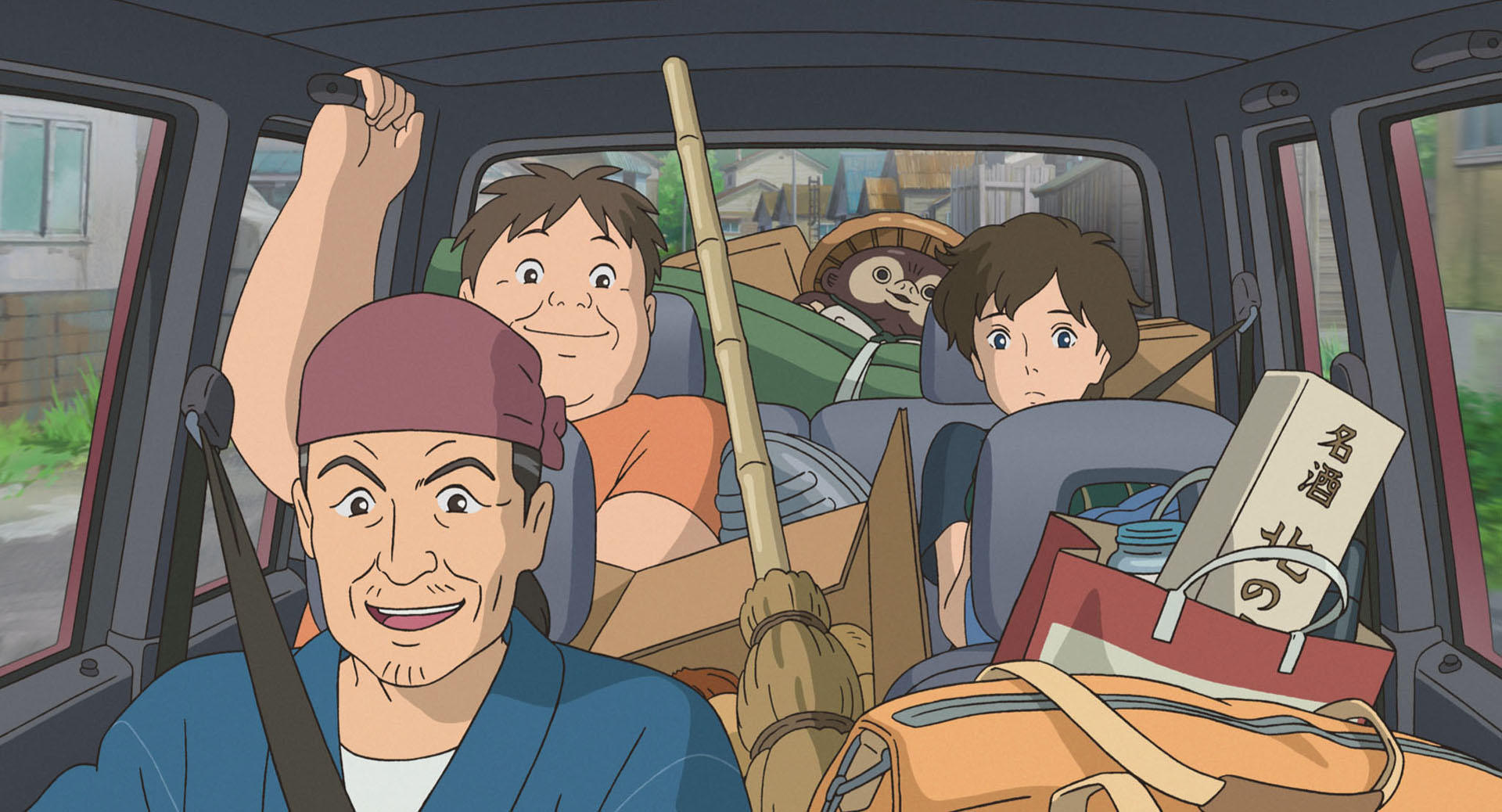
When Marnie Was There follows Anna Sasaki, a withdrawn young girl sent to stay with relatives in the countryside after struggling with her health and emotions. Away from the city, Anna becomes fascinated by an old marsh house and by Marnie, a mysterious blonde girl who seems to live there. Their friendship feels secret, intense, and dreamlike. As Anna spends more time near the marsh, the film slowly turns from a summer story into a mystery about memory, family, grief, and the way children carry feelings they do not yet know how to name.
The film is adapted from Joan G. Robinson’s novel, but Studio Ghibli reshapes it with a distinctly Japanese coastal setting, soft light, and the studio’s patient attention to emotional detail. Instead of using big fantasy set pieces, it builds tension through small changes: a house across the water, a party glimpsed like a memory, a diary, a painting, and conversations that feel both real and impossible.
Who should watch it?
This is a strong choice for viewers who like character-driven Ghibli films more than action-heavy ones. If you enjoy Kiki’s Delivery Service for its emotional honesty, or My Neighbor Totoro for its rural stillness, When Marnie Was There belongs in the same gentle corner of the studio’s catalogue. It is also a good recommendation for people who want a Ghibli film about friendship, identity, and family history rather than magic kingdoms, wars, or monsters.
For brand-new viewers, it may not be the best first film if they expect the huge visual invention of Spirited Away or the romance and spectacle of Howl’s Moving Castle. It works better when someone is ready for a slower story. The reward is emotional clarity: by the final act, many of the film’s quiet details click into place in a way that can be deeply moving.
Main characters
Anna Sasaki
Anna is the emotional centre of the film. She begins the story guarded, lonely, and convinced she exists outside the normal circle of other people. Her bluntness can seem cold at first, but the film is careful not to treat her as difficult for the sake of drama. Anna is a child who has learned to protect herself by pulling away. The countryside gives her room to breathe, but it also forces her to face the feelings she has been avoiding.
Marnie
Marnie is warm, magnetic, and strange. She appears to Anna as a dream friend, a secret companion, and a puzzle. Part of the film’s appeal is that Marnie never feels like a simple twist mechanic. She matters because of what she gives Anna: attention, acceptance, and a way into a buried family story. Their bond is intense because Anna needs it so badly, but the film keeps it tender rather than melodramatic.
Sayaka and the countryside family
Sayaka helps pull the mystery into the open, while Anna’s host family gives the film its everyday warmth. These supporting characters prevent the story from becoming only a private dream. They remind us that healing does not happen in isolation. Anna needs mystery and memory, but she also needs ordinary kindness, meals, fresh air, and people who keep gently making space for her.
Themes that make the film stand out
The most important theme is loneliness. When Marnie Was There understands that loneliness is not always solved by simply putting a character near other people. Anna has people around her, but she does not feel reachable. The film treats that emotional distance seriously, which is why her connection with Marnie feels so powerful.
Another major theme is inherited sadness. Without spoiling the ending, the story suggests that family pain can echo across generations even when children do not know the full history. Anna’s feelings are personal, but they are also connected to things that happened before she could understand them. The film’s mystery structure gives shape to that idea: to feel whole, Anna has to discover a story that has been missing from her own life.
Finally, the film is about self-acceptance. Anna does not become a different person by the ending. She becomes more able to live as herself. That is a very Ghibli kind of resolution: not a clean fantasy victory, but a shift in how a character stands in the world.
Is it scary or sad?
The film is not scary in the monster-movie sense, but it can feel eerie. The marsh house, night scenes, and dreamlike appearances give it a ghost-story atmosphere. Sensitive younger viewers may also find the emotional material heavy, especially the themes of abandonment, illness, grief, and family separation. Parents should expect a quiet but serious film, not a bright comfort watch from start to finish.
That said, the sadness is purposeful. The film does not use grief as a cheap twist. It builds toward understanding. For older children and teens who are ready for emotional stories, it can be a very reassuring movie because it shows that confusing feelings can be named, shared, and survived.
Where it fits in a Studio Ghibli watch order
If you are building a watch order, place When Marnie Was There after a few more accessible entries. A good path would be My Neighbor Totoro, Kiki’s Delivery Service, Spirited Away, then this film when the viewer wants something quieter. It also pairs well with Only Yesterday and The Tale of the Princess Kaguya because all three are interested in memory, identity, and the emotional cost of growing up.
For a broader route through the studio, use our Studio Ghibli movies in order guide and then return to When Marnie Was There when you want a reflective, smaller-scale story.
Why fans remember it
Fans remember When Marnie Was There because it feels personal. The film does not have the most famous creature, the biggest world, or the most instantly marketable premise. Its strength is the emotional aftertaste. The marsh, the house, and the friendship become symbols for the hidden rooms inside Anna’s own life. By the time the story reveals what has really been happening, the film has made that reveal feel earned.
It is also one of the clearest examples of how Studio Ghibli can make ordinary landscapes feel magical without turning them into fantasy worlds. The water, grasses, skies, and old rooms are beautiful because Anna is beginning to see them differently. The visual softness supports the story rather than decorating it.
FAQ
Is When Marnie Was There a good first Studio Ghibli movie?
It can be, but it is usually better as a second or third Ghibli film. First-time viewers who want wonder and momentum may prefer Spirited Away, Totoro, or Kiki. Viewers who like quiet emotional mysteries may connect with Marnie immediately.
Is When Marnie Was There suitable for children?
It depends on the child. There is no graphic content, but the emotional themes are mature. It is better for older children, teens, and family viewings where adults can talk through the story afterward.
Does the film have fantasy elements?
Yes, but they are subtle. The film uses a ghostly, dreamlike mystery rather than a fully explained fantasy system. Its magic is tied to memory and emotion.
What should I watch after When Marnie Was There?
Try Kiki’s Delivery Service for another gentle coming-of-age story, Only Yesterday for memory and adulthood, or The Tale of the Princess Kaguya for a more tragic and visually experimental story about freedom and family.
Image credit: Official Studio Ghibli stills from ghibli.jp, used under Studio Ghibli’s common-sense image-use notice.