Quick answer: the ending of Howl’s Moving Castle works because Sophie stops seeing herself as powerless, Howl takes back responsibility for his own heart, and Calcifer is freed without breaking the bond between them. The war does not end because one clever spell fixes politics. It ends because the emotional spell at the centre of the story is broken first: Howl, Sophie, and Calcifer stop running from what they know is true.
What actually happens at the end?
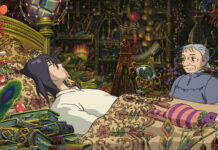
By the final act, Sophie has travelled through the moving castle, the royal palace, the waste, and finally Howl’s own past. She discovers that Howl gave his heart to a falling star, Calcifer, when he was young. That bargain made Howl powerful, but it also split him from a vital part of himself. Calcifer keeps the castle alive, Howl keeps using magic to avoid pain and duty, and Sophie becomes the one person who can see both of them clearly.
Sophie returns Howl’s heart, tells Calcifer he can live, and refuses to treat anyone as disposable. Howl wakes, Calcifer survives, the castle is remade in gentler form, and the conflict around them begins to lose its momentum. The literal mechanics are magical, but the emotional logic is simple: love restores what fear and vanity scattered.
Why does Sophie’s curse keep changing?
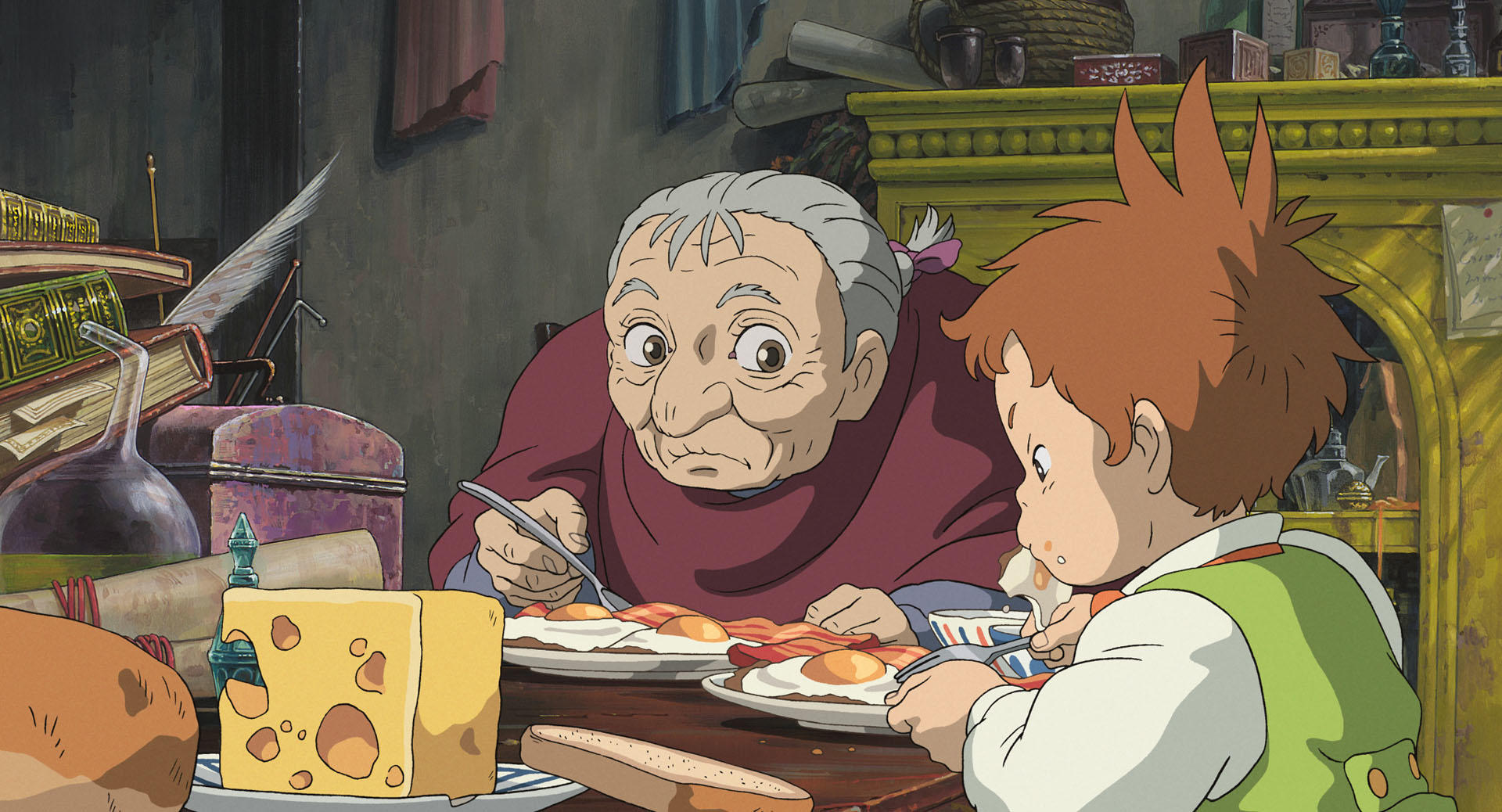
Sophie’s old-age curse is not a normal locked transformation. It shifts with how Sophie sees herself. When she feels ashamed, small, or resigned, she looks older. When she acts with courage, speaks honestly, or forgets to hate herself, she becomes younger. That is why the film sometimes shows her as an elderly woman, sometimes as a young woman with silver hair, and sometimes somewhere in between.
The Witch of the Waste starts the curse, but Sophie’s own self-image keeps giving it shape. Before the spell, Sophie already lives like someone who has accepted a smaller life. She thinks her younger sister is the pretty one, that the hat shop is her duty, and that adventure belongs to other people. The curse makes that inner belief visible. The story then lets Sophie discover that she is practical, brave, funny, stubborn, and deeply loving.
That is why the ending does not need a big scene where someone formally says, “the curse is broken.” Sophie has already outgrown the version of herself that made the curse feel true.
What does Howl’s heart mean?
Howl’s missing heart is both a fairy-tale device and a character diagnosis. He is charming, gifted, stylish, and often kind, but he avoids consequences. He hides under different names, dodges royal summons, runs from the war, and turns into a birdlike monster because fighting is easier than being honest. Giving his heart to Calcifer gave him magic, but it also made emotional avoidance feel possible.
When Sophie places the heart back in his chest, the film is not saying Howl becomes ordinary or loses everything special. It says he becomes whole enough to choose. The restored Howl can love Sophie without turning love into performance. He can face the world without hiding behind a beautiful bedroom, a dramatic tantrum, or another escape door.
Why does Calcifer survive?
Calcifer’s survival matters because Howl’s Moving Castle is not interested in cruel bargain logic. A darker version of the story might demand that the fire demon die so Howl can live. Miyazaki chooses a more generous answer. Sophie speaks to Calcifer as a person, not a tool. She recognises his fear, his loyalty, and his wish to be free. Because the spell is handled with care instead of force, Calcifer can leave the old bargain and still come back by choice.
That return is one of the film’s loveliest details. Calcifer is no longer trapped as the engine of Howl’s life, but he still wants to be part of the household. The castle becomes less like a prison built from avoidance and more like a home built from chosen connection.
Does Sophie travel through time?
Yes, briefly. Sophie enters a memory of young Howl catching Calcifer as a falling star. She cannot stay there, but she can call out to Howl and tell him to find her in the future. That moment creates the feeling that their relationship has been reaching across time. It also explains why Howl seems drawn to Sophie from the beginning. The line “I’ve been looking everywhere for you” lands differently once the ending reveals that Sophie called to him from his own past.
The time loop is romantic rather than mechanical. The film is less concerned with rules than with emotional recognition. Sophie sees the vulnerable origin of Howl’s bargain, and that knowledge gives her the confidence to save him without controlling him.
Why does the war end so suddenly?
The war ending can feel abrupt if you read the film as a political plot. The king, the missing prince, and the palace intrigue are deliberately less detailed than the emotional story. Miyazaki is more interested in how war deforms people than in which side has the better argument. Howl’s flying battles are frightening because they make him less human every time. Suliman’s calm authority is disturbing because it treats people as pieces.
When the scarecrow is restored as Prince Justin, Suliman has an excuse to stop the conflict. The point is not that one kiss solves war. The point is that the official reasons for war were always fragile compared with the damage war was doing. Once the central enchantments are broken, the outside conflict can finally be called off.
What the ending is really saying
The ending says that identity is not fixed by fear. Sophie is not doomed to be the overlooked eldest daughter. Howl is not doomed to become a beautiful coward or a monster. Calcifer is not doomed to be fuel. Even the Witch of the Waste is allowed to become small, needy, and oddly human instead of remaining only a villain.
That is why the film feels so warm despite its chaos. It believes people can be ridiculous and wounded without being beyond repair. Sophie’s gift is not that she has the strongest spell. Her gift is that she sees what things are, talks to them plainly, and cares enough to put them back in better order.
FAQ
Is Sophie still cursed at the end?
Not in the same way. Her silver hair remains, but the old-age curse no longer controls her. The hair works more like a mark of what she has lived through.
Did Howl know Sophie before they met?
The ending suggests that young Howl heard Sophie’s voice from the future, which gives their first meeting a fated quality.
Is the movie different from the book?
Yes. Diana Wynne Jones’s novel has different plot emphasis and more explicit magical rules, while the film leans harder into war, transformation, and emotional imagery.
Image source: official Studio Ghibli stills from ghibli.jp, used in line with Studio Ghibli’s common-sense usage notice.
Related reading: explore more movie guides, watch guides, and rankings on StudioGhibliMovies.com.