Quick answer: The ending resolves Howl and Sophie’s curses by returning Howl’s heart, freeing Calcifer, and turning the castle from a hiding place into a chosen home. This guide is written as an independent, spoiler-aware fan guide for viewers who want the meaning, character context, and best next links without wading through forum theories or copied summaries.
If you are building a first-watch or rewatch path, keep our Studio Ghibli movies in order guide open as a companion. Howl’s Moving Castle Ending Explained: Curses, Hearts, and Home sits inside a much wider Ghibli pattern: ordinary people cross into emotionally heightened worlds, and the ending usually resolves a feeling rather than tying every detail into a neat plot diagram.
What the ending of Howl’s Moving Castle is really about
Howl’s Moving Castle can feel dreamlike because its war plot, romance, and curses move by emotional logic. The ending is not a puzzle box; it is a release. Sophie stops seeing herself as powerless, Howl stops running from vulnerability, and Calcifer is freed from the contract that kept everyone stuck.
The important thing is not to reduce the ending of Howl’s Moving Castle to a single trivia answer. Ghibli stories often work like memories: a place, a creature, a spell, or a parting image carries several meanings at once. That is why fans keep searching for explanations years after watching Howl’s Moving Castle. A good interpretation should explain the scene, but it should also preserve the emotional mystery that makes the film linger.
Spoiler-light context before the deeper reading
The final act brings together the film’s central images: the falling star, the heart, the scarecrow, the castle, and Sophie’s changing age. Each has been pointing toward fear of being seen and the courage to love anyway.
- Howl’s heart is physically returned.
- Calcifer survives freedom instead of disappearing forever.
- Sophie’s age curse fades as her self-image changes.
- The moving castle becomes lighter, stranger, and more like a family home.
The deeper interpretation
Howl giving his heart to Calcifer is both magical backstory and emotional metaphor. He has avoided pain by separating himself from the thing that makes him fully human.
Sophie’s curse is tied to how she sees herself. The film repeatedly lets her become younger when she acts with directness, courage, or desire. By the ending, the “old woman” identity no longer imprisons her.
The anti-war thread resolves less through politics than through refusal. The characters choose care over patriotic spectacle, and the film treats that choice as more meaningful than any battlefield victory.
Why fans keep asking about it
Fans ask about the ending because it is romantic and confusing in equal measure. The film cuts quickly between dream logic, magic contracts, and emotional revelations, but the heart of it is simple: love makes hiding impossible.
Part of the ongoing appeal is that Ghibli rarely gives viewers a lecture. The films trust children, adults, and repeat viewers to notice different layers. A younger viewer may remember the creature design or the adventure; an adult may notice grief, burnout, environmental loss, loneliness, or the ache of growing up. That multi-level design is exactly why character and ending guides can be useful without flattening the film.
How to watch this part on a rewatch
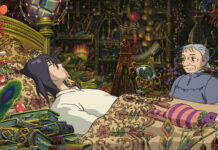
On a rewatch, pay attention to doors, thresholds, and rooms. Howl’s spaces reveal what he is willing to face and what he keeps compartmentalized.
Questions to ask while rewatching
- What does the ending of Howl’s Moving Castle reveal about fear, courage, or identity?
- Which details are shown visually instead of explained in dialogue?
- How does the music change the emotional meaning of the scene?
- What does the film leave unresolved, and is that ambiguity part of the point?
FAQ
Why does Sophie’s age keep changing?
Her curse responds to confidence, self-perception, and emotional honesty, not just clock time.
Does Calcifer die when he is freed?
No. The film lets him survive and return by choice, which changes the relationship from contract to friendship.
What is the ending saying about Howl?
Howl becomes whole by accepting vulnerability instead of performing beauty, mystery, or cowardly escape.
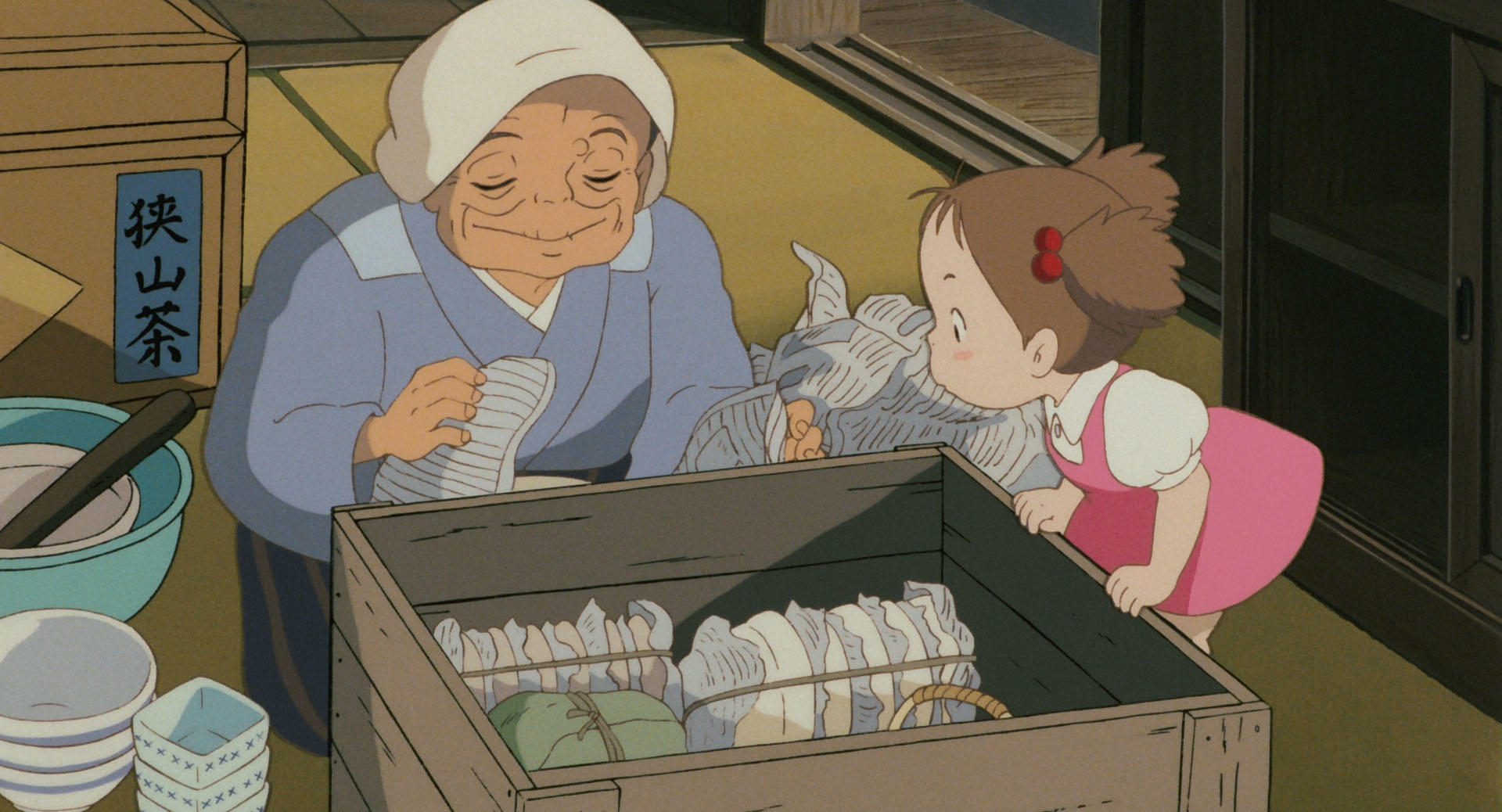
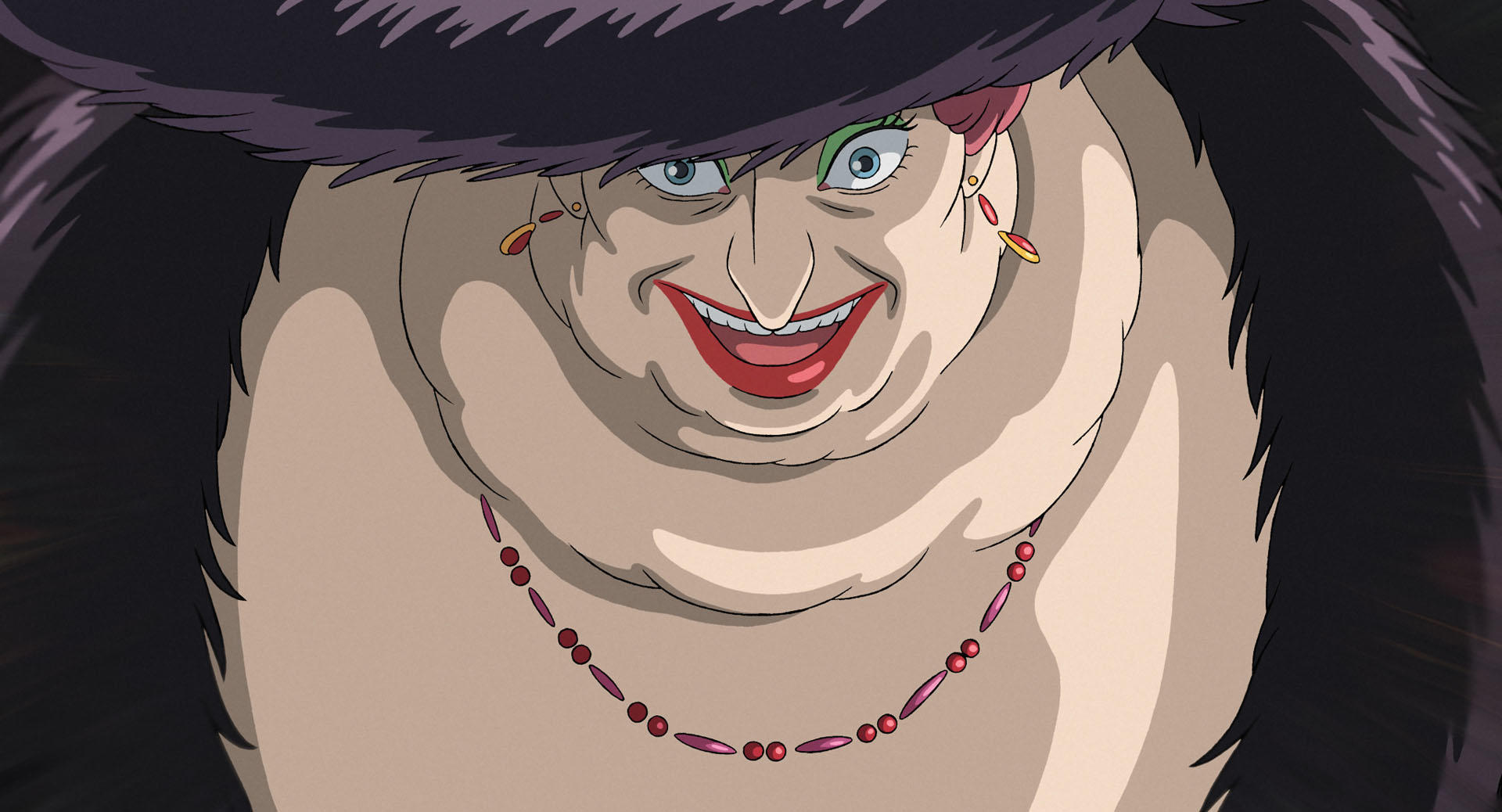
Image note: Featured imagery on this page uses official Studio Ghibli stills from ghibli.jp, whose work pages include the usage notice 「※画像は常識の範囲でご自由にお使いください。」
For searchers comparing multiple guides, the practical takeaway is this: start with the emotional function of the scene or character, then add production context and fan interpretation only after the basic story role is clear. That order keeps the reading useful for first-time viewers and still satisfying for long-time fans returning after a rewatch.
Why Sophie breaks the curse by understanding Howl
The ending is not just a magical reset button. Sophie’s curse weakens whenever she stops seeing herself as small, plain, or powerless, which is why her age shifts throughout the film. By the final act, she is not trying to become a different person. She is able to look directly at Howl’s fear, Calcifer’s bargain, and her own desire to protect the people around her. That confidence is what lets the magic untangle.
Howl’s heart matters because it turns the romance into a story about responsibility. Early Howl is beautiful, evasive, and terrified of being trapped by war, duty, or intimacy. Sophie does not “fix” him by admiring him. She helps him become honest enough to reclaim the part of himself he gave away. When Calcifer is freed and Howl’s heart returns, the film is saying that love needs freedom, but it also needs the courage to come home.
What the flying castle ending really promises
The airborne castle at the end is deliberately messy and improvised. It is not a perfect palace replacing the broken machine from earlier in the movie. It feels like a family home assembled from odd pieces, which fits the people living inside it: Sophie, Howl, Calcifer, Markl, the Witch of the Waste, and even Turnip Head’s wider political consequences. The promise is not that war and damage vanish instantly. The promise is that these characters have chosen a kinder way to live after seeing what fear and pride cost them.
Image source: official Studio Ghibli stills published through ghibli.jp.