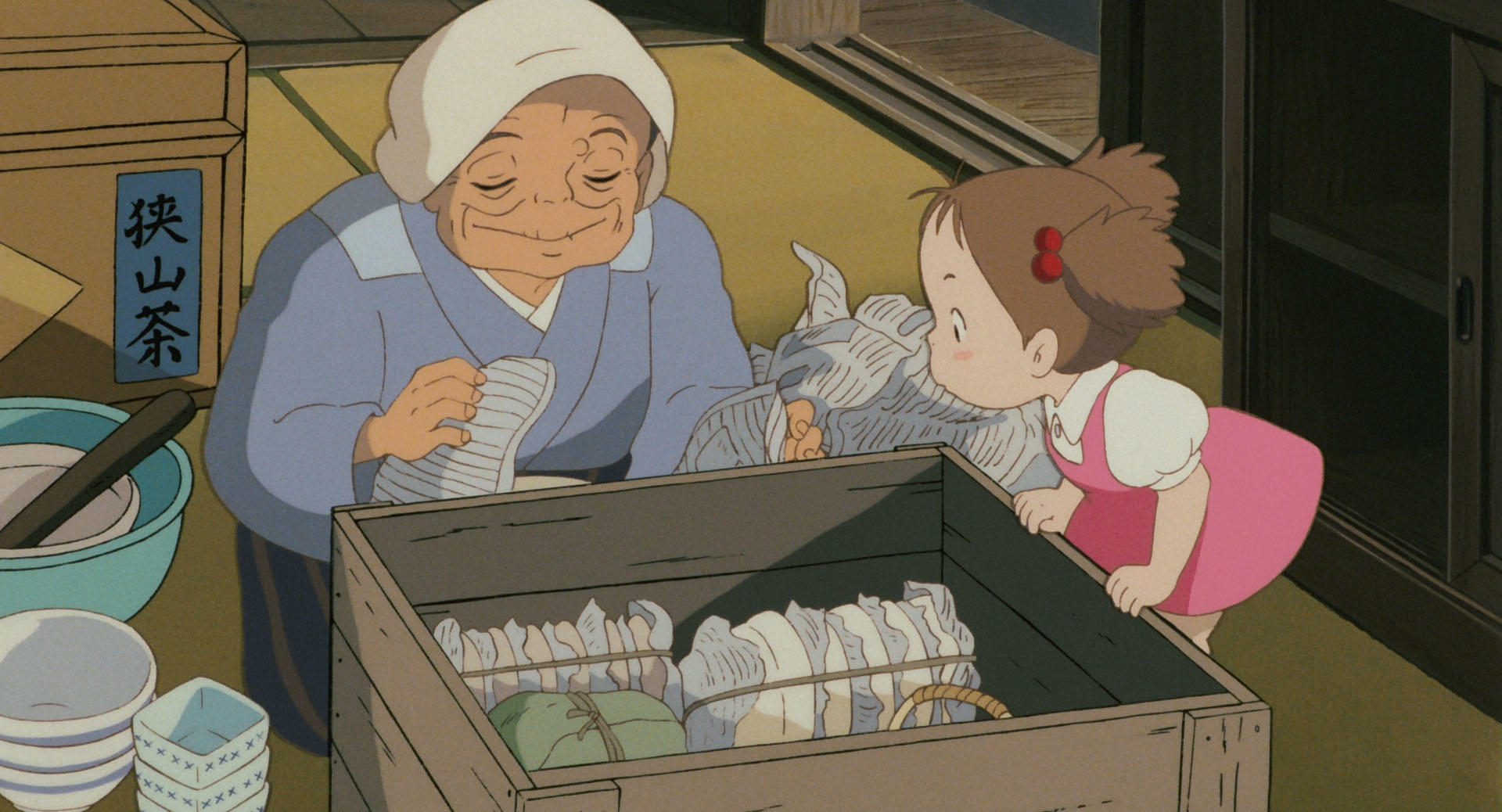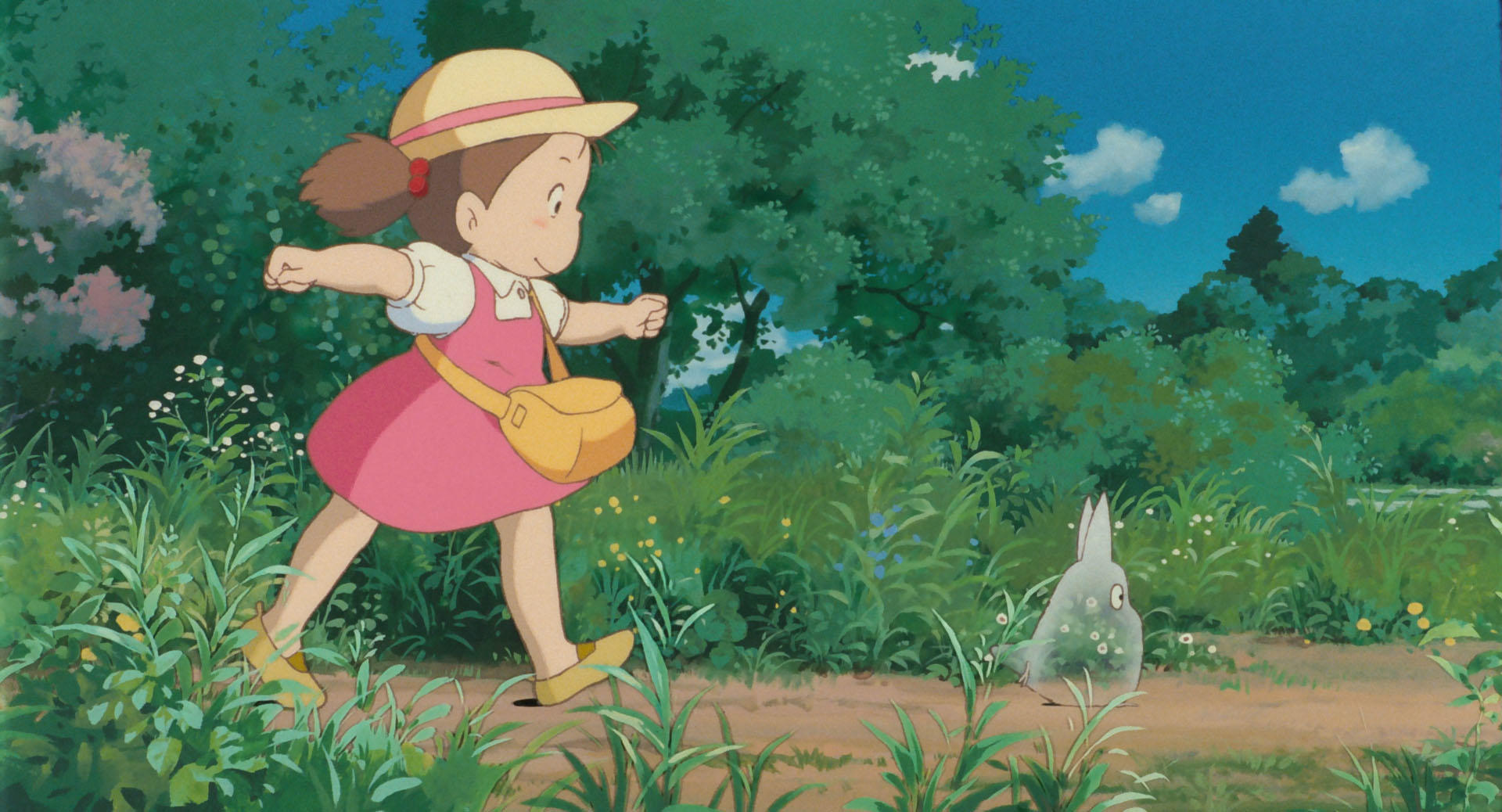
Yes, My Neighbor Totoro is one of the best Studio Ghibli movies for kids, especially for roughly ages four and up, but parents should know it includes a sick parent, a brief missing-child scare, and a few moments of thunder or uncertainty. It is gentle, non-violent, and emotionally reassuring, but it is not empty babysitting. It treats children’s fears with respect.
Quick parent verdict
For most families, My Neighbor Totoro is a safe and beautiful first Ghibli film. There are no battle scenes, no scary villain, no crude humour, and no romance content to explain. The emotional tension comes from ordinary childhood concerns: moving house, missing a parent, worrying about illness, and getting overwhelmed when adults cannot fix everything immediately.
The film is especially strong for children who like animals, forests, old houses, big feelings, and quiet magic. It may be less suitable as a bedtime movie for very sensitive children who worry intensely about parents being ill.
What age is Totoro best for?
A good practical range is ages four to eight for first viewing, with older siblings and adults still getting plenty from it. Younger children may not follow every family detail, but they usually understand the central feelings: excitement, fear, curiosity, and relief. Older children may appreciate Mei and Satsuki’s different personalities, the rural setting, and the way the film makes imagination feel real without over-explaining it.
What might worry young kids?
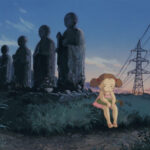
The main concern is not Totoro himself. Despite his size, Totoro is presented as mysterious but kind. The potentially upsetting material is the family situation. The girls’ mother is in hospital, and the story includes uncertainty about her health. Later, Mei becomes upset and goes missing for a short stretch. The film handles this with care, but children who have recent experience with illness, separation, or hospital visits may need reassurance.
There are also dark rooms, soot sprites, rain, wind, and the huge Catbus. Most children find these exciting rather than frightening, but very young viewers may want an adult nearby.
Why Totoro works so well for children
The film respects how children notice the world. A creaking house, a tunnel through bushes, a seed planted in soil, or a bus stop at night can feel enormous. Ghibli does not rush those moments. That patience makes the magic feel earned. Totoro does not arrive to explain the plot; he arrives because the girls are paying attention.
For parents, the film is useful because it gives children emotional language without lecturing them. Satsuki tries to be responsible. Mei acts younger, louder, and more impulsively. Neither child is mocked. The film understands both reactions as believable responses to stress.
Is Totoro scary?
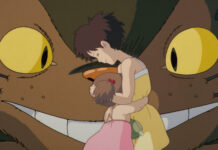
It is mildly suspenseful in places, not scary in the usual villain-driven sense. Totoro’s first appearance is strange because he is huge and unknown, but the mood quickly becomes playful. The Catbus can look intense at first, with glowing eyes and a wide grin, but it functions as a helper. The missing-child sequence is the most stressful part, and parents may want to sit with younger viewers through it.
Dub or subtitles for kids?
For younger children, the English dub is usually the easiest route. It lets them focus on faces, movement, and emotion rather than reading. Subtitles are lovely for older kids and adults, but the best version is the one that lets the child relax into the story.
Good follow-up Ghibli films for kids
If Totoro works, try Kiki’s Delivery Service next for a slightly older coming-of-age story, then Ponyo for bright ocean chaos. Spirited Away is a masterpiece, but it is more intense and may be better after children are comfortable with Ghibli’s stranger imagery.
FAQ
Is there any violence in My Neighbor Totoro?
No major violence. The film is gentle and family-focused.
Does anyone die in Totoro?
No. The mother’s illness creates worry, but the film is ultimately reassuring.
Is Totoro good for toddlers?
Some toddlers enjoy the images and music, but the hospital and missing-child moments may be too much for very sensitive very young children.
What should parents say before watching?
A simple note helps: “Their mum is poorly in hospital, but this is a kind movie and we can pause if anything feels worrying.”
Image source: official Studio Ghibli stills from ghibli.jp, used in line with the studio’s common-sense image notice.
Conversation points after the movie
My Neighbor Totoro gives parents easy conversation openings without turning the film into a lesson. You can ask which part felt magical, whether Mei or Satsuki seemed more like them, and why waiting for news about their mother was hard. These questions help children name feelings without forcing a moral summary. The film is especially good for talking about worry, patience, and the way imagination can comfort us when real life feels uncertain.
What kind of child may need extra support?
Children who are currently dealing with family illness, hospital visits, separation anxiety, or a recent house move may react more strongly than other viewers. That does not mean the film is off limits, but it does mean a parent should watch with them rather than putting it on unattended. A quick pause during the missing-child section can help: remind them that the adults and Satsuki are looking for Mei, and that the film has been gentle and caring so far.
Why adults keep returning to Totoro
Parents often discover that Totoro changes as they get older. Children may remember the forest spirit and the Catbus. Adults may notice the father’s calm, Satsuki’s pressure to be brave, and the quiet fear behind every hospital update. That double layer is why the film remains such a strong family recommendation: it gives children wonder, while giving adults a compassionate portrait of a family trying to stay hopeful.