Quick answer: Spirited Away is magical, funny, beautiful, and one of Studio Ghibli’s best films, but it can be intense for younger children. The main scary moments include Chihiro’s parents turning into pigs, strange spirits filling the bathhouse, No-Face becoming threatening, and a few scenes where Chihiro feels lost or alone. Many children around age eight and up will be fine with it, but sensitive younger viewers may be better starting with My Neighbor Totoro, Ponyo, or Kiki’s Delivery Service.
Is Spirited Away too scary for kids?
Spirited Away is not horror, but it is much stranger and more unsettling than the gentlest Studio Ghibli movies. The film begins with an ordinary family getting lost, then quickly moves into a spirit world where adults are unreliable, rules are confusing, and Chihiro has to survive by working, listening, and remembering who she is.
That setup is powerful because it captures a very childlike fear: being somewhere unfamiliar and not having a grown-up who can fix it. The movie is not mean-spirited, and it gives Chihiro kind helpers, but it does not remove the fear instantly. For confident children, that makes the adventure gripping. For very anxious children, it can be a lot.
Best age range for Spirited Away
A practical starting range is around eight to ten, depending on the child. Some six or seven year olds will love it, especially if they already enjoy fantasy, monsters, and big emotional stories. Other children may find the first act overwhelming because the transformation of Chihiro’s parents happens early and the bathhouse world keeps getting stranger.
Age is less important than temperament. A child who enjoys mild peril, witches, dragons, and unusual creatures may handle Spirited Away well. A child who is currently worried about separation, parents disappearing, nightmares, being lost, or characters changing shape may need a gentler first Ghibli film. If in doubt, use the site’s parent-friendly Studio Ghibli kids guide before choosing.
The main scary or intense moments
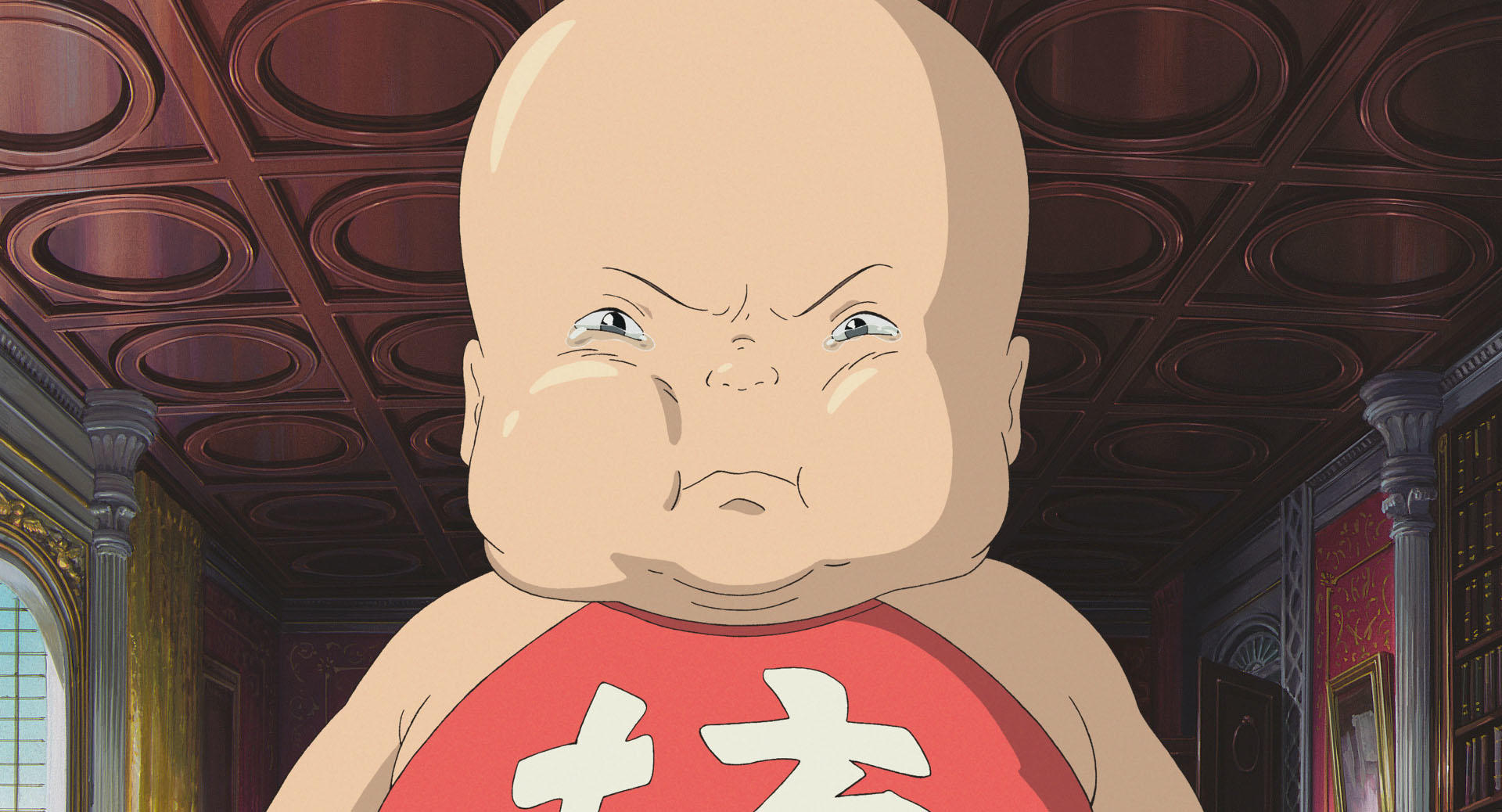
The biggest early scare is Chihiro’s parents turning into pigs after eating food that was not meant for them. The scene is not graphic, but it can be disturbing because it changes the safety of the story. Chihiro is suddenly alone, and the adults she trusted are unable to help her.
The bathhouse itself can also feel intense. It is crowded with spirits, workers, rules, noise, steam, and strange faces. Some spirits are funny or beautiful, while others are grotesque. The stink spirit scene is gross rather than frightening, but children who dislike slime, mess, or body-horror-adjacent images may react strongly.
No-Face is another point to watch. At first he seems lonely and quiet, but later he becomes greedy, huge, and dangerous after absorbing the bathhouse’s worst impulses. He chases and swallows characters, though the sequence is more surreal than realistic. Haku’s dragon form and the paper birds can also feel tense, especially when he is injured.
Why the scary parts usually feel manageable
The reason many families still choose Spirited Away is that its fear has a purpose. Chihiro is not punished for being small or nervous. She grows because she keeps taking the next right step: asking for work, helping Haku, refusing greed, being polite when she is scared, and trusting her own memory.
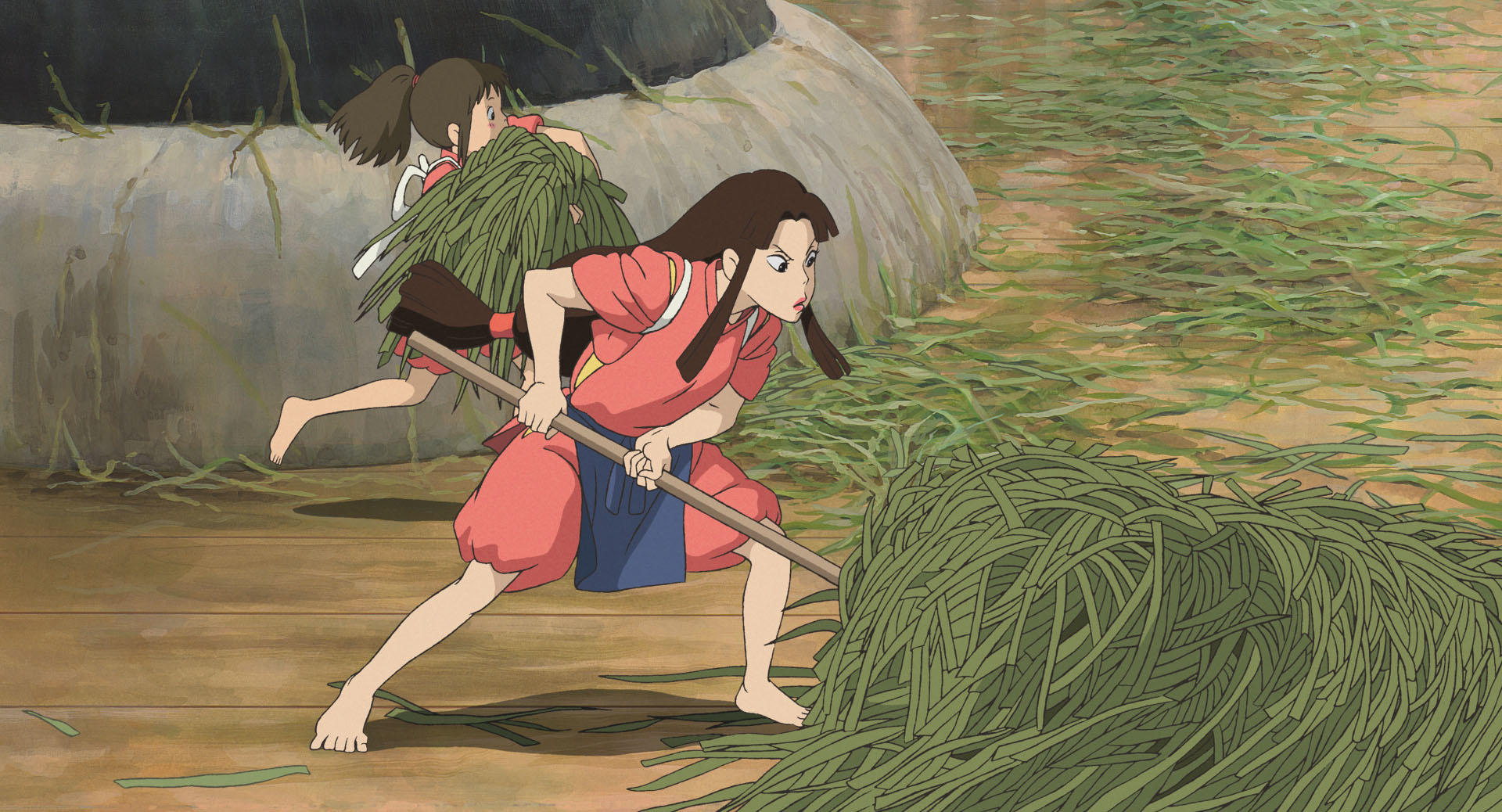
The film also balances its unsettling images with warmth and humour. Kamaji is gruff but protective. Lin becomes a practical older-sister figure. The soot sprites are charming. Zeniba’s cottage gives the story a calmer second half. Even No-Face is not simply evil; he is lonely, influenced by the bathhouse, and eventually quieted by being removed from the environment that fed him.
How Spirited Away compares with Totoro, Ponyo, and Kiki
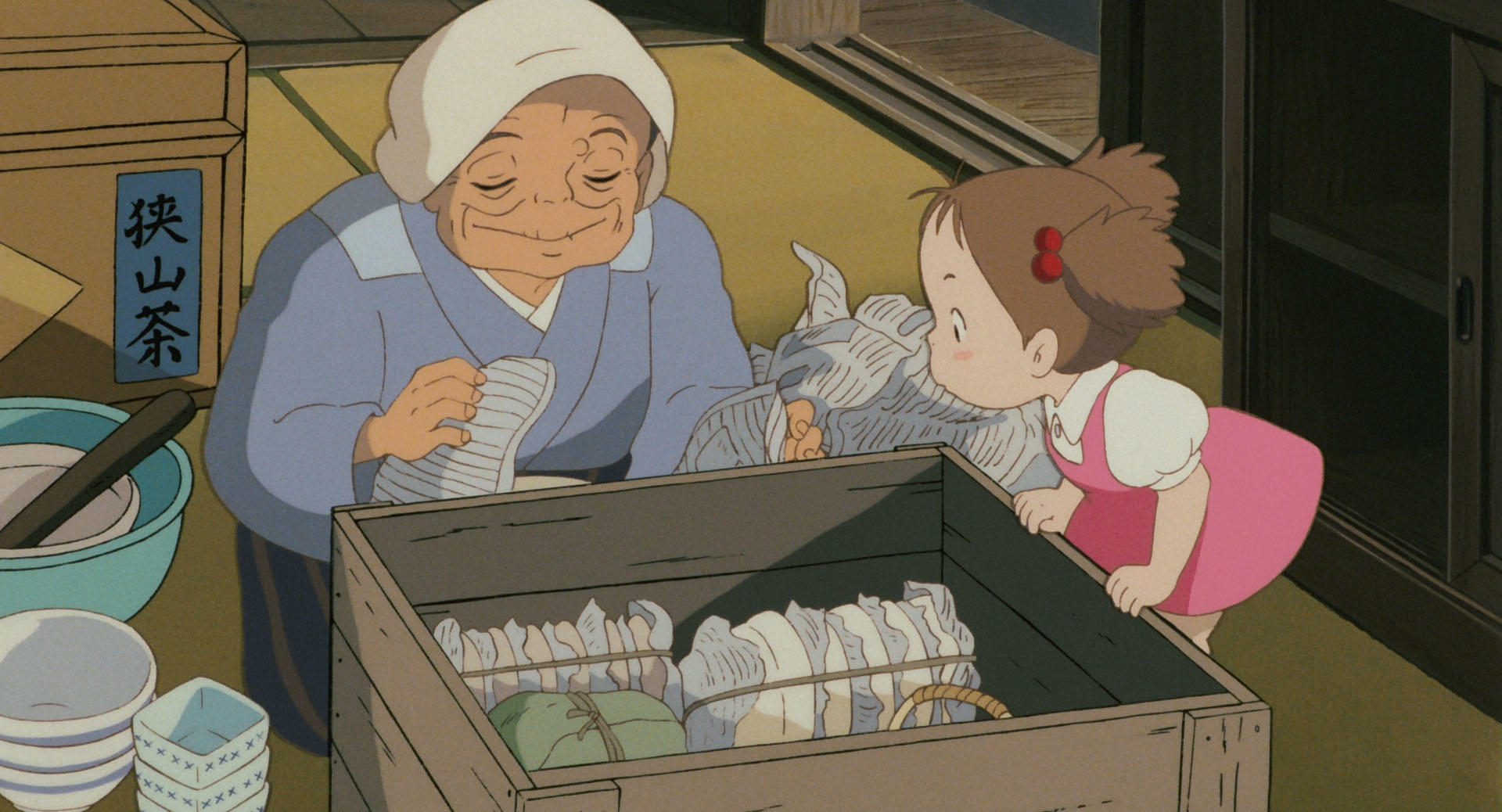
If you are planning a first Studio Ghibli night for younger children, My Neighbor Totoro is usually safer. It has illness anxiety in the background, but its overall rhythm is gentle, earthy, and reassuring. Ponyo is also easier for many kids, though its storm and flood scenes can be big. Kiki’s Delivery Service is calm, cozy, and ideal for children who like independence stories without too many scary creatures.
Spirited Away is a better step after those films than before them. It shows what makes Ghibli extraordinary, but it asks more from the viewer. If your child has already enjoyed Totoro’s spirits, Ponyo’s ocean magic, or Kiki’s flying independence, Chihiro’s journey may feel like a thrilling next level rather than a shock.
What parents may want to explain
Before watching, it can help to tell children that the film works like a fairy tale. The spirit world has rules, and Chihiro has to learn them. Her parents are in danger, but the story is about her finding courage and getting them back. That simple frame can reduce confusion without spoiling the movie.
After the film, children may want to talk about why the parents changed, why No-Face became frightening, and why remembering names matters. Keep the explanations simple. The parents were careless in a magical place. No-Face copied the greed around him. Names matter because they connect characters to who they really are. Those answers are enough for a first watch.
Good signs your child is ready
Your child may be ready for Spirited Away if they can handle scenes where a main character is scared but keeps going, if they understand that fantasy transformations are not real, and if they enjoy stories with strange creatures rather than needing every character to look cute. It also helps if they can pause and come back without feeling that stopping means failure.
For a sensitive child, try watching in the daytime, not just before bed. Keep the remote nearby. Let them know they can ask questions. If the parents-turning-into-pigs scene is too much, there is no harm in stopping and returning later. Ghibli films reward the right timing, not forced completion.
Verdict: should kids watch Spirited Away?
Yes, but not necessarily as the first Studio Ghibli movie for every child. Spirited Away is one of the greatest animated films ever made because it respects children’s fears and capabilities. It can be scary, but it is not cruel. It trusts Chihiro to become brave through action, kindness, and attention rather than through fighting.
For most confident children around eight and up, it is a brilliant family watch. For younger or sensitive viewers, start with My Neighbor Totoro, Ponyo, or Kiki’s Delivery Service, then come back to Chihiro when the strange bathhouse feels exciting rather than overwhelming.
For a spoiler-light story overview, character context, themes and watch-order guidance beyond the age advice here, continue with our complete Spirited Away movie guide.
FAQ
Is Spirited Away suitable for a 5 year old?
Some five year olds may enjoy parts of it, but many will find the parents turning into pigs, No-Face, and the crowded spirit world too intense. Totoro, Ponyo, or Kiki’s Delivery Service are usually better first choices for that age.
What is the scariest scene in Spirited Away?
For many children, the scariest moment is Chihiro’s parents turning into pigs. No-Face’s chaotic bathhouse scenes are also intense because he becomes large, greedy, and threatening.
Does Spirited Away have a happy ending?
Yes. The story resolves reassuringly, and Chihiro grows stronger through the experience. The ending is not silly or overly neat, but it is positive and emotionally satisfying.
Should Spirited Away be a child’s first Ghibli movie?
It can be for a confident older child, but most families should start with a gentler Ghibli movie first. My Neighbor Totoro, Ponyo, and Kiki’s Delivery Service are safer starting points.
Image source note: Images used in this guide are official Spirited Away stills from ghibli.jp, where the official pages provide stills with common-sense usage guidance.