Quick answer: Kiki’s Delivery Service is one of the best Studio Ghibli movies to start with if you want something warm, funny, low-stress, and emotionally honest. It is not the biggest fantasy film in the catalog, but that is the point. It is a gentle coming-of-age story about confidence, work, independence, burnout, and finding your rhythm again.
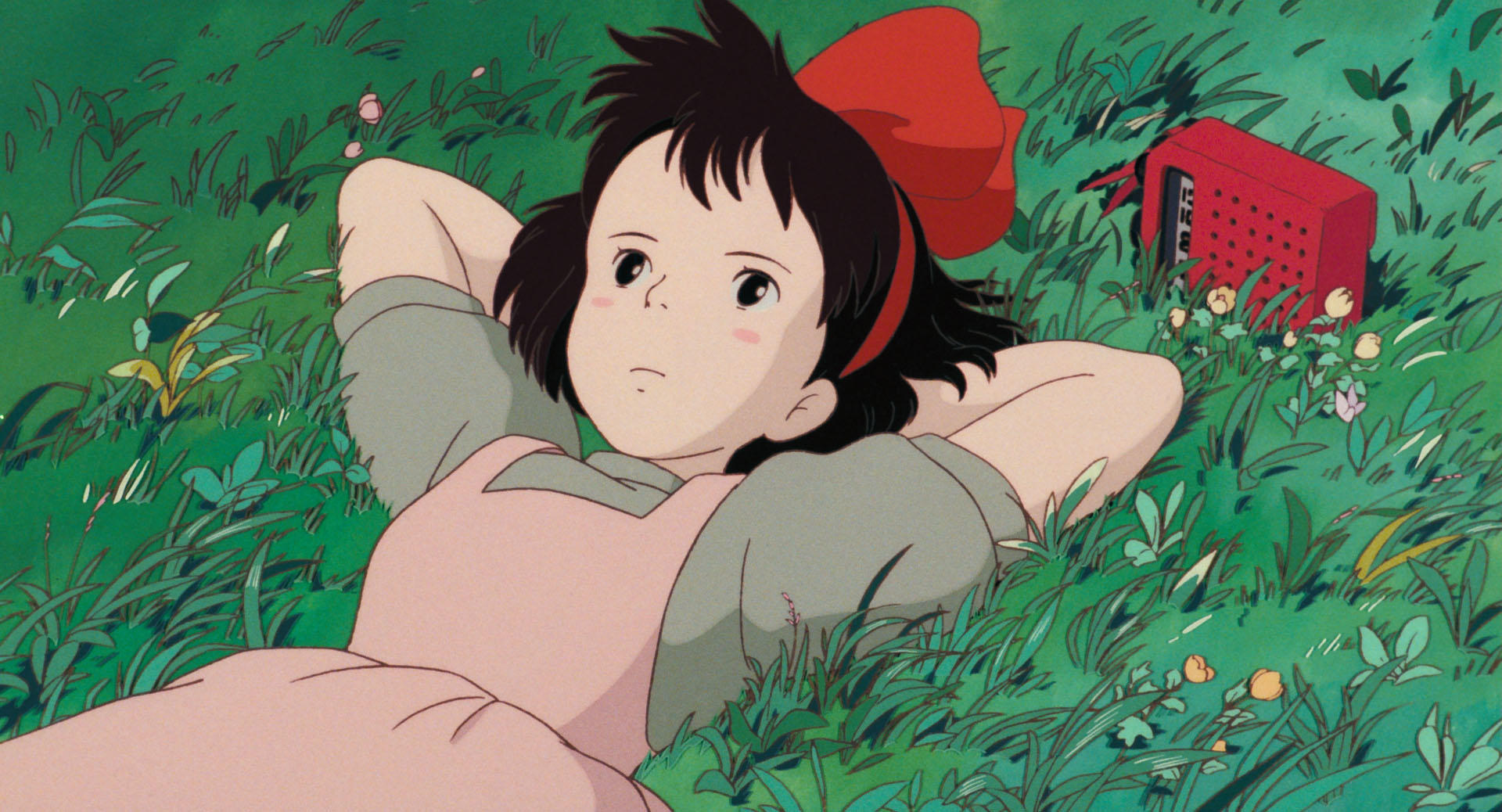
What Kiki’s Delivery Service is about
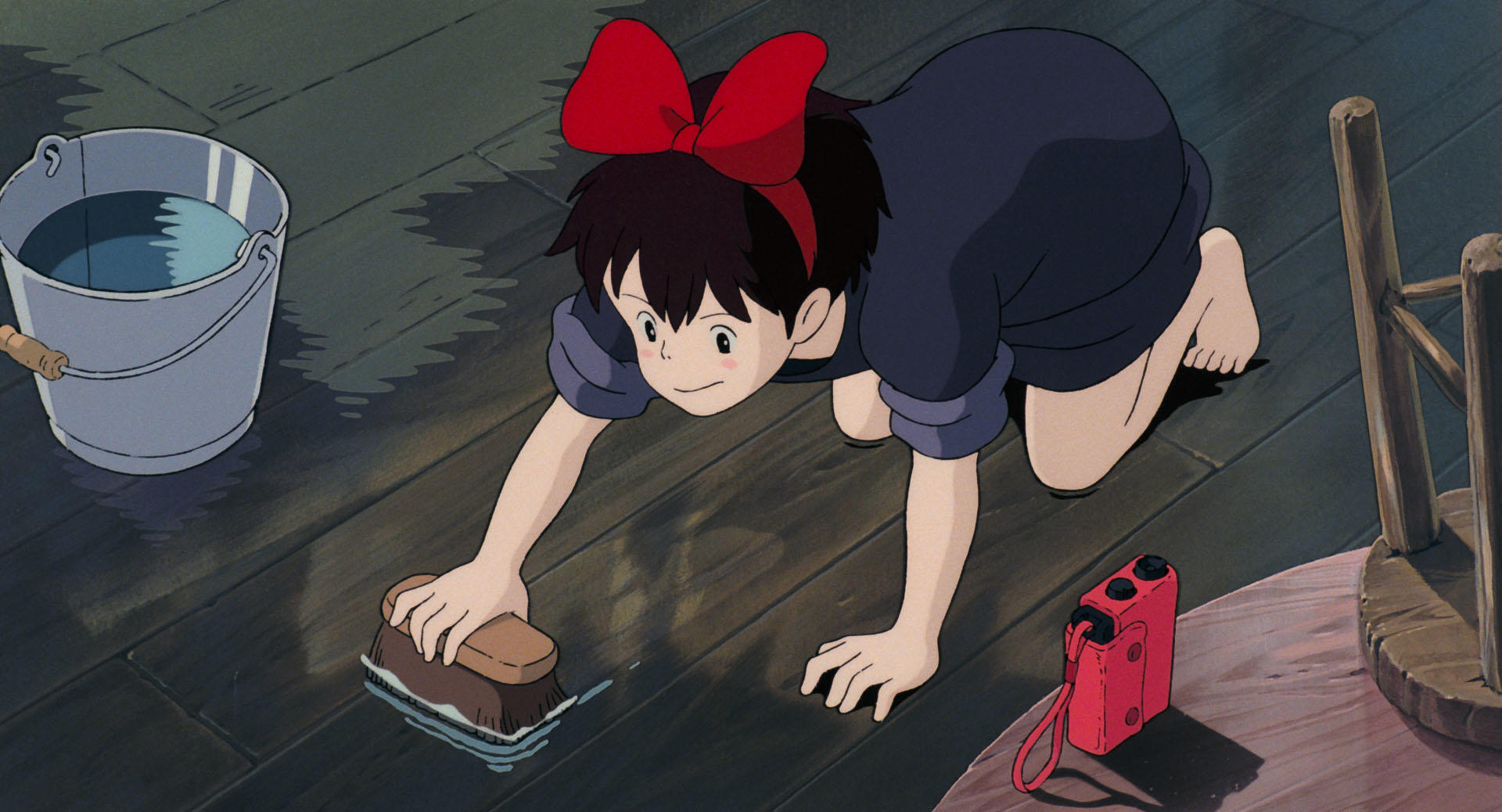
The story follows Kiki, a young witch who leaves home at thirteen to spend a year living independently in a new town. She has a broom, a black cat named Jiji, a useful flying talent, and not much of a plan beyond proving she can make it on her own. After arriving in a seaside city, she starts a small delivery service and slowly learns that independence is not only about being brave enough to leave home. It is also about asking for help, making mistakes, earning trust, and recovering when your confidence suddenly disappears.
That simple premise is why the film works for so many different viewers. Children can enjoy the flying, the cat, the bakery, and the bright coastal setting. Adults often notice the quieter parts: the pressure to be useful, the awkwardness of starting over, the loneliness of being new somewhere, and the way creative energy can vanish when you start measuring yourself too harshly.
Why it is such a good first Ghibli movie
If someone has never watched a Studio Ghibli film before, Kiki’s Delivery Service is an easy recommendation because it shows the studio’s strengths without asking the viewer to decode a dense fantasy world. The stakes are personal rather than apocalyptic. There are no complicated kingdoms to track, no heavy war allegory to prepare for, and no frightening monster sequences that dominate the film. Instead, it gives you the everyday magic that Ghibli does better than almost anyone: bread in a warm kitchen, laundry blowing outside a window, a city that feels lived in, and a character trying to become herself one small decision at a time.
It is also a good entry point because it feels complete without being exhausting. Some Ghibli films are best when you are ready for myth, environmental conflict, or emotional intensity. Kiki is ideal when you want comfort, charm, and a story that still has real emotional weight underneath the softness.
Who should watch it first
Start here if you are watching with younger viewers, introducing someone cautious to anime, or looking for a film that feels cozy without becoming empty. It is especially strong for fans of small-business stories, creative burnout stories, witchy but gentle fantasy, and city-slice-of-life settings. If your mental picture of Ghibli is only dragons, spirits, and giant forest gods, Kiki shows the quieter side of the studio.
It also suits rewatch nights. The film has enough visual detail to reward attention, but it does not demand the same level of emotional preparation as Grave of the Fireflies, Princess Mononoke, or The Wind Rises. You can put it on for comfort and still come away with something useful.
What makes Kiki memorable
Kiki is memorable because she is not written as a chosen-one hero. Her magic is useful, but the film is more interested in her ordinary growing pains than in making her powerful. She gets embarrassed. She misreads people. She tries too hard. She wants to be mature before she fully understands what maturity costs. That makes her unusually relatable for a fantasy lead.
Jiji adds a lot of the comedy, but he is not only a cute sidekick. He gives Kiki someone to talk to when she is unsure of herself, which makes her loneliness visible without turning every scene into exposition. Osono, Ursula, Tombo, and the older women Kiki meets all become different versions of support. None of them solve her life for her. They simply make the new city feel less impossible.
The burnout theme is why adults keep returning to it
The middle of the film is one of Ghibli’s clearest depictions of burnout. Kiki loses confidence in the thing that used to feel natural. The movie does not treat that as laziness or failure. It treats it as something that can happen when pressure, comparison, loneliness, and self-doubt pile up. That is a surprisingly adult idea inside such an accessible family film.
Ursula’s advice matters because it does not offer a fake shortcut. Sometimes you stop forcing the work. Sometimes you rest, look around, reconnect with why you cared, and let the skill return in its own time. For creative people, freelancers, students, and anyone who has ever turned a talent into a responsibility, that section hits harder than expected.
Is Kiki’s Delivery Service suitable for children?
Yes, it is one of the safer Studio Ghibli choices for family viewing. There is some peril near the end, and very young children may feel tense during the rescue sequence, but the overall tone is gentle. There is no graphic violence, no heavy horror, and no bleak ending. The emotional tension mostly comes from Kiki feeling isolated or uncertain, which can actually make the film a useful conversation starter for children dealing with new schools, new places, or confidence wobbles.
Best moments to watch for
- Kiki’s first arrival in the seaside city, which quickly establishes the film’s mixture of wonder and awkwardness.
- The bakery scenes, because they show how community forms around small acts of trust.
- The rainy delivery sequence, where responsibility starts to feel heavier than adventure.
- Ursula’s cabin conversation, one of Ghibli’s best quiet scenes about art and confidence.
- The final rescue, which turns Kiki’s personal recovery into a public moment without losing the film’s intimate feel.
Where it fits in a Studio Ghibli watch order
For a beginner-friendly path, Kiki’s Delivery Service works beautifully near the start. Pair it with My Neighbor Totoro if you want the gentlest possible opening, then move to Spirited Away or Howl’s Moving Castle when you want more fantasy. If you are building a cozy weekend watchlist, Kiki can sit between Totoro and Whisper of the Heart for a warm run of films about childhood, growing up, creativity, and everyday wonder.
Related Studio Ghibli guides
FAQ
Is Kiki’s Delivery Service sad?
It has melancholy moments, especially when Kiki feels alone or loses confidence, but it is not a sad film overall. The ending is warm, hopeful, and reassuring.
Do I need to watch any other Ghibli movie first?
No. It is completely standalone, which is one of the reasons it works so well as a first Ghibli film.
Is it more fantasy or slice of life?
It is both, but the fantasy is gentle. The witchcraft gives the story charm, while the real heart of the film is Kiki learning how to live, work, and belong in a new place.
Why do adults like it so much?
Adults often connect with the film’s treatment of work, self-doubt, creative burnout, and the pressure to be capable before you feel ready.
Image note: Images used in this guide are official Studio Ghibli stills from ghibli.jp’s Kiki’s Delivery Service work page, where Studio Ghibli notes that images may be used within common-sense bounds.