Short answer: Ponyo is one of the gentlest Studio Ghibli movies for children, and it is usually a strong first Ghibli film for younger viewers. Most families will find it suitable from around ages 5 to 7, with younger children often fine if they are comfortable with storms, separation from parents, and a few loud fantasy moments.
This parent guide is spoiler-light. It explains what may worry sensitive children, what makes the film reassuring, and how Ponyo compares with other Studio Ghibli movies if you are choosing a family watch tonight.
Quick parent verdict
| Best age range | Roughly 5+, depending on sensitivity |
| Scare level | Low to mild |
| Main concerns | Storms, big waves, a worried mother, brief peril, magical transformation |
| Violence | Very little, mostly slapstick or fantasy chaos |
| Overall tone | Warm, bright, emotional, energetic, and reassuring |
| Good first Ghibli? | Yes, especially for children not ready for darker films |
Is Ponyo scary?
Ponyo is not scary in the horror sense. It does not have monsters chasing children, intense combat, or the darker spiritual unease that can appear in films like Princess Mononoke or even parts of Spirited Away. The tension comes from nature feeling huge: the sea rises, waves become wild, and adults worry about safety.
The biggest scene to flag is the storm sequence. The ocean becomes fantastical and powerful, with large waves that look alive. For many children this is exciting rather than frightening, because the animation is colourful and full of momentum. For children who are frightened by storms, floods, or parents being separated from kids, it may need a hand-hold or a pause.
What parents may want to know before pressing play
The story follows a young boy, Sosuke, and a magical fish-girl, Ponyo. The emotional centre is kindness, curiosity, and the bond between two children. It is not built around villains. The adults can be worried or overwhelmed, but the movie keeps returning to trust, care, and wonder.
- Peril: characters travel through flooded roads and stormy water, but the film presents this through fantasy adventure rather than grim danger.
- Family worry: Sosuke is briefly anxious about his mother and the people at the senior home. Sensitive children may pick up on that.
- Magic and transformation: Ponyo changes form, uses powers, and disrupts the balance of the sea. It is whimsical, not grotesque.
- Noise and pace: a few sequences are loud and busy, especially when Ponyo runs across waves.
- Sadness: the film has emotional stakes, but it is much lighter than the titles covered in our guide to saddest Studio Ghibli movies.
Why Ponyo works well for younger viewers
Many Studio Ghibli films are family-friendly, but not all of them are easy for very young children. Ponyo has an advantage because its emotional language is simple and direct. Children understand the friendship quickly. The world is vivid without requiring much plot explanation. The film is full of meals, boats, waves, lamps, roads, noodles, and small acts of care that make it feel grounded even when the magic gets huge.
It also avoids the intense moral complexity that makes some Ghibli masterpieces better for older kids. There is no war trauma like Grave of the Fireflies, no graphic battle imagery like Princess Mononoke, and no long stretch of eerie bathhouse rules like Spirited Away. That does not make Ponyo lesser. It makes it one of the studio’s clearest comfort watches.
Will adults enjoy it too?
Yes, but expectations matter. Adults looking for the layered mystery of Spirited Away or the romantic sweep of Howl’s Moving Castle may find Ponyo simpler. Its appeal is closer to a picture book brought to life: tactile, joyful, strange, and emotionally sincere. The hand-drawn movement of water, food, hair, and tiny expressions is a huge part of the pleasure.
Parents may also notice how carefully the film observes childhood. Sosuke is brave, but still five. Ponyo is powerful, but emotionally impulsive. Their choices feel big because childhood feelings feel big. That makes the film especially useful as a shared family watch: children get adventure, adults get a gentle reminder of how enormous the world feels when you are small.
How Ponyo compares with other first Ghibli films
If you are building a first-watch path for children, Ponyo sits near the gentlest end of the Studio Ghibli range. My Neighbor Totoro is another excellent first choice, with a slower pace and a softer woodland feeling. Kiki’s Delivery Service is also gentle, though its themes of confidence and burnout may connect slightly better with older children.
Spirited Away is often the most famous recommendation, but it can be more intense for young viewers because Chihiro is separated from her parents in a strange spirit world. If your child is easily unsettled by transformation, masks, spirits, or being lost, Ponyo is usually the safer starting point. You can use our Movies Like Howl’s Moving Castle: What to Watch Next from Studio Ghibli to plan the next step after this one.
When your family is ready for another gentle adventure, our movies like Ponyo family watch guide compares warm, child-friendly Ghibli films by pace, peril and emotional tone.
Best way to watch Ponyo with kids
For sensitive children, frame the storm as magical ocean energy rather than realistic danger. It also helps to say before the movie that the story is about helping Ponyo and Sosuke find safety and balance. That gives children a simple emotional map when the water rises and the adults start worrying.
A good family watch setup is simple: start earlier in the evening, keep the remote nearby in case the storm sequence needs a pause, and leave a few minutes afterwards for questions. Children may ask why Ponyo changes, why the sea is so strong, or whether the old people are safe. The film answers these gently, but young viewers often like hearing it from a parent too.
Content notes by category
Violence and threat
There is very little direct violence. The threat comes from weather, ocean movement, and magical imbalance. Characters are endangered by circumstances rather than attacked by a villain.
Language
The language is mild. Families who are comfortable with mainstream animated family films are unlikely to find much issue here.
Emotional intensity
The emotional intensity is mild to moderate. Children may worry when Sosuke is separated from his mother or when the town floods, but the film’s tone remains hopeful.
Images that may worry children
Large waves, strange sea life, Ponyo’s transformation, and the scale of the flooded town are the main things to watch. They are beautifully animated rather than deliberately frightening.
Who should maybe wait?
If a child is currently anxious about floods, storms, parents leaving, or bedtime separation, you may want to wait or watch in short sections. If they are comfortable with Totoro and can handle loud adventure scenes in other animated films, Ponyo is likely fine.
For very young children, the plot logic may not fully matter. They may simply enjoy Ponyo running on waves, eating ham, and exploring Sosuke’s world. That is okay. Ponyo works emotionally before it works intellectually.
Final recommendation
Ponyo is one of the best Studio Ghibli films for a family introduction. It is gentle, visually rich, and emotionally clear. The storm and flooding scenes deserve a quick parent note, but the overall experience is warm and reassuring. If your goal is to introduce a child to Ghibli without jumping straight into the studio’s darker or more complex films, Ponyo is a very strong choice.
For broader planning, see our All Studio Ghibli movies guide and the beginner-friendly watch order linked above.
FAQ
What age is Ponyo best for?
Many families will find it suitable from around age 5 and up. Some younger children may enjoy it too, especially if they are not bothered by storms or loud fantasy scenes.
Is Ponyo darker than Spirited Away?
No. Ponyo is generally lighter and less unsettling. Spirited Away has stranger spirits, a more intimidating setting, and a stronger lost-child feeling.
Is Ponyo a good first Studio Ghibli movie?
Yes. Along with My Neighbor Totoro and Kiki’s Delivery Service, it is one of the easiest Studio Ghibli entry points for children.
Does Ponyo have sad scenes?
It has worried and emotional moments, but it is not one of Ghibli’s saddest films. The ending tone is warm and reassuring.
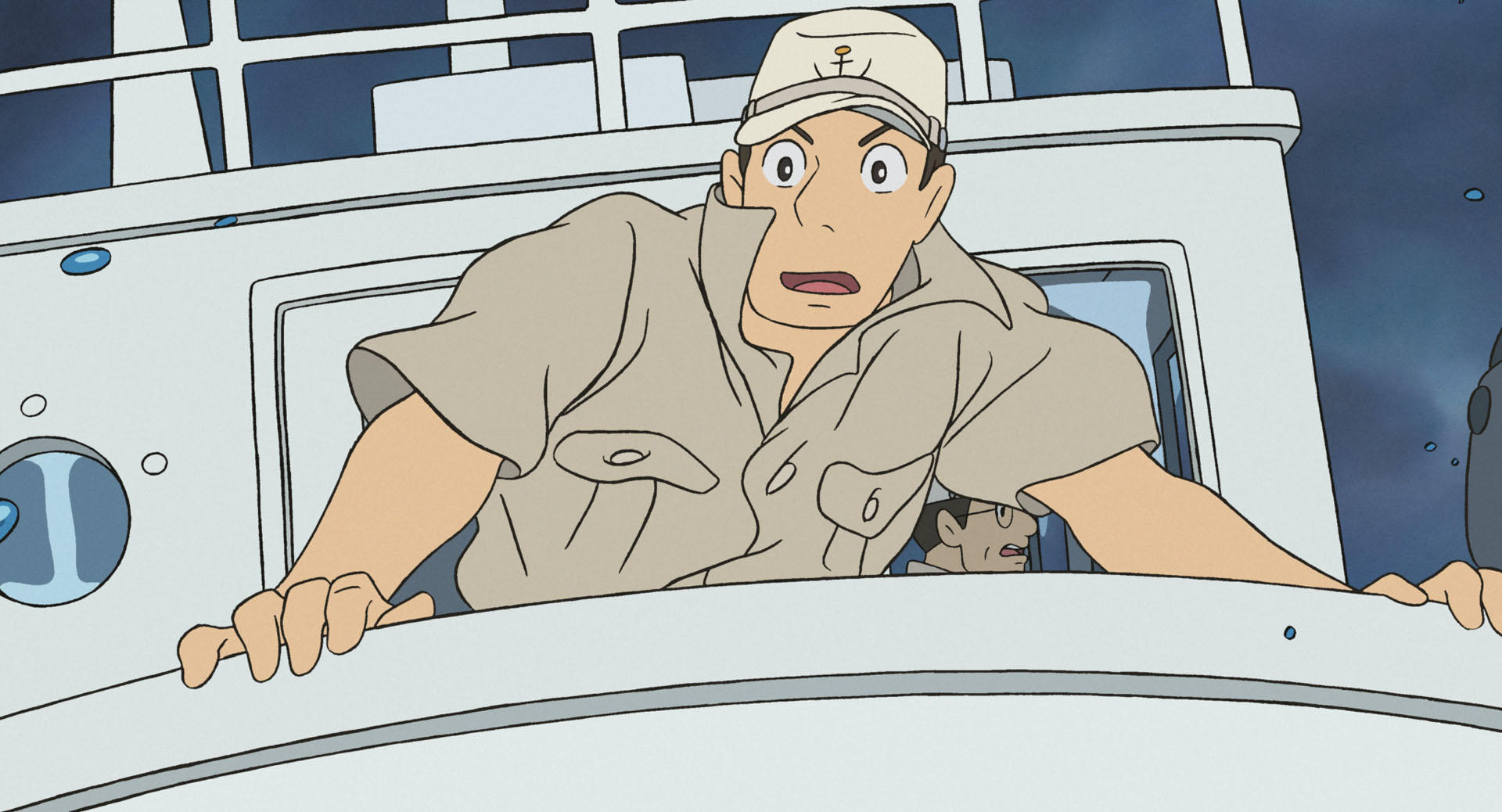
Image note: the still used in this guide comes from Studio Ghibli’s official Ponyo work page, where the studio provides images with the notice 「※画像は常識の範囲でご自由にお使いください。」, commonly understood as allowing use within common-sense bounds.