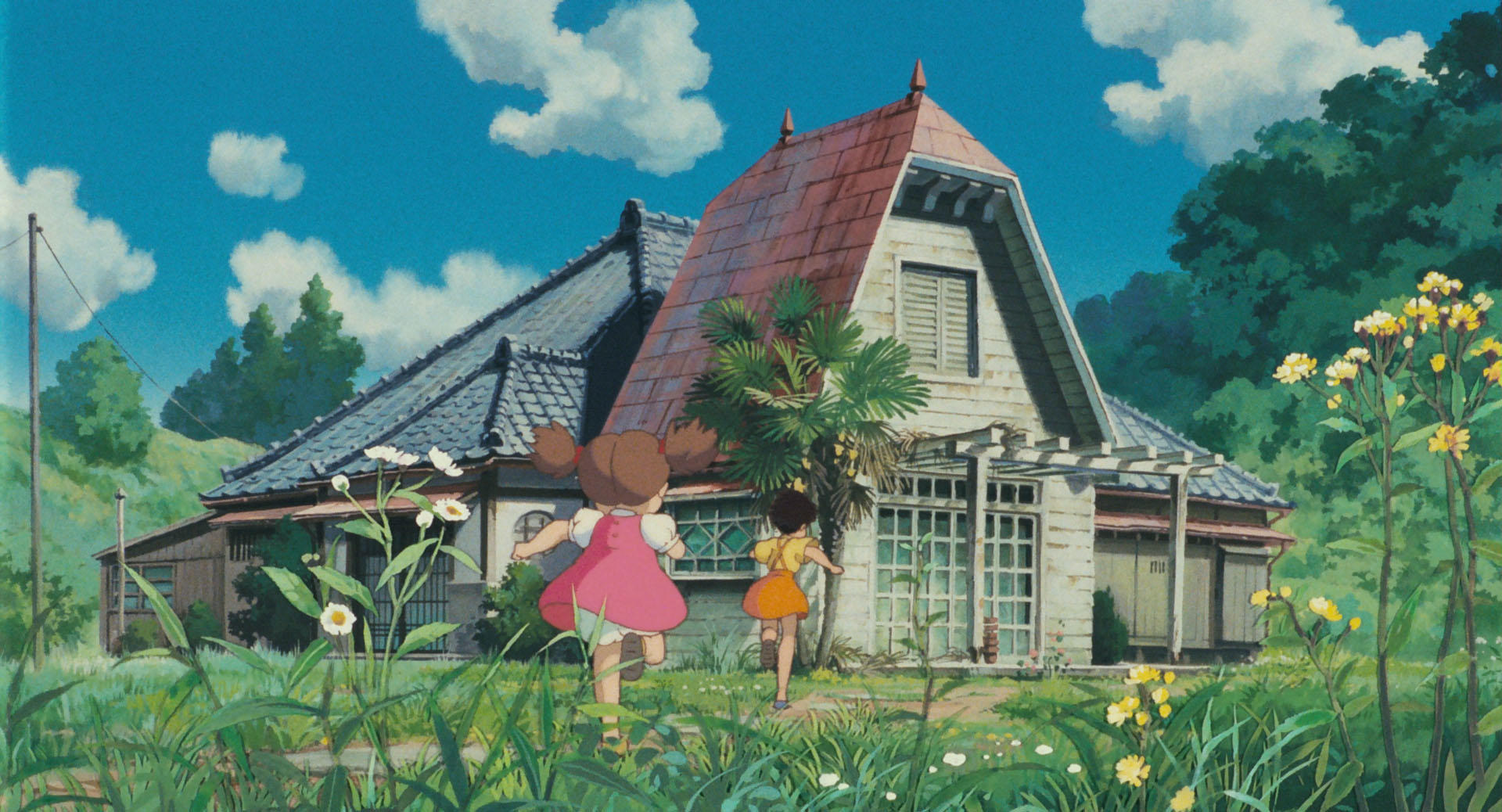
Quick answer: if you want to understand Studio Ghibli by director, start with Hayao Miyazaki for wonder, flight, childhood, nature and adventure, then watch Isao Takahata for quieter realism, memory, family, grief and everyday life. After that, branch into the later Ghibli directors to see how the studio changed beyond its two founders.
Most beginner lists treat Studio Ghibli as one single mood. That works for a first weekend, but it can hide why the films feel so different from each other. My Neighbor Totoro, Princess Mononoke and Spirited Away have a very different rhythm from Only Yesterday, Pom Poko or The Tale of the Princess Kaguya. Watching by director is one of the best ways to make sense of that difference.
The simple director route
If you are new, use this route rather than trying to watch every film in strict release order. It gives you the clearest contrast between the studio’s major creative voices without overwhelming you.
- Hayao Miyazaki starter: My Neighbor Totoro, Kiki’s Delivery Service, Spirited Away, then Princess Mononoke.
- Isao Takahata starter: Only Yesterday, Pom Poko, Grave of the Fireflies, then The Tale of the Princess Kaguya.
- Next-generation Ghibli: Whisper of the Heart, The Secret World of Arrietty, When Marnie Was There and From Up on Poppy Hill.
- Completionist route: fill the gaps using the site’s Studio Ghibli movies in order guide.
Hayao Miyazaki: adventure, nature, flight and moral complexity
Miyazaki is the director most people think of first when they hear Studio Ghibli. His films often begin with a young person moving through a strange but emotionally believable world. There may be flying machines, forest spirits, witches, bathhouses or cursed castles, but the emotional hook is usually simple: a child growing braver, a family under pressure, a world out of balance, or a person learning how to live with responsibility.
For a gentle start, choose My Neighbor Totoro. It is not driven by a villain or a complicated plot. It is about childhood, illness, rural life and the feeling that the natural world is alive just beyond the edge of ordinary sight. For a slightly older or more independent viewer, Kiki’s Delivery Service is a perfect second step because it turns magic into a story about work, confidence and burnout.
Spirited Away is the best midpoint because it brings together many Miyazaki signatures: a young heroine, a strange rule-bound world, greedy adults, ambiguous spirits, food, work and transformation. Princess Mononoke is the heavier endpoint for this route. It is still magical, but it is more violent and politically complex, with humans, gods and industry all shown as messy rather than simply good or bad.
Isao Takahata: memory, realism, loss and ordinary life
Takahata’s Ghibli films can surprise viewers who expect every Studio Ghibli movie to feel like a Miyazaki fantasy. He is often quieter, sharper and more interested in memory, social pressure, family systems and the emotional weight of ordinary decisions. His films can be funny and strange, but they are rarely escapist in the same way.
Only Yesterday is a strong Takahata starting point if you want adult reflection rather than fantasy adventure. It follows memory, regret and the feeling of comparing the life you have with the life you might have chosen. Pom Poko looks sillier from the outside, but it is a surprisingly pointed ecological and cultural story about tanuki trying to survive development. Grave of the Fireflies is essential but emotionally severe, so it should not be treated as a casual family watch.
For the film’s folklore, environmental argument and unusually honest ending, continue with the full Pom Poko guide.
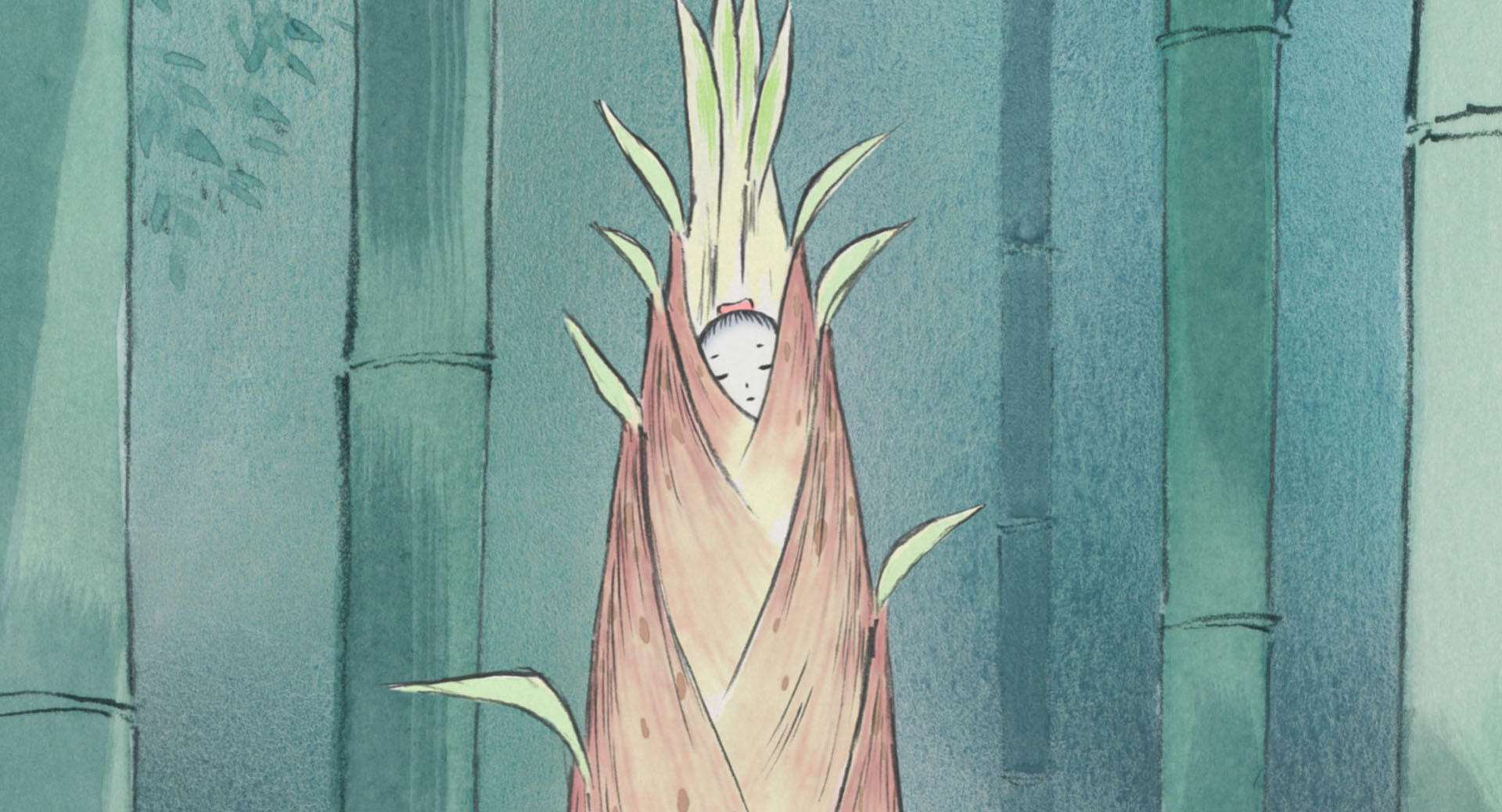
The Tale of the Princess Kaguya is the best late Takahata summary. Its sketch-like style feels very different from the clean fantasy look many viewers associate with Ghibli, but that is the point. The film is about beauty, pressure, freedom, family expectation and the cost of being turned into an ideal. If Miyazaki often makes impossible worlds feel lived-in, Takahata often makes ordinary feelings feel mythic.
The full Princess Kaguya guide connects Takahata’s visual approach with the Bamboo Cutter folklore, Kaguya’s choices, the moon procession, family pressure and viewer guidance.
Other Studio Ghibli directors to know
Studio Ghibli is not only Miyazaki and Takahata. Yoshifumi Kondō directed Whisper of the Heart, one of the studio’s warmest coming-of-age stories. It is a great bridge between slice-of-life realism and romantic imagination, especially for viewers who like character growth more than big fantasy stakes.
Hiromasa Yonebayashi directed The Secret World of Arrietty and When Marnie Was There, both of which are delicate, emotional and accessible to viewers who prefer quieter stories. Gorō Miyazaki’s From Up on Poppy Hill is also worth including because it shows a more grounded, nostalgic side of the studio. These films help turn a casual Ghibli watchlist into a fuller map of the studio’s range.
Best order if you only want six films
| Step | Film | Director | Why it earns the slot |
|---|---|---|---|
| 1 | My Neighbor Totoro | Hayao Miyazaki | Gentle, iconic, family-friendly introduction. |
| 2 | Kiki’s Delivery Service | Hayao Miyazaki | Clear emotional story about independence and confidence. |
| 3 | Only Yesterday | Isao Takahata | Shows Ghibli’s adult, reflective side. |
| 4 | Spirited Away | Hayao Miyazaki | The most complete bridge between wonder and unease. |
| 5 | The Tale of the Princess Kaguya | Isao Takahata | A visually bold Takahata masterpiece. |
| 6 | Whisper of the Heart | Yoshifumi Kondō | Expands the route beyond the founders. |
How this helps after your first Ghibli watchlist
A director route also helps when you are recommending films to someone else. If they loved the cozy domestic feeling of Totoro, they may not want to jump straight to Grave of the Fireflies. If they loved the adult reflection of Only Yesterday, they might connect more with Whisper of the Heart or The Wind Rises than with the biggest fantasy films. Studio Ghibli is strongest when you choose by viewer, mood and tolerance for sadness rather than by popularity alone.
It is also useful for rewatching. Miyazaki rewatches tend to reveal movement, design, moral tension and worldbuilding details. Takahata rewatches tend to reveal social observation, emotional restraint and the small ways people explain themselves to themselves. The best route is not about ranking one above the other. It is about noticing that Studio Ghibli became beloved because it can hold both of those modes at once.
FAQ
Should beginners watch by director or release date?
Watch by director if your goal is to understand the studio’s creative range quickly. Watch by release date if you want to see how the studio developed historically. For most new viewers, a director route is easier and more satisfying.
Which director is best for children?
Miyazaki is usually the safer starting point for younger viewers, especially My Neighbor Totoro, Ponyo and Kiki’s Delivery Service. Takahata has family-friendly moments, but some of his major films are more emotionally difficult or adult in focus.
What should I read next?
If you want a broader route, use the watch order guide. If you are choosing for a younger viewer, compare this with the best Studio Ghibli movies for kids guide. If you want a mood-based route, try the Studio Ghibli movies by mood guide.
Image note: images used in this guide are official Studio Ghibli stills from ghibli.jp, where the work pages include the usage notice: “※画像は常識の範囲でご自由にお使いください。”