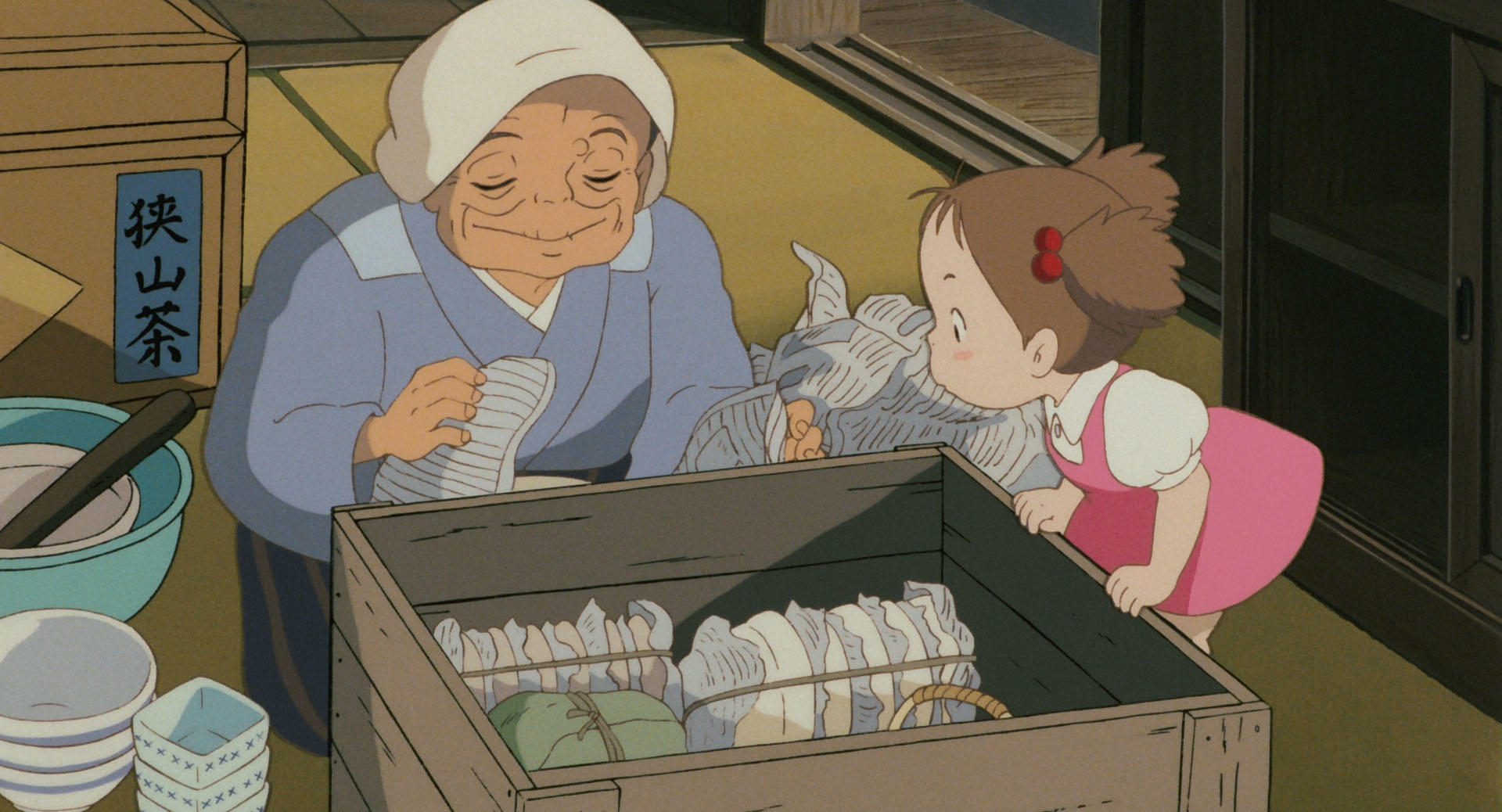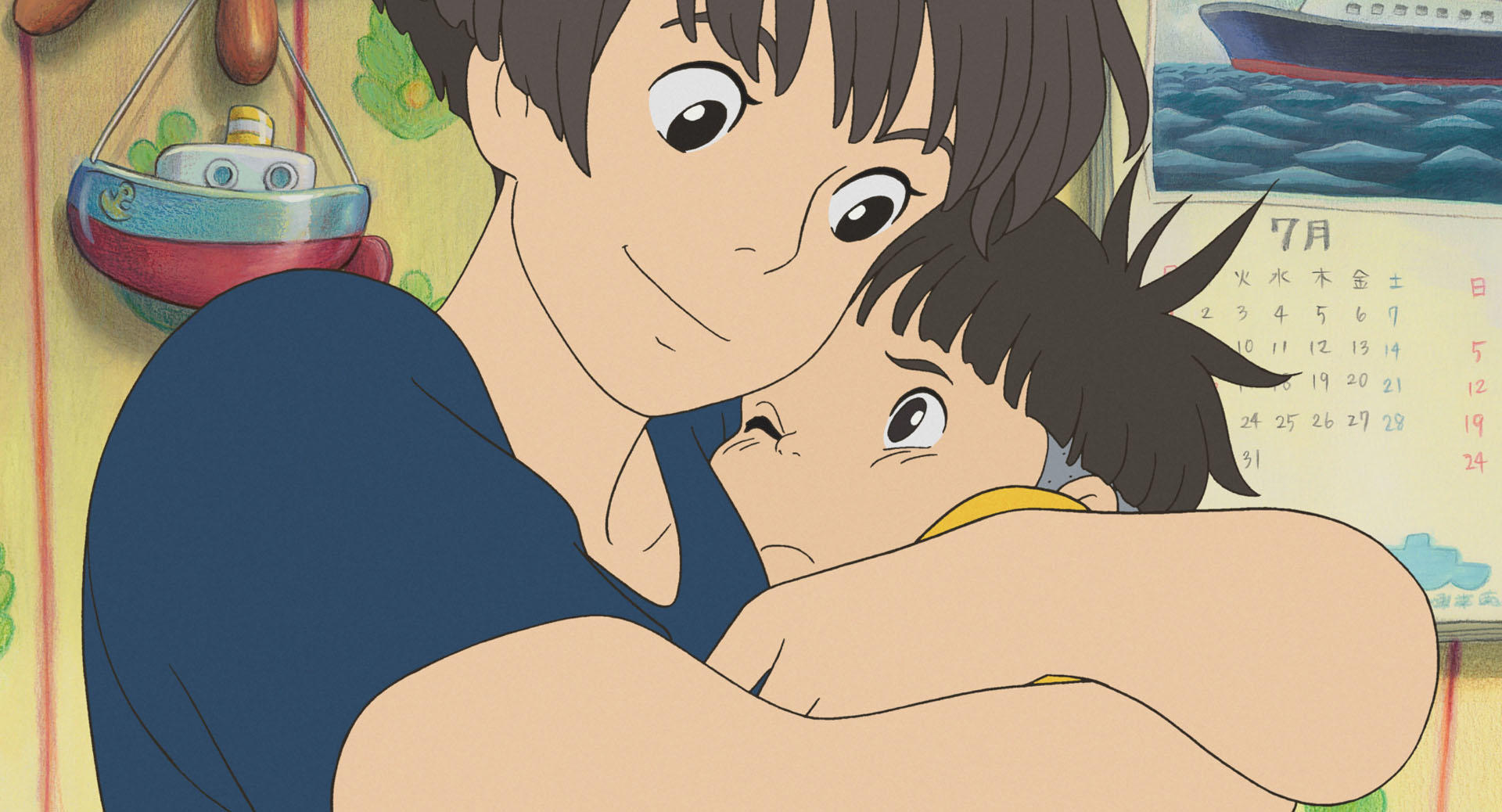
Quick answer: the main Ponyo characters are Ponyo, Sosuke, Lisa, Fujimoto and Granmamare. Ponyo is the impulsive magical fish-girl who wants to live as a human. Sosuke is the steady five-year-old who accepts her without fear. Lisa is Sosuke’s brave, exhausted, loving mother. Fujimoto is Ponyo’s anxious wizard father, and Granmamare is the sea-mother figure who sees the bigger balance behind Ponyo’s choice.
This guide explains who each character is, what they want, and why their relationships make Ponyo feel so warm even when the ocean starts rising. It is spoiler-light in the first half, then more interpretive later, so new viewers can still use it before a family watch.
Ponyo: the childlike force of wanting
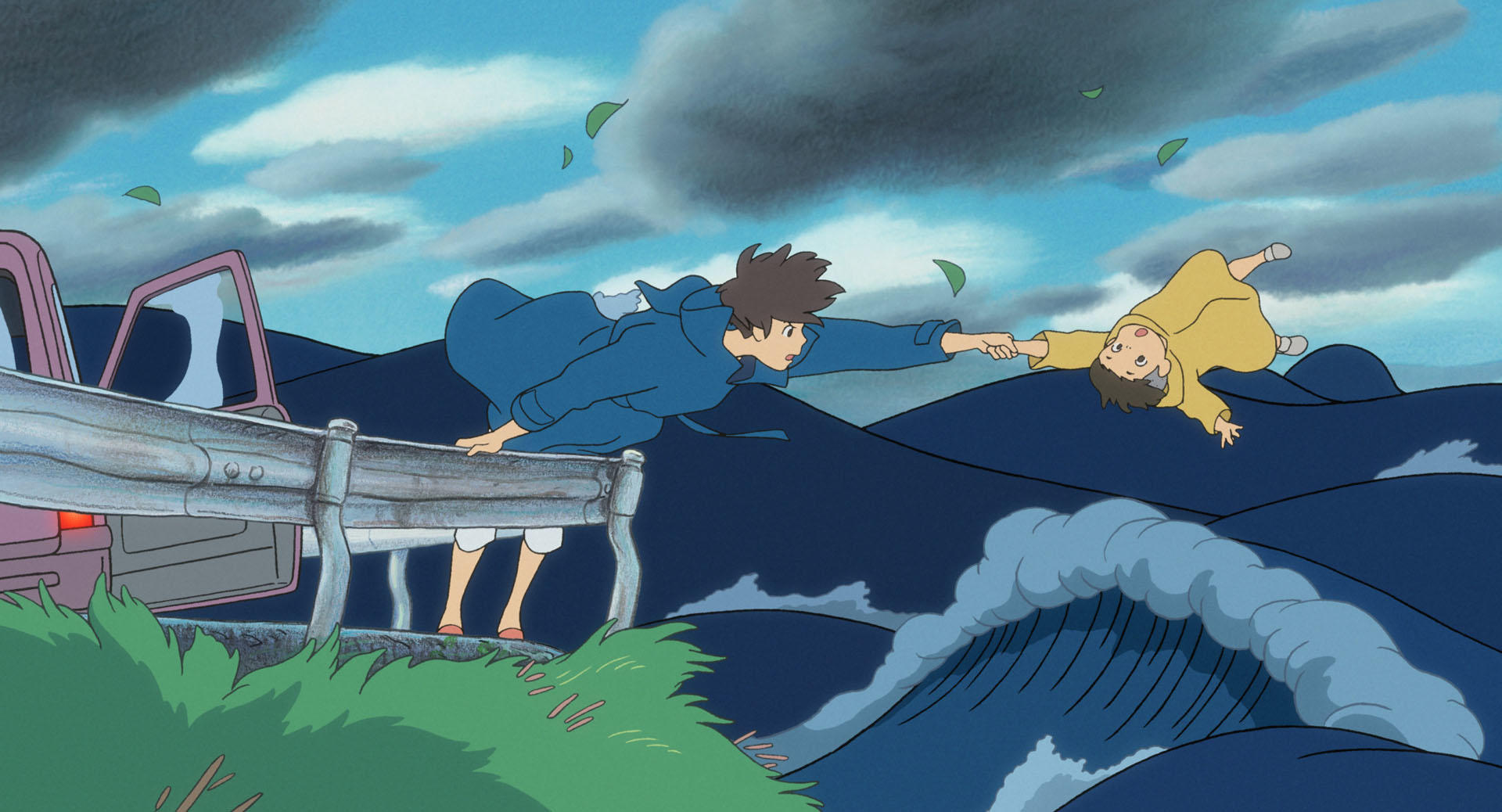
Ponyo is one of Studio Ghibli’s simplest characters on the surface and one of its most expressive. She does not begin the film with a polished plan. She wants ham, she wants Sosuke, she wants legs, she wants to run across the waves, and she wants the world to answer her feelings immediately. That directness is the point. Ponyo is not written like a cautious fantasy princess. She is closer to a toddler, a sea spirit and a tiny storm all at once.
Her magic makes her feelings visible. When she is excited, the ocean itself seems to leap forward with her. When she pushes against Fujimoto’s rules, the boundary between sea and land becomes unstable. That does not make Ponyo a villain. It makes her a child with enormous power and very little understanding of consequence. The story’s emotional question is not simply whether Ponyo can become human. It is whether love can survive when a child’s wish disrupts the adult world around her.
Sosuke: the calm centre of the story
Sosuke works because he is not treated as a tiny action hero. He is kind, stubborn, observant and unusually steady for a five-year-old, but he is still a child. His promise to Ponyo matters because it is uncomplicated. He does not need to categorise her correctly before loving her. Fish, girl, magic, ocean spirit: Sosuke accepts the person in front of him.
That makes him the emotional anchor of the film. While adults worry about storms, ships, roads and the broken order of nature, Sosuke keeps returning to immediate acts of care. He protects Ponyo in the bucket, shares food with her, looks for Lisa, and tries to understand what is happening without turning cruel or fearful. For more practical viewing context, the site’s parent guide to whether Ponyo is scary for kids is a useful companion to this character guide.
Lisa: the exhausted, fearless Ghibli mother
Lisa is one of the reasons Ponyo feels grounded instead of sugary. She is loving, funny, impatient and clearly stretched thin. Her husband Koichi is often away at sea, she works at a senior-care home, and she is raising Sosuke with a mix of tenderness and high-speed competence. The famous reckless driving sequence tells us a lot about her: Lisa is not careless because she does not love her child. She is fierce because she does.
Her relationship with Sosuke also gives the film its ordinary human warmth. They talk on the radio with Koichi, eat simple meals, check on the elderly residents and turn a storm night into something survivable. Lisa is not magical, but she has a Ghibli kind of courage: practical courage. She does what needs doing, then worries later.
Fujimoto: not a villain, but a frightened parent
Fujimoto can look threatening when he first appears, especially to younger viewers. He is pale, dramatic, secretive and convinced the human world is dirty and dangerous. But he is better understood as an anxious parent than a villain. His controlling behaviour is real, and Ponyo is right to resist being treated like property. At the same time, Fujimoto’s fear is not random. He knows Ponyo’s power can disturb the balance between sea and land.
That tension makes him more interesting than a simple antagonist. He loves Ponyo, but he tries to protect her by limiting her. He distrusts humans, but the story pushes him to recognise Sosuke’s sincerity. In that sense, Fujimoto mirrors many adult fears in Studio Ghibli films: the world is changing, children are growing beyond control, and love cannot always prevent risk.
Granmamare: the sea mother and the film’s wider balance
Granmamare arrives with a calm that changes the scale of the movie. She is Ponyo’s mother, but she also feels like an embodiment of the sea itself: ancient, generous and difficult to reduce to ordinary family roles. Where Fujimoto panics, Granmamare sees a test. Where Ponyo acts from desire, Granmamare asks whether that desire can be held responsibly by love.
Her presence is why the ending feels mythic rather than procedural. The film does not pause to explain every rule of Ponyo’s transformation, because Granmamare represents a deeper order than rules on a chart. If you want a fuller reading of that final test and the ocean balance, read the site’s Ponyo ending explained guide.
Koichi, the care-home residents and the wider village
Koichi, Sosuke’s father, is physically distant for much of the story because he works at sea, but he still matters. His radio messages show that this is a family used to absence, weather and waiting. That makes Sosuke’s emotional maturity easier to understand. He has grown up around adults who keep loving each other across gaps.
The elderly residents at Lisa’s workplace also give Ponyo a gentler community shape. Toki’s suspicion and complaints are funny, but they are also part of the film’s texture: children, parents and older people all experience the same strange event differently. By the end, the flood does not simply threaten private homes. It gathers the community into a shared, dreamlike space.
What the Ponyo characters are really about
The character design in Ponyo is deliberately broad and readable. Ponyo is appetite and wonder. Sosuke is trust. Lisa is daily courage. Fujimoto is protective fear. Granmamare is acceptance and balance. Together, they turn a small story about a girl from the sea into a family myth about change.
That is why Ponyo works so well as an early Studio Ghibli film for families. Children can follow the feelings immediately, while adults may notice the more complicated emotions underneath: parental anxiety, absent work, environmental unease, exhaustion, devotion and the terrifying act of letting a child grow. For broader route-planning, start with the Studio Ghibli movies in order watch guide or the movies like Ponyo guide.
For a spoiler-light overview of the film around these characters, including viewer guidance, themes and watch-order context, see the complete Ponyo movie guide.
FAQ
Who is the main character in Ponyo?
Ponyo and Sosuke share the centre of the film. Ponyo drives the magical conflict through her wish to become human, while Sosuke gives the story its emotional test through his promise to accept and care for her.
Is Fujimoto evil in Ponyo?
No. Fujimoto is controlling and frightening at times, but he is not evil. He is a worried father who fears what humans and imbalance could do to Ponyo and the sea.
Who is Ponyo’s mother?
Ponyo’s mother is Granmamare, a powerful sea goddess figure. She is calm, immense and closely tied to the film’s idea of natural balance.
Why does Sosuke’s promise matter?
Sosuke’s promise matters because it proves his love is not based on Ponyo staying one fixed thing. He accepts her as fish, girl and magical being, which is the emotional foundation for the ending.
Image note: images used in this article are official Studio Ghibli stills from ghibli.jp’s Ponyo work page, where Studio Ghibli includes the common-sense usage notice: 「※画像は常識の範囲でご自由にお使いください。」