Quick answer: Sophie Hatter is the emotional center of Howl’s Moving Castle: a practical, underestimated heroine whose curse reveals her courage.
Who is Sophie Hatter?
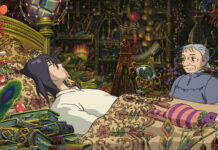
Sophie Hatter is the hat-shop worker at the center of Howl’s Moving Castle. At the beginning, she believes she is ordinary, plain, and trapped by the idea that the eldest daughter does not get an adventurous life. Her journey begins when the Witch of the Waste curses her into the body of an old woman, but the deeper curse is the small life Sophie had already accepted for herself.
That is what makes Sophie such a rich Ghibli heroine. She does not start with obvious magical power or warrior confidence. She starts with practical kindness, frustration, and a habit of underestimating herself. The film lets those ordinary traits become heroic.
Why the old-age curse changes Sophie
The curse is frightening, but it also frees Sophie from the social performance that constrained her. As an old woman, she becomes blunt, funny, stubborn, and bold. She leaves home, talks back to wizards, makes deals with fire demons, and cleans the castle as if claiming space in the world for the first time. For searchers comparing different interpretations, the safest approach is to separate what the film states directly from what it invites emotionally. Studio Ghibli rarely reduces its best moments to one locked answer; the films reward attention to behavior, setting, silence, and change over lore charts.
The irony is that age reveals Sophie’s youthfulness. She becomes more alive once she stops trying to fit the role of the quiet, dutiful girl. Her body changes, but her spirit expands.
Sophie and Howl
Sophie’s relationship with Howl works because she sees past his glamour without dismissing his pain. Howl is vain, evasive, dramatic, and capable of real courage. Sophie is unimpressed by the performance but deeply moved by the wounded person underneath it. She does not fix him by adoring the handsome wizard; she loves him enough to challenge his cowardice and protect his heart.
Howl also helps Sophie see herself differently. He recognizes her strength before she fully does. Their romance is less about instant attraction than mutual revelation: each becomes more honest in the presence of the other.
Why Sophie remains memorable
Sophie remains memorable because her courage is domestic, emotional, and persistent. She cleans, cooks, walks, argues, protects, forgives, and keeps going. Ghibli often treats care as a serious power, and Sophie is one of the clearest examples. Her magic is not just a spell; it is the ability to make people and places more truthful than she found them.
Keep exploring: Start with the Studio Ghibli movies in order guide, then browse movie guides, character guides, endings explained, and rankings.
Image note: featured imagery uses official Studio Ghibli stills made available through ghibli.jp for common-sense fan/press use.
How this guide fits into a bigger Ghibli watch path
This topic also works best when it is not treated in isolation. Studio Ghibli stories often repeat ideas through different moods: a child crossing into a strange world, a home becoming safer through care, a natural place asking to be remembered, or a character learning that courage can be quiet. Reading one film alongside another helps the patterns become clearer without forcing every movie into the same timeline.
If you are new to the studio, use this guide as a doorway rather than a final answer. Watch the relevant film once for feeling, then return to specific scenes for details: how characters speak, what they refuse, when music drops away, what food or work represents, and how the landscape changes around them. Those details usually explain more than a literal lore summary.
What to notice on a rewatch
On a rewatch, pay attention to the small choices that reveal character. Ghibli often lets growth appear through posture, silence, chores, meals, travel, and the way someone treats a weaker or stranger being. A character may not announce that they have changed; the film shows it through what they are finally able to see, say, or give up.
It is also worth noticing how little the films rely on simple villains. Even frightening figures usually reflect a pressure in the world around them: greed, loneliness, war, vanity, fear, or forgetfulness. That moral complexity is one reason these stories keep attracting adult viewers as well as children.
FAQ for searchers
Is there one official interpretation?
Usually no. Studio Ghibli films give viewers strong emotional direction, but they often avoid reducing symbols to a single dictionary meaning. The best interpretation should fit the story, the character arc, and the feeling of the ending.
Is this a good entry point for new fans?
Yes. Explainer and character guides are useful for first-time viewers because they clarify what to watch for without requiring a full franchise background. Most Ghibli films stand alone, so curiosity is more important than chronology.
Why Sophie’s age change matters
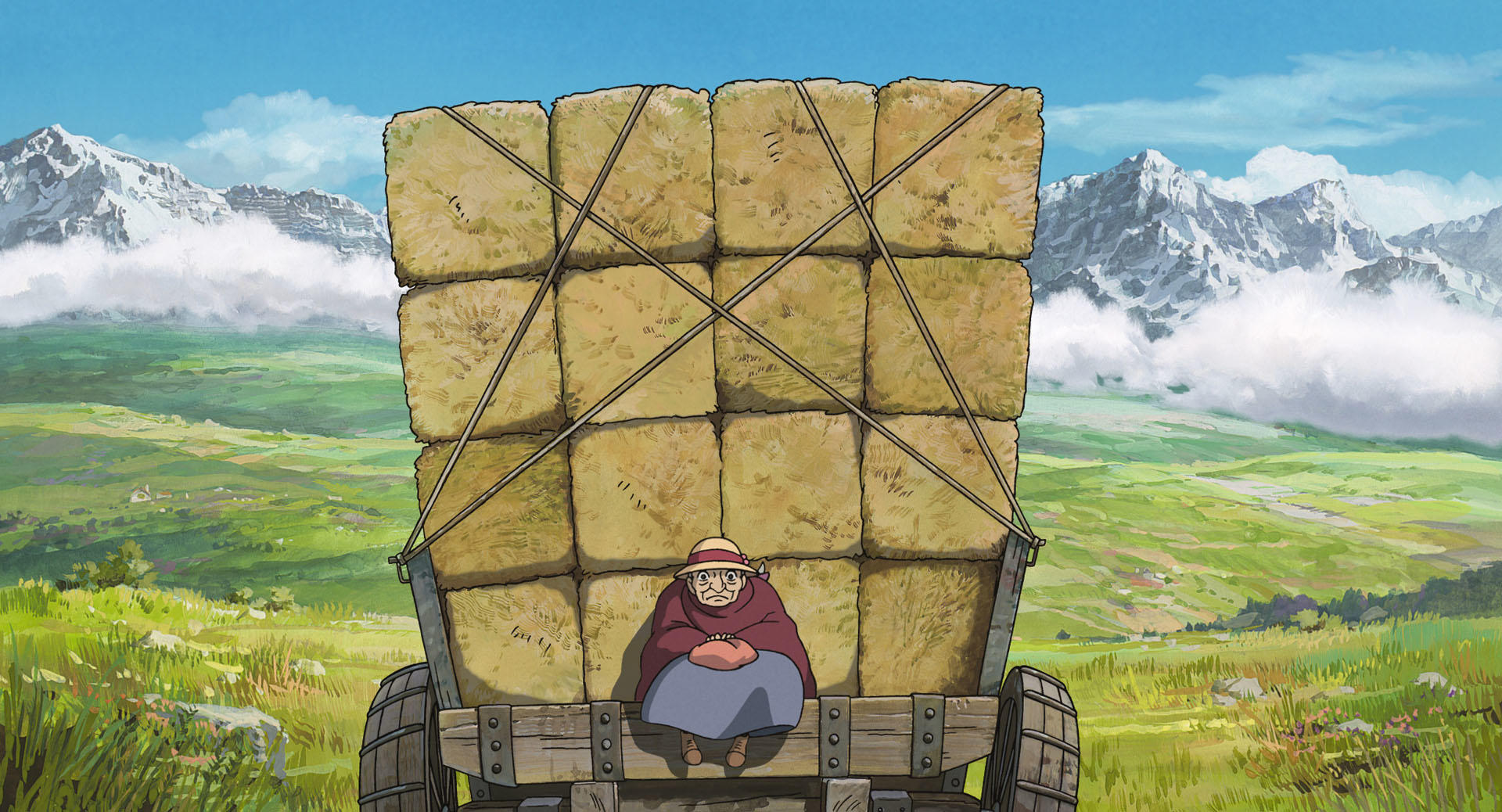
Sophie’s transformation is not just a fairy-tale curse. It externalises the way she already sees herself. At the start of Howl’s Moving Castle, Sophie behaves as if her life has narrowed before it has really begun. She is practical, dutiful, and convinced that she is less interesting than the people around her. Becoming an old woman turns that private belief into something visible, which makes the spell emotionally sharper than a simple magical inconvenience.
The clever part is that age also gives Sophie permission. Once she looks old, she stops trying to perform youth, politeness, or prettiness for other people. She speaks more bluntly. She walks into danger. She cleans Howl’s impossible house because it needs doing, not because anyone has given her a neat heroic role. The curse limits her body at times, but it also releases a version of Sophie that was trapped under expectation.
Sophie and Howl: a romance built on seeing clearly
Sophie and Howl work because neither character is allowed to remain a fantasy version of themselves. Howl appears glamorous, powerful, and untouchable, but he is also vain, avoidant, frightened, and damaged by the war around him. Sophie appears plain and sensible, but she has a fierce emotional intelligence that cuts through Howl’s performance. Their relationship becomes compelling because it is not only about attraction. It is about recognition.
Sophie sees the frightened person beneath Howl’s style. Howl sees Sophie’s courage before she fully accepts it herself. That is why the romance has more weight than a simple beauty-and-the-beast reversal. The film keeps asking what remains when glamour, youth, magic, and self-protection fall away. Sophie’s answer is care, stubbornness, and the willingness to keep choosing people even when they are difficult.
What Sophie adds to the film’s anti-war story
Howl’s Moving Castle is often remembered for its romance and moving house, but Sophie is also central to the film’s anti-war feeling. She is not a general, a wizard-politician, or a soldier. She is an ordinary person forced to move through a world being bent by powerful people. That ordinary perspective matters. Through Sophie, the war feels wasteful and absurd rather than grand.
Her courage is domestic and moral before it is spectacular. She feeds people. She cleans. She protects Markl. She challenges Madame Suliman. She refuses to treat Howl as a weapon. In a film full of flying machines and magical contracts, Sophie’s most important power is the refusal to let other people become objects. That makes her one of Ghibli’s most quietly radical heroines.
FAQ
Why does Sophie sometimes look younger again?
The film suggests that Sophie’s appearance shifts with confidence, emotion, and self-perception. The spell is magical, but it is tied to how Sophie understands herself. When she acts with clarity and love, the old-woman form loosens.
Is Sophie the real hero of Howl’s Moving Castle?
Yes. Howl has the flashier magic, but Sophie drives the emotional change. She enters the castle, repairs the household, confronts the curse, and helps Howl choose something better than fear and escape.
Image source note: imagery in this guide uses official Studio Ghibli stills from ghibli.jp, where official still pages include the common-sense usage notice.