Short answer: The Wind Rises ends with Jiro Horikoshi accepting that his beautiful dream of designing aircraft has been tied to grief, war, and the loss of Naoko. The final dream meeting with Caproni is not a simple “happy ending.” It is a bittersweet reckoning: Jiro is told to live, even after his planes and his love story have been swallowed by history.
What happens at the end of The Wind Rises?
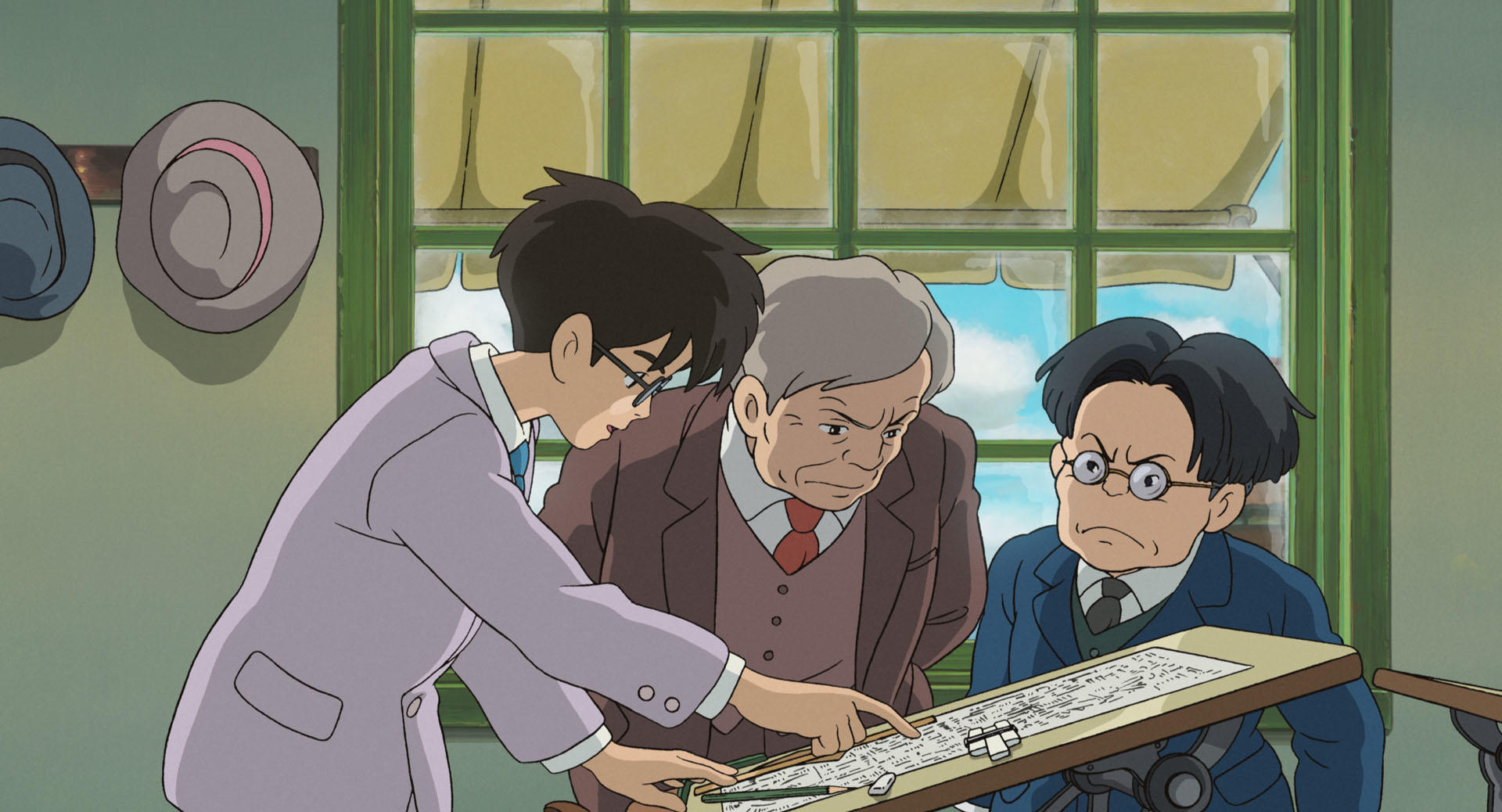
By the final act, Jiro has achieved the goal that shaped his adult life. He has helped design the Mitsubishi A5M and the later Zero fighter, aircraft that are treated in the film as astonishing technical achievements. Yet the story refuses to let that achievement sit cleanly as triumph. The planes are beautiful in movement, but they are also built for war. Jiro’s professional dream has become part of a national machine moving toward destruction.
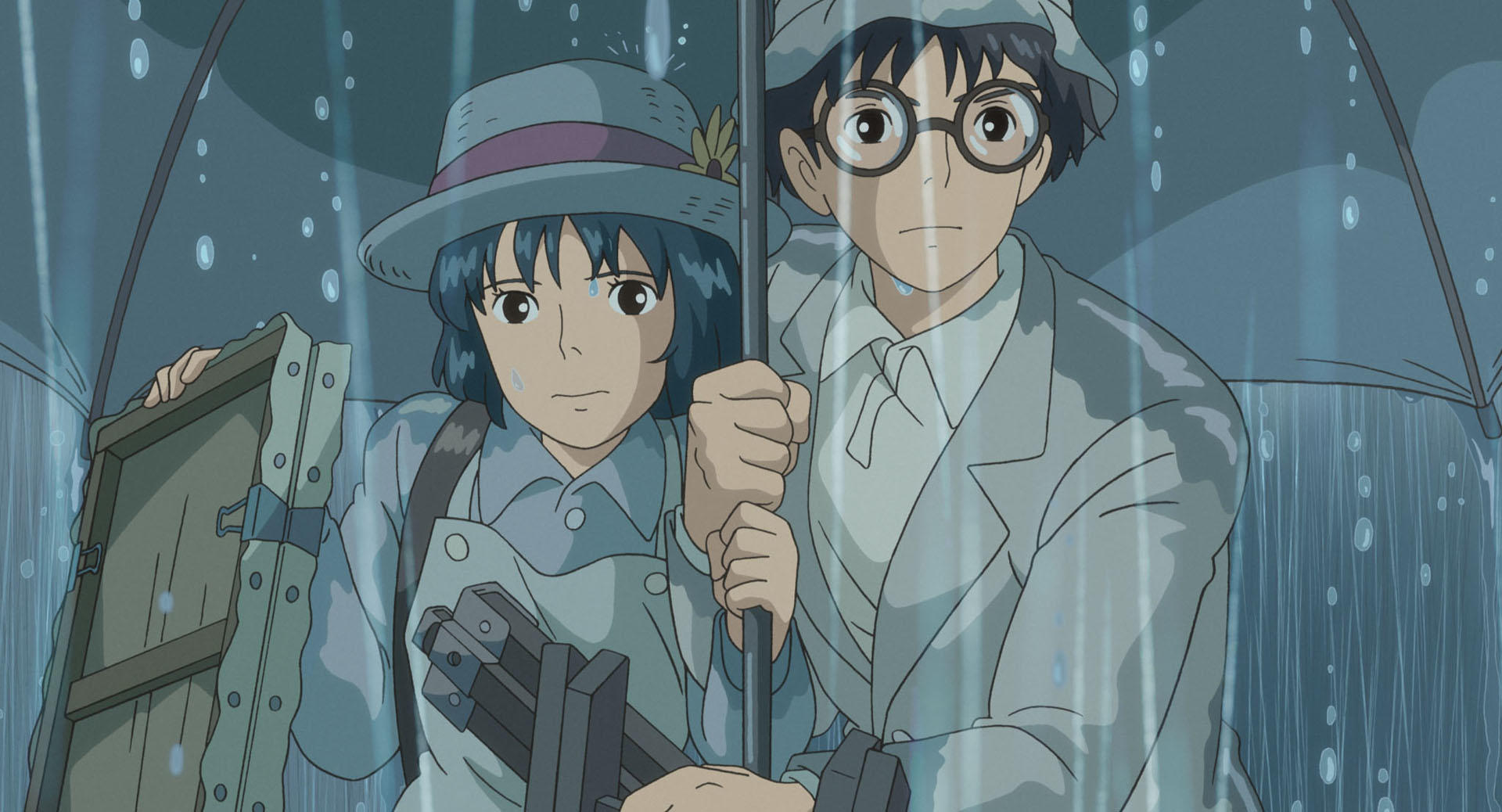
At the same time, his private life is collapsing. Naoko, who has tuberculosis, leaves the mountain sanatorium to spend limited time with him. Their marriage is tender, but fragile from the beginning. She knows her condition is serious, and Jiro knows it too, even when both of them try to live inside the small happiness they have created. When Naoko quietly leaves, she is not abandoning him. She is choosing not to let Jiro watch the full decline of her illness, and she is returning to face death on her own terms.
The ending then moves into the film’s dream space, where Jiro meets Giovanni Caproni again. The dream landscape is filled with wreckage. Jiro sees that none of his planes returned. This line lands heavily because it connects the elegance of design with the human cost of war. The machines achieved flight, but their purpose and historical use led pilots toward death.
Why does Naoko leave Jiro?
Naoko leaves because love in The Wind Rises is not written as possession. She wants Jiro to keep living and working rather than become trapped in a bedside vigil. That does not make her choice easy or painless. It is one of the film’s most devastating moments because it happens quietly. There is no melodramatic farewell scene, only absence, recognition, and the knowledge that both characters understood more than they said aloud.
Her departure also echoes the film’s central line, borrowed from Paul Valéry: “The wind is rising. We must try to live.” Naoko is ill, but she still chooses life while she can. Jiro is gifted, compromised, and grieving, but he is also told to keep living. The film is interested in that difficult instruction. It does not say life becomes clean or fair. It says that after beauty, failure, guilt, and loss, the remaining task is still to live.
Is the final scene a dream, an afterlife, or Jiro’s memory?
The final scene works best as a dreamlike reckoning rather than a literal afterlife scene. Throughout the movie, Jiro’s dream meetings with Caproni allow the film to express thoughts that ordinary dialogue cannot carry. These sequences are where ambition, imagination, temptation, and warning all meet. The ending continues that pattern.
Naoko appearing in this space does not need to be explained as a ghost with strict rules. She is the emotional truth Jiro has to face. She tells him to live, and Caproni also urges him to continue. The scene gathers the two forces that shaped Jiro’s life: his dream of flight and his love for Naoko. Both are gone in their original form. What remains is responsibility, memory, and the question of how to carry on.
What does Caproni mean when he says artists only have ten good years?
Caproni’s “ten years” idea gives the film a melancholy clock. Jiro has a brief window to create at the height of his powers. The tragedy is that his window opens during a period when engineering brilliance is absorbed into militarism. He wants to make beautiful aircraft, but the world around him wants weapons, speed, and national power.
This is why the movie feels more conflicted than a standard biography. It admires craft. It loves the act of drawing, calculating, testing, revising, and seeing a design become real. But it also knows that talent does not exist outside history. A beautiful object can still serve a terrible purpose. Jiro is not painted as a cartoon villain, but Miyazaki does not let him remain innocent either.
Does The Wind Rises excuse Jiro’s role in building warplanes?
No, but it also does not frame the story as a courtroom verdict. The film’s discomfort is the point. Jiro repeatedly says he only wants to make something beautiful, and the animation allows us to feel why that dream matters to him. The planes are rendered with awe. The sound design even gives engines and machinery a strangely human texture. Yet the ending surrounds that beauty with loss.
For viewers expecting a clear moral speech, this can feel frustrating. The Wind Rises is more interested in contradiction. It asks whether a person can pursue beauty inside a damaged system, what compromises become invisible when ambition is intense, and whether private gentleness can coexist with public harm. The film does not provide an easy answer because Jiro’s life does not provide one.
Why the ending feels so sad
The sadness comes from two losses happening at once. Jiro loses Naoko, the person who gives his life warmth beyond work. He also loses the pure version of his dream. By the end, he cannot pretend that aircraft design is only about elegance, lift, and imagination. He has seen where the dream went.
That double grief makes the final instruction to “live” more powerful. It is not cheerful encouragement. It is a burden and a mercy. Jiro cannot undo history, recover Naoko, or make his planes innocent. He can only continue with the knowledge of what beauty cost.
How this ending compares with other Studio Ghibli endings
Many Studio Ghibli endings offer restoration: Chihiro leaves the spirit world changed, Kiki regains enough confidence to fly, and Ponyo’s love helps calm the sea. The Wind Rises is different. It is closer in tone to Ghibli’s adult dramas, where growing up means accepting ambiguity rather than solving everything.
If you are exploring the studio by theme, this is one reason The Wind Rises often works better after a few lighter or more adventurous films. Our Studio Ghibli movies in order guide is a useful route if you want to place it inside a broader watch plan. For more mature picks, see the best Studio Ghibli movies for adults guide.
Four symbols that make the ending clearer
- The ruined aircraft: Jiro’s designs achieved flight, but the empty wreckage prevents him from treating technical success as an innocent victory.
- Caproni: Jiro’s dream mentor embodies the exhilaration of making beautiful machines and the uncomfortable knowledge that creators do not control every use of their work.
- The rising wind: the recurring phrase joins love, illness, political upheaval and time. Circumstances keep moving, and the characters must decide how to live inside that movement.
- Naoko’s final appearance: whether read as memory, dream or spiritual farewell, she expresses the emotional truth Jiro has avoided: he must continue living without pretending that nothing was lost.
Quick interpretation: what The Wind Rises is really saying
The ending says that dreams are not automatically noble just because they are beautiful. Jiro’s dream gives him purpose, discipline, and moments of wonder. It also leads him into work that history uses destructively. Naoko’s love gives the film its tenderness, but even that love cannot stop illness or war. Miyazaki lets all of these truths exist together.
That is why the final scene lingers. Jiro stands in a dream field with the remains of his ambition around him, and the woman he loved tells him to live. It is not forgiveness in a simple sense. It is a command to keep going with open eyes.
FAQ
Does Naoko die in The Wind Rises?
The film strongly implies that Naoko dies from tuberculosis after leaving Jiro. Her final appearance belongs to the film’s dreamlike ending rather than a normal reunion scene.
Why does Jiro see Caproni at the end?
Caproni represents Jiro’s ideal of aviation as art, imagination, and engineering beauty. Seeing him at the end lets Jiro confront both the wonder and the cost of that dream.
Is The Wind Rises based on a true story?
It is inspired by real aircraft designer Jiro Horikoshi, but it is not a strict documentary. The film blends biography, fiction, dreams, literary references, and Miyazaki’s own themes about flight, war, and creation.
Should beginners watch The Wind Rises early?
It can work early if you want a serious adult drama, but many beginners may prefer starting with more accessible films such as Spirited Away, My Neighbor Totoro, or Kiki’s Delivery Service before coming to this quieter, heavier film.
Continue exploring The Wind Rises
For the complete film overview, production context and viewer guidance, visit the The Wind Rises movie guide. The Jiro Horikoshi character guide looks more closely at his ambition and responsibility, while the Ghibli movies for adults guide places the film among the studio’s heavier dramas.
Image note: The stills used here are official Studio Ghibli images from ghibli.jp, where the studio states that images may be used within common-sense bounds: 「※画像は常識の範囲でご自由にお使いください。」