Quick answer: Arrietty’s ending is bittersweet: she and her family must leave, but the friendship with Sho gives both characters courage to face uncertain futures without pretending safety is guaranteed.
This guide explains The Secret World of Arrietty in plain English without flattening it into one rigid theory. Studio Ghibli often leaves room for mystery, but the emotional direction is usually clear: a character learns how to live with change, loss, responsibility, wonder, or desire.
Plain-English explanation
The escape is not defeat; it is the price of survival in a world too large to control.
Sho’s illness and Arrietty’s vulnerability mirror each other, making courage feel quiet rather than heroic.
The film treats scale as emotion: a kitchen, garden, or dollhouse can feel as huge as a kingdom.
Symbols and details that matter
- Borrowed objects symbolize adaptation rather than theft in a fragile life.
- The sugar cube becomes a tiny promise that kindness can outlast contact.
- The river departure gives the ending motion, but not certainty.
- Arrietty’s bravery is practical: she keeps moving even when fear is reasonable.
Why viewers keep debating it
The film keeps literal story and emotional truth moving together. That is why viewers can agree on what happens but still debate what it means. Ghibli’s ambiguity is not laziness; it is an invitation to connect the fantasy image to the viewer’s own experience of growing up, losing something, or trying to act kindly in a difficult world.
How to use this guide
This page is meant to answer the main search question quickly, then give enough context for a useful rewatch. For The Secret World of Arrietty, the most important details are rarely delivered as exposition. They appear in food, rooms, weather, work, names, gestures, music, and the small pauses before a character decides what to do next.
If you are new to Studio Ghibli, treat this as a practical doorway rather than homework. Watch the film once for feeling, then return to the guide for structure. If you are already a fan, use the sections as prompts for noticing how carefully the scene craft supports the emotion.
Related viewing path
After this, browse the Studio Ghibli movies-in-order guide, the site’s watch guides, character explainers, and ranking pages. Ghibli films usually stand alone, so the best next watch depends on mood: cosy, strange, romantic, ecological, sad, adventurous, or dreamlike.
Editorial note
This article is original fan-guide analysis. It uses official Studio Ghibli imagery only and avoids rehosting Reddit, Pinterest, Google Images, or fan-site images. Fan discussions can reveal what viewers are curious about, but the interpretation here is written from the films themselves.
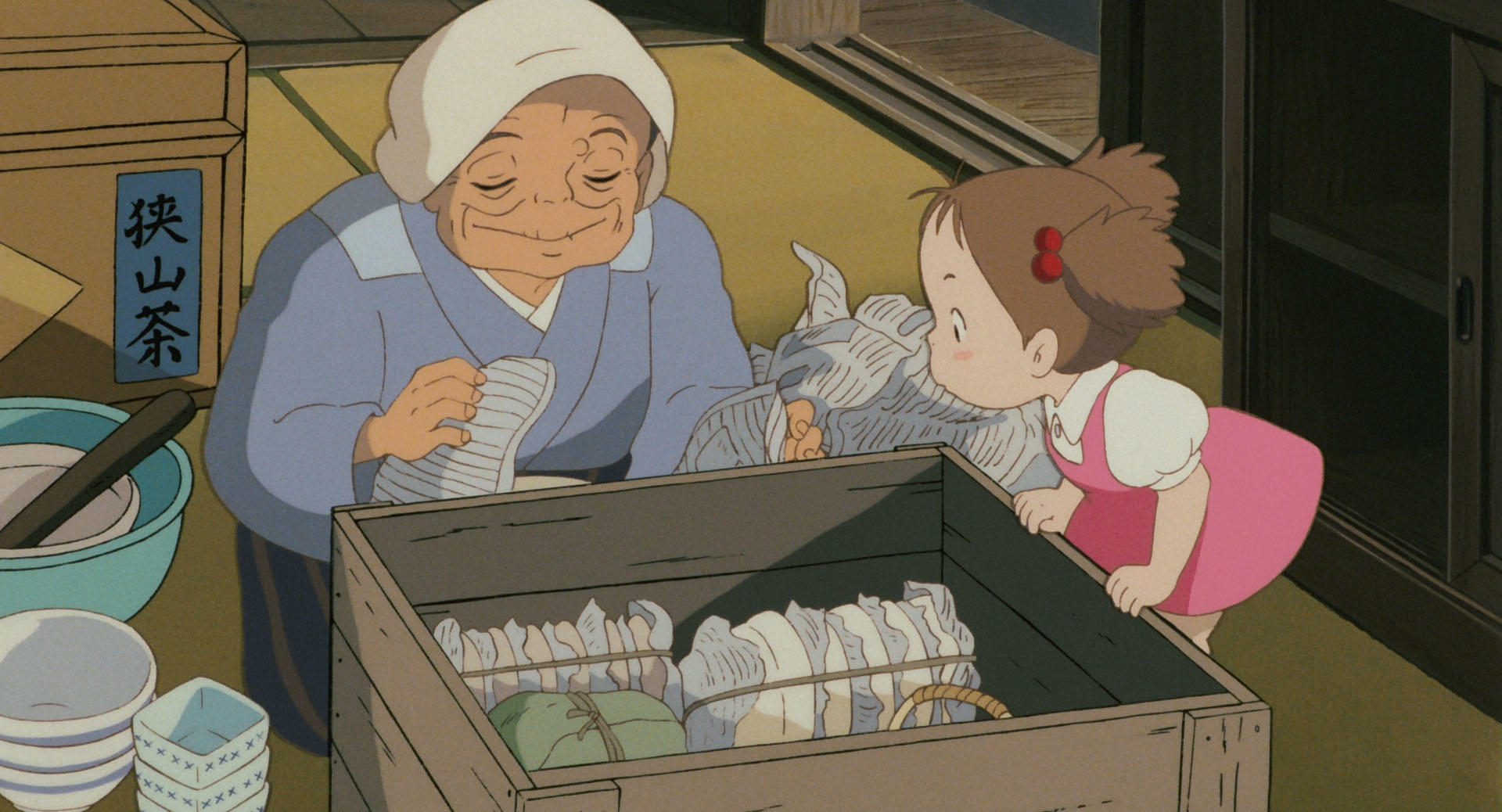
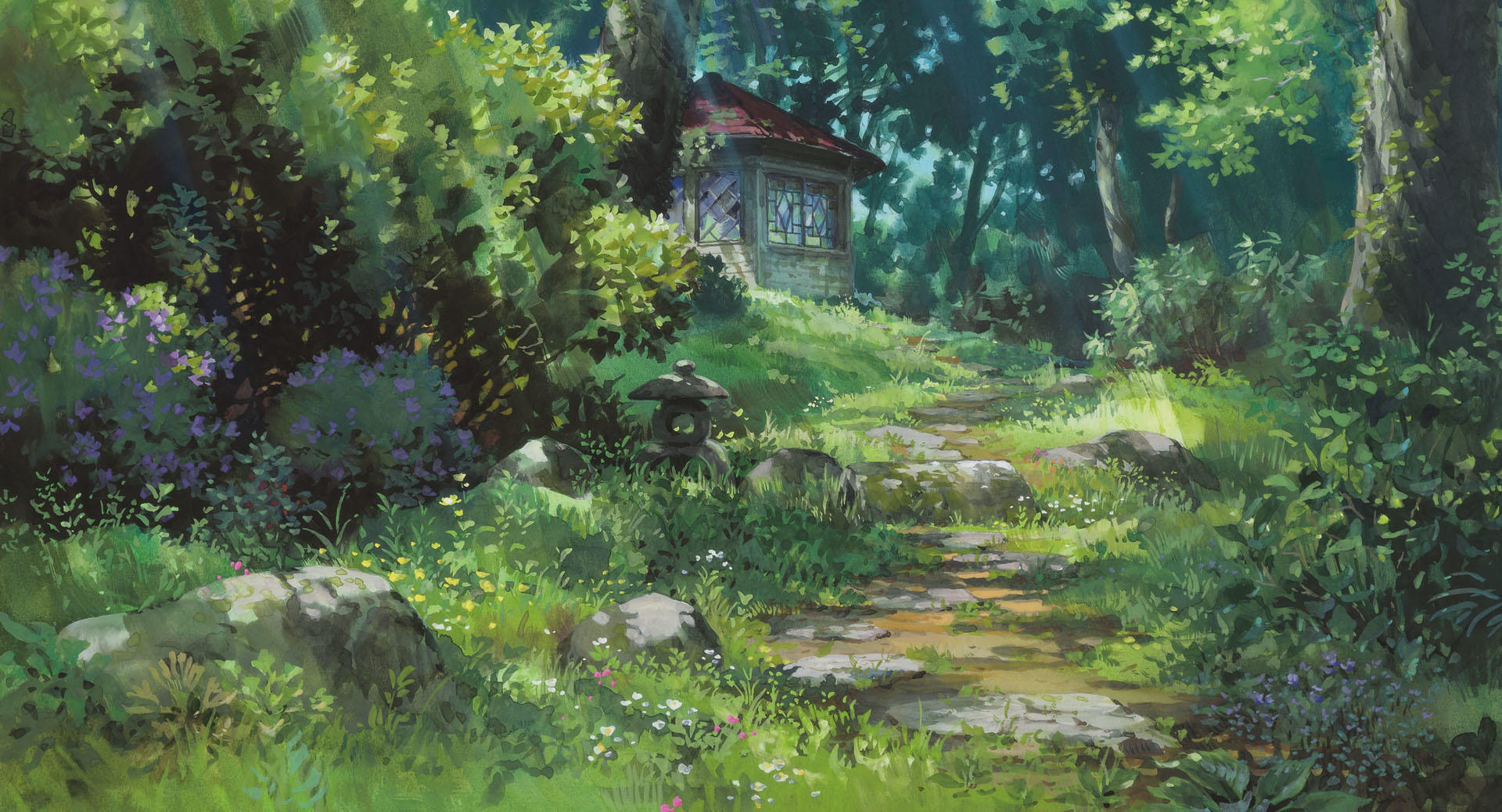
Image source note: featured image uses an official Studio Ghibli still from the The Secret World of Arrietty official image pack staged from ghibli.jp. Studio Ghibli’s official work pages include the usage notice “※画像は常識の範囲でご自由にお使いください。”
Rewatch checklist
On a rewatch, pay attention to the film’s small practical details: meals, doors, journeys, weather, rooms, clothing, names, tools, animals, and pauses before decisions. Studio Ghibli often puts the strongest emotional information in ordinary actions rather than in speeches. A character making tea, walking through rain, cleaning a room, or choosing not to answer can matter as much as a magical event.
This is also why the same Ghibli film can feel different at different ages. Children may remember the creature, chase, spell, or joke; adult viewers may notice work, grief, money, illness, family pressure, ecological damage, or the cost of leaving home. The best interpretation leaves room for both reactions.
Who this page is for
Use this guide if you are choosing what to watch next, explaining the film after a first viewing, or building a themed Studio Ghibli marathon. The aim is not to replace the movie with analysis. The aim is to make the next watch more attentive, more emotionally specific, and easier to connect with the rest of the Ghibli catalogue.
Additional rewatch notes
For a stronger rewatch, focus on how the film handles ordinary actions. Meals, travel, weather, rooms, work, silence, and small acts of care often carry the meaning that a less subtle movie would put into dialogue. This is one reason Studio Ghibli guides should not only summarize plot: the craft is in how emotion is staged.
It also helps to ask what the character has learned by the final scene. Has the world become safer, or has the character simply become more capable of living in it? Many Ghibli endings are hopeful without being neat, which is why they keep working for both new viewers and long-time fans.
What the ending means for Arrietty and Sho
The ending works because it refuses to turn courage into a neat victory. Arrietty does not “win” by staying in the house, and Sho does not prove his kindness by keeping her close. The emotional point is that both characters learn to let the other person live at the right scale. Arrietty’s family has to leave because being discovered changes the risk of the home forever. Sho has to accept that loving someone can mean making their departure easier, not asking them to remain inside his world.
That is why the goodbye feels gentle rather than tragic. Sho’s illness and Arrietty’s hidden life are very different kinds of vulnerability, but the film links them through the same question: how do you keep going when the future is uncertain? Arrietty answers by moving forward with her parents and trusting her own resourcefulness. Sho answers by carrying the memory of her bravery into his operation and his own recovery. The film leaves space for hope without pretending that childhood friendships can freeze time.
Why the Borrowers have to leave
From a story perspective, the move protects the film from becoming a simple wish-fulfillment fantasy. If the Borrowers stayed after being seen by humans, the danger would feel fake. Their departure keeps the rules of the miniature world intact. It also makes Arrietty’s growth concrete: she starts as a curious child taking her first borrowing trip, then becomes someone who can face loss, danger, and change without losing her warmth.
Image source: official Studio Ghibli stills published through ghibli.jp.