Quick answer: Most Studio Ghibli movies are not officially connected in one shared universe, but they are deeply connected by themes, visual motifs, creative staff, and recurring concerns about nature, flight, work, war, and growing up. This guide is written as an independent, spoiler-aware fan guide for viewers who want the meaning, character context, and best next links without wading through forum theories or copied summaries.
If you are building a first-watch or rewatch path, keep our Studio Ghibli movies in order guide open as a companion. Are Studio Ghibli Movies Connected? Shared Worlds, Themes, and Fan Theories sits inside a much wider Ghibli pattern: ordinary people cross into emotionally heightened worlds, and the ending usually resolves a feeling rather than tying every detail into a neat plot diagram.
What whether Studio Ghibli movies are connected is really about
It is tempting to treat Ghibli like a puzzle-box franchise, especially in an era of cinematic universes. But Ghibli’s connections are usually poetic rather than continuity-based. The films echo each other more than they cross over.
The important thing is not to reduce whether Studio Ghibli movies are connected to a single trivia answer. Ghibli stories often work like memories: a place, a creature, a spell, or a parting image carries several meanings at once. That is why fans keep searching for explanations years after watching Studio Ghibli. A good interpretation should explain the scene, but it should also preserve the emotional mystery that makes the film linger.
Spoiler-light context before the deeper reading
A viewer can watch the movies in almost any order because the stories are standalone. The connections appear through repeated obsessions: skies, forests, spirits, food, labor, machines, homes, and morally complicated adults.
- There is no single confirmed Ghibli shared universe.
- Some films share creators, motifs, and spiritual concerns.
- Easter-egg-style similarities are usually thematic, not plot canon.
- Watch order should be based on mood and accessibility rather than continuity.
The deeper interpretation
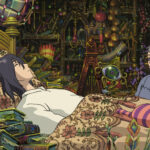
Flight is one of the strongest connective tissues. From Castle in the Sky to Kiki, Porco Rosso, The Wind Rises, and Howl, flying can mean freedom, danger, invention, escape, or longing.
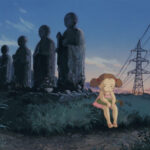
Nature is another major link. Totoro’s forest, Mononoke’s gods, Ponyo’s ocean, Nausicaa’s toxic jungle, and Spirited Away’s river spirit all ask how humans live with a world they do not fully control.
Work also connects the films. Characters clean, deliver, cook, repair, mine, fly, design, and serve. Ghibli often treats work as a route to dignity, community, and identity rather than background activity.
The better way to think about Ghibli is not “shared universe” but “shared imagination.” The same moral and visual questions return in new forms.
Why fans keep asking about it
Fans ask this because the films feel related even when the plots are not. That feeling is real; it just belongs to authorship, theme, and craft more than Marvel-style continuity.
Part of the ongoing appeal is that Ghibli rarely gives viewers a lecture. The films trust children, adults, and repeat viewers to notice different layers. A younger viewer may remember the creature design or the adventure; an adult may notice grief, burnout, environmental loss, loneliness, or the ache of growing up. That multi-level design is exactly why character and ending guides can be useful without flattening the film.
How to watch this part on a rewatch
Try a thematic rewatch: flight films, forest films, witch films, coming-of-age films, or anti-war films. The connections become clearer than they do in strict chronology.
Questions to ask while rewatching
- What does whether Studio Ghibli movies are connected reveal about fear, courage, or identity?
- Which details are shown visually instead of explained in dialogue?
- How does the music change the emotional meaning of the scene?
- What does the film leave unresolved, and is that ambiguity part of the point?
FAQ
Is Totoro connected to Spirited Away?
Not officially in plot terms. They share a respect for spirits, childhood perception, and hidden worlds.
Do I need to watch Ghibli movies in order?
No. Release order is interesting, but continuity is not required.
Are fan theories wrong?
Not necessarily, but they should be treated as playful interpretations unless supported by official material.
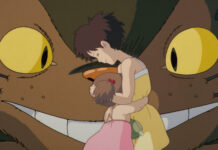
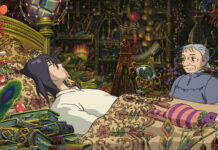
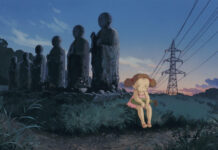
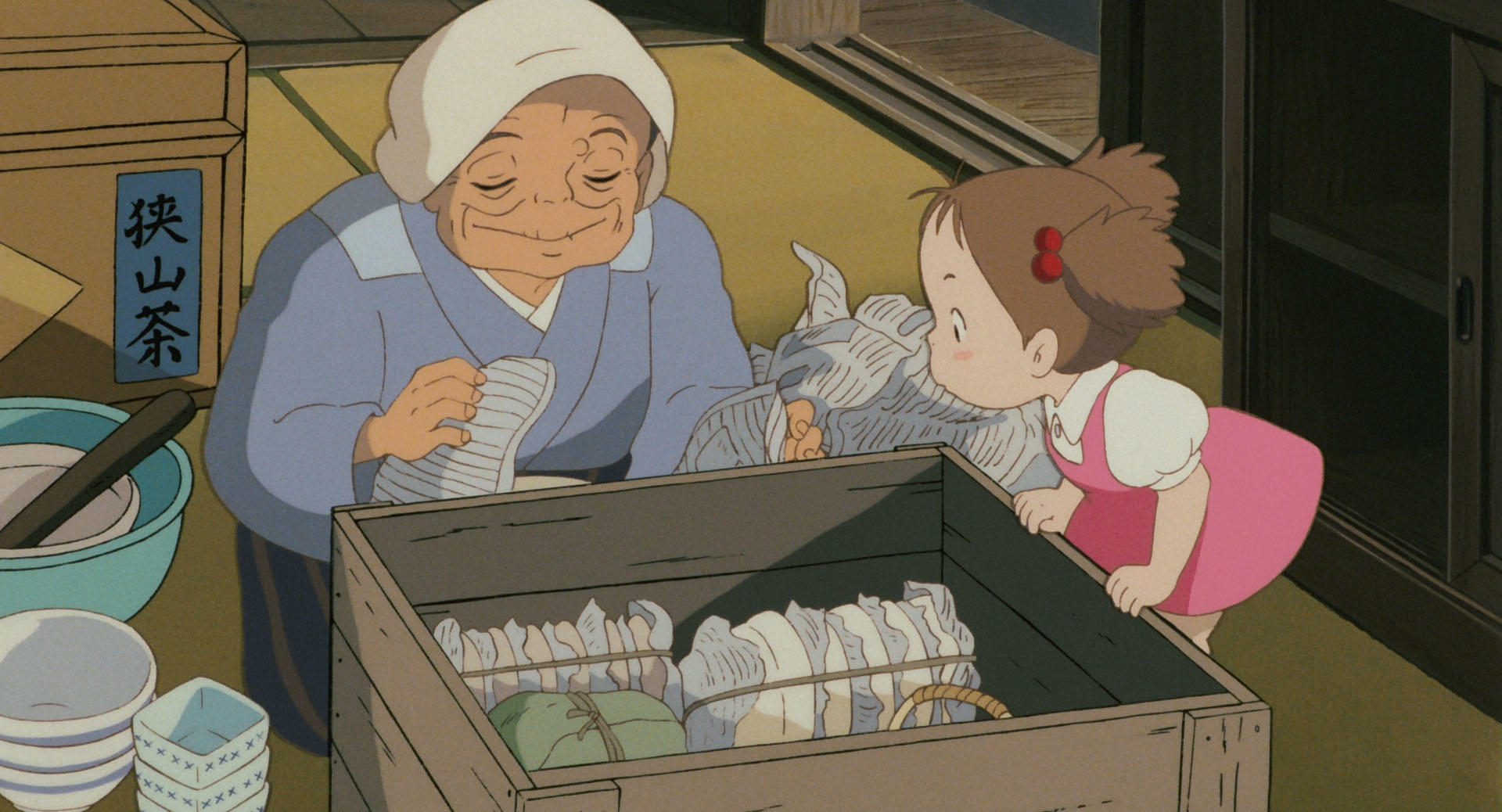
Image note: Featured imagery on this page uses official Studio Ghibli stills from ghibli.jp, whose work pages include the usage notice 「※画像は常識の範囲でご自由にお使いください。」
For searchers comparing multiple guides, the practical takeaway is this: start with the emotional function of the scene or character, then add production context and fan interpretation only after the basic story role is clear. That order keeps the reading useful for first-time viewers and still satisfying for long-time fans returning after a rewatch.
The better way to think about “connections”
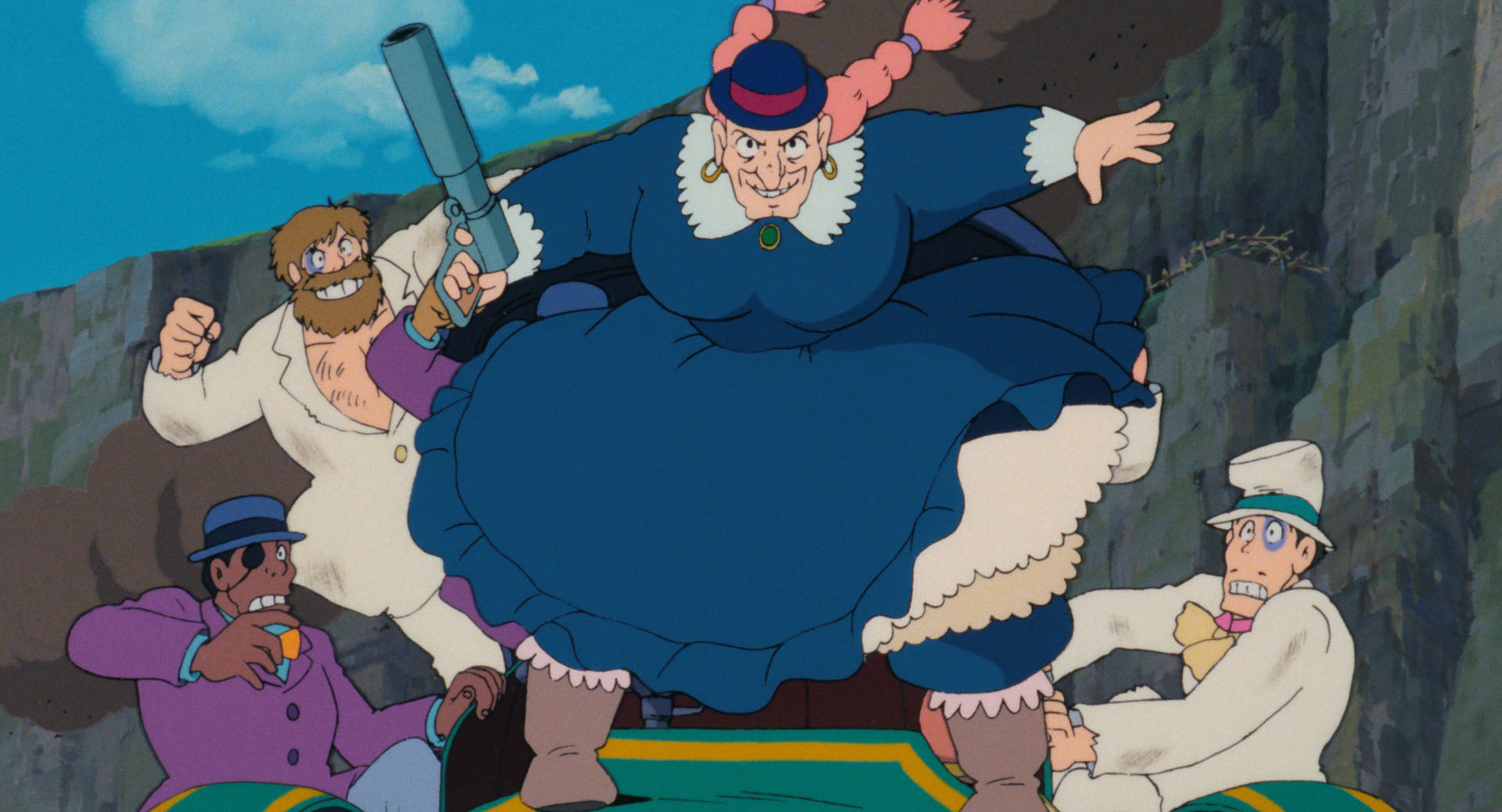
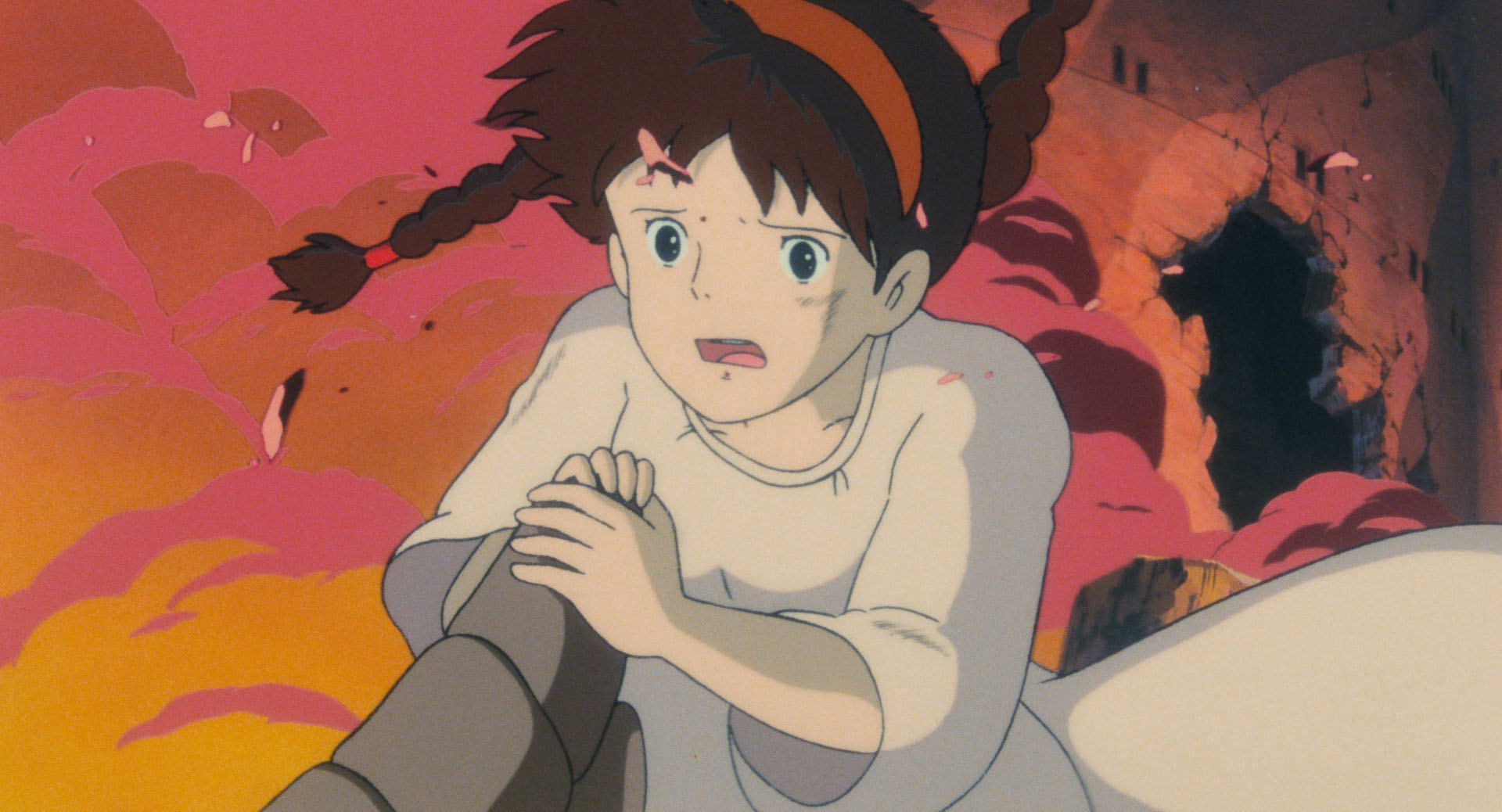
The most useful answer is that Studio Ghibli films are spiritually connected more than narratively connected. They often return to similar questions: how people live with nature, what technology costs, how children process fear, why work can shape identity, and how greed turns places and people into objects. That is why Castle in the Sky, Nausicaä, Princess Mononoke, and Spirited Away can feel related even when they do not share a timeline.
Fans naturally look for Easter eggs, recurring creatures, and visual echoes. Those are fun, but they should not be mistaken for a Marvel-style continuity map. Ghibli’s deeper continuity is artistic: flying machines, forests with agency, food as a moral test, bathhouses and workshops, children crossing thresholds, and adults who are compromised rather than simply evil.
FAQ about the Ghibli universe
Is Totoro in the same universe as Spirited Away?
There is no official shared-universe requirement. They can be enjoyed as separate stories with related themes.
Do I need to watch one Ghibli movie before another?
No. Most Studio Ghibli films stand alone, so watch order should be based on mood, age suitability, or theme.
Image source: official Studio Ghibli stills from ghibli.jp, used in line with the studio’s common-sense image notice.