Quick answer: Chihiro, San, Kiki, Sophie, Nausicaä, Satsuki, Sheeta, and Kaguya are among Ghibli’s strongest heroines because their courage looks different in each story.
This ranking is built for readers who want a direct recommendation, not vague praise. Studio Ghibli covers many moods, so the “best” choice depends on whether you want comfort, fantasy, romance, sadness, spectacle, or character drama.
1. Chihiro
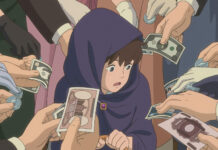
Her strength is adaptation: she is frightened and homesick, yet keeps choosing useful kindness until she becomes capable.
Why it belongs here: this pick gives viewers a memorable emotional hook and enough craft detail to reward a rewatch. It also helps define a different doorway into the Ghibli catalogue.
2. San
San is rage shaped by loyalty, refusing a human world that wounded the forest while the film asks whether hatred can heal anything.
Why it belongs here: this pick gives viewers a memorable emotional hook and enough craft detail to reward a rewatch. It also helps define a different doorway into the Ghibli catalogue.
3. Kiki
Kiki makes creative burnout and independence feel like an adventure, which is why she remains so relatable.
Why it belongs here: this pick gives viewers a memorable emotional hook and enough craft detail to reward a rewatch. It also helps define a different doorway into the Ghibli catalogue.
4. Sophie Hatter
Sophie discovers that care, stubbornness, and self-respect are forms of magic.
Why it belongs here: this pick gives viewers a memorable emotional hook and enough craft detail to reward a rewatch. It also helps define a different doorway into the Ghibli catalogue.
5. Nausicaä
Nausicaä is compassion with political courage, listening to a poisoned world and refusing easy enemies.
Why it belongs here: this pick gives viewers a memorable emotional hook and enough craft detail to reward a rewatch. It also helps define a different doorway into the Ghibli catalogue.
6. Princess Kaguya
Kaguya matters because she refuses to become a beautiful prize, even when the world around her insists on it.
Why it belongs here: this pick gives viewers a memorable emotional hook and enough craft detail to reward a rewatch. It also helps define a different doorway into the Ghibli catalogue.
How to choose from the list
If you want cosy and gentle, start with the quieter entries. If you want mythic stakes, choose the films with spirits, gods, castles, curses, or war. If you are watching with children, check tone first: some Ghibli films are soft and funny, while others include grief, danger, or frightening imagery.
How to use this guide
This page is meant to answer the main search question quickly, then give enough context for a useful rewatch. For Studio Ghibli, the most important details are rarely delivered as exposition. They appear in food, rooms, weather, work, names, gestures, music, and the small pauses before a character decides what to do next.
If you are new to Studio Ghibli, treat this as a practical doorway rather than homework. Watch the film once for feeling, then return to the guide for structure. If you are already a fan, use the sections as prompts for noticing how carefully the scene craft supports the emotion.
Related viewing path
After this, browse the Studio Ghibli movies-in-order guide, the site’s watch guides, character explainers, and ranking pages. Ghibli films usually stand alone, so the best next watch depends on mood: cosy, strange, romantic, ecological, sad, adventurous, or dreamlike.
Editorial note
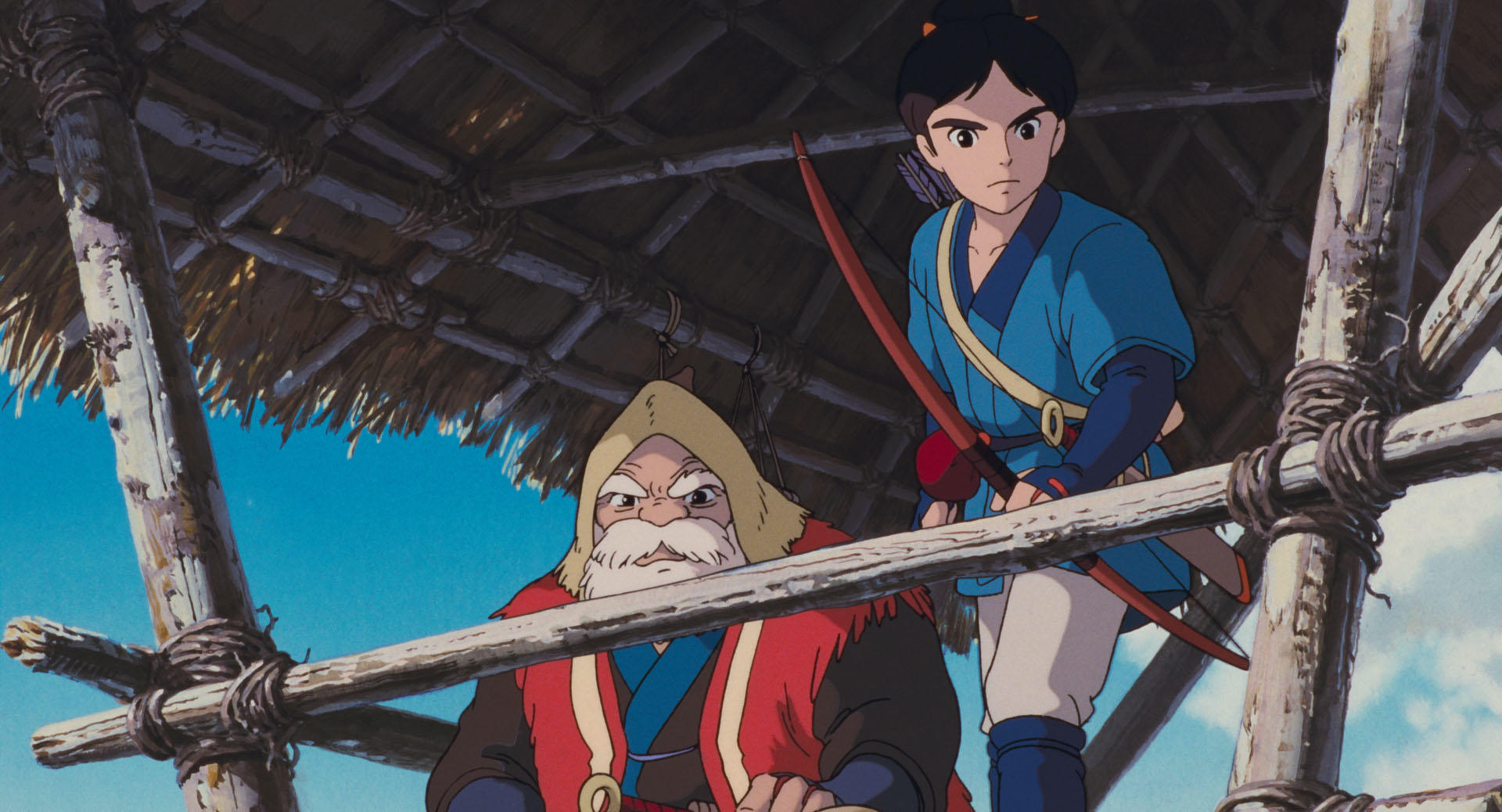
This article is original fan-guide analysis. It uses official Studio Ghibli imagery only and avoids rehosting Reddit, Pinterest, Google Images, or fan-site images. Fan discussions can reveal what viewers are curious about, but the interpretation here is written from the films themselves.
Image source note: featured image uses an official Studio Ghibli still from the official Studio Ghibli official image pack staged from ghibli.jp. Studio Ghibli’s official work pages include the usage notice “※画像は常識の範囲でご自由にお使いください。”
Rewatch checklist
On a rewatch, pay attention to the film’s small practical details: meals, doors, journeys, weather, rooms, clothing, names, tools, animals, and pauses before decisions. Studio Ghibli often puts the strongest emotional information in ordinary actions rather than in speeches. A character making tea, walking through rain, cleaning a room, or choosing not to answer can matter as much as a magical event.
This is also why the same Ghibli film can feel different at different ages. Children may remember the creature, chase, spell, or joke; adult viewers may notice work, grief, money, illness, family pressure, ecological damage, or the cost of leaving home. The best interpretation leaves room for both reactions.
Who this page is for
Use this guide if you are choosing what to watch next, explaining the film after a first viewing, or building a themed Studio Ghibli marathon. The aim is not to replace the movie with analysis. The aim is to make the next watch more attentive, more emotionally specific, and easier to connect with the rest of the Ghibli catalogue.
How to use this ranking as a watch guide
This ranking works best as a character-led route through the films rather than a strict power chart. If you want resilience, start with San, Nausicaä, or Chihiro. If you want gentler everyday courage, Kiki, Satsuki, Shizuku, and Sophie show quieter forms of bravery that build across ordinary choices. The point is not only who is the “strongest” heroine, but which kind of courage each film makes memorable.
That distinction matters for new viewers. Studio Ghibli heroines are rarely written as flawless icons. They get tired, scared, stubborn, lonely, angry, or uncertain. Their appeal comes from watching them act anyway. Use the list as a mood guide: pick Kiki’s Delivery Service when confidence feels fragile, Princess Mononoke when you want fierce moral conflict, Spirited Away when you want growth under pressure, and Whisper of the Heart when creative courage is the thing you need most.
Image source: official Studio Ghibli still from ghibli.jp. Official Ghibli work pages include the common-sense image-use notice.