


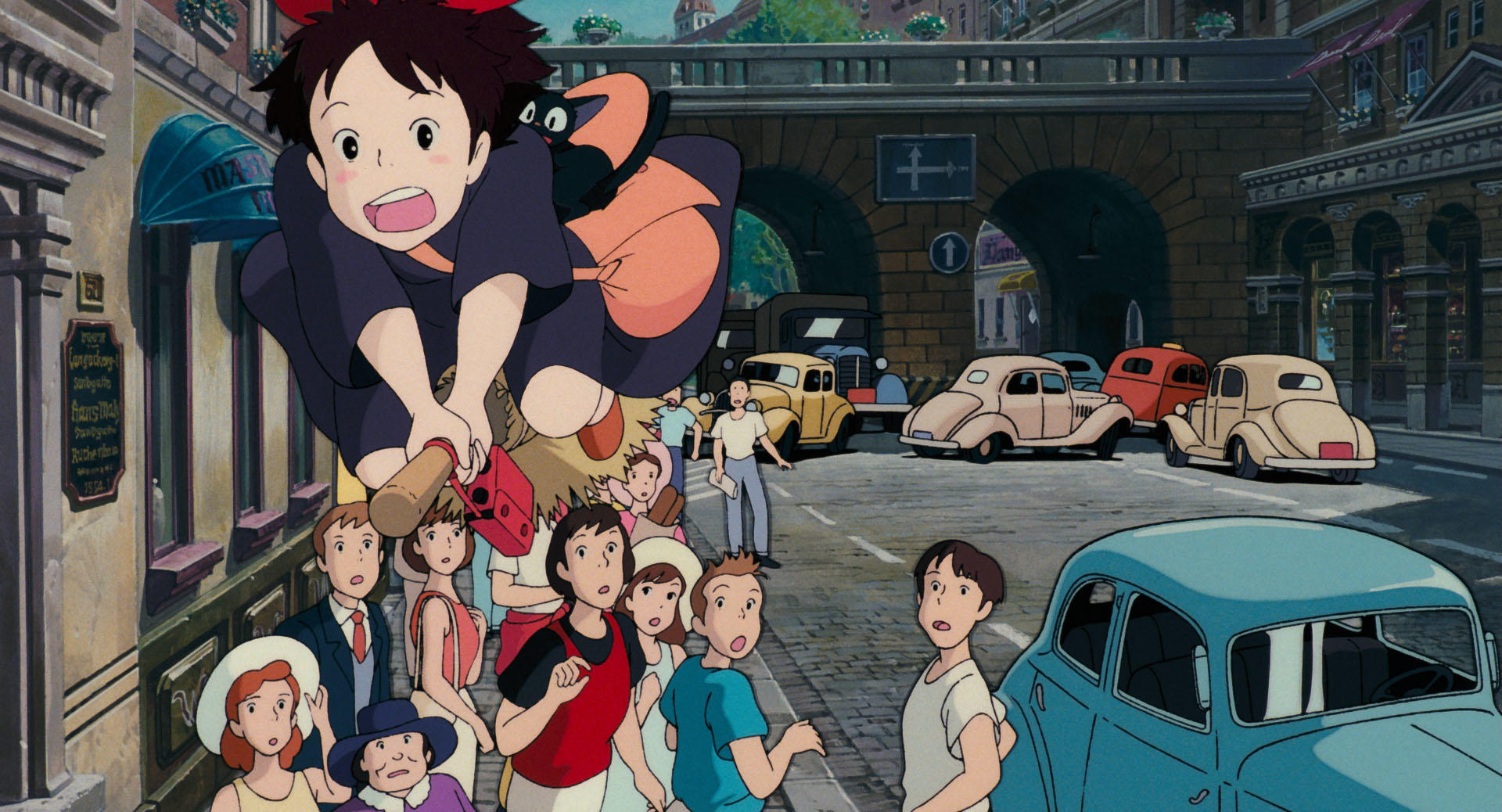
Quick answer: the best Studio Ghibli movies for autumn are the ones that feel warm, reflective, handmade, and slightly wistful. Start with Kiki’s Delivery Service for change and independence, My Neighbor Totoro for soft comfort, Whisper of the Heart for creative motivation, Only Yesterday for grown-up reflection, and Howl’s Moving Castle when you want candlelight fantasy with a romantic edge.
Autumn is a good season for Studio Ghibli because the films are rarely just “cozy” in a decorative way. They are about homes being built, routines being tested, meals being shared, landscapes changing, and characters learning how to keep going when life has shifted underneath them. That makes them useful comfort watches, not just background viewing.
Best autumn Studio Ghibli movies at a glance
| Film | Best autumn mood | Why it fits |
|---|---|---|
| Kiki’s Delivery Service | Fresh start | A warm city, a new routine, burnout, recovery, and the feeling of rebuilding confidence. |
| My Neighbor Totoro | Gentle comfort | Rain, trees, family anxiety, quiet wonder, and a soft place to land. |
| Whisper of the Heart | Creative reset | School-year energy, ambition, self-doubt, and the need to make something real. |
| Only Yesterday | Reflective evening | Memory, adulthood, rural rhythms, and the question of what kind of life you actually want. |
| Howl’s Moving Castle | Candlelit fantasy | Firelight, cluttered rooms, magic, war anxiety, and found-family warmth. |
1. Kiki’s Delivery Service, for starting over
Kiki’s Delivery Service is the strongest autumn pick if you want a film about independence without the usual inspirational speechifying. Kiki leaves home, finds work, makes mistakes, loses confidence, and slowly rebuilds her sense of purpose. That arc feels especially seasonal because autumn often has a “new term, new routine, new version of me” energy.
It is also one of Ghibli’s best films for viewers who want comfort with a little bite. Kiki is not magically rescued from burnout. She has to rest, accept help, stop performing competence, and reconnect with why flying mattered to her in the first place. That makes it a good watch if Pete, students, freelancers, creators, or anyone running a small project needs a reset rather than empty motivation.
2. My Neighbor Totoro, for rainy-day comfort
My Neighbor Totoro is the obvious soft-blanket choice, but it earns that reputation. The film is full of damp fields, rustling trees, bus-stop rain, and the feeling of being small in a world that is both worrying and enchanted. It works well for autumn because it slows the room down.
The important thing is that Totoro is not pure escapism. Satsuki and Mei are living with uncertainty around their mother’s health. The fantasy does not erase that fear, but it gives the children a language for wonder while they wait. If you want the gentlest possible Studio Ghibli rewatch, this is the safest pick.
3. Whisper of the Heart, for creative momentum
Whisper of the Heart is the best autumn Ghibli movie for people trying to make something. It has school pressure, library cards, long walks, tiny discoveries, awkward ambition, and the uncomfortable moment when a dream stops being romantic and starts requiring work.
Shizuku’s story is especially useful because the film does not pretend that talent appears fully formed. She writes, doubts the result, compares herself to someone further along, and still keeps going. That makes it a better “creative motivation” movie than a louder success story. For a Sunday evening before a serious work week, it is one of the most practically inspiring Ghibli choices.
4. Only Yesterday, for grown-up reflection
Only Yesterday is quieter, slower, and more adult than many first-time viewers expect from Studio Ghibli. That is exactly why it belongs in an autumn guide. It is about memory, choices, work, family expectations, and the strange way childhood can keep speaking inside adult life.
This is not the film to put on when you want fast fantasy. It is the film to put on when the evenings are darker, the year is starting to feel finite, and you are asking whether the life you are building still fits. It pairs well with viewers who like Ghibli’s observational side more than its magical set pieces.
5. Howl’s Moving Castle, for candlelit fantasy
Howl’s Moving Castle is not autumnal in the same grounded way as Only Yesterday or Whisper of the Heart, but it has one of Ghibli’s strongest indoor moods: a messy moving home, a fire demon in the hearth, steaming food, strange doors, woolly coats, and rooms that feel lived in. If your version of autumn is fantasy, romance, and slightly chaotic comfort, this is the pick.
It also works because Sophie’s transformation has an emotional warmth beneath the spell. The movie is about age, self-image, care, cowardice, courage, and choosing a household that makes you braver. It is a good late-night watch when you want something more dramatic than Totoro but still generous at the centre.
How to choose the right autumn Ghibli movie tonight
If you are tired and want no sharp edges, choose My Neighbor Totoro. If you need to get your confidence back, choose Kiki’s Delivery Service. If you are meant to be writing, building, studying, listing products, or finishing a creative task, choose Whisper of the Heart. If you want a thoughtful adult film, choose Only Yesterday. If you want magic, warmth, and a cluttered fantasy home, choose Howl’s Moving Castle.
For a longer route through the catalogue, use the site’s Studio Ghibli movies in order guide, the beginner-friendly starting guide, and the cozy Ghibli ranking.
FAQ
What is the coziest Studio Ghibli movie for autumn?
My Neighbor Totoro is the coziest overall, especially for rainy evenings and family viewing. Kiki’s Delivery Service is the better choice if you want comfort plus a personal reset.
Which Studio Ghibli movie is best for a creative autumn reset?
Whisper of the Heart is the best creative reset movie because it focuses on practice, insecurity, and making something imperfect but real.
Which autumn Ghibli movie should adults watch first?
Only Yesterday is the strongest adult autumn pick, particularly for viewers interested in memory, work, family expectations, and life choices rather than fantasy adventure.
Image note: official Studio Ghibli still used under the common-sense image guidance published by Studio Ghibli on ghibli.jp.