Quick answer: the best Studio Ghibli flying scenes are the ones where flight changes the emotional temperature of the film. Kiki on her broom, Sheeta and Pazu falling through the sky, Howl crossing rooftops with Sophie, and Jiro dreaming of aircraft all use the sky differently. Some scenes feel freeing, some feel frightening, and some feel bittersweet.
This guide is spoiler-light. It is meant for viewers who love the airborne feeling in Ghibli films and want to know which movies to watch when they are in the mood for clouds, rooftops, airships, broomsticks, gliders, and impossible castles drifting across the sky.
1. Kiki’s Delivery Service: everyday flight that feels brave
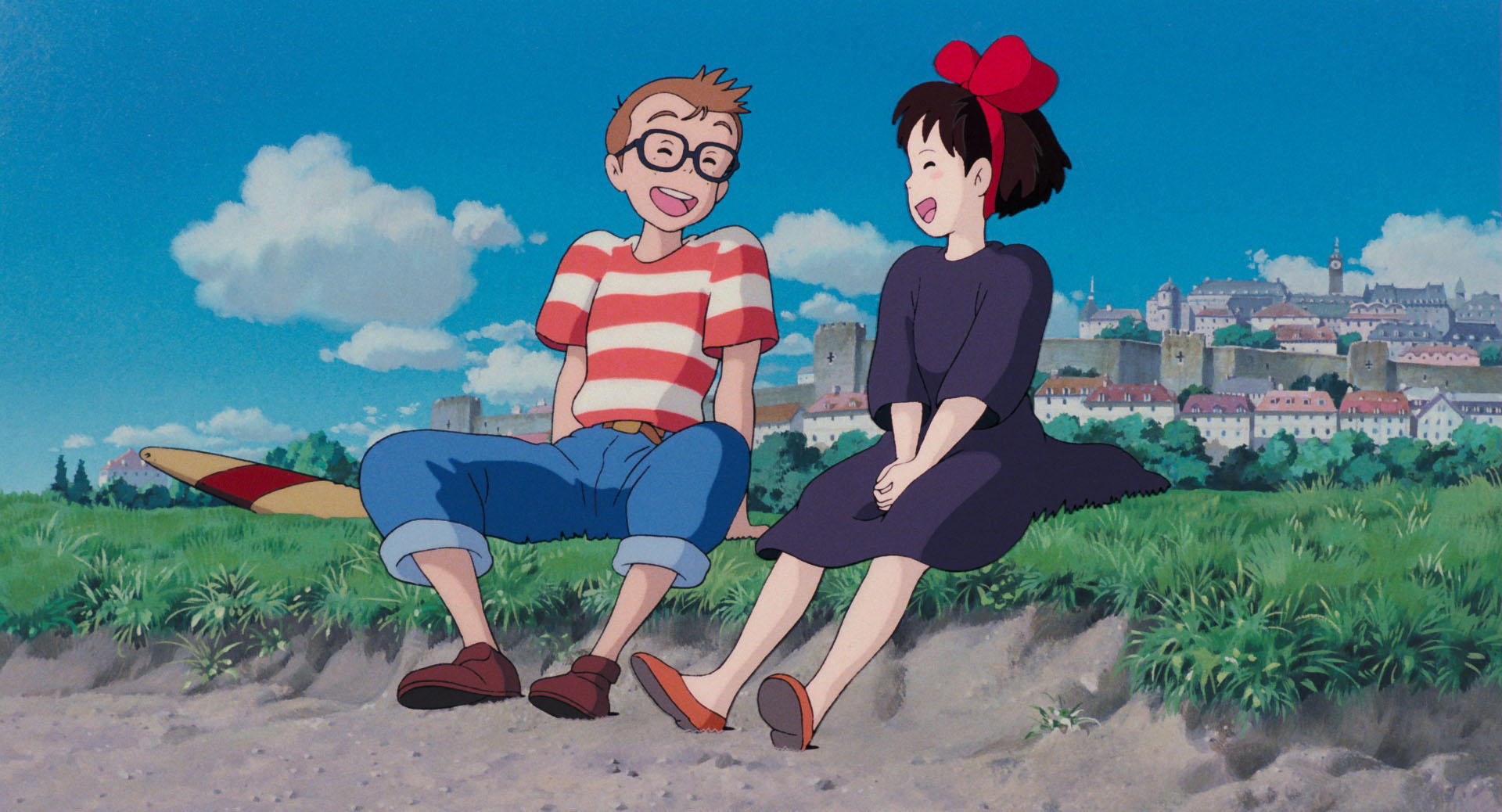
Kiki’s Delivery Service is the purest Ghibli movie about flying because the broom is not just a magical prop. It is Kiki’s work, her independence, her identity, and eventually her anxiety. The early flying scenes are breezy and hopeful: Kiki leaves home, crosses the sea, and arrives in a city that looks bigger than she expected. Later, flight becomes harder because confidence is harder.
That is why the movie’s flying scenes work so well. They are not action sequences added for spectacle. They track a young person learning whether her gift can survive pressure, loneliness, comparison, and self-doubt. For beginners, this is one of the best places to start because the story is simple on the surface but emotionally precise underneath. If Pete’s site already has a Kiki’s Delivery Service beginner guide, this is the natural next watch after reading it.
2. Castle in the Sky: adventure flight with real danger
Castle in the Sky treats flight as adventure, engineering, and peril. Airships chase each other, pirates swing through the open air, military machines crowd the sky, and the floating island of Laputa turns the heavens into a mystery. The best scenes have that classic Ghibli balance: the machinery feels heavy and believable, but the sense of wonder stays intact.
Sheeta and Pazu’s falling scenes are especially memorable because they mix danger with trust. The sky is not automatically safe in this movie. It is beautiful, but it also exposes characters to greed, weapons, and people who want to control what should remain mysterious. That tension makes Castle in the Sky one of the strongest picks for viewers who want flight scenes with momentum, chases, and a big fantasy payoff.
3. Howl’s Moving Castle: romantic flight over rooftops
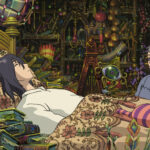
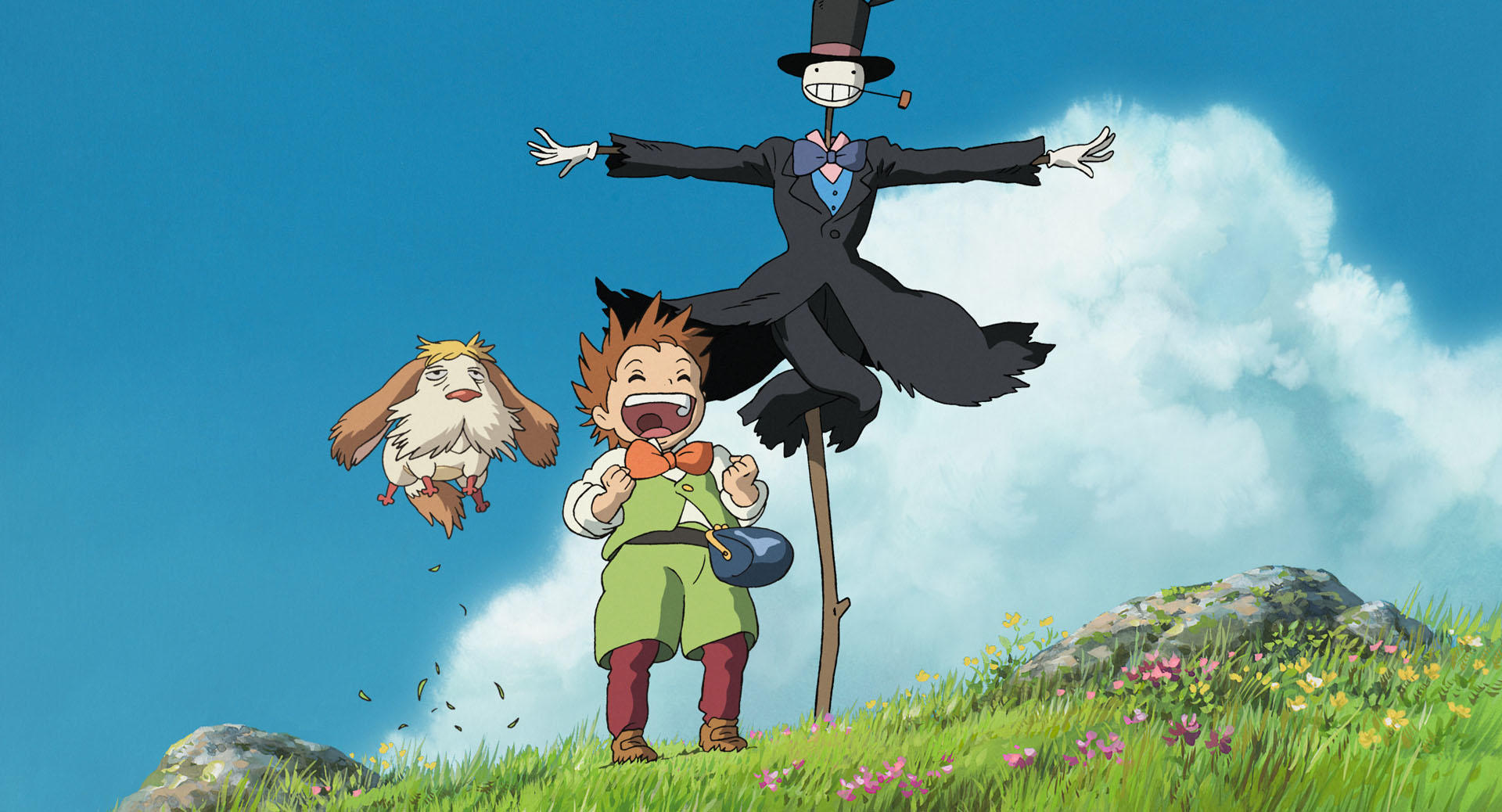
Howl’s Moving Castle uses flight more like a dream. The famous rooftop escape does not feel like a normal chase scene. Howl and Sophie step into the air as if gravity has politely agreed to wait, and the city below becomes part of the magic. It is romantic, disorienting, and slightly dangerous all at once.
Howl’s flying also reflects his character. He is dazzling, evasive, theatrical, and not always as free as he appears. The sky gives him an entrance, but it does not solve his problems. That is a very Ghibli use of fantasy: the image is beautiful, then the story quietly asks what that beauty is hiding. Viewers who enjoy magical romance should pair this with a broader movies like Howl’s Moving Castle watchlist.
4. The Wind Rises: flight as beauty, work, and regret
The Wind Rises is the complicated entry on this list. It is not cozy in the same way as Kiki, and its flying scenes are tied to design, ambition, illness, history, and consequences. The aircraft sequences are graceful, but the film keeps asking what it means to make beautiful things in an imperfect world.
That makes its flight imagery more adult and reflective. The sky is not simply escape. It is a place where dreams are tested against reality. If someone wants Ghibli flight with emotional weight rather than pure comfort, this is the film to save for a quieter evening.
5. Porco Rosso: flying as swagger and sadness
Porco Rosso is the great Ghibli aviation hangout movie. It has sea planes, blue water, dogfights, repair work, pilots with grudges, and one of the studio’s most relaxed adventure atmospheres. The flight scenes are stylish, but the film is also about memory, masculinity, loss, and the strange dignity of staying yourself when the world changes around you.
It is a good pick for viewers who want airborne action without a heavy fantasy framework. The planes feel physical. The sky feels open. The jokes are dry. Underneath that charm, though, the movie has a melancholy that makes the flying feel earned rather than decorative.
6. Nausicaä of the Valley of the Wind: gliding through danger
Although Nausicaä predates Studio Ghibli as a studio, it belongs in most Ghibli viewing conversations. Nausicaä’s glider scenes are among the clearest early examples of Hayao Miyazaki’s obsession with movement through air. Her flight is agile and personal, closer to a bird than a machine, and it gives the film a heroic visual language before the story becomes heavier.
These scenes also show why Ghibli flight is rarely empty spectacle. Nausicaä uses the sky to protect, observe, escape, and understand. Her movement tells us who she is: brave, curious, compassionate, and more comfortable reading the natural world than obeying fearful people.
Best watch order for Ghibli flight fans
If you want a themed mini-marathon, start with Kiki’s Delivery Service for warmth, move to Castle in the Sky for adventure, then watch Howl’s Moving Castle for dreamlike romance. After that, choose your mood: Porco Rosso for pilots and sea-plane charm, The Wind Rises for reflective adult drama, or Nausicaä for ecological fantasy and glider sequences.
For a broader beginner route, use the site’s Studio Ghibli movies in order guide first, then come back to this list when you want a more specific theme.
Why Studio Ghibli flight feels different
Ghibli flying scenes stand out because they usually carry a feeling before they carry a plot point. The studio loves details: fabric tugging in the wind, propellers stuttering, clouds parting, engines coughing, hair lifting, cities shrinking below. Those details make impossible movement feel tactile.
More importantly, flight often reveals character. Kiki’s broom shows confidence and burnout. Pazu’s skyward courage shows loyalty. Howl’s airborne grace hides fear. Jiro’s aircraft dreams reveal both genius and moral unease. Ghibli uses the sky as a character test. The higher someone rises, the clearer their hopes and contradictions become.
FAQ
Which Studio Ghibli movie has the most flying?
Kiki’s Delivery Service, Castle in the Sky, Porco Rosso, and The Wind Rises are the strongest choices if flying is your main reason for watching. Kiki is the best cozy pick, while Castle in the Sky is the best adventure pick.
Which Ghibli flying scene is best for beginners?
The rooftop flight in Howl’s Moving Castle is the most instantly magical, but Kiki’s first big journey is probably the best beginner-friendly sequence because it explains her whole coming-of-age story without needing much context.
Are these films suitable for children?
Kiki’s Delivery Service is the safest family starting point. Castle in the Sky has more peril and action. The Wind Rises is better for teens and adults because of its historical context and heavier emotional tone. Parents can also use the Studio Ghibli movies for kids guide for age-friendly picks.
Image source note: inline and featured images are official Studio Ghibli stills from ghibli.jp. Studio Ghibli’s official works pages include the usage note “※画像は常識の範囲でご自由にお使いください。”