Quick answer: The Secret World of Arrietty is suitable for most children from about age 6. It is rated G in the United States and is one of Studio Ghibli’s gentler adventures, with no graphic violence, sexual content or strong language. Parents should know about a boy with a serious heart condition, repeated references to the tiny Borrowers possibly dying out, a few tense encounters with a cat and crow, and a housekeeper who traps Arrietty’s mother in a jar.
The film is calm, beautiful and ultimately hopeful, but sensitive children may worry about illness, family separation or the Borrowers being discovered by humans. This spoiler-aware parent guide explains the content scene by scene without treating mild suspense as danger. For the complete story and themes, visit our The Secret World of Arrietty movie guide. Ratings and edits can vary by country and release, so check the classification shown by your cinema, disc or streaming service.
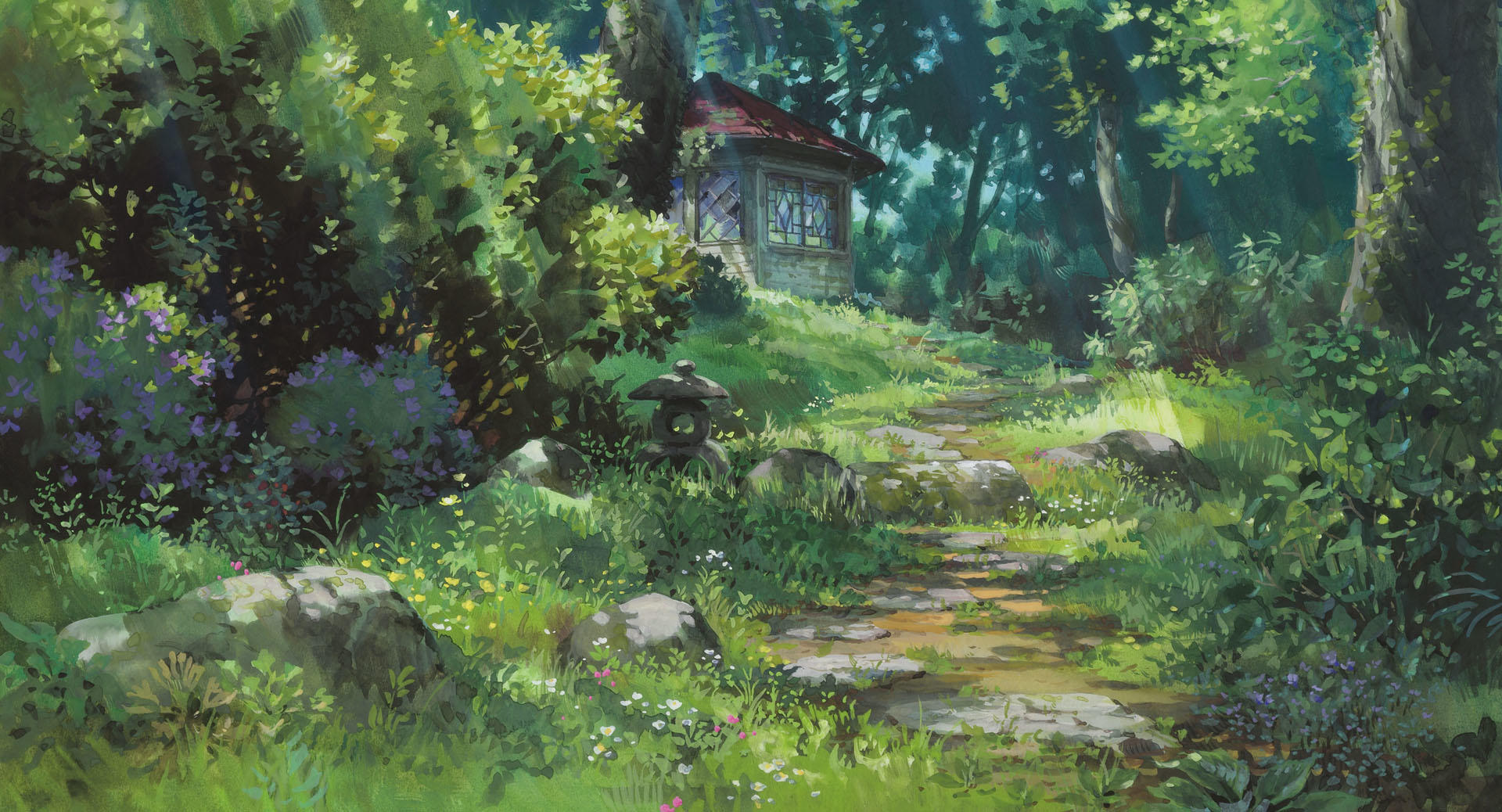
The Secret World of Arrietty parent guide at a glance
- Suggested age: around 6+ for most children; confident younger viewers may also enjoy it with an adult.
- US rating: G.
- Violence and peril: mild. A crow attacks a window, a cat stalks the tiny characters, and an adult human captures Homily in a jar.
- Scary scenes: nighttime borrowing, sudden noises, looming human faces and the fear that the Borrowers’ home will be destroyed.
- Illness: Sho has a heart condition and is preparing for an operation. He speaks frankly about the possibility of dying.
- Death: no main character dies, but extinction, survival and lost relatives are discussed.
- Language: little to no strong language, although dub wording may differ.
- Romance: a tender bond between Arrietty and Sho, without kissing or sexual content.
- Positive themes: bravery, family loyalty, empathy across differences, respecting boundaries and accepting change.
Why age 6 is a useful starting point
The content is mild enough for many younger children, but six is a practical recommendation because the film relies on quiet suspense. Borrowing a sugar cube becomes dangerous when every floorboard, insect and human foot is enormous. Children who understand that the main characters are tiny can enjoy this change of scale without interpreting every close call as a likely death.
Viewers around six and older are also better placed to follow Sho’s illness and the family’s need to leave their home. The story does not explain every medical detail, and it does not promise that difficult changes can be reversed. Its reassurance comes from the characters helping one another and moving forward, rather than from removing every source of uncertainty.
Violence, danger and chase scenes
There are no battles, guns, blood or graphic injuries. The suspense comes from ordinary animals and people appearing huge from Arrietty’s point of view. A crow crashes against a window while trying to reach her, and a cat watches or pursues the Borrowers. These scenes are brief and do not end with an animal or person being hurt.
Arrietty carries a pin like a sword and uses climbing equipment during borrowing trips, but she does not stab anyone. Pod, her father, is injured while gathering supplies and returns home with a hurt leg. The injury is not shown graphically, though his difficulty walking makes the family’s vulnerability clear.
Is The Secret World of Arrietty scary?
It can be tense rather than frightening. An early nighttime expedition places Arrietty under floorboards and inside human rooms where a ticking clock, moving tissue and sleeping person all feel enormous. Sho unexpectedly opens his eyes and sees her. The moment may make a young child jump, but he does not attack.
The most upsetting sequence comes when Haru, the housekeeper, discovers the hidden home. She removes the tiny kitchen, captures Homily and seals her inside a jar. Haru then contacts pest-control workers, treating the Borrowers as creatures to be removed. Arrietty and Sho work together to rescue Homily before anyone is harmed. The family escapes, but it must abandon the home it carefully built.
Sho’s heart condition and talk about death
Sho is staying at the house to rest before heart surgery. He tires easily and talks about his health in a direct, subdued way. At one low point, he suggests that he may die and compares his situation with the Borrowers’ struggle to survive. There is no hospital procedure, needle, blood or operation scene.
Children who are anxious about hospitals or who know somebody awaiting surgery may need preparation. The film ends with hope, and Sho says that knowing Arrietty has given him courage to live. However, it does not show the result of his operation. Parents can explain that the story leaves his medical future open while emphasising his renewed determination.
Does anyone die in Arrietty?
No character dies during the film. The Borrowers believe that very few of their kind remain, and Pod says that relatives have disappeared or moved away. Sho initially speaks pessimistically about the Borrowers dying out. Arrietty rejects that conclusion and insists that her family will survive.
The language of extinction gives the story emotional weight, but the ending is not tragic. Arrietty, Pod and Homily leave by boat with another Borrower named Spiller to search for a safer home. Their departure is sad for Sho, yet it is presented as a new beginning rather than a final loss.
Family separation, moving home and emotional intensity
The Borrowers are a close family, and much of the tension comes from the possibility of separation. Homily panics when Pod is late. Arrietty feels responsible after being seen. Once their home is exposed, the family accepts that it cannot stay. Children who have recently moved may connect strongly with the sight of familiar rooms being dismantled.
Sho and Arrietty also have to say goodbye. Their friendship is important even though they cannot safely share the same world. The farewell is tender and bittersweet: Sho gives Arrietty a sugar cube, and she gives him her hair clip. No one is abandoned without support, but the film allows sadness to remain.
Romance, language and other content
Sho and Arrietty form a caring connection that can be read as friendship or the beginning of a gentle crush. They protect and encourage each other. There is no kissing, nudity, sexual dialogue or suggestive behaviour. The emotional focus is trust between two people whose circumstances make a normal friendship impossible.
Language is mild, with no sustained profanity. Haru lies to other adults and behaves invasively, but the film clearly presents her actions as wrong. There is no drug use, and alcohol is not a meaningful concern. Food appears often, including tiny portions and a sugar cube, without gross-out humour.
Will younger children find it too slow?
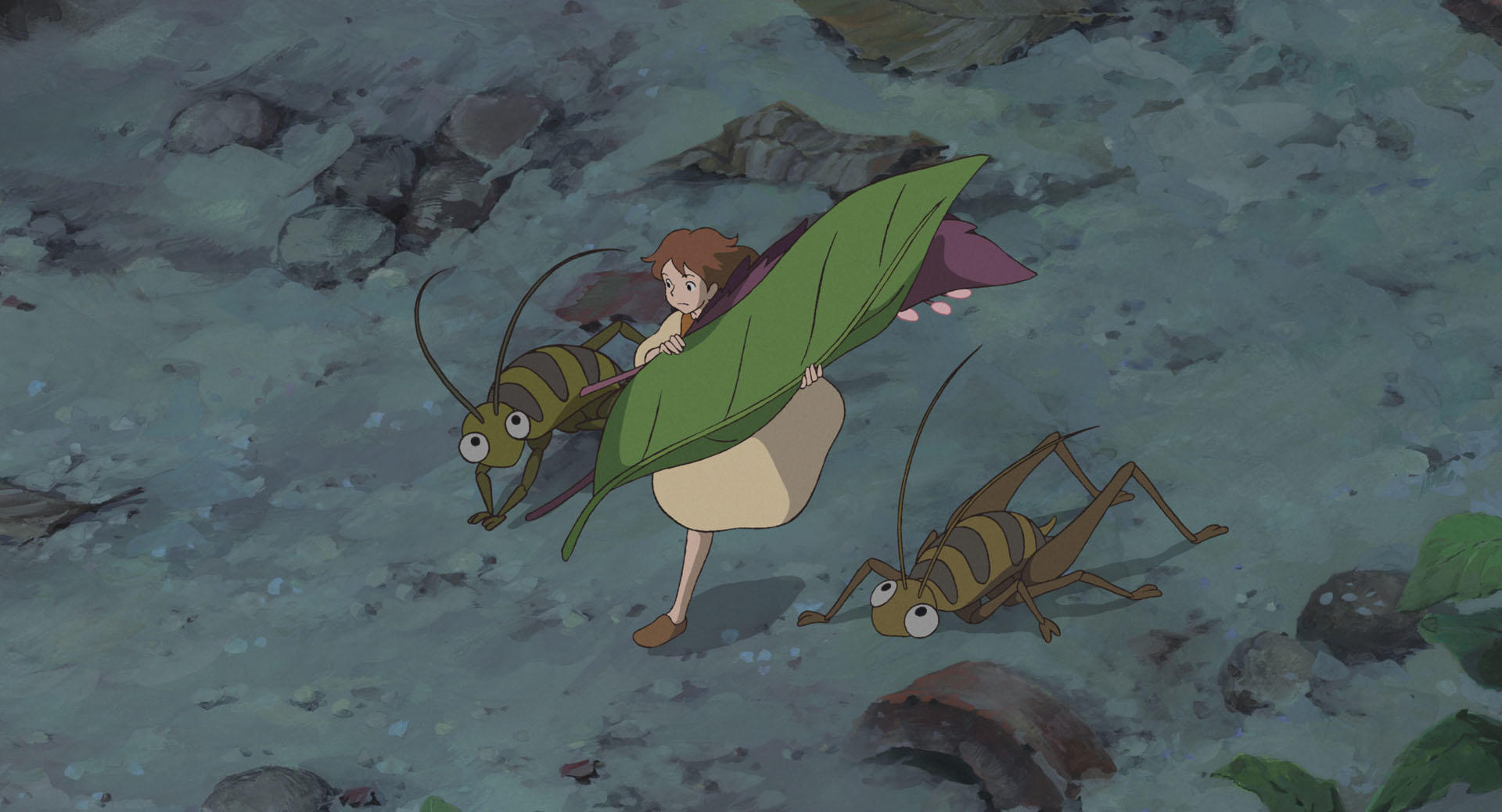
Possibly, although the miniature world gives them plenty to notice. The film spends time on leaves, insects, dollhouse furniture, ropes, nails and the routes hidden inside a normal house. Children who enjoy small-world play, secret spaces or careful exploration may be absorbed even when the plot is quiet.
Those expecting the constant magic and movement of Spirited Away may become restless. At about 94 minutes, it is shorter than several Ghibli films, but its rhythm is patient. If your child likes My Neighbor Totoro, this is a sensible next step with slightly more suspense.
Who is Arrietty best for?
This is a strong family choice for children who love dollhouses, gardens, tiny objects, nature and secret worlds. It also works well for viewers who want an adventure without a villainous battle. Arrietty is resourceful and brave, but she learns that courage does not mean ignoring her parents or pretending danger is absent.
Consider waiting if your child is highly distressed by medical uncertainty, people being trapped, pest-control threats or a family losing its home. Otherwise, the film offers manageable tension and unusually thoughtful conversations about resilience, privacy and friendship.
Good questions to discuss after watching
- Why does Arrietty keep approaching Sho even after her parents warn her about humans?
- How does Sho help the Borrowers, and when does his help accidentally make their situation harder?
- Why is Haru’s curiosity different from Sho’s curiosity?
- What gives Sho hope when his operation still feels uncertain?
- Is leaving the house a defeat, or is it a brave decision to survive?
Frequently asked questions
What age is The Secret World of Arrietty for?
About age 6 and over is a useful starting point. Its violence is mild, but children need to cope with suspense, Sho’s heart condition and the Borrowers losing their home.
Is Arrietty scary for a 5-year-old?
Many five-year-olds will be comfortable with it, especially with a parent nearby. Prepare them for a crow at the window, a stalking cat, Homily being trapped in a jar and talk about Sho possibly dying.
Does The Secret World of Arrietty have a sad ending?
It is bittersweet, not tragic. Arrietty and Sho say goodbye, but her family leaves safely with hope of finding other Borrowers and a new home. Sho feels more determined to face his surgery.
Is there a villain in Arrietty?
Haru acts as the antagonist when she captures Homily and calls pest control. She is intrusive and dangerous to the tiny family, but she is not a violent fantasy villain.
Does Sho die in The Secret World of Arrietty?
No. The film ends before his operation and does not show his long-term medical outcome. His final scenes are hopeful and focused on his decision to keep fighting.
For more family-friendly choices, compare our Studio Ghibli movies for kids guide, or browse the complete Studio Ghibli movie directory.
Image credit: Official stills from the The Secret World of Arrietty page on ghibli.jp, used under Studio Ghibli’s common-sense image-use notice. This article is an independent fan guide and is not affiliated with Studio Ghibli.