Quick answer: Kiki’s Delivery Service is worth watching if you want a Studio Ghibli film with a clear emotional hook, memorable characters, and enough visual detail to reward a rewatch. Watch it when you want a warm, low-conflict Ghibli film with emotional truth underneath the comfort. It is a strong first Ghibli pick for families, anxious viewers, and anyone who likes cozy city settings.
Kiki’s Delivery Service is one of the easiest Studio Ghibli films to recommend, but it is not a simple children’s film in disguise. It is a gentle story about leaving home, working for yourself, losing confidence, and slowly learning how to trust your own rhythm again.
What is Kiki’s Delivery Service about?
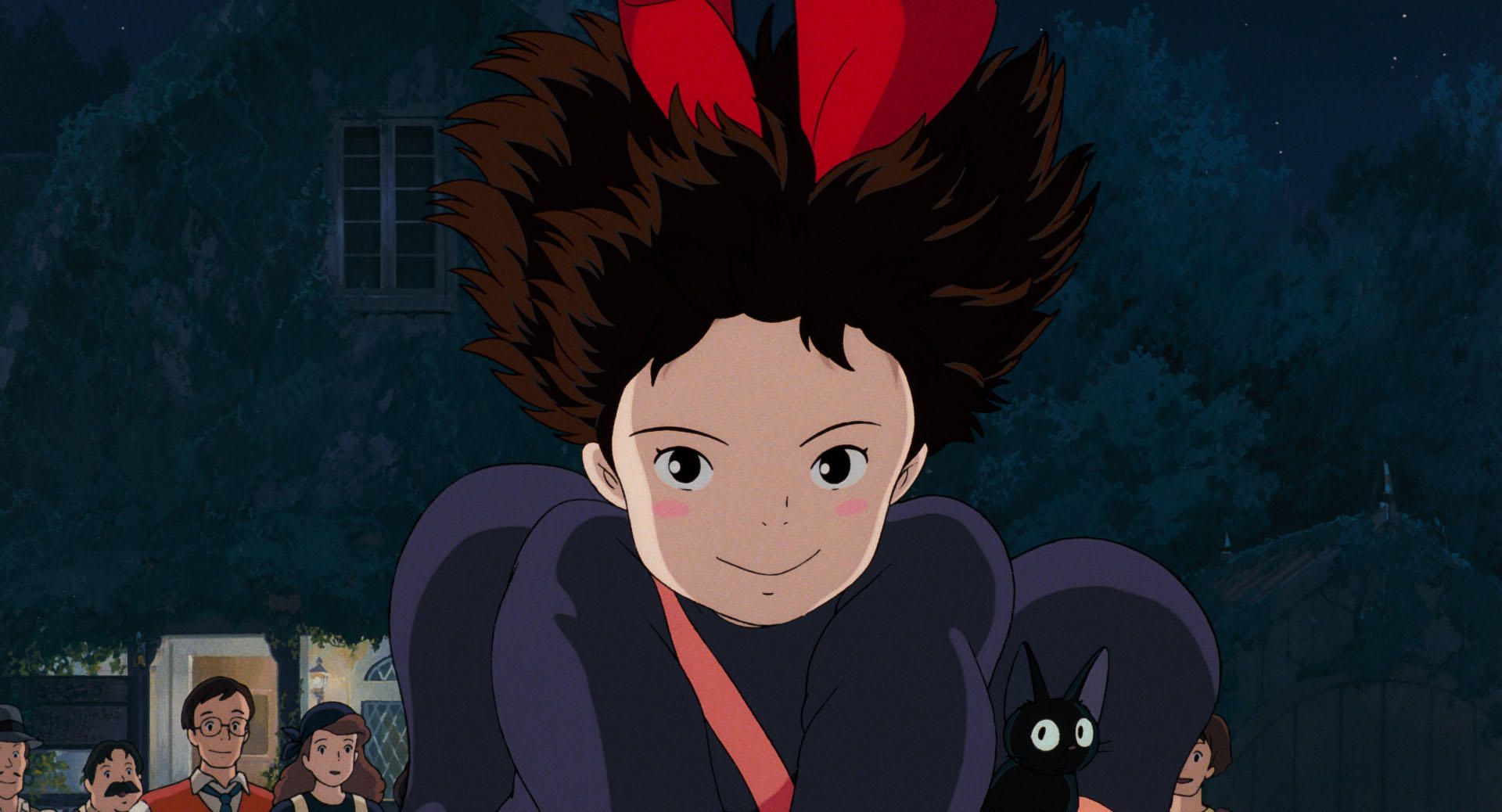
The film follows Kiki, a young witch who leaves her family for a year of independent training. She settles in a seaside city, starts a small delivery service, and discovers that being useful is not the same as feeling secure. Jiji gives the early scenes comic shape, Osono gives Kiki a practical base, and Ursula helps the story say something surprisingly adult about creative burnout.
The best way to approach the film is not to treat it as a puzzle that needs decoding. Start with the character need at the center of the story, then notice how the setting, food, movement, weather, and background details keep reinforcing that need. Ghibli films often explain character through behavior before dialogue, and this one is a strong example of that habit.
Why this film works as a Studio Ghibli entry point
Kiki’s Delivery Service gives new viewers many of the things people mean when they talk about the Ghibli feeling: patient scenes, expressive animation, small acts of care, and a world that feels bigger than the plot. It is accessible without feeling empty. You can enjoy the surface story on a first watch, then come back later for the quieter ideas underneath.
That makes it useful for a beginner watch order. Some Ghibli films are best saved until you already know the studio’s slower rhythms, but this one can stand near the front of a first-time viewing list because the main emotional question is easy to understand quickly.
Main characters to pay attention to
Focus first on the lead character’s changing confidence. Then watch the supporting characters as emotional mirrors. In Ghibli, side characters are rarely there only to move the plot. They often show another way to live, another fear, or another kind of compromise.
Also pay attention to how the film treats ordinary labor. Cleaning, cooking, repairing, flying, delivering, building, and caring for a home all matter. These practical details make the fantasy feel lived-in, and they are one reason Ghibli worlds remain memorable long after a single plot summary fades.
Key themes
- Independence without pretending it is effortless
- Work, service, and the pressure to be useful
- Creative confidence and what happens when it disappears
- Kindness from strangers as a real survival tool
None of these themes are delivered like a lecture. They appear through choices, routines, pauses, and moments where a character has to decide what kind of person they are becoming. That is the real strength of the film: it lets the viewer feel the idea before spelling it out.
Best viewing tips for a first watch
Do not multitask through the quiet scenes. The calm moments are where the film builds trust with the viewer. Notice the rooms, meals, skies, streets, machines, animals, and background movement. Ghibli animation often hides emotional information in the way a character enters a room, avoids eye contact, takes a breath, or reacts to weather.
If you are watching with someone new to Studio Ghibli, avoid over-explaining the film as it plays. Let the mood do its work, then talk afterward about the moment that stayed with each person. These films are often remembered through one image or feeling before they are remembered through plot.
Where it fits in a Ghibli watch order
For a beginner path, place this after one very accessible comfort film or before a heavier title. If you want a gentle route, pair it with My Neighbor Totoro or Whisper of the Heart. If you want a bigger fantasy route, pair it with Castle in the Sky, Howl’s Moving Castle, or Princess Mononoke, depending on the mood you want next.
Related Studio Ghibli guides
- Best Studio Ghibli Movies for a Rainy Day Rewatch
- Best Studio Ghibli Movies for Beginners: Where to Start Without Getting Overwhelmed
- Why Studio Ghibli Food Scenes Feel So Comforting
- Studio Ghibli Movies for Kids: Age-Friendly Starter Guide
- Best Studio Ghibli Movies for a Cozy Night In
FAQ
Is Kiki’s Delivery Service good for beginners?
Yes. It is clear, charming, and emotionally direct, with very little lore barrier.
Is it scary?
No. The tension is mostly personal and situational rather than frightening.
What age is it best for?
Most children can follow it, while adults often connect with the work and confidence themes.
What makes it feel different from a standard coming-of-age film?
Many coming-of-age stories treat growing up as a single breakthrough. Kiki’s Delivery Service is softer and more believable than that. Kiki does not become confident because one person gives her the right advice. She changes because she keeps showing up, notices who has helped her, and learns that a bad week does not erase her talent. That is why the film lands so well for adult viewers as well as children.
The city also matters. It is beautiful, but it is not instantly welcoming. Kiki has to find a place inside it through work, friendships, and repeated small choices. That makes the cozy feeling earned rather than automatic. By the end, the viewer understands that independence is not about doing everything alone. It is about building enough trust in yourself to accept help without feeling like you have failed.
Source note
Image source: official Studio Ghibli stills from ghibli.jp. This fan guide is independent and is written as original commentary for viewers deciding what to watch next.