Quick answer: Osono is the warm, practical bakery owner who gives Kiki a place to live and a way to begin working in Kiki’s Delivery Service. She is not a magical mentor or a replacement parent. Her importance is quieter: she notices a tired young witch, offers concrete help, and lets Kiki grow without smothering her. Osono represents the kind of adult care that makes independence possible.
Who is Osono in Kiki’s Delivery Service?
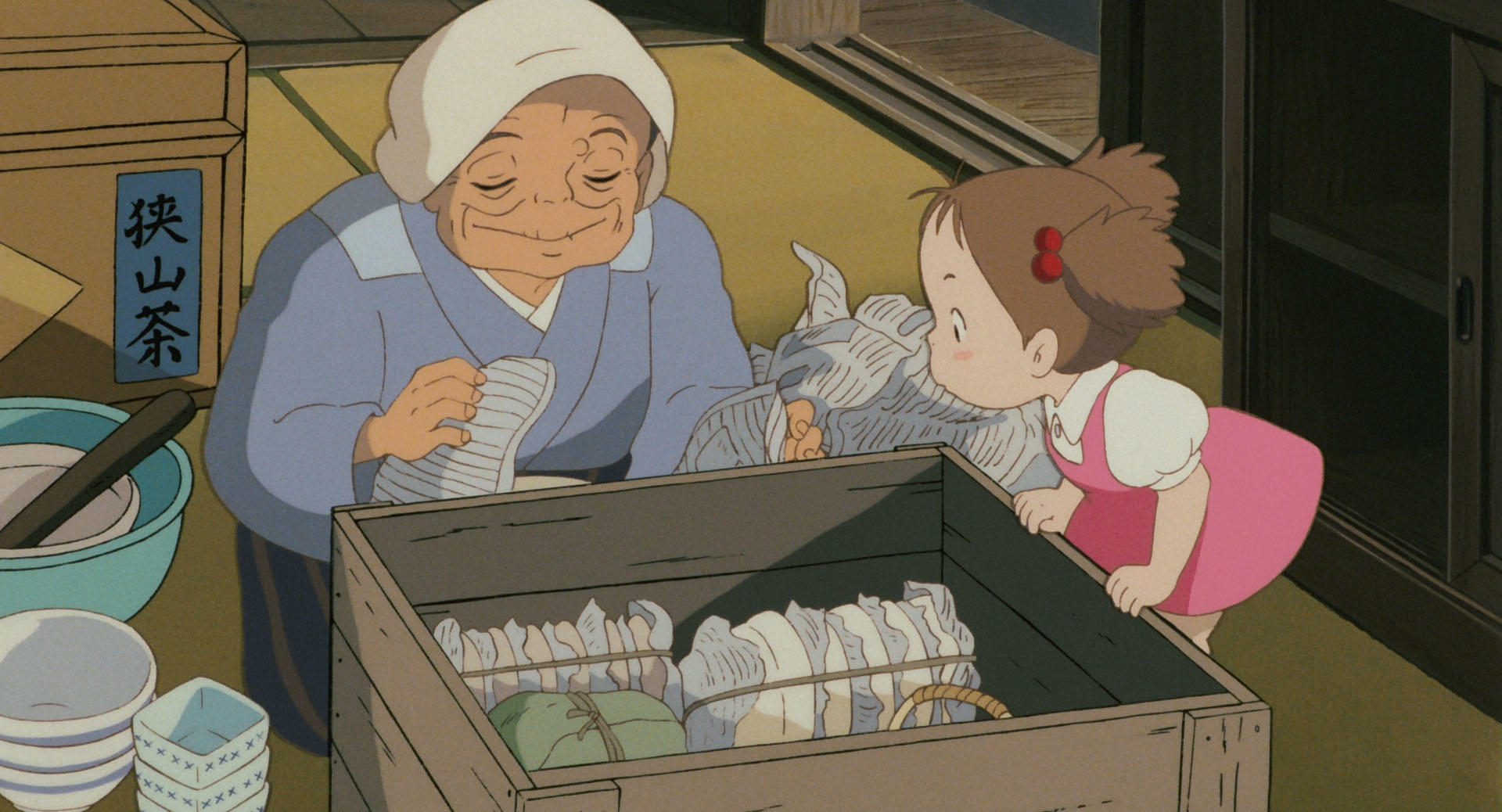
Osono runs the Gütiokipänja bakery with her husband in Koriko, the seaside city where Kiki chooses to spend her training year. When Kiki first meets her, Osono is pregnant, busy and very grounded in ordinary work. She does not belong to the world of witches, spells or flying lessons. She belongs to bread, customers, deliveries, rent, kindness and daily responsibility.
That is exactly why she matters. Kiki arrives in the city with confidence, but very little practical support. She has a broom, Jiji, a black dress and a romantic idea of becoming independent. Osono gives that independence a real shape. She offers Kiki a room above the bakery and helps her turn flying into a delivery business. The gesture is generous, but it is also practical. Kiki is not being rescued from adulthood. She is being given a fair starting point.
Why Osono’s kindness feels different from a fairy-tale rescue
Osono does not sweep Kiki into luxury or solve every problem for her. The room is modest. The work still has to be done. Kiki still has to deal with awkward customers, weather, loneliness, embarrassment, money worries and creative burnout. That balance is what makes Osono feel so real. She helps without taking over.
A weaker version of the story might have made Osono a wise mentor with a speech for every problem. Instead, she behaves like a capable adult who sees a younger person struggling and makes the next step less impossible. She offers food, shelter, introductions and trust. Those are ordinary gifts, but in Kiki’s situation they are huge.
Osono and Kiki’s independence
Kiki’s journey is not about proving that she needs nobody. It is about learning how to live apart from home while still accepting connection. Osono helps the film avoid a harsh version of independence where growing up means being alone. Kiki has left her parents, but she has not left community behind.
The bakery becomes a soft landing place. Kiki can go out into the city, fail, return, think and try again. Osono’s presence makes that rhythm possible. She does not follow Kiki through every delivery or explain the moral of each setback. She simply keeps the door open. For a thirteen-year-old trying to become useful in a strange city, that steady background support matters more than grand advice.
Why the bakery setting matters
The bakery is one of the film’s smartest settings because it turns care into something visible and repetitive. Bread is made every day. Customers return. Deliveries leave and come back. The work is tiring but nourishing. By placing Kiki inside that environment, the film connects magic to ordinary labour instead of treating it as an escape from work.
Osono also understands business in a small, human way. She notices that Kiki’s flying could become a delivery service, and she helps connect the idea to real customers. This is not a cynical hustle. It is a practical use of Kiki’s gift. The bakery gives her a base, a name, a route into the city and a reason to keep showing up even when confidence drops.
Osono as a model of adult warmth
One of the loveliest things about Osono is that she is warm without being sentimental. She can be direct. She is visibly busy. She has a household, a business and a baby on the way. Her kindness does not come from having nothing else to do. It comes from choosing to make room anyway.
That makes her one of Studio Ghibli’s most convincing supporting adults. She is not idealised as endlessly patient, but she is trustworthy. Kiki can relax around her because Osono’s care is stable. In a city where Kiki sometimes feels judged, stylish, awkward or out of place, Osono’s bakery feels like somewhere she is allowed to be imperfect.
How Osono compares with Kiki’s parents
Kiki’s parents send her away with love, worry and tradition. They belong to the beginning of the journey. Osono belongs to the middle: the messy part where leaving home becomes real. She does not replace them, and the film never asks her to. Instead, she becomes a local adult who helps Kiki build a new kind of safety.
This distinction is important. Kiki’s growth is not a clean break from childhood. It is a widening circle. She still carries her parents’ love, but she also learns to trust new people. Osono shows that community can be found, not only inherited.
What Osono teaches without saying much
Osono teaches Kiki that useful work is built through reliability. She also teaches that accepting help is not failure. Kiki’s low points come when she feels disconnected from her magic, from Jiji and from her own sense of purpose. Osono cannot fix those inner struggles directly, but she can keep Kiki connected to ordinary life: meals, rest, customers, conversation and a place to come back to.
That ordinary life is part of the cure. Kiki’s Delivery Service treats burnout gently but seriously. Kiki does not need a dramatic villain to defeat. She needs patience, friendship, sleep, confidence and time. Osono’s role is to make sure the world around Kiki is not all pressure.
Why fans remember Osono
Fans remember Osono because she embodies a fantasy that is very different from castles, dragons or forest spirits: the fantasy of meeting the right kind adult at the right time. She is proof that a small act of hospitality can change someone’s whole year. For viewers who first saw the film as children, she may feel comforting. For adult viewers, she can feel aspirational. She is busy, imperfect and still generous.
That is why Osono earns her place beside the more obviously iconic characters. Kiki, Jiji and Tombo carry the central coming-of-age story, but Osono gives that story a home. Without her, Kiki’s independence would look much colder.
Related Kiki guides
For the full cast, read our Kiki’s Delivery Service characters guide. If you want the wider beginner-friendly view of the film, start with why Kiki’s Delivery Service is the perfect cozy Ghibli movie. For Kiki’s bond with her cat and the film’s most debated ending detail, see Jiji explained.
FAQ
Is Osono a witch?
No. Osono is an ordinary bakery owner, which is part of her appeal. She helps Kiki through practical kindness rather than magic.
Why does Osono let Kiki stay at the bakery?
Osono sees that Kiki is young, tired and trying to begin her training year. She offers a room and helps Kiki turn her flying ability into a delivery service.
What does Osono represent?
Osono represents grounded adult care: the food, shelter, work and steady trust that allow a young person to become independent without being abandoned.
Why is the bakery important in Kiki’s Delivery Service?
The bakery gives Kiki a home base and connects her magic to useful everyday work. It turns independence into a routine she can practise.
Image source: Official Kiki’s Delivery Service still via ghibli.jp, where Studio Ghibli provides stills with a common-sense usage notice.