Quick answer: Zeniba is Yubaba’s twin sister in Spirited Away, but she is not simply the “good twin.” She first appears threatening through her paper birds and anger over Haku stealing her seal, then becomes one of the film’s calmest figures of repair. Zeniba matters because she shows Chihiro a different kind of power: patient, domestic, truthful and rooted in responsibility rather than control.
Who is Zeniba in Spirited Away?
Zeniba is a witch who lives away from the bathhouse, in a quiet home reached by train. She looks almost exactly like Yubaba, the bathhouse owner, which makes her first appearance unsettling. For much of the film, Chihiro and the audience know Yubaba as a frightening authority figure: she takes names, controls workers, threatens parents and uses contracts to trap people. When another version of that face appears, it is natural to expect another villain.
Instead, Zeniba complicates the film. She is powerful, blunt and capable of frightening magic, but her home is warm rather than oppressive. She does not run a business built on debt and fear. She listens, feeds her visitors, accepts apology and helps Chihiro understand what must be repaired. That contrast is why she leaves such a strong impression despite arriving late in the story.
Why does Zeniba send the paper birds?
Zeniba’s paper birds are one of the film’s sharpest images. They attack Haku because he stole her golden seal on Yubaba’s orders. On a first watch, the birds can make Zeniba seem like another dangerous spirit chasing the hero. But the context matters: Haku has been used by Yubaba, and the stolen seal carries a curse. Zeniba’s anger is not random cruelty. It is part of the film’s wider chain of theft, control and consequence.
The paper birds also show that Zeniba is not powerless or merely cosy. She can defend herself. She can punish wrongdoing. Spirited Away is careful not to turn kindness into softness. Zeniba is kind later because Chihiro comes honestly, apologises and tries to return what was taken. The change in tone comes from Chihiro’s choices, not because Zeniba was harmless all along.
Is Zeniba good or evil?
Zeniba is best understood as morally strict rather than simply good or evil. She expects people to take responsibility. She is angry about the stolen seal, but she does not trap Chihiro when the girl arrives. She does not demand a grand payment. She sees that Haku has been manipulated and that Chihiro is trying to put things right. Her response is firm, but compassionate.
That makes her different from Yubaba. Yubaba’s power is transactional: names, contracts, wages, debts and threats. Zeniba’s power is relational: tea, knitting, memory, apology and honest work. Both sisters are witches, and both can be intimidating. The difference is what their power is for.
What Zeniba teaches Chihiro
Zeniba gives Chihiro a calmer space in the middle of the film’s chaos. The train journey to her house feels almost like stepping out of the bathhouse’s noise and into a place where Chihiro can breathe. By the time she arrives, Chihiro has already changed. She has worked, helped No-Face, protected Haku and begun acting from courage instead of panic. Zeniba recognises that growth.
The lesson is not delivered as a lecture. Zeniba lets Chihiro sit, eat and help. She tells her that magic cannot solve everything and that some things must be handled through memory, love and personal action. This is one reason the ending feels earned. Chihiro does not win because she gets a stronger spell. She wins because she remembers Haku’s name, recognises her parents and keeps hold of who she is.
Zeniba, Yubaba and the twin-sister contrast
The twin design is easy to read as a simple split between good and bad, but the film is subtler than that. Yubaba is cruel and greedy, yet she is also protective of Boh. Zeniba is kind to Chihiro, yet she can be severe and frightening when wronged. Their mirrored faces suggest that power itself is not the question. The question is how power is used.
Yubaba’s bathhouse is crowded with appetite. Spirits arrive to be served. Workers scramble. No-Face becomes monstrous when the bathhouse teaches him that gold can buy attention. Zeniba’s cottage works by the opposite logic. It is quiet. People make things by hand. Chihiro is treated as a guest rather than a resource. The film does not need Zeniba to explain this contrast because the spaces do the talking.
Why the train ride to Zeniba feels so memorable
The train ride is one of Spirited Away’s most haunting sequences because it slows the movie down at exactly the right time. Chihiro, No-Face, Boh and the bird travel across flooded tracks while shadowy passengers come and go. The journey feels lonely, dreamlike and strangely grown-up. It is less an adventure route than a passage into emotional understanding.
Zeniba’s home at the end of that route feels earned because Chihiro chooses to go there. She is not dragged by the plot. She leaves the bathhouse, carries the problem with her and tries to make amends. That is why Zeniba’s kindness lands. It rewards courage, not innocence.
Does Zeniba forgive Haku?
Zeniba does not give Haku a neat courtroom-style forgiveness scene, but she allows the story to move toward repair. Chihiro returns the seal and apologises for what happened. Haku’s deeper problem is that he has forgotten his name and become bound to Yubaba. Zeniba helps Chihiro understand that this kind of damage cannot be fixed by a shortcut.
In the end, Haku is freed when Chihiro remembers he is the Kohaku River. Zeniba’s role is indirect but crucial: she points Chihiro away from panic and toward trust in memory. In a film where names define identity, that is a powerful gift.
Why Zeniba matters to the meaning of Spirited Away
Zeniba helps turn Spirited Away from a survival story into a story about becoming trustworthy. Chihiro starts frightened, dependent and unsure of herself. By the time she reaches Zeniba, she is capable of apology, compassion and action. Zeniba does not rescue her in the obvious sense. She gives her a space where that new self can settle.
That is why the character matters beyond the plot mechanics of the seal. Zeniba shows that adulthood does not have to look like Yubaba’s greed or the bathhouse’s exhaustion. It can look like a table, a handmade hair tie, a clear boundary and the patience to let a child find the answer she already carries.
Related Spirited Away guides
For the wider cast, start with our Spirited Away characters guide. If you want another focused character reading, see Haku explained and No-Face explained. Zeniba sits between those arcs because she helps reveal what the film thinks identity, appetite and kindness are really worth.
FAQ
Is Zeniba Yubaba’s sister?
Yes. Zeniba is Yubaba’s twin sister. They look nearly identical, but they use their power in very different ways.
Why is Zeniba angry with Haku?
Haku stole Zeniba’s seal while working for Yubaba. Zeniba’s anger comes from that theft and the curse attached to the stolen object.
Is Zeniba a villain?
No, not in the usual sense. She is frightening at first, but she becomes a figure of accountability, repair and quiet kindness.
What does Zeniba give Chihiro?
Zeniba gives Chihiro a handmade hair tie and, more importantly, a calmer understanding that memory and honest action matter more than quick magic.
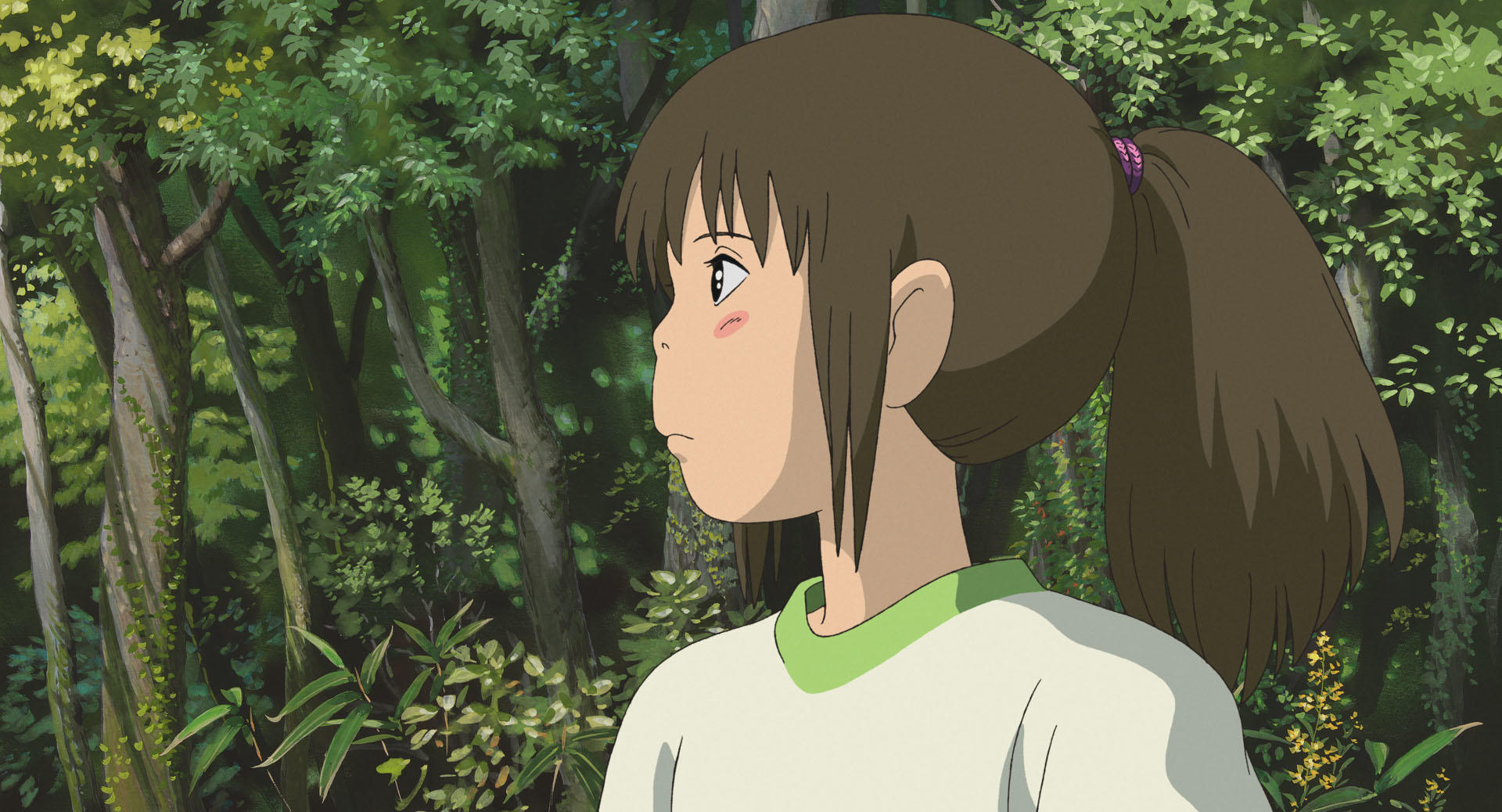
Image source: Official Spirited Away still via ghibli.jp, where Studio Ghibli provides stills with a common-sense usage notice.