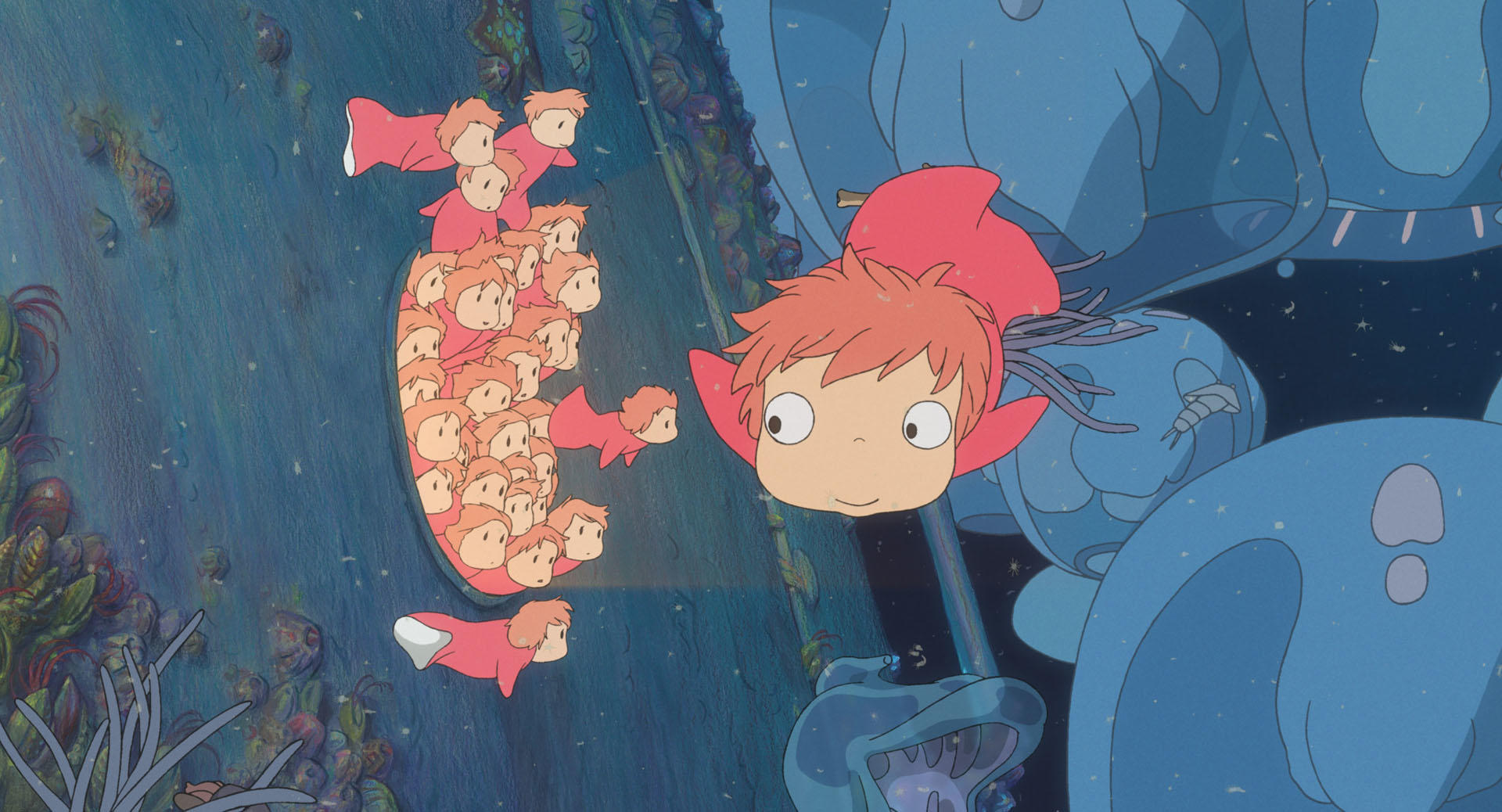
Quick answer: Ponyo’s ending turns a childlike promise into a cosmic test: Sosuke must accept Ponyo as she is, the sea must rebalance, and love must be free rather than possessive.
This guide answers the search intent directly, then gives a spoiler-aware reading for viewers who want more than a recap. It uses official Studio Ghibli imagery from ghibli.jp and links into related guides so the site keeps building a useful fan-guide structure.
At a glance
- Best for: new or returning viewers who want a clear explanation.
- Core topic: Ponyo
- Suggested next step: follow the film and character tags after reading.
What happens at the end of Ponyo?
By the end of Ponyo, the boundary between sea and land has been disrupted by Ponyo’s magic and desire to become human. The moon hangs close, ancient fish fill flooded streets, and the world feels both apocalyptic and playful. The final test asks whether Sosuke can love Ponyo in her true form, not merely as a cute girl who arrived from the sea.
That detail matters because Ghibli stories rarely separate plot from behaviour. A name, meal, journey, silence, act of work, or moment of restraint often tells the viewer what a character values before the dialogue says it aloud. Reading the film this way keeps the explanation grounded in what is actually on screen rather than forcing every image into a neat fan theory.
Why Sosuke’s answer matters
Sosuke is a child, so his answer is simple, but the film treats that simplicity seriously. He accepts Ponyo whether she is fish, human, or something between. That acceptance matters because Ponyo’s transformation cannot be based on possession, novelty, or denial. Love in the film is recognition.
That detail matters because Ghibli stories rarely separate plot from behaviour. A name, meal, journey, silence, act of work, or moment of restraint often tells the viewer what a character values before the dialogue says it aloud. Reading the film this way keeps the explanation grounded in what is actually on screen rather than forcing every image into a neat fan theory.
The sea and the mother figures
Granmamare and Lisa give the ending emotional weight. Granmamare brings ancient oceanic calm; Lisa brings human trust and courage. Their conversation suggests that the crisis is not solved by controlling children but by trusting a promise and accepting risk.
That detail matters because Ghibli stories rarely separate plot from behaviour. A name, meal, journey, silence, act of work, or moment of restraint often tells the viewer what a character values before the dialogue says it aloud. Reading the film this way keeps the explanation grounded in what is actually on screen rather than forcing every image into a neat fan theory.
What the ending means
The ending is not about logic in a hard fantasy-system sense. It is a fairy tale about unconditional recognition, childhood trust, and nature’s strangeness. Sosuke’s promise lets Ponyo become human because he accepts the whole of her, not just the version that fits his world.
That detail matters because Ghibli stories rarely separate plot from behaviour. A name, meal, journey, silence, act of work, or moment of restraint often tells the viewer what a character values before the dialogue says it aloud. Reading the film this way keeps the explanation grounded in what is actually on screen rather than forcing every image into a neat fan theory.
How this connects to the wider Ghibli world
For a broader path through the catalogue, use our best Studio Ghibli movies to watch first guide, the movies-in-order watch guide, and the connected Ghibli movies explainer. These links help readers move from one question to the next instead of landing on an isolated article.
Frequently asked questions
Is this article spoiler-free?
It is spoiler-aware rather than fully spoiler-free. Character and ending explainers need some plot detail, but the opening answer is designed to help readers quickly decide whether to continue.
Is there one official interpretation?
Not always. Studio Ghibli films often leave room for emotion, memory, and myth. This guide separates clear story evidence from reasonable interpretation.
What should I watch next?
If the film appealed to you, follow the linked tags for related characters and themes, then use the watch-order guide to choose a nearby title with a similar mood or contrast.
Rewatch notes
On a rewatch, look for small repeated actions: who gives food, who withholds a name, who listens before acting, who treats nature as alive, and who changes their mind. Ghibli’s best scenes often carry their meaning in those quiet choices, which is why the films stay rewarding after the first viewing.
Image note: Featured imagery for this article uses official Studio Ghibli stills sourced from ghibli.jp. Studio Ghibli’s official image pages include the common-sense usage notice: ※画像は常識の範囲でご自由にお使いください。
Why the ending feels simple but not empty
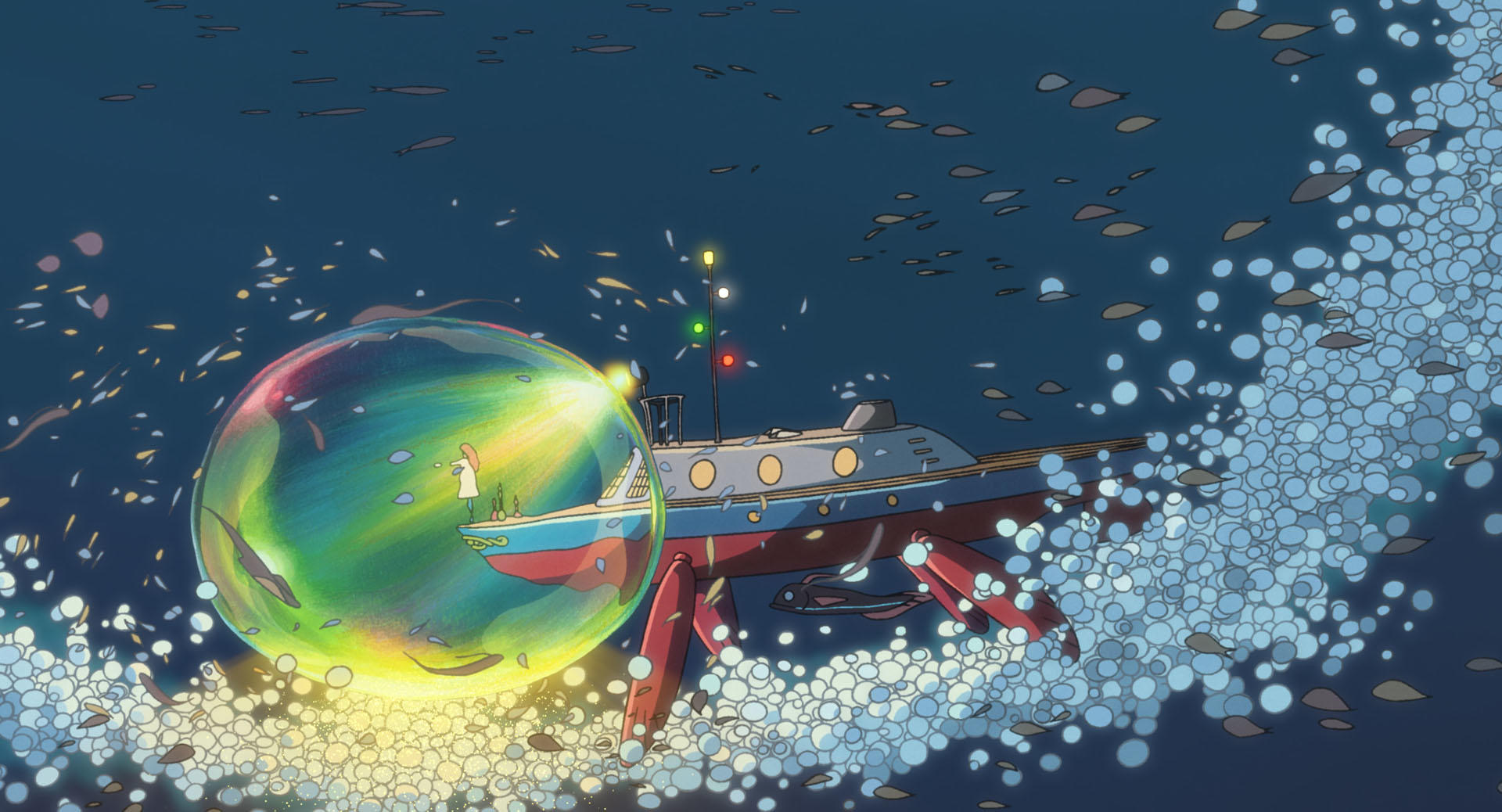
The ending of Ponyo can look almost too simple on a first watch: a child says yes, a mother trusts him, the sea calms, and Ponyo is allowed to live as a human. The useful way to read it is not as a legal contract or a puzzle-box ending. It is a fairy-tale test of care. Sosuke is not being asked to solve the ocean. He is being asked whether he understands that loving Ponyo means accepting her fully, not collecting her as a magical prize.
That is why Lisa matters so much in the final movement. She models the adult version of trust. She does not turn the crisis into suspicion or control. She listens, moves quickly, protects the children, and lets the story’s emotional logic stand. In a film built around tides, appetite, storms, and overflowing feeling, the ending becomes a small act of steadiness. Ponyo’s choice is wild and joyful, but the world can only absorb it because Sosuke and Lisa answer with responsibility rather than panic.
FAQ note for rewatching
Does this change the basic meaning of the film?
No. It simply gives repeat viewers a cleaner lens: watch how the film uses small choices, trust, fear, and appetite to make the larger fantasy feel emotionally believable.
Is there one official answer?
Studio Ghibli films often leave room for interpretation. The safest reading is to stay close to what the film shows onscreen, then use interviews, official materials, and careful comparison only as support.
Image source: official Studio Ghibli still from ghibli.jp, used within the studio’s published common-sense usage guidance.