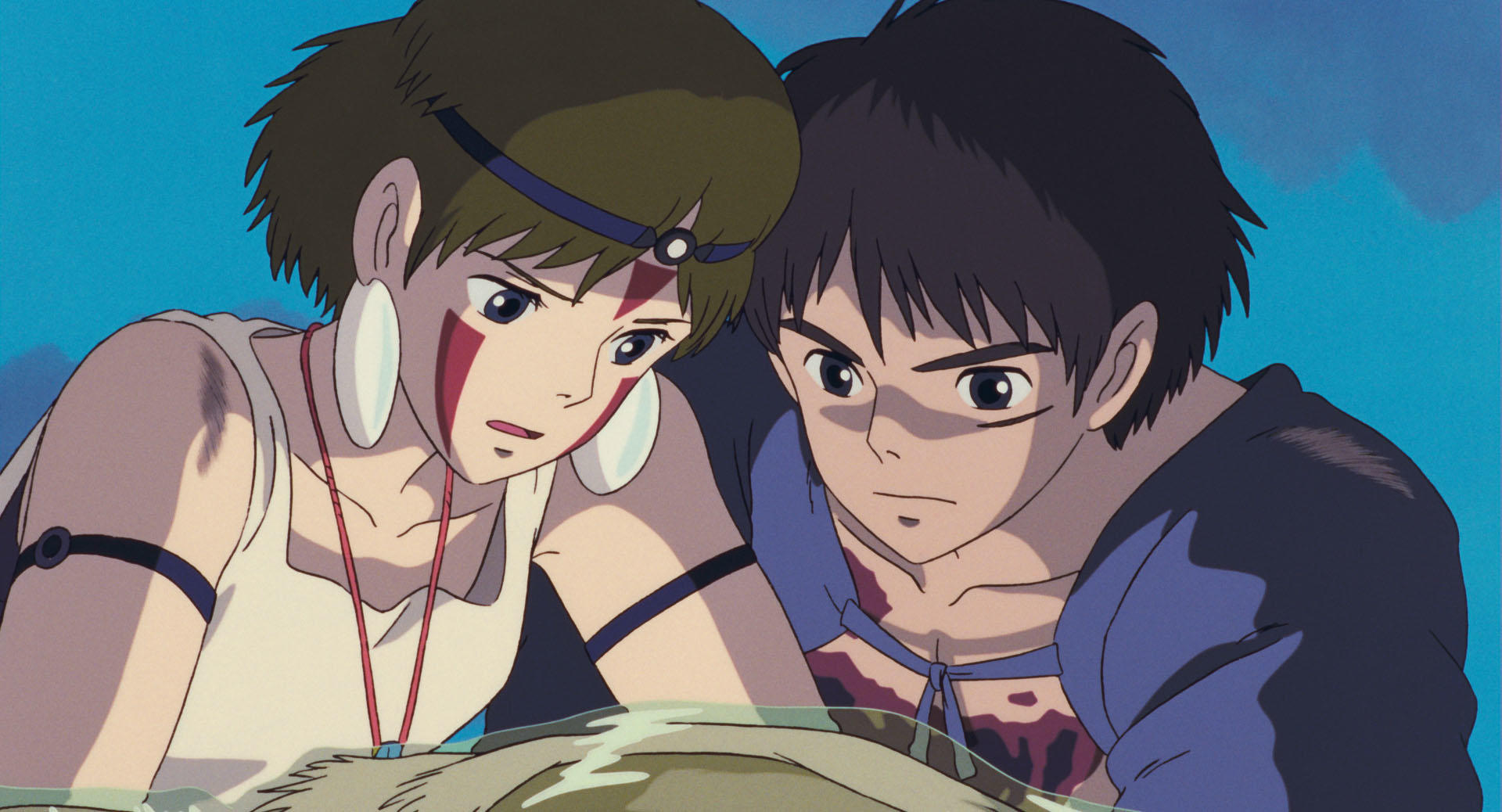
Quick answer: Ashitaka is the moral centre of Princess Mononoke because he acts without pretending the world is simple: he resists hatred, protects life, and keeps looking clearly even when clarity hurts.
This guide answers the search intent directly, then gives a spoiler-aware reading for viewers who want more than a recap. It uses official Studio Ghibli imagery from ghibli.jp and links into related guides so the site keeps building a useful fan-guide structure.
At a glance
- Best for: new or returning viewers who want a clear explanation.
- Core topic: Ashitaka
- Suggested next step: follow the film and character tags after reading.
Who is Ashitaka?
Ashitaka is an Emishi prince cursed after defending his village from a corrupted boar god. His exile sends him west, but the plot is not a simple quest to cure himself. The curse makes visible what hatred does: it grants violent power while eating the person carrying it.
That detail matters because Ghibli stories rarely separate plot from behaviour. A name, meal, journey, silence, act of work, or moment of restraint often tells the viewer what a character values before the dialogue says it aloud. Reading the film this way keeps the explanation grounded in what is actually on screen rather than forcing every image into a neat fan theory.
Eyes unclouded by hate
Ashitaka’s defining phrase is easy to misunderstand. He is not passive, detached, or above the conflict. He intervenes constantly. What makes him different is his refusal to let one side’s pain erase another side’s humanity. He can see the forest’s suffering and Iron Town’s vulnerable workers at the same time.
That detail matters because Ghibli stories rarely separate plot from behaviour. A name, meal, journey, silence, act of work, or moment of restraint often tells the viewer what a character values before the dialogue says it aloud. Reading the film this way keeps the explanation grounded in what is actually on screen rather than forcing every image into a neat fan theory.
Strength and restraint
Ashitaka is physically powerful, especially when the curse surges, but the film treats that power as dangerous. His heroism comes from restraint: stopping fights, carrying the wounded, asking questions, and absorbing anger without reflecting it back immediately.
That detail matters because Ghibli stories rarely separate plot from behaviour. A name, meal, journey, silence, act of work, or moment of restraint often tells the viewer what a character values before the dialogue says it aloud. Reading the film this way keeps the explanation grounded in what is actually on screen rather than forcing every image into a neat fan theory.
Relationship with San
Ashitaka’s bond with San is not a rescue fantasy. He is drawn to her courage and pain, while she is challenged by his refusal to hate all humans. Their relationship matters because it creates a bridge without pretending that love alone can solve ecological and social damage.
That detail matters because Ghibli stories rarely separate plot from behaviour. A name, meal, journey, silence, act of work, or moment of restraint often tells the viewer what a character values before the dialogue says it aloud. Reading the film this way keeps the explanation grounded in what is actually on screen rather than forcing every image into a neat fan theory.
How this connects to the wider Ghibli world
For a broader path through the catalogue, use our best Studio Ghibli movies to watch first guide, the movies-in-order watch guide, and the connected Ghibli movies explainer. These links help readers move from one question to the next instead of landing on an isolated article.
Frequently asked questions
Is this article spoiler-free?
It is spoiler-aware rather than fully spoiler-free. Character and ending explainers need some plot detail, but the opening answer is designed to help readers quickly decide whether to continue.
Is there one official interpretation?
Not always. Studio Ghibli films often leave room for emotion, memory, and myth. This guide separates clear story evidence from reasonable interpretation.
What should I watch next?
If the film appealed to you, follow the linked tags for related characters and themes, then use the watch-order guide to choose a nearby title with a similar mood or contrast.
Rewatch notes
On a rewatch, look for small repeated actions: who gives food, who withholds a name, who listens before acting, who treats nature as alive, and who changes their mind. Ghibli’s best scenes often carry their meaning in those quiet choices, which is why the films stay rewarding after the first viewing.
Image note: Featured imagery for this article uses official Studio Ghibli stills sourced from ghibli.jp. Studio Ghibli’s official image pages include the common-sense usage notice: ※画像は常識の範囲でご自由にお使いください。
Quick reader answer
If you landed here looking for a simple answer about Ashitaka Character Guide: Seeing With Eyes Unclouded in Princess Mononoke, start with the core viewing decision: what mood, age range, or character question are you trying to solve? Studio Ghibli topics can be surprisingly broad, so the most useful guide is one that gives you a direct recommendation first, then explains the context without spoiling the magic.
Why this topic matters for Ghibli fans
Studio Ghibli films stay popular because they are easy to revisit from different angles. A child may remember the creatures and flying scenes. An adult may notice work, grief, responsibility, war, creativity, or the cost of growing up. That layered quality is why even a narrow topic deserves more than a short placeholder. The best answer should help a new viewer choose what to watch next while giving returning fans a reason to look again.
When comparing Ghibli movies, it helps to separate three things: story intensity, emotional weight, and rewatch comfort. Some films are visually gentle but emotionally deep. Others look like family adventures but include frightening moments or complex moral conflict. A good guide should make those differences clear before asking the reader to commit to a film night.
How to use this guide
Use this page as a practical starting point, then follow the internal links to related watch guides, character explainers, and movie hubs. If you are new to the studio, the safest path is usually to begin with accessible films like My Neighbor Totoro, Kiki’s Delivery Service, Ponyo, or Spirited Away depending on age and tolerance for strange imagery. If you already love Ghibli, use this topic as a way to choose a more specific rewatch.
Useful viewing context
Ghibli stories rarely work like simple franchises. Most films stand alone, and there is no required cinematic universe order. That gives viewers freedom, but it also means searchers need context: which film is gentle, which is intense, which is best for children, which is best for adults, and which one best matches a particular character or theme. This page has been expanded to make that decision easier.
For broader orientation, read the Studio Ghibli movies in order guide. For comfort-led viewing, see the cozy night recommendations. Families should also use the age-friendly kids guide before choosing one of the heavier films.
FAQs
Do I need to understand every Studio Ghibli reference first?
No. Most Ghibli films are standalone. Context helps you choose, but the stories are designed to work emotionally even if you are new.
Which Ghibli film is the easiest next watch?
For most viewers, My Neighbor Totoro is the gentlest next step, while Spirited Away is the best-known all-round gateway.
Are the darker Ghibli films still worth watching?
Yes, but choose the right moment. Princess Mononoke, The Wind Rises, and Grave of the Fireflies are powerful, but they are not casual comfort picks.
Image source note: official Studio Ghibli stills are credited to ghibli.jp and used within the official common-sense usage notice.