Quick answer: Ponyo is one of the gentlest Studio Ghibli films for younger viewers, but it still has a few big storm scenes, moments of parental worry, and magical confusion that can feel intense for very small children. For most families, it works best from around age 5 or 6 with an adult nearby, and a little younger for children who are already comfortable with animated peril.
This parent guide keeps spoilers light and focuses on the things families usually want to know before pressing play: how scary it gets, what children may ask about, what themes the film opens up, and which viewers are most likely to enjoy it. If you are using Ponyo as an early Studio Ghibli entry point, it also pairs well with our Studio Ghibli movies for kids by age guide and the broader beginner-friendly watch guide.
What is Ponyo about?
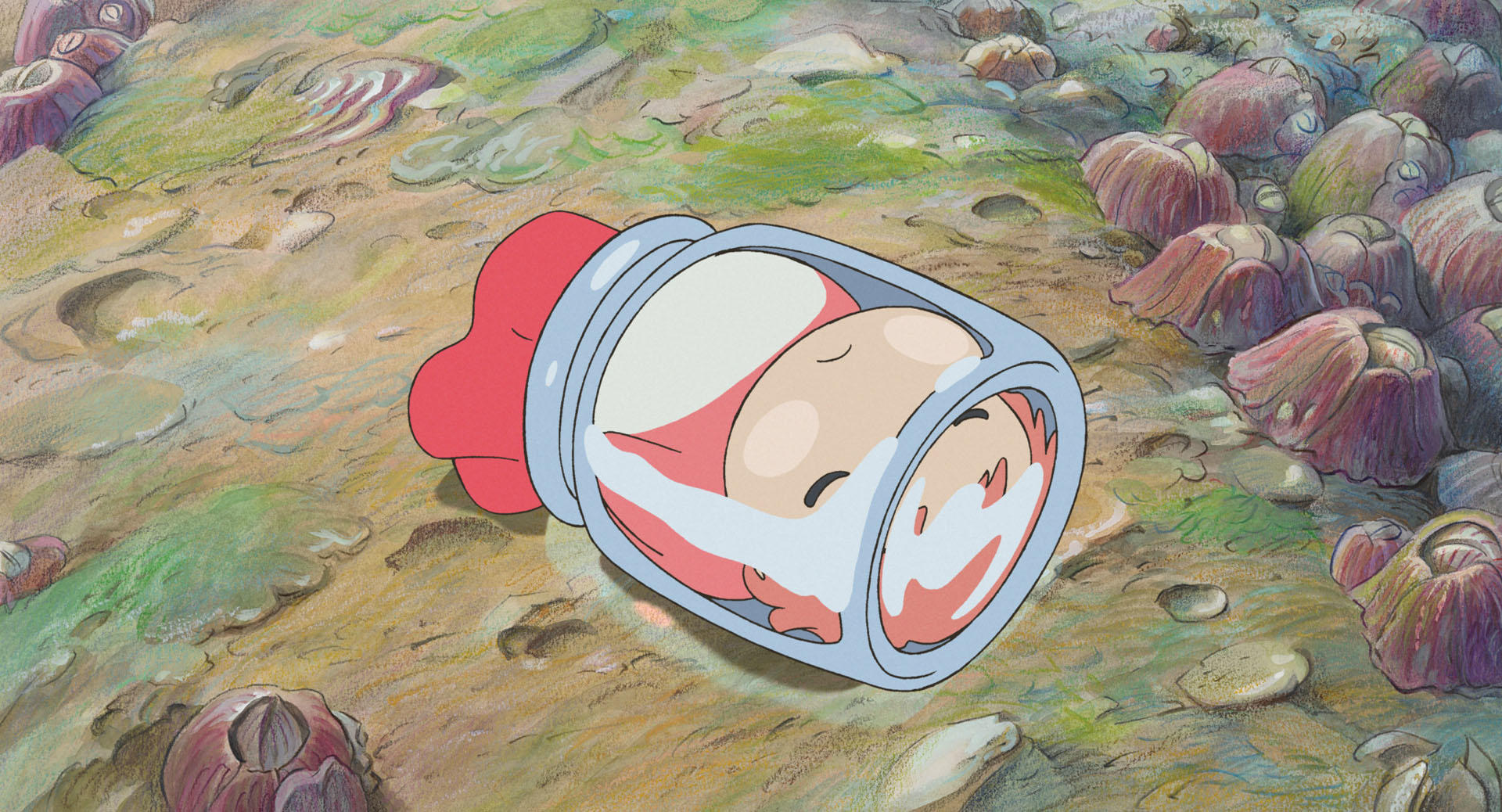
Ponyo is Hayao Miyazaki’s bright, ocean-soaked fairy tale about a magical goldfish girl who wants to become human after meeting a young boy named Sosuke. The story is simple on the surface: two children form a bond, the sea becomes restless, and the adults around them try to understand what is happening. Underneath that, the film is about trust, wonder, family love, environmental balance, and the way children experience the world with complete seriousness.
Unlike some Ghibli films, Ponyo is not built around villains, battles, or complicated lore. Its energy is closer to a child’s dream. The ocean can be beautiful and frightening in the same scene. Adults can be loving but distracted. Magic does not always come with an explanation. That makes the film accessible for children, but it also means parents may want to be ready for questions.
Recommended age range
For most families, Ponyo is a good choice for ages 5 and up. Sensitive younger viewers may still be fine if they are used to animated films with storms, loud waves, and brief separation anxiety. Children around 7 to 9 often get the most out of it because they can enjoy the cute friendship while also noticing the bigger ideas about nature, responsibility, and keeping promises.
If your child is easily upset by flooding, parents being in danger, or characters travelling through dark water, watch it together rather than using it as a solo background movie. The tone stays warm, but the scale of the storm is deliberately huge. A child who worries about weather or separation may need reassurance that the film is not trying to be a disaster movie.
How scary is Ponyo?
Ponyo is not scary in the horror sense. There are no monsters designed to terrify children, no graphic violence, and no cruel villain. The tension comes from natural forces and magical imbalance. The sea rises, waves behave like living creatures, and Sosuke’s mother drives through dangerous weather in a scene that can feel more intense to adults than to children.
The biggest potentially scary elements are:
- Storm and flooding scenes: the ocean becomes enormous and unpredictable.
- Parent worry: Sosuke is concerned about his mother and the adults around him.
- Dark water and strange magic: some underwater imagery may feel mysterious or overwhelming.
- Emotional intensity: young children may not fully understand whether everyone is safe until the film settles.
The important thing is that the film’s emotional compass stays kind. It does not linger on suffering, and it consistently returns to care, trust, and connection. If your child handled the gentler parts of My Neighbor Totoro, Ponyo is usually a sensible next step, though the storm sequences are more visually intense.
Is there violence, bad language, or mature content?
There is no meaningful bad language or adult sexual content. Violence is minimal and stylised. The film is much more concerned with movement, weather, and feeling than with conflict between people. Parents who are cautious about mature themes should know that the story includes absent or busy parents, a child worrying about a parent’s safety, and a fantasy version of the world being thrown out of balance.
Those ideas are presented through a child-friendly lens. The film does not ask young viewers to process adult trauma. It asks them to believe that love, patience, and keeping faith with others can help restore things when the world feels too big.
Themes children can understand
One reason Ponyo works so well as a family film is that its themes are easy to talk about without turning the movie into homework. Children can recognise that Sosuke is kind to Ponyo before he fully understands who she is. They can see that Ponyo’s choices affect other people. They can feel the ocean as a living presence rather than just a background.
Kindness before explanation
Sosuke does not need a full magical briefing before he cares about Ponyo. That is a very childlike idea, and it is one of the film’s strengths. Parents can use it to talk about helping someone who is lost, confused, or different, while still being safe and asking adults for help.
Nature is powerful, not just pretty
The sea in Ponyo is beautiful, playful, strange, and dangerous. That makes it a useful first environmental Ghibli film for children who are not ready for the heavier conflict in Princess Mononoke or Nausicaä. The message is not a lecture. It is a feeling: nature is alive, and people are part of it.
Promises matter
The story treats Sosuke’s promise seriously because children treat promises seriously. That can lead to a good family conversation about what it means to say you will care for someone, what promises children can realistically keep, and when they still need adult help.
Who will enjoy Ponyo most?
Ponyo is a strong pick for families who want a colorful, emotionally safe Ghibli movie with a lot of visual movement. It is especially good for children who like mermaids, sea creatures, magic, cozy homes, boats, and stories about friendship. It is also a good choice when you want a film that feels lighter than Spirited Away but more energetic than My Neighbor Totoro.
It may be less ideal for viewers who need a very clear plot with rules explained at every turn. Miyazaki often lets the dream logic carry the story. Children usually accept that more easily than adults do. If a child asks “why did that happen?”, it is fine to answer, “Because the magic and the sea are out of balance,” rather than trying to build a detailed lore chart.
Best way to watch Ponyo with children
If this is a child’s first Studio Ghibli film, set expectations simply: it is a magical sea story, some parts get stormy, and the ending is gentle. During the intense weather scenes, a quick reminder that “this part is big and loud, but the movie is still kind” can be enough.
After watching, ask practical questions rather than abstract ones. What did Ponyo want? Why was Sosuke kind to her? Which part of the ocean felt beautiful? Which part felt scary? These questions let children process the movie in their own language.
Good follow-up movies
If Ponyo lands well, the safest next Ghibli follow-ups are usually My Neighbor Totoro for a softer countryside story, Kiki’s Delivery Service for independence and confidence, and Arrietty for small-scale adventure. For older children who liked the magic but can handle more tension, Spirited Away is the natural step up.
FAQ
Is Ponyo suitable for a 4-year-old?
It depends on the child. Many 4-year-olds enjoy the colors, music, and Ponyo herself, but the storm and flooding scenes may be too much for sensitive viewers. Watch together and be ready to pause.
Is Ponyo sad?
It has worried moments, but it is not a sad film overall. The dominant feeling is wonder, affection, and relief.
Does Ponyo have a villain?
Not in the usual sense. There are adults and magical forces with conflicting concerns, but the film is not about defeating a bad person.
Is Ponyo a good first Studio Ghibli movie?
Yes, especially for younger children. For adults or older first-time viewers, Spirited Away, Howl’s Moving Castle, or Princess Mononoke may show a wider range of what Ghibli can do, but Ponyo is one of the best family-friendly starting points.
Final verdict for parents
Ponyo is gentle, strange, funny, and emotionally generous. Its only real caution points are storm intensity, flooding imagery, and moments where a child worries about a parent. If those are manageable for your household, it is one of the easiest Studio Ghibli films to recommend for family viewing. It gives children a magical adventure without cynicism, and it gives parents plenty to talk about afterward without making the experience feel heavy.