Quick answer: the best Studio Ghibli movies about flying are Kiki’s Delivery Service, Castle in the Sky, Howl’s Moving Castle, Nausicaä of the Valley of the Wind, Porco Rosso, and The Wind Rises. They use flight in very different ways: a broom becomes a test of confidence, an airship becomes a promise of adventure, a dragon suggests danger and escape, and a plane can be both beautiful and morally complicated.
This guide is for readers who want a themed watchlist rather than another plain ranking. It stays spoiler-light, explains what each flying movie is really doing, and helps you choose the right one for a first watch, a comfort rewatch, or a deeper Studio Ghibli marathon.
Why flight matters so much in Studio Ghibli movies
Flight appears again and again in Ghibli because it can mean several things at once. It is freedom, but it is rarely simple freedom. It can be work, risk, pride, escape, temptation, violence, creativity, or a way to see the world from a kinder distance. That range is what makes the flying scenes feel so memorable.
In a lesser film, a character flies because it looks exciting. In a Ghibli film, the act usually tells you something about who they are. Kiki’s broom shows whether she trusts herself. The airships of Castle in the Sky turn the sky into a place of mystery and pursuit. Howl’s transformations make flight romantic and frightening at the same time. Jiro’s planes in The Wind Rises show the tension between artistic dreams and real-world consequences.
1. Kiki’s Delivery Service: flying as confidence and work
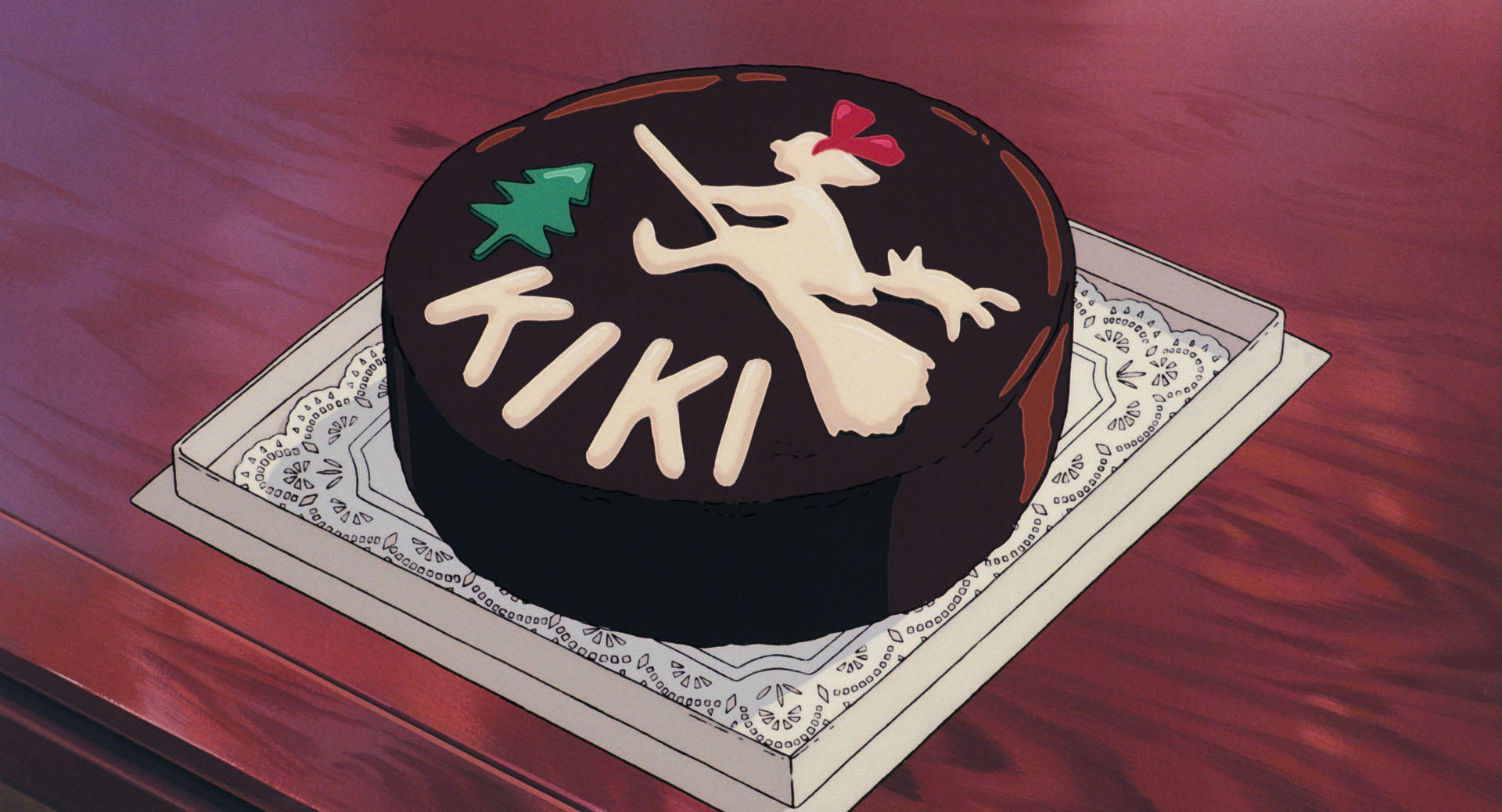
Kiki’s Delivery Service is the easiest place to start if you want a warm Ghibli flying movie. Kiki’s broom is not just a magical prop. It is her job, her independence, and her way of proving to herself that she can live in a new city without losing who she is.
The best thing about the film is that flying does not stay effortless. Kiki has talent, but she also gets tired, lonely, insecure and creatively blocked. That makes the flying scenes feel more human. The question is not simply “can she fly?” It is “can she keep believing in herself when the thing that once felt natural becomes difficult?”
Watch this first if you want the gentlest version of Ghibli’s flight theme: growing up, earning trust, helping people, and finding confidence again after a wobble.
2. Castle in the Sky: flying as adventure and danger
Castle in the Sky is the big, pulpy airship adventure of the Ghibli catalogue. It has floating ruins, pirates, military aircraft, chases, secrets and one of the studio’s clearest examples of the sky as a place where wonder and danger meet.
The film’s flying machines feel heavy and physical. They rattle, drift, chase and crash. That texture matters because it stops the adventure from becoming weightless. The sky is thrilling, but it is also contested. Different people want to control what is above the clouds, and the story keeps asking whether power should be chased just because it can be reached.
If you are building a watch order around flight, pair this with our Castle in the Sky beginner guide and then move to a quieter film like Kiki’s Delivery Service to feel how differently Ghibli can use the same sky.
3. Howl’s Moving Castle: flying as romance, escape and transformation
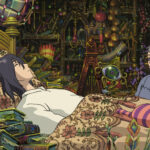
Howl’s Moving Castle uses flight more like a dream than an engineering problem. The famous sky-walk feeling is romantic and disorienting. Howl’s birdlike movement can be beautiful, but it also carries fear, secrecy and the cost of running away from war.
That mix is why the flying scenes work so well. They are not just pretty images. They show Howl’s glamour and instability, Sophie’s widening world, and the way magic can be both a refuge and a trap. The movie is full of doors, disguises and moving spaces, so flight becomes part of a larger theme: nobody can avoid responsibility forever, even if they can briefly rise above it.
Choose this one when you want the most magical and emotionally heightened version of Ghibli flight. For a next-watch path, see movies like Howl’s Moving Castle.
4. Nausicaä of the Valley of the Wind: flying as empathy and survival
Nausicaä of the Valley of the Wind predates Studio Ghibli as a company, but it belongs in any Ghibli flight conversation. Nausicaä’s glider is elegant because it expresses her personality. She is observant, brave, gentle with living things, and able to move through danger without immediately trying to dominate it.
Her flying is not only about escape. It lets her read the landscape, understand the wind, cross boundaries and respond quickly when others are trapped by fear. That makes the film a strong companion to Ghibli’s environmental stories. The sky gives Nausicaä perspective, but the point is what she does with that perspective when she returns to the ground.
5. Porco Rosso: flying as style, regret and identity
Porco Rosso is the most aviation-shaped Ghibli film on the surface. It has seaplanes, pilots, dogfights, mechanics, hangars and a hero whose whole persona is wrapped around the romance and exhaustion of flying. It can look breezy, but under the charm is a story about regret, masculinity, memory and refusing to fit neatly back into ordinary life.
Continue with the full Porco Rosso guide for the story, aerial rivalry, Fio’s role, ending and viewer guidance.
Flight here feels stylish, but not innocent. The film loves planes as machines and as visual poetry, yet it never completely separates them from violence or from the pilot’s past. That bittersweet tension is the point. Porco is free in the air, but he is also stuck in a self-made myth.
6. The Wind Rises: flying as beauty with consequences
The Wind Rises is the most adult and complicated Ghibli film about flight. It focuses less on flying as fantasy and more on the dream of making beautiful aircraft in a world that will not use them innocently. That makes it a very different watch from Kiki or Castle in the Sky.
The film is not a simple celebration of planes. It is about creativity, ambition, compromise, illness, history and the painful gap between a dream and what the world does with it. If you are watching Ghibli with children, save this for older viewers. If you are watching as an adult, it may be the richest film in the whole flight cluster.
Best watch order for Ghibli movies about flying
If you want a smooth themed marathon, try this order:
- Kiki’s Delivery Service, for the warmest and most accessible flying story.
- Castle in the Sky, for adventure, airships and classic fantasy momentum.
- Howl’s Moving Castle, for magical flight, romance and transformation.
- Nausicaä of the Valley of the Wind, for survival, ecology and moral courage.
- Porco Rosso, for aviation style with melancholy underneath.
- The Wind Rises, for the serious adult coda.
That order moves from comfort and wonder toward complexity. If you are planning a broader first-time journey through the studio, combine this with our beginner-friendly Studio Ghibli watch guide.
Which flying Ghibli movie should you watch tonight?
Choose Kiki’s Delivery Service if you want comfort. Choose Castle in the Sky if you want a proper adventure. Choose Howl’s Moving Castle if you want romance and magic. Choose Nausicaä if you want courage and environmental stakes. Choose Porco Rosso if you want aircraft, wit and melancholy. Choose The Wind Rises if you want the thoughtful, grown-up version of the theme.
The sky in Ghibli is never just background. It is where characters test themselves, reveal what they value, and discover whether freedom is enough on its own. That is why these flying scenes last in the memory long after the credits.
FAQ
What is the best Studio Ghibli flying movie for beginners?
Kiki’s Delivery Service is the best beginner pick because it is gentle, clear, funny and emotionally direct. Castle in the Sky is the better choice if you want a more action-adventure feel.
Which Studio Ghibli movie has the most airplanes?
Porco Rosso and The Wind Rises are the major airplane-focused Ghibli films. Porco Rosso is more adventurous and playful, while The Wind Rises is more reflective and adult.
Are Ghibli flying movies good for children?
Kiki’s Delivery Service and Castle in the Sky are usually the safest starting points for families, depending on the child. The Wind Rises is better for older viewers because its themes are heavier and more historical.
Image source: official Studio Ghibli stills from ghibli.jp and ghibli.jp. Studio Ghibli’s work pages include the notice: ※画像は常識の範囲でご自由にお使いください。