If you want Studio Ghibli movies about growing up, start with Kiki’s Delivery Service, Spirited Away, Whisper of the Heart, Only Yesterday, The Secret World of Arrietty, and When Marnie Was There. They do not all tell the same kind of coming-of-age story. Some are gentle, some are strange, and some are quietly painful, but each one is about a young person learning how to live with change.
This guide is built for viewers who want the right Ghibli film for a specific mood: leaving home, losing confidence, finding a voice, handling family pressure, or simply feeling older than you were yesterday. It is spoiler-light, so you can use it before watching.
Quick list: the best Ghibli coming-of-age movies
| Movie | Best for | Growing-up theme |
|---|---|---|
| Kiki’s Delivery Service | A warm first pick | Independence, confidence, creative burnout |
| Spirited Away | A magical, stranger route | Courage, identity, responsibility |
| Whisper of the Heart | Artists and anxious dreamers | Ambition, self-doubt, first love |
| Only Yesterday | Older teens and adults | Memory, adulthood, choosing your life |
| The Secret World of Arrietty | Gentle family viewing | Leaving safety, bravery, trust |
| When Marnie Was There | Emotional, reflective viewing | Loneliness, belonging, family history |
| From Up on Poppy Hill | School-life drama | Community, grief, first love, responsibility |
1. Kiki’s Delivery Service
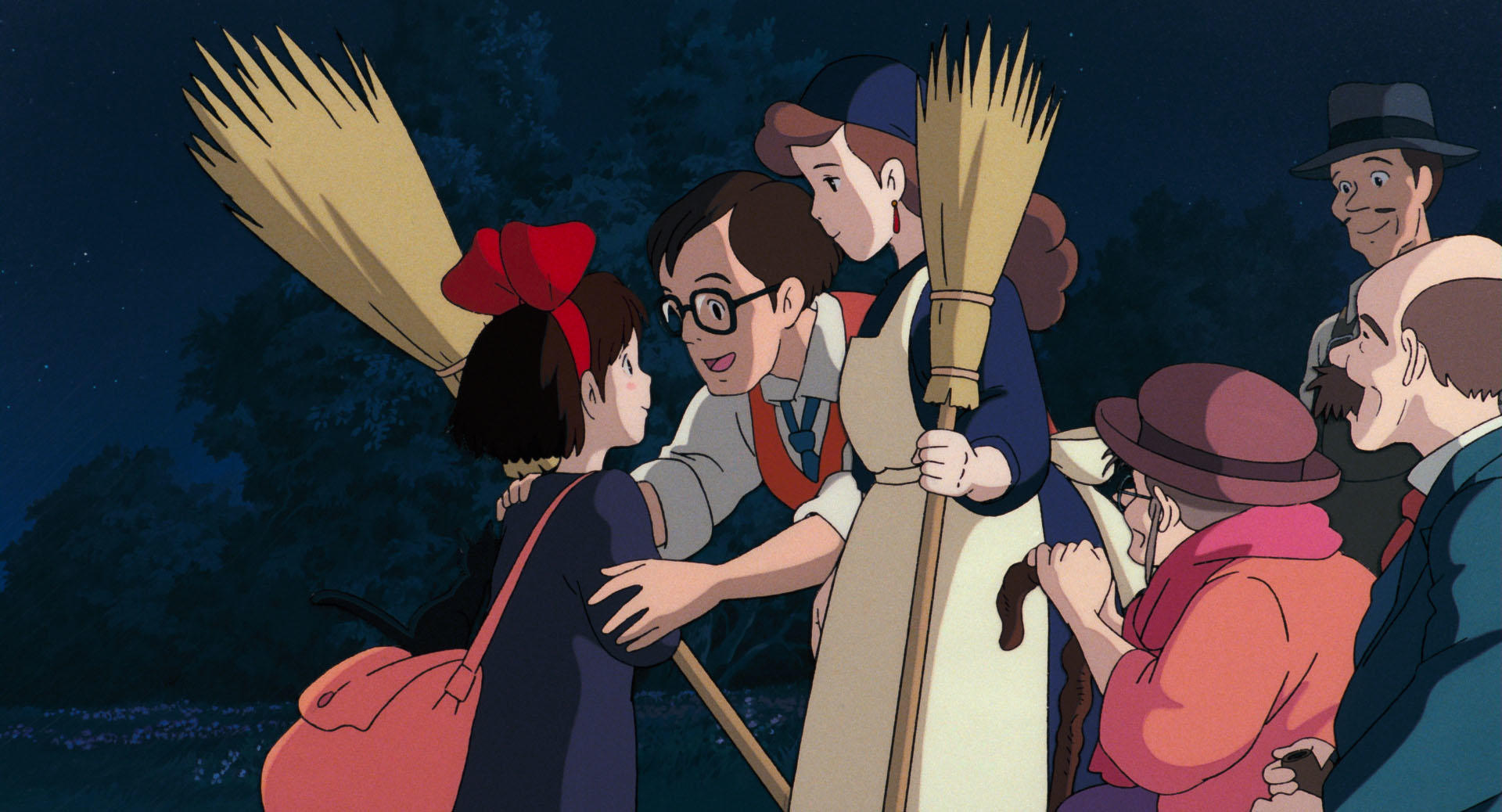
Kiki’s Delivery Service is probably the cleanest Studio Ghibli coming-of-age movie for beginners. Kiki leaves home at thirteen, moves to a new city, starts work, makes mistakes, and slowly learns that independence is not the same as always feeling brave. The fantasy is simple, but the emotional problem is very real: what happens when the thing you are good at suddenly feels impossible?
That is why Kiki works for children, teenagers, and adults. Younger viewers see an exciting story about a witch, a cat, and a seaside town. Older viewers often recognise the burnout underneath it. Kiki’s loss of confidence is not treated like a dramatic curse to defeat. It feels more like the ordinary wobble that happens when your identity depends too much on being useful.
If you are planning a first Ghibli night, this is one of the safest starts. It is lighter than Spirited Away, warmer than Princess Mononoke, and more direct than some of the studio’s quieter dramas. For more context, use the site’s Kiki’s Delivery Service beginner guide after this list.
2. Spirited Away
Spirited Away turns growing up into a dreamlike trial. Chihiro begins frightened, sulky, and powerless. Once she enters the bathhouse world, she has to work, remember who she is, and decide who deserves her trust. The film is not a simple “be confident” story. It is about staying human inside a place that keeps trying to rename, distract, and consume people.
As a coming-of-age movie, it is especially good for viewers who like stories where childhood fear becomes practical courage. Chihiro does not become fearless. She becomes useful, observant, and loyal. That distinction is part of the film’s power. Ghibli often treats maturity as attention rather than swagger: notice what is wrong, help where you can, keep your promises, and do not let the world steal your name.
Because some scenes are intense, very young children may need a parent alongside them. If you are choosing by age or mood, pair this with the broader Studio Ghibli movies in order guide.
3. Whisper of the Heart
Whisper of the Heart is one of the best Ghibli films about creative self-doubt. Shizuku loves books, stories, and daydreaming, but the film asks what happens when a dream stops being vague and starts requiring work. That makes it feel unusually honest for anyone who has ever said, “I want to make something,” and then panicked when the making part arrived.
The coming-of-age angle here is not about saving a kingdom or surviving a spirit world. It is about testing yourself without knowing whether you are good enough. Shizuku’s growth is quiet but serious: she learns that talent, effort, embarrassment, and ambition are tangled together. The film also treats first love as motivation rather than a complete identity, which gives it a grounded, generous feel.
This is a strong pick for teenagers, writers, artists, students, and anyone stuck between wanting a big life and fearing they are not ready for one.
4. Only Yesterday
Only Yesterday is technically about an adult, but it belongs in this guide because it understands that growing up does not finish when school ends. Taeko travels to the countryside and finds herself revisiting memories of childhood: family pressure, school embarrassment, first crushes, food, shame, and the little moments that quietly shape a person.
This is not the best first Ghibli movie for a restless child. It is slower, more reflective, and more interested in memory than plot. For older teens and adults, though, that is the point. Only Yesterday shows how childhood can keep asking questions long after you think you have moved on. The coming-of-age story becomes a choosing-your-life story.
Watch it when you want a softer, more adult kind of Ghibli film. It pairs well with Whisper of the Heart because both films care about the gap between the life you imagine and the life you are actually building.
5. The Secret World of Arrietty
The Secret World of Arrietty is a gentle coming-of-age story about bravery at small scale. Arrietty is ready to prove herself, but her world is built around caution. Borrowers survive by staying hidden. That makes every act of curiosity feel risky, and every connection with the human world feel like a step away from childhood safety.
The film is especially useful for families who want a quieter Ghibli movie. It has danger, but not in the overwhelming way of the darker fantasy films. Arrietty’s growth comes from learning the difference between recklessness and courage. She wants freedom, but she also has to understand the cost of being seen.
If your reader or viewer likes small worlds, secret houses, and gentle tension, this is a lovely bridge from cozy Ghibli into more emotionally complex stories. See also the site’s Arrietty movie guide.
6. When Marnie Was There
When Marnie Was There is one of the more emotionally delicate Ghibli coming-of-age films. Anna is lonely, guarded, and unsure where she belongs. The story uses mystery and memory to explore identity, family, grief, and the strange ache of feeling separate from other people.
This is not the most obvious crowd-pleaser, but it can land deeply for viewers who connect with quiet sadness. Anna’s growth is less about adventure and more about allowing herself to be loved. That makes the film valuable for older children, teens, and adults who want something tender rather than action-heavy.
Parents should know that the emotional themes may feel heavier than the film’s soft visual style suggests. It is gentle, but it is not empty.
7. From Up on Poppy Hill
From Up on Poppy Hill is a grounded school-life story about students trying to preserve their clubhouse while dealing with family history and postwar memory. Its coming-of-age theme is responsibility: the characters are young, but they are already inheriting complicated adult worlds.
The film works well when you want Ghibli without monsters, spirits, witches, or giant set pieces. Its drama is social and emotional. The students organise, argue, clean, campaign, and care about a place together. That gives it a different kind of growing-up energy from Kiki’s solo independence or Chihiro’s survival in the bathhouse.
Best first watch order for this theme
If you are building a mini-marathon, use this order:
- Kiki’s Delivery Service for the warmest introduction.
- Whisper of the Heart for creativity and self-doubt.
- Spirited Away for courage under pressure.
- The Secret World of Arrietty for gentler bravery.
- When Marnie Was There for belonging and emotional healing.
- Only Yesterday when you want the adult reflection.
For a wider beginner route, the Miyazaki starting-point guide is a useful companion.
Which one should you choose tonight?
- For kids: choose Kiki’s Delivery Service or The Secret World of Arrietty.
- For teens: choose Whisper of the Heart, Spirited Away, or From Up on Poppy Hill.
- For adults: choose Only Yesterday or When Marnie Was There.
- For comfort: choose Kiki’s Delivery Service.
- For emotional impact: choose When Marnie Was There.
FAQ
What is the best Studio Ghibli coming-of-age movie?
Kiki’s Delivery Service is the best all-round starting point because its coming-of-age story is clear, warm, and easy to recommend to many ages. Spirited Away is the bigger fantasy masterpiece, while Whisper of the Heart is the best pick for creative teenagers and artists.
Are Ghibli coming-of-age movies good for children?
Many are, but the best choice depends on the child. Kiki’s Delivery Service and Arrietty are gentler. Spirited Away can be intense. Only Yesterday is better for older viewers because its rewards are reflective rather than action-driven.
Which Ghibli movie is best for teenagers?
Whisper of the Heart is probably the most directly teenage Ghibli movie because it deals with school, ambition, self-doubt, and first love. Kiki’s Delivery Service and Spirited Away are also excellent teen watches for independence and courage.
Image source note: The image used in this article is an official Studio Ghibli still from ghibli.jp, where the studio notes that images may be used within common-sense bounds.