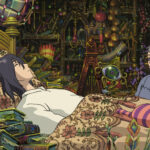
Studio Ghibli uses dragons less like monsters and more like emotional signals. Haku’s dragon form in Spirited Away is about memory, rescue, and a river spirit trying to remember his name. Howl’s bird-like monster form in Howl’s Moving Castle is not a classic dragon, but it belongs in the same Ghibli family of flying, scaled, half-wild transformations: beautiful, frightening, and tied to what the character is losing.
If you came looking for a simple list of Studio Ghibli dragons, the honest answer is that the studio does not have a huge dragon roster. Instead, it has a few unforgettable transformations that carry the same mythic feeling. This guide explains the main dragon-like figures, what they mean, and which films to watch if that is the side of Ghibli you love most.
Quick answer: who are the Studio Ghibli dragons?
The clearest Studio Ghibli dragon is Haku from Spirited Away. He appears as a white river dragon, serves Yubaba in the bathhouse world, and gradually remembers that he is the spirit of the Kohaku River. Howl’s Moving Castle does not make Howl a literal dragon, but his feathered war form often attracts the same searches because it is a huge flying transformation linked to magic, danger, and self-destruction.
Beyond those two, Ghibli tends to prefer spirits, forest gods, giant insects, wolves, boars, birds, and living machines. The studio’s fantasy creatures are rarely there just to look cool. They usually show what has been damaged, forgotten, protected, or pushed out of balance.
Haku in Spirited Away: the river dragon with a forgotten name
Haku is introduced as a calm guide in the bathhouse world, but his dragon form reveals a different side of him. As a dragon, he is powerful and vulnerable at the same time. He can fly, fight, and carry Chihiro through the sky, yet he is also wounded, controlled, and unable to fully remember who he is.
That is why Haku’s dragon scenes work so well. They are not just fantasy spectacle. They turn the film’s ideas about names, identity, and exploitation into something visible. Yubaba controls people by taking their names. Haku has lost his true name, so he has also lost the key to himself. When Chihiro remembers falling into the Kohaku River as a child, she gives Haku back the memory he needs to be free.
The dragon design matters too. Haku is long, white, elegant, and river-like. He does not feel like a treasure-hoarding Western dragon. He feels closer to an East Asian water spirit, something ancient and natural that has been trapped inside a workplace built on greed and rules. His body is magical, but his story is ecological and emotional.
Why Haku’s dragon form is so memorable
Haku’s dragon form gives Spirited Away one of its clearest emotional images: a child holding onto a wounded magical being and refusing to let him be reduced to what others made him. The flight scene is thrilling, but the real payoff is recognition. Chihiro does not defeat Haku’s problem by force. She remembers, names, and cares.
That makes Haku one of Ghibli’s best examples of transformation as recovery. He is not becoming a dragon because he wants to scare people. He is a spirit whose true nature has been buried. The dragon is both his power and his pain.
Howl’s bird form: not a dragon, but close in feeling
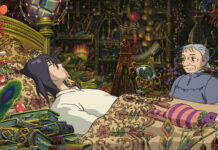
Howl is not usually described as a dragon in the film itself. His transformed body is more birdlike: feathers, wings, claws, a dark silhouette, and the sense that every battle pulls him further away from being human. Still, fans often group him with Ghibli’s dragon imagery because the feeling is similar. He becomes a large flying magical creature whose body shows the cost of war and avoidance.
In Howl’s Moving Castle, transformation is tied to fear. Sophie’s curse makes her body look old, but it also reveals her confidence. Howl’s transformation makes him look powerful, but it reveals how much of himself he is spending. The more he fights, the harder it seems for him to come back. That is why his monster form is romantic and alarming at once.
Where Haku’s dragon form is about remembering a lost self, Howl’s creature form is about the risk of losing yourself through repeated escape, vanity, and violence. Both characters need someone who sees beyond the magical surface.
Why Ghibli creatures rarely behave like ordinary monsters
One reason Ghibli fantasy feels different is that creatures are rarely just targets. The forest gods in Princess Mononoke, the Ohmu in Nausicaä of the Valley of the Wind, Totoro in My Neighbor Totoro, and Haku in Spirited Away all resist simple labels. They can be frightening, kind, unknowable, wounded, or sacred depending on how humans approach them.
That is important for Haku. If another fantasy film introduced a white dragon in a strange bathhouse, the story might build toward slaying or mastering him. Spirited Away does the opposite. Chihiro’s role is to help him remember who he is. The dragon is not the obstacle. The obstacle is a world that turns names, labor, rivers, and spirits into property.
Best Ghibli movies to watch if you like dragons
- Spirited Away: the essential choice for Haku, the Kohaku River, and Ghibli’s most famous dragon imagery.
- Howl’s Moving Castle: the best follow-up if you want flying magical transformation, romance, war, and body-changing fantasy.
- Nausicaä of the Valley of the Wind: not a dragon film, but full of giant creatures, ecological awe, and the idea that misunderstood beings are not automatically enemies.
- Princess Mononoke: essential if you like ancient spirits, animal gods, curses, and the sacred side of Ghibli fantasy.
- Castle in the Sky: better for floating-world adventure than dragons, but it has the same sense of old power, lost civilizations, and skybound wonder.
Dragon symbolism in Studio Ghibli
Ghibli’s dragon-like transformations usually point toward three ideas. First, they show a link with nature. Haku is not just a boy who turns into a dragon; he is a river spirit. Second, they show the danger of losing identity. Haku forgets his name, and Howl risks becoming something he cannot return from. Third, they show that care is more powerful than domination. Chihiro and Sophie do not win by conquering the magical creature. They win by recognizing the person, spirit, or heart inside it.
That is why Ghibli dragons stay with viewers. They are beautiful, but they are not decorative. They turn emotional and environmental stakes into unforgettable images: a white dragon falling through the sky, a wizard covered in feathers, a girl remembering a river, and a castle world where magic always has a cost.
Related guides
- Haku Character Guide: Dragon, River Spirit, and Chihiro’s Promise
- Howl’s Bird Form Explained
- Spirited Away Ending Explained
- More Studio Ghibli character guides
FAQ
Is Haku a dragon?
Yes. Haku appears as a white river dragon in Spirited Away. His true identity is the spirit of the Kohaku River, and remembering that name is central to his freedom.
Does Howl turn into a dragon?
Howl’s transformed form is more birdlike than dragonlike, but it has the same mythic feeling for many viewers: a large flying magical body that shows the cost of his choices and the danger of losing himself.
Which Studio Ghibli movie has the best dragon scene?
Spirited Away has the most important Ghibli dragon scenes because Haku’s dragon form is tied directly to the film’s themes of memory, identity, names, and care.
Official images in this guide are from Studio Ghibli’s official works pages, which include the notice: ※画像は常識の範囲でご自由にお使いください。 Sources: Spirited Away and Howl’s Moving Castle.