If you want the best Studio Ghibli movies about nature, start with Princess Mononoke, My Neighbor Totoro, Nausicaä of the Valley of the Wind, Ponyo, and The Secret World of Arrietty. Each one treats nature as more than scenery. Forests, rivers, insects, gardens, storms, and small hidden worlds become active parts of the story.
This guide is spoiler-light. It is written for new viewers who want a nature-focused Ghibli watchlist, parents choosing a film for a calm evening, and returning fans who want to understand why the studio’s landscapes feel so alive.
Quick watchlist: the best nature-focused Ghibli films
Here is the short version if you just want the strongest picks first:
- Princess Mononoke, the essential nature-versus-industry epic.
- My Neighbor Totoro, the gentlest portrait of childhood, trees, rain, and rural wonder.
- Nausicaä of the Valley of the Wind, the clearest ecological adventure in the Ghibli orbit.
- Ponyo, a bright ocean fairytale where the sea feels playful, dangerous, and alive.
- The Secret World of Arrietty, a miniature garden story about living carefully beside humans.
- Only Yesterday, a quieter adult film about memory, farming, and choosing a different pace of life.
1. Princess Mononoke
Princess Mononoke is the first stop for viewers looking for Ghibli’s most powerful environmental film. The forest is not presented as a pretty background. It has gods, wounds, anger, beauty, rot, rebirth, and rules that humans do not fully understand.
What makes the film useful is that it refuses a simple lecture. Iron Town is destructive, but it is also a refuge for people who have been pushed aside. San fights for the forest, but her rage is not softened into something easy. Ashitaka’s role is not to pick the neat side. He tries to see clearly, reduce hatred, and imagine survival without domination.
Watch this when you want a mature, intense film about forests, industry, violence, and coexistence. For younger or sensitive viewers, it is much heavier than Totoro or Ponyo.
2. My Neighbor Totoro
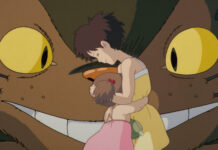
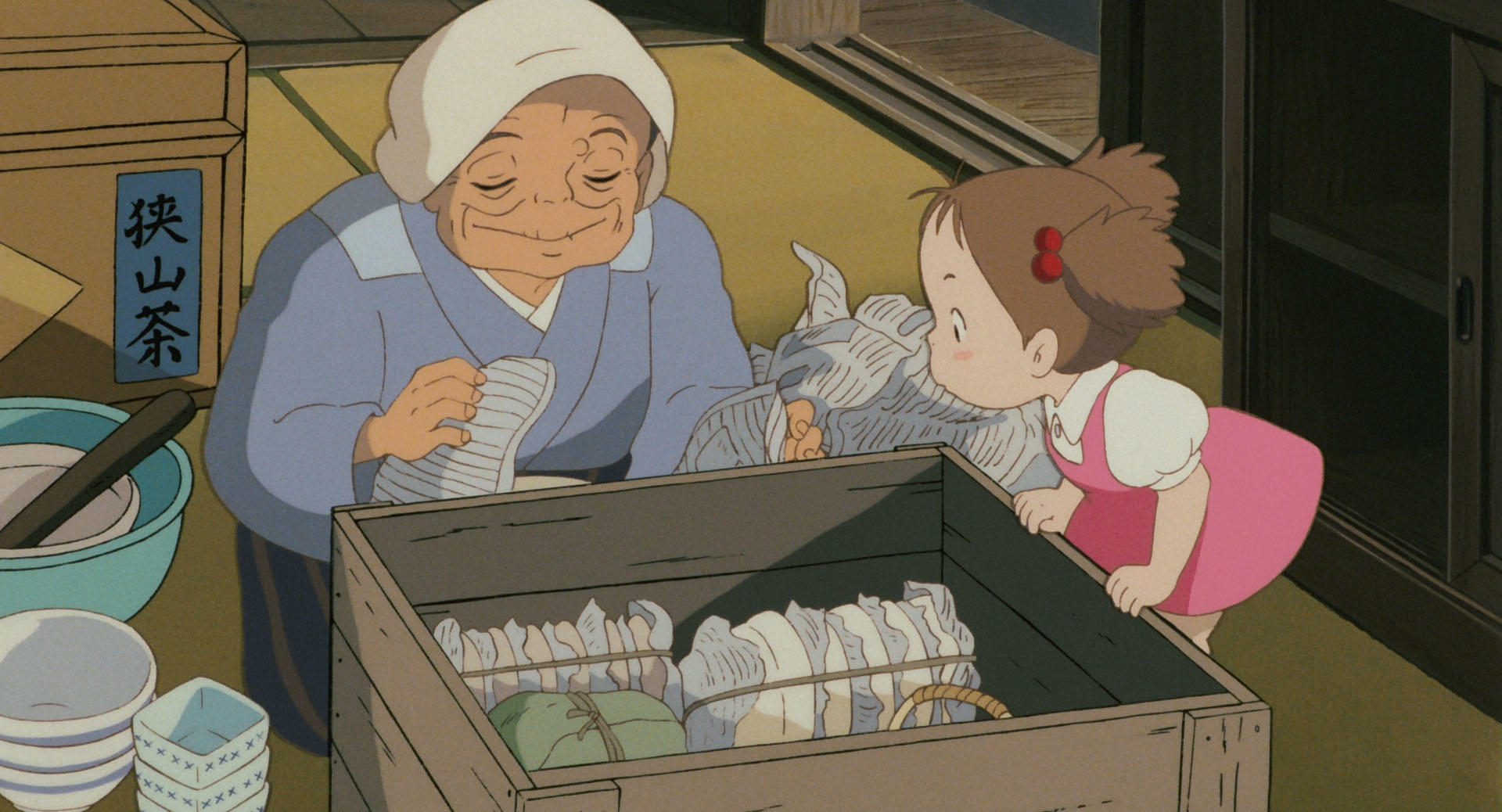
My Neighbor Totoro is Ghibli’s softest nature classic. Instead of building conflict around the environment, it shows what happens when children are allowed to notice it. Dust sprites, acorns, huge trees, rain sounds, country roads, and the Catbus all make the natural world feel close and protective.
The film works because it does not over-explain Totoro. He is not turned into a mascot with a rulebook. He feels like a forest presence that Mei and Satsuki meet because they are open, anxious, curious, and young enough to accept wonder without demanding proof.
Choose this for families, comfort watching, or a first Ghibli film. It is also one of the best examples of how the studio turns quiet rural details into emotional storytelling.
3. Nausicaä of the Valley of the Wind
Nausicaä of the Valley of the Wind predates the official founding of Studio Ghibli, but it belongs in this conversation because it sets the template for so many later ecological themes. The toxic jungle, giant insects, and damaged human kingdoms create a world where survival depends on humility and observation.
Nausicaä is not heroic because she can fight, although she can. She is heroic because she pays attention. She studies spores, understands creatures others fear, and keeps looking for the truth beneath panic. That makes the film especially strong for viewers interested in environmental science, empathy, and the cost of treating nature as an enemy.
4. Ponyo
Ponyo is a different kind of nature movie. It is not as philosophical as Princess Mononoke and not as calm as Totoro. It feels like the ocean has become a child: impulsive, joyful, hungry, messy, and impossible to control.
The sea imagery is the main reason to watch it. Waves run like living creatures, fish crowd the screen, and the boundary between home and ocean starts to dissolve. For younger viewers, this is often the most accessible nature-focused Ghibli film after Totoro.
5. The Secret World of Arrietty
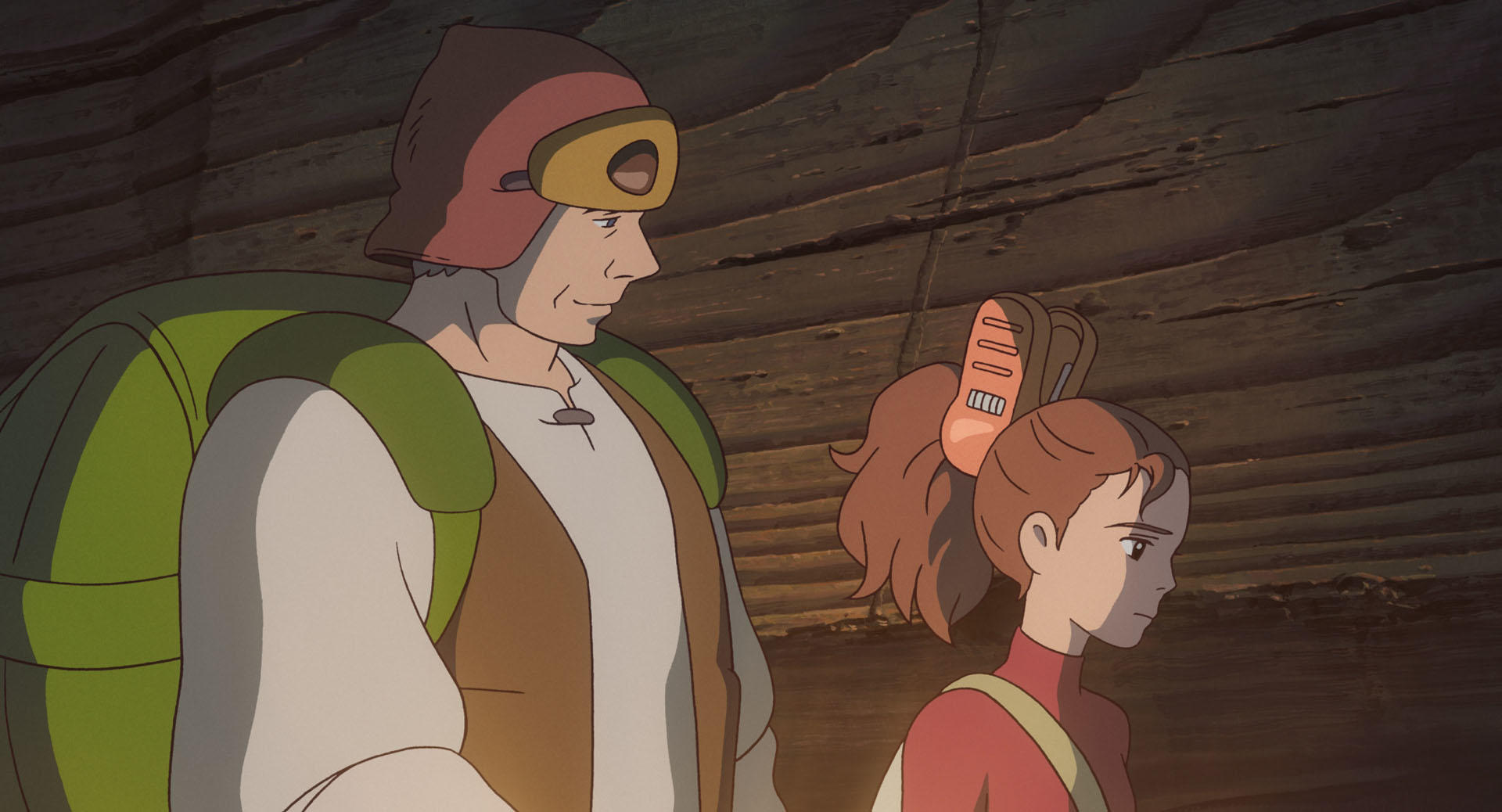
The Secret World of Arrietty shrinks the viewer down until leaves, sugar cubes, water drops, insects, and floorboards become enormous. That change in scale is its environmental trick. The garden is not just a garden anymore. It becomes a landscape of risk, shelter, travel, and survival.
The film is less about saving nature in a grand sense and more about living with care. Arrietty’s family survives by borrowing, hiding, repairing, and respecting limits. That makes it a strong companion to the bigger ecological films because it brings the theme down to household scale.
6. Only Yesterday
Only Yesterday is easy to overlook if you are looking for spirits and fantasy, but it may be one of Ghibli’s most grounded nature films. Its countryside scenes are tied to memory, food, work, family expectations, and the question of what kind of adult life feels honest.
This is the best choice for viewers who want something slower and more reflective. The nature here is not magical in the obvious sense. It is meaningful because it gives the main character space to compare the life she is living with the life she might choose.
Why nature feels different in Studio Ghibli
Ghibli landscapes usually have agency. Wind is not just weather. Food is not just decoration. Forests are not just green space. Even when a film has no explicit environmental message, the world feels built from relationships between people, animals, objects, places, and memory.
That is why these films rarely feel like simple “save the planet” stories. They are more interested in attention. Who notices the stream, the tree, the insect, the field, the storm, or the spirit? Who treats those things as disposable? Who learns to live with limits?
Best pick by viewer mood
- Most intense: Princess Mononoke.
- Most comforting: My Neighbor Totoro.
- Best ecological adventure: Nausicaä of the Valley of the Wind.
- Best for young children: Ponyo or Totoro.
- Best quiet adult pick: Only Yesterday.
- Best small-world detail: The Secret World of Arrietty.
FAQ
What is the most environmental Studio Ghibli movie?
Princess Mononoke is the strongest official Studio Ghibli answer. Nausicaä of the Valley of the Wind is also essential, even though it was released before Studio Ghibli was formally founded.
Which nature-themed Ghibli movie should beginners watch first?
Start with My Neighbor Totoro for a gentle entry point, then move to Princess Mononoke when you want a more complex and mature story.
Are these films suitable for children?
Totoro, Ponyo, and often Arrietty are the easiest family choices. Princess Mononoke is violent and intense, so it is better for older viewers. Nausicaä also has danger and heavier themes.
Where should I go next?
If you are building a first watchlist, read the Studio Ghibli movies in order guide. For a softer route, try the site’s cozy and comfort watch guides, then branch into character pages for Totoro, San, Chihiro, Howl, and No-Face.
Image source note: official Studio Ghibli still via ghibli.jp, used within the published common-sense image guidance.