The best Studio Ghibli movies for parents are the ones that match your child’s mood, patience, and sensitivity, not just the ones with the cutest posters. For most families, My Neighbor Totoro, Ponyo, and Kiki’s Delivery Service are the safest starting points. Save heavier films like Princess Mononoke, Grave of the Fireflies, and some of The Wind Rises for older viewers or solo adult watches.
This guide is spoiler-light and practical. It is written for parents who want a warm movie night without accidentally choosing something too intense, too sad, or too strange for the room.
Quick parent-friendly watch order
| Situation | Best first choice | Why it works |
|---|---|---|
| Young kids or nervous viewers | My Neighbor Totoro | Gentle pacing, low threat, comforting fantasy |
| Bright family energy | Ponyo | Colourful, funny, simple emotional stakes |
| Kids ready for independence stories | Kiki’s Delivery Service | Relatable confidence, work, friendship, and burnout themes |
| Older children who like mystery | Spirited Away | Magical, strange, but ultimately empowering |
| Teens and adults | Princess Mononoke | Brilliant, but violent and morally complicated |
Start with comfort, not chronology
Parents often ask whether Studio Ghibli should be watched in release order. For family viewing, release order is less useful than emotional order. A child who loves gentle animal stories may click with Totoro instantly, while a child who enjoys big transformations and noisy comedy may prefer Ponyo. Starting with the right feeling matters more than starting with the historically important title.
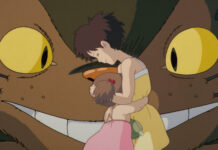
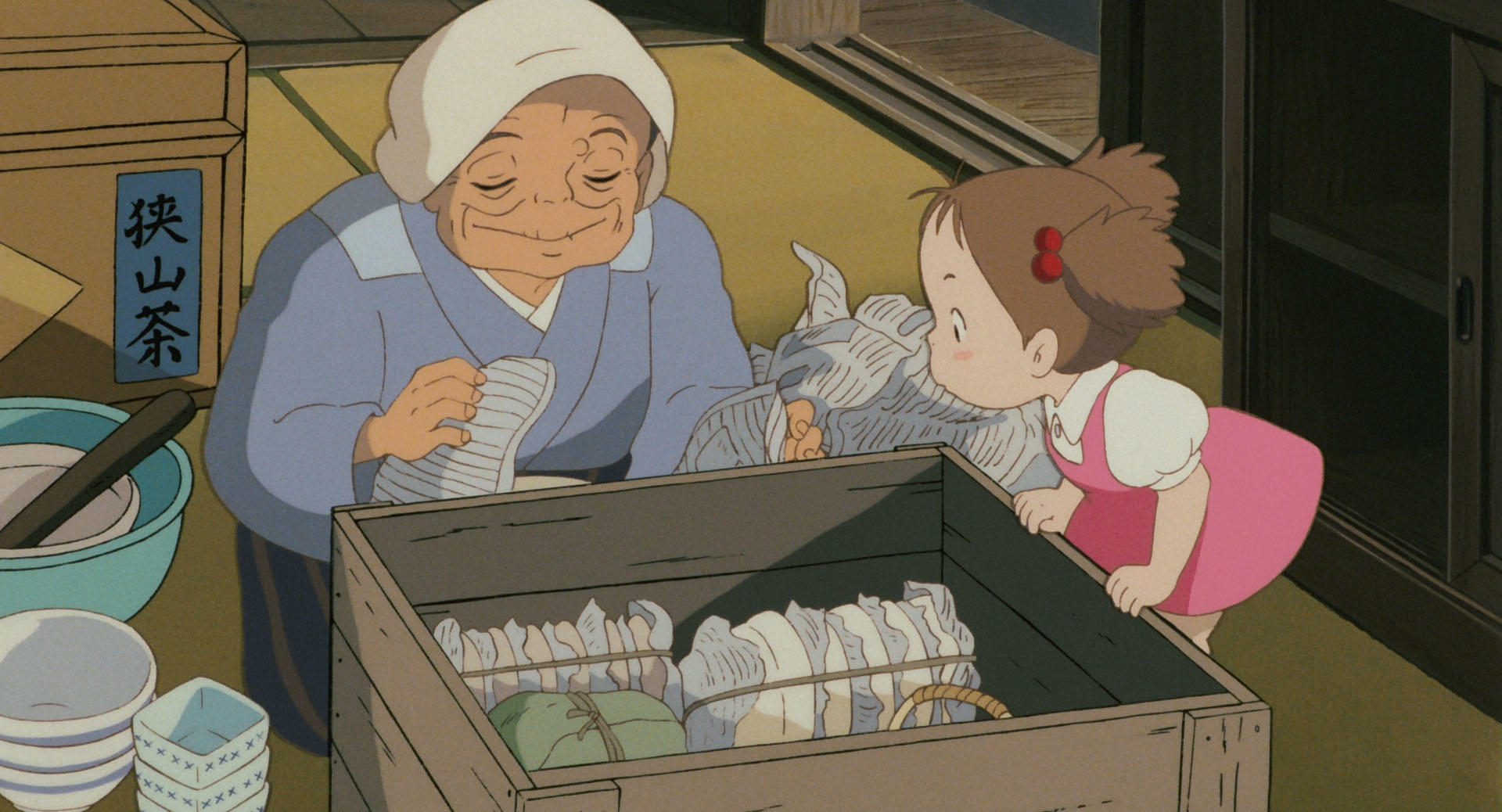
My Neighbor Totoro is the easiest first pick because its magic feels protective rather than threatening. There are moments of worry around family illness and separation, but the film leaves space for calm, curiosity, and reassurance. It is ideal when you want the movie to feel like a bedtime story rather than an adventure challenge.
Use Ponyo when the room needs energy
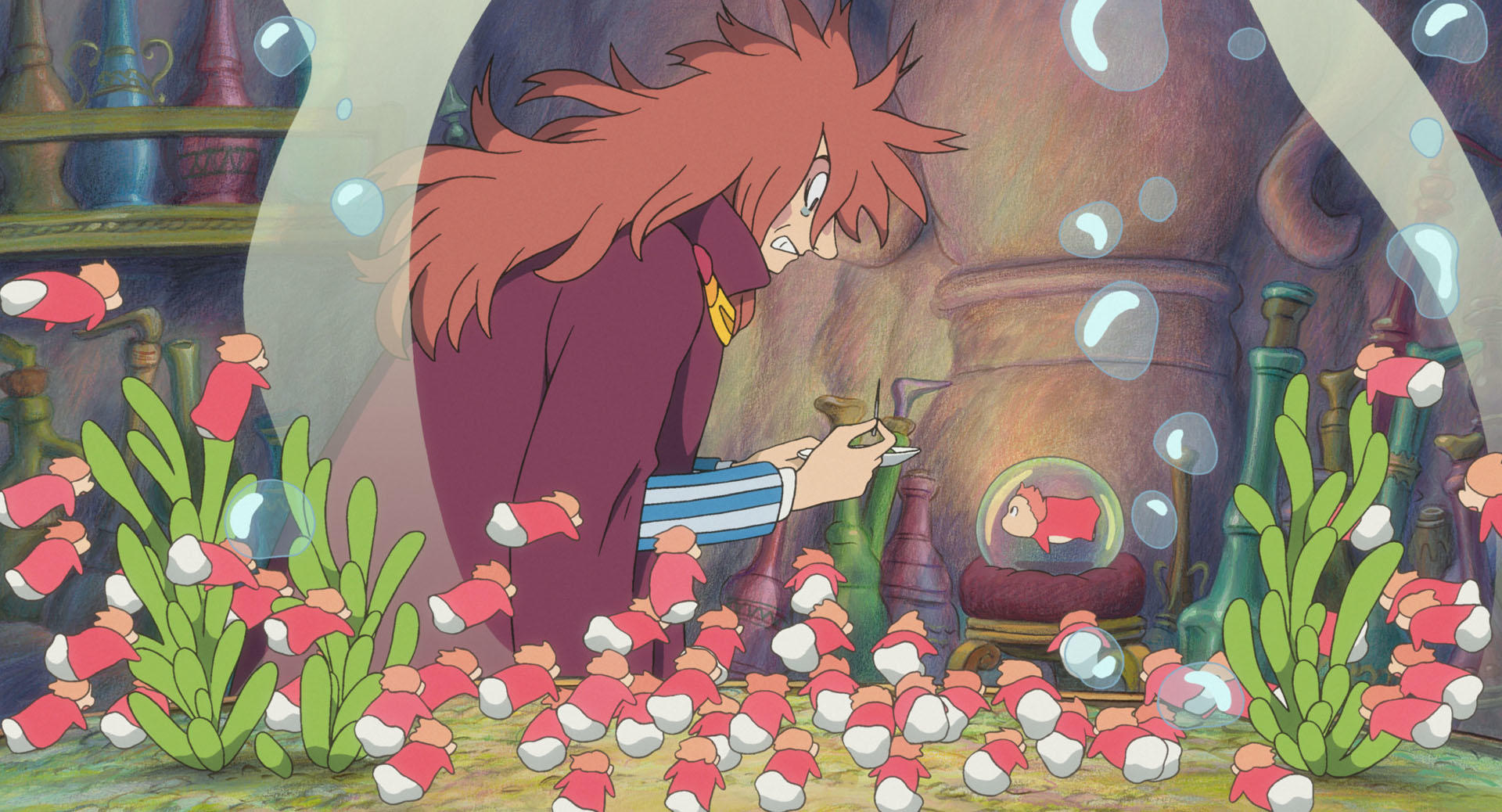
Ponyo is a strong parent pick when you need something cheerful, fast-moving, and easy to read emotionally. The story has storms, magic, and a few moments of danger, but its overall shape is simple: a child loves, protects, and accepts a magical friend. Younger viewers can follow the feeling even if they do not understand every rule of the sea.
It also gives parents useful conversation hooks: keeping promises, noticing when adults are stressed, being brave without pretending not to be scared, and respecting nature. Those ideas are present without turning the film into a lesson.
Choose Kiki for confidence and growing up
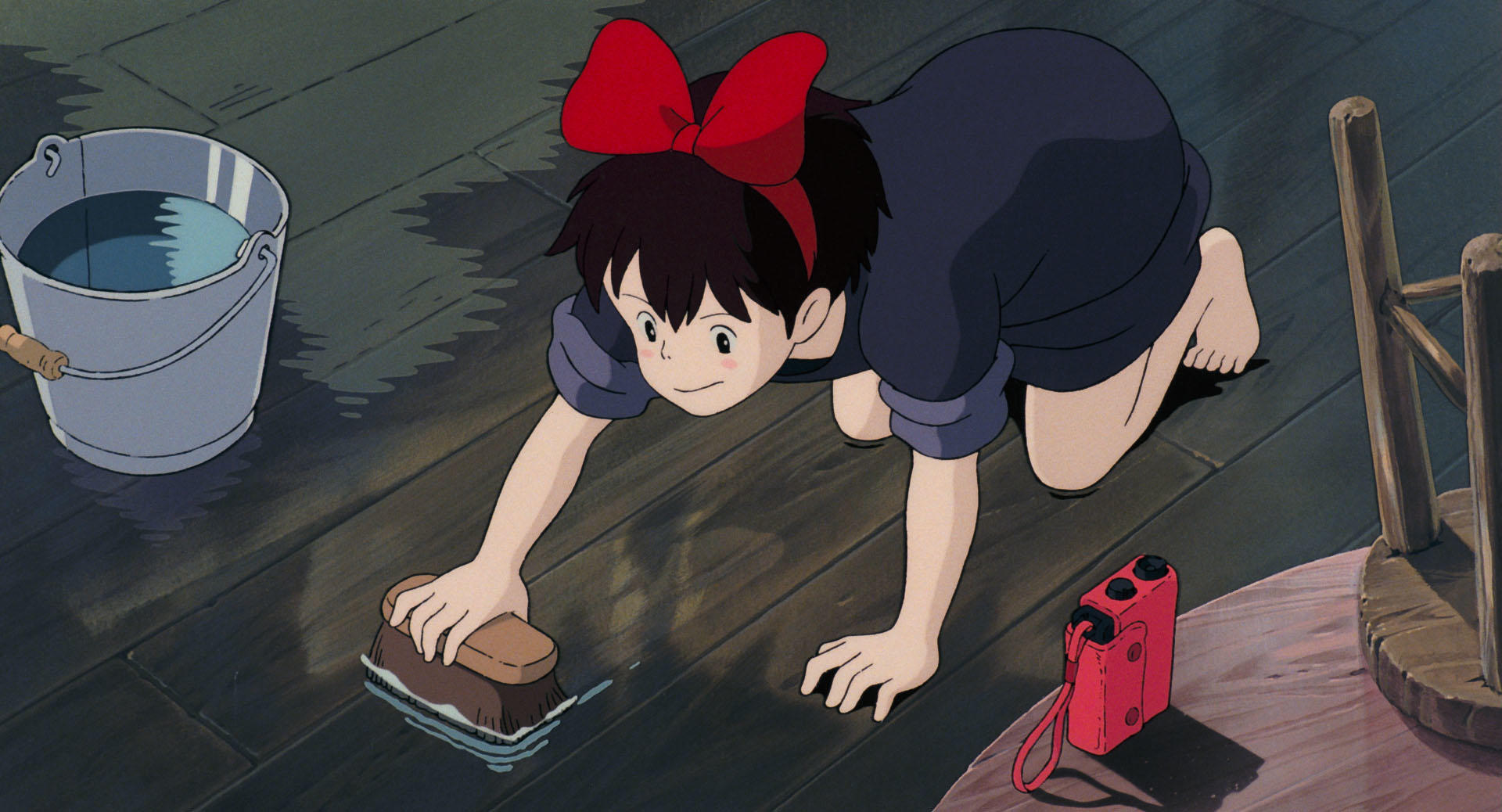
Kiki’s Delivery Service is especially good for older children, tweens, and teenagers who are starting to care about independence. Kiki is not fighting a villain. She is learning how to work, how to ask for help, how to recover when confidence disappears, and how to stay herself in a new place. That makes the film quietly useful for family conversations about school, friendship, hobbies, and pressure.
If your child is sensitive to sadness, Kiki is usually easier than the heavier Ghibli films because its low points are emotional rather than frightening. The stakes feel real, but the world remains kind.
When to introduce Spirited Away
Spirited Away is one of the best Studio Ghibli films, but it is not always the best first family choice. It opens with anxiety, transformation, separation from parents, and a strange bathhouse full of spirits. Many children love it, but some may find the early scenes intense.
A good test is whether your child enjoys weird fantasy and can handle a story where the rules are not explained immediately. If yes, Spirited Away can be empowering because Chihiro grows through attention, kindness, work, and courage. If not, start with Totoro, Ponyo, or Kiki and come back later.
Films to save for older viewers
Princess Mononoke is a masterpiece, but parents should not treat it like a standard animated family movie. It includes violence, blood, frightening creatures, and complicated politics around nature, industry, survival, and revenge. It is better for teens and adults who can handle ambiguity.
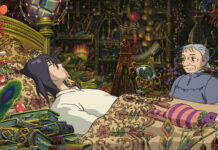
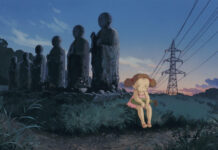
The Wind Rises is also better for older viewers because its pleasures are reflective: art, ambition, illness, compromise, and history. It is not scary in the same way as Mononoke, but it asks for more patience and emotional maturity. Grave of the Fireflies, while connected to the broader Ghibli conversation, is devastating and should be treated as a serious war drama, not a casual family-night pick.
How to decide on the night
Ask three quick questions before pressing play. Does the child want calm or adventure? Are they okay with brief fear or sadness? Do you want a film that starts conversation afterward, or one that simply helps everyone unwind?
If the answer is calm, choose Totoro. If the answer is bright adventure, choose Ponyo. If the answer is confidence and growing up, choose Kiki. If the answer is weird magic and courage, choose Spirited Away. If the answer is moral complexity, choose Princess Mononoke with older viewers.
Related guides
- Studio Ghibli movies in order
- Best Studio Ghibli movies for kids
- Where to watch Studio Ghibli movies legally
- Spirited Away beginner guide
FAQ
What is the safest first Studio Ghibli movie for a child?
My Neighbor Totoro is usually the safest first pick because it is gentle, short on conflict, and built around comfort, imagination, and family care.
Is Studio Ghibli always suitable for kids?
No. Some Ghibli films are very child-friendly, while others include violence, grief, war, illness, or adult historical themes. Choose by film, not by studio name alone.
Should parents watch the movie first?
For sensitive children, yes. If you are unsure, preview Spirited Away, Princess Mononoke, The Wind Rises, and any war-related film before making it a family watch.
Image source: official Studio Ghibli stills from ghibli.jp. Studio Ghibli notes that images may be used within common-sense bounds.