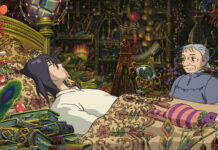
If you want Studio Ghibli movies about family, start with the films that treat home as something complicated, not just cosy. My Neighbor Totoro is the easiest first pick for young children, Spirited Away is the strongest coming-of-age choice, When Marnie Was There is the most emotionally direct film about loneliness and belonging, and Kiki’s Delivery Service is the best gentle watch for anyone leaving home for the first time.
Quick picks
| Family mood | Best Ghibli pick | Why it works |
|---|---|---|
| Comfort and childhood | My Neighbor Totoro | Two sisters, an absent mother, and a house full of wonder. |
| Growing up brave | Spirited Away | Chihiro learns courage after being separated from her parents. |
| Found family | Kiki’s Delivery Service | Kiki builds a support network after moving away alone. |
| Complicated belonging | When Marnie Was There | A quiet mystery about memory, grief, and emotional inheritance. |
| Parent-child warmth | Ponyo | A bright story about trust, mothers, fathers, and a chaotic little fish-girl. |
1. My Neighbor Totoro
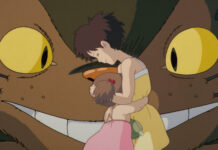
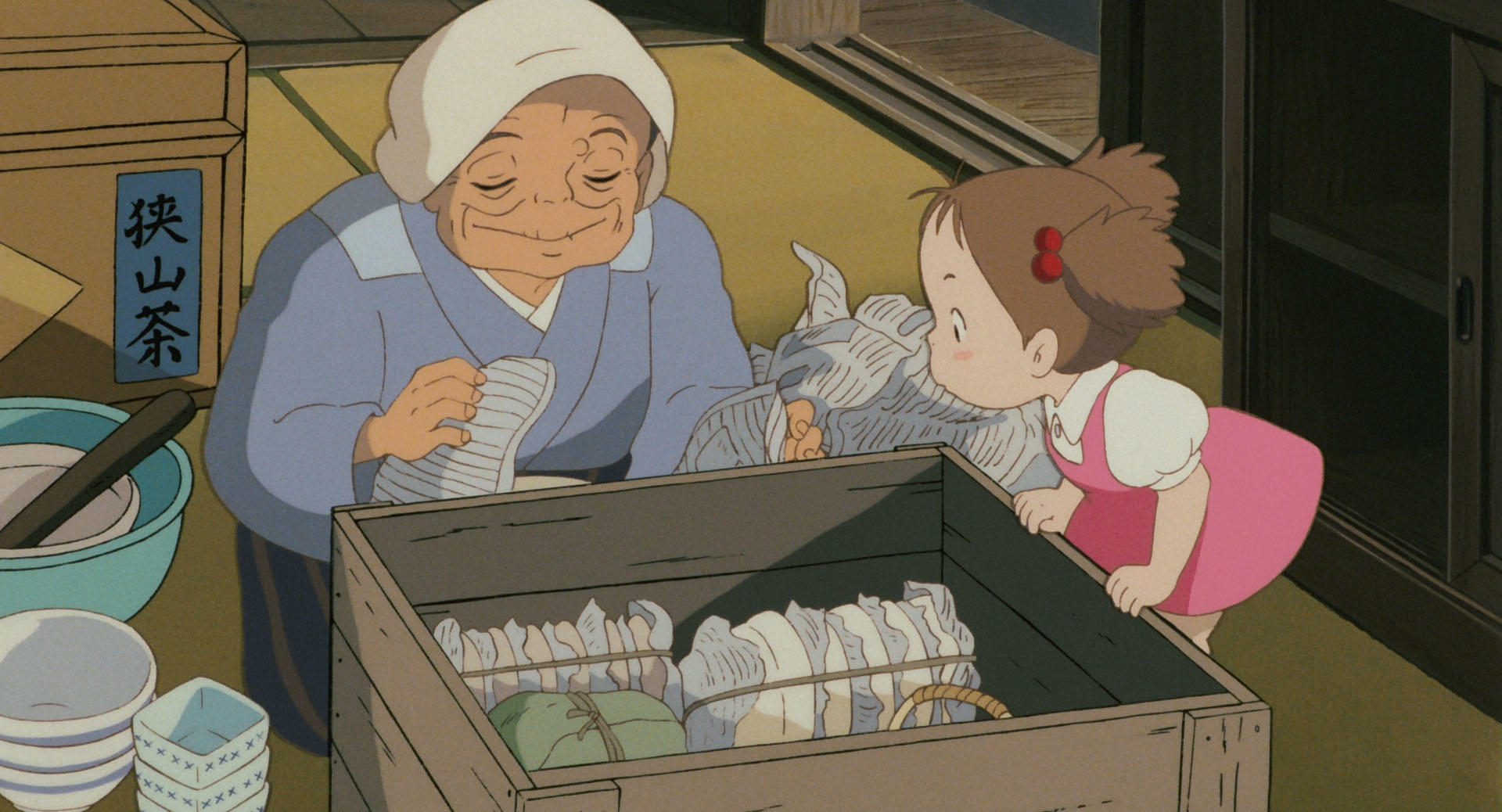
My Neighbor Totoro is the safest recommendation when someone asks for a family-friendly Ghibli film, but it is not shallow. The story follows Satsuki and Mei after they move to the countryside with their father while their mother is ill in hospital. That emotional setup gives the movie its tenderness. The girls are not just having a magical summer. They are living with uncertainty, noticing adult worry, and using imagination as a way to keep fear from swallowing the day.
For families, the film works because it respects children’s feelings without forcing a big speech. Totoro, the soot sprites, and the Catbus make the world feel alive, but the real heart is the bond between the sisters. It is ideal for younger viewers, first-time Ghibli watchers, and anyone who wants a film that feels peaceful without pretending life is perfect.
2. Spirited Away
Spirited Away begins with a family problem: Chihiro’s parents make a careless choice, and she has to survive the consequences. That makes it one of Ghibli’s strongest films about growing up. Chihiro does not become brave because an adult gives her permission. She becomes brave because she has to remember who she is, protect the people she loves, and work inside a world that keeps trying to rename and consume her.
It is slightly darker and stranger than Totoro, so it suits older children, teens, and adults better. As a family movie, its value is the conversation it opens afterwards: identity, greed, courage, manners, work, and what it means to help someone without losing yourself.
3. Kiki’s Delivery Service
Kiki’s Delivery Service is one of the best Ghibli films about leaving home. Kiki’s parents love her, but the story does not keep her safe inside that love. She has to move to a new city, find work, make mistakes, and discover that independence can feel lonely even when it is chosen. That makes the film especially useful for older children, students, and adults in a transition season.
The family angle here is found family. Osono gives Kiki shelter, Ursula gives her creative perspective, and Tombo becomes a friend who challenges her confidence. The film’s message is not “you never need anyone.” It is closer to “leaving home works when you learn how to accept help without giving up your independence.”
4. When Marnie Was There
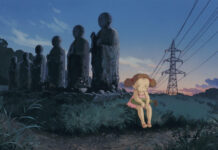
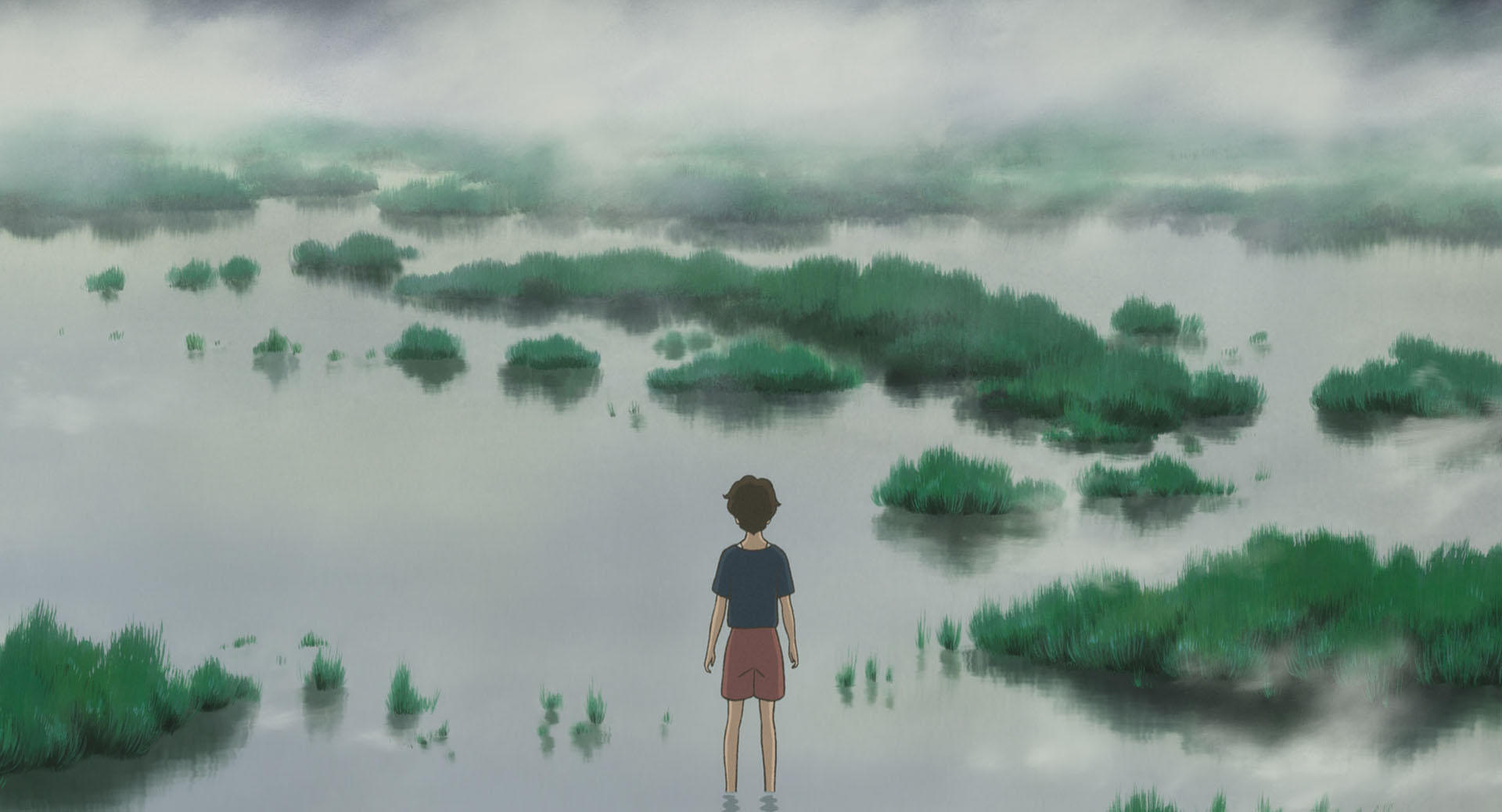
When Marnie Was There is the quietest film on this list, but it may be the most direct Ghibli story about emotional belonging. Anna feels unwanted, disconnected, and difficult to love. Her time near the marsh house slowly turns that pain into a mystery about memory, family, and the ways love can be hidden by time, illness, and silence.
This is not the best first Ghibli movie for very young children. It is slower, moodier, and more interior. For teens and adults, though, it is powerful because it treats loneliness seriously. The ending reframes Anna’s story without cheaply erasing her hurt. If Pete wants the site to capture the emotional side of Ghibli, this is one of the titles that deserves steady internal linking.
5. Ponyo
Ponyo is bright, funny, and chaotic, but its family thread is stronger than it first appears. Sosuke’s relationship with Lisa is warm and practical. Lisa is loving without being soft-focus perfect. She drives too fast, worries, feeds people, keeps going, and trusts Sosuke with more emotional responsibility than many children’s films would allow.
Ponyo herself is a child of two worlds, pulled between a protective father and the human life she wants. That makes the film a playful family fantasy about trust, release, and letting children become themselves. It is a good pick after Totoro for families who want something energetic rather than sleepy.
How to choose the right one tonight
Choose Totoro if the room needs comfort. Choose Spirited Away if everyone is ready for a bigger adventure. Choose Kiki if someone is dealing with independence, confidence, or burnout. Choose Marnie if the viewer wants something reflective and emotional. Choose Ponyo if younger kids need colour, movement, and warmth.
For more next-step viewing, use the site’s Studio Ghibli movies in order guide, the beginner mood guide, and the parent-friendly kids guide.
FAQ
What is the best Studio Ghibli family movie for young children?
My Neighbor Totoro is usually the best first choice. It has gentle pacing, memorable creatures, and emotional stakes that children can understand without being overwhelmed.
Which Ghibli movie is best about found family?
Kiki’s Delivery Service is the cleanest found-family pick because Kiki builds a support network in a new city. Spirited Away also has a strong temporary-found-family feeling through Haku, Lin, Kamaji, and Zeniba.
Which family-themed Ghibli movie is most emotional?
When Marnie Was There is the most openly emotional choice, especially for viewers interested in loneliness, memory, adoption, grief, and belonging.
Image note: official Studio Ghibli stills are used for commentary and fan-guide context under Studio Ghibli’s published common-sense use notice. Source: ghibli.jp/works.