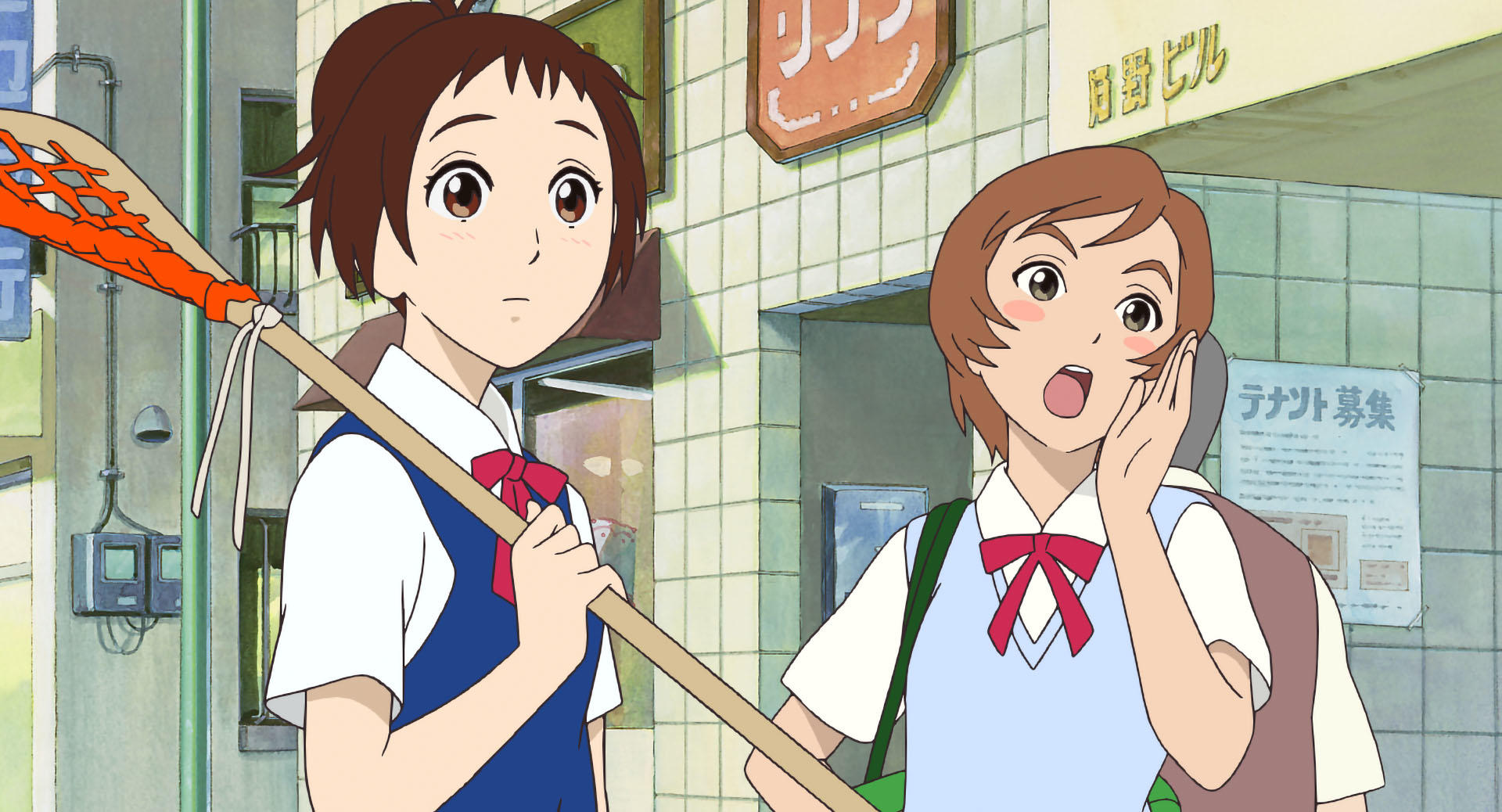
Quick answer: The Cat Returns is one of Studio Ghibli’s lighter family adventures. It has no graphic violence, but younger or sensitive children may be unsettled when Haru is carried into the Cat Kingdom, pressured into marrying the Cat Prince and chased through a collapsing tower. For most families, it is a comfortable choice from about age 7, while confident younger viewers may enjoy it with an adult nearby.
The film runs for roughly 75 minutes and moves quickly, so it is easier for many children to follow than Ghibli’s denser fantasies. Its threats are exaggerated rather than realistic, and comedy repeatedly breaks the tension. The main issue for parents is not gore or horror. It is the story’s loss-of-control feeling: Haru is taken somewhere strange, transformed against her wishes and told that other people have decided her future.
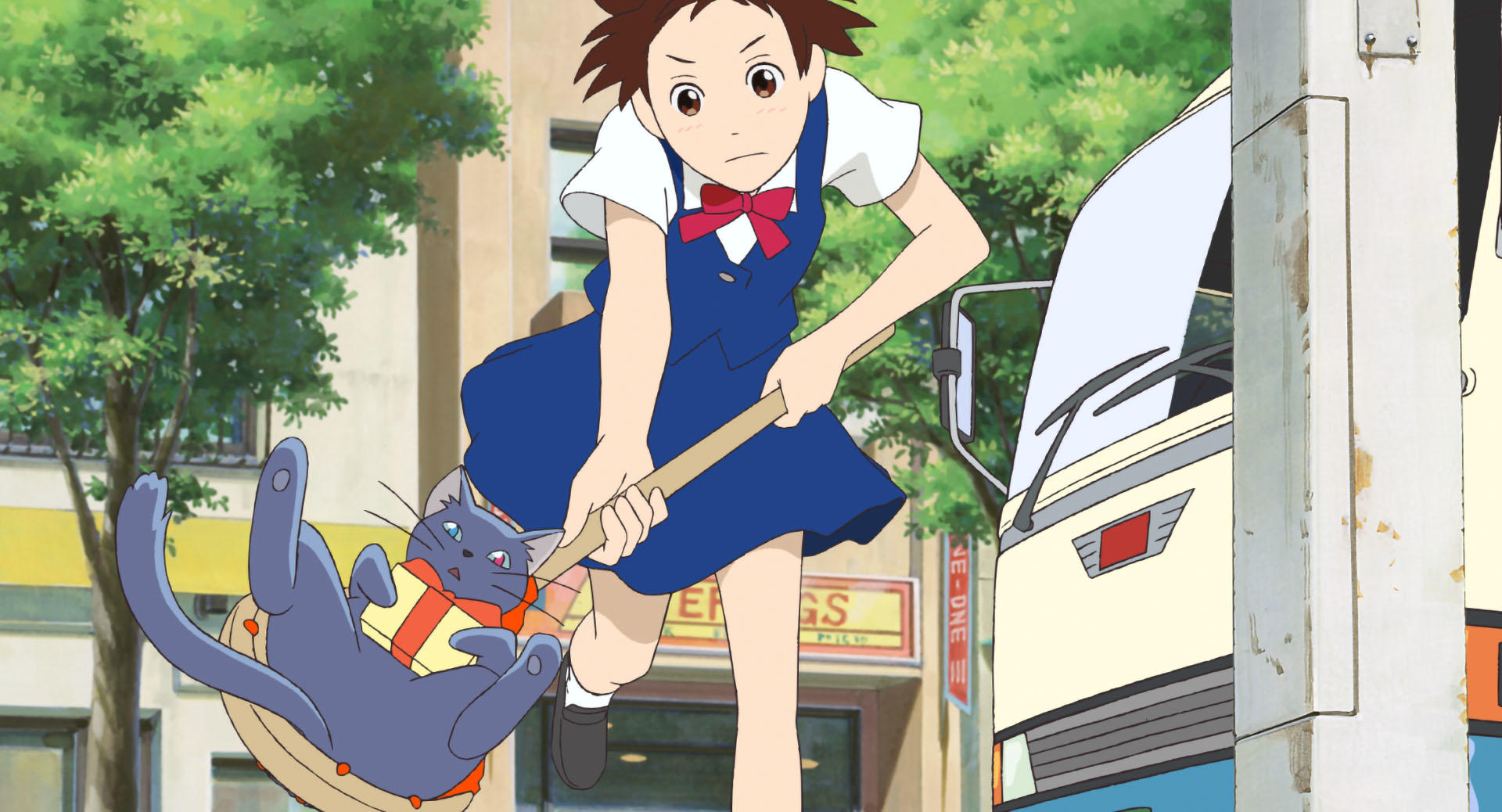
The Cat Returns age guide at a glance
- Best general starting point: around age 7 and up.
- Possible for younger children: around 5 or 6 with an adult, especially if they already enjoy talking-animal adventures.
- Main concerns: magical abduction, forced transformation, pressure to marry, chases, high places and a villainous but comic Cat King.
- Violence level: mild fantasy peril with swordplay, falls and slapstick; no graphic injury.
- Emotional intensity: moderate in short bursts, with a reassuring and upbeat ending.
Age ratings differ between countries and streaming services, so check the rating shown in your region. A certificate is useful, but it cannot tell you whether your child dislikes transformation, kidnapping stories or characters being trapped. The scene guide below is the better test for a sensitive viewer.
How scary is The Cat Returns?
The Cat Returns is more exciting than frightening. The Cat Kingdom is colourful and absurd, and even the antagonists are designed as comic characters rather than nightmare villains. The Cat King is controlling and unpredictable, but he is also foolish. His plans create genuine danger without making the film feel cruel.
The most uncomfortable stretch begins after Haru is taken to the kingdom. She is surrounded by strangers, dressed for a wedding she does not want and gradually develops cat features. Children who are frightened by bodily transformation or by adults refusing to listen may find this more disturbing than the later action scenes.
Is Haru kidnapped?
Yes, in practical terms. The cats arrive to collect Haru after she saves Prince Lune, and they ignore her attempts to refuse their reward. She is swept into the Cat Kingdom and expected to marry the prince. The film presents the journey as a magical adventure, but Haru has not freely agreed to it.
That lack of choice is central to the story. Haru must learn to state what she wants instead of drifting along with decisions made by other people. Parents can reassure younger viewers that Baron, Muta and Toto are actively trying to find and protect her.
Does Haru turn into a cat?
Haru begins growing cat ears, paws, whiskers and a tail as she stays in the Cat Kingdom. The change is not painful or graphic, but she is alarmed because it threatens her human identity. The transformation is reversed as she becomes more confident and escapes.
Some children love transformation stories, while others find them deeply unsettling. If your child dislikes scenes where a person cannot control what is happening to their body, explain beforehand that Haru remains herself and returns safely to human form.
Violence, fighting and dangerous scenes
The action is mild and stylised. Baron uses a small sword and fights palace guards, but the choreography feels like a storybook duel. Characters are knocked aside or embarrassed rather than bloodied. Toto and a flock of crows help during the escape, and there are aerial moments that may briefly worry children who are afraid of falling.
The finale takes place in a tower and maze. Walls are destroyed, the structure collapses, and Haru falls from a great height before help arrives. The sequence is energetic and suspenseful, but the film makes the rescue clear and does not dwell on injury.
Does anyone die?
No major character dies. Muta appears to have been dropped into a large bowl of jelly and eaten, but this is a comic fake-out and he soon returns. The gag may surprise a very young viewer for a moment. The cats and crows involved in the final action also survive the fantasy peril.
The Cat King and the forced marriage plot
The Cat King decides that Haru should marry his son without asking either of them. He arranges a banquet, controls the palace and reacts badly when his plans fail. The story treats him as the villain, not as a model of romantic behaviour. Prince Lune is respectful and makes clear that he already loves Yuki.
This can open a simple conversation about consent and boundaries: helping someone does not mean they get to control your future, and a reward is not generous if the recipient does not want it. Haru’s growth comes from finding her voice and rejecting a life chosen for her.
Language, romance and other parent concerns
There is no sexual content. The proposed wedding is a plot threat rather than a romance, and Haru’s admiration for Baron is gentle and brief. Depending on the English version, families may encounter a small amount of mild insulting language or comic rudeness, largely from Muta and the Cat King. There is no realistic drug use or graphic material.
Food is used for comedy, including Muta eating an enormous amount at the banquet. The tone remains playful. Children who are comfortable with ordinary animated peril are unlikely to find anything severe here.
Positive themes for children
The clearest lesson is that confidence grows through making choices. Haru begins the story feeling passive and uncertain. In the Cat Kingdom, that habit becomes dangerous because everyone else is eager to define her. She escapes by remembering who she is, speaking clearly and acting decisively.
The film also rewards kindness without suggesting that kindness creates a debt. Haru saves a cat because it is the right thing to do. The Cat King’s attempt to turn that act into an unwanted marriage is shown as ridiculous and wrong. Baron, Muta and Toto offer a healthier version of help: they support Haru while expecting her to participate in her own rescue.
Will children understand the connection to Whisper of the Heart?
Yes, because no prior viewing is required. Baron and Muta have connections to Whisper of the Heart, but The Cat Returns tells a complete standalone story. Children can enjoy it as a fast fantasy about a human girl entering a kingdom of cats.
Watching Whisper of the Heart first adds context for older viewers who recognise Baron, but its realistic coming-of-age story has a very different tone. For more background on the characters and story, use the complete The Cat Returns guide.
Who should watch with an adult?
Consider watching together if your child is under seven, sensitive to kidnapping or forced transformation, nervous about heights, or upset when adults ignore a child’s wishes. The tense scenes are short, so a calm reminder that Haru escapes and becomes human again may be enough.
For a first viewing, do not switch it off at Muta’s apparent disappearance unless your child is genuinely distressed. The joke resolves quickly. During the tower sequence, remind younger viewers that Baron and the crows are close by and the film’s tone has consistently promised a safe adventure.
Is The Cat Returns a good first Studio Ghibli movie?
It can be an excellent first Ghibli film for children who like cats, comedy and clear adventures. Its short runtime, simple goal and upbeat pace make it less demanding than films with war, grief or complicated mythology. It is also a useful bridge between gentle films such as My Neighbor Totoro and more intense adventures such as Spirited Away.
If you need more choices by age and sensitivity, compare it with the Studio Ghibli movies for kids guide. Cat fans can also continue with the site’s guide to Studio Ghibli cats.
Parent verdict
The Cat Returns is a light, funny family film with a few meaningful bursts of peril. The wedding pressure and cat transformation may need context for younger children, but the film clearly supports Haru’s right to choose and finishes with her safe, human and more confident. Around age 7 is a sensible general recommendation, with younger confident viewers likely to be comfortable when accompanied.
FAQ
Is The Cat Returns too scary for a five-year-old?
Some five-year-olds will enjoy it, but sensitive children may dislike Haru being taken away, turning into a cat and falling from a tower. Watching together is sensible.
Does The Cat Returns have a sad ending?
No. Haru returns safely to the human world, regains her human form and feels more confident about her life.
Is there blood or graphic violence?
No. The film contains comic swordplay, chases, falls and a collapsing tower, but no graphic wounds or gore.
Do you need to watch Whisper of the Heart first?
No. The connection adds interest for fans, but The Cat Returns works as a complete standalone story.
Image credit: Official stills from The Cat Returns page on ghibli.jp, used under Studio Ghibli’s common-sense image-use notice. This article is an independent fan guide and is not affiliated with Studio Ghibli.