Quick answer: at the end of Tales from Earthsea, Arren accepts that life includes death and regains the will to act as his whole self. He draws his sword, helps free Therru and rejects Cob’s promise of escape through immortality. Cob’s unnatural youth collapses, and when he threatens Therru she reveals her dragon nature and destroys him. Arren then chooses to return home and answer for killing his father rather than continue running from what he did.
The ending joins several ideas that the film has kept deliberately mysterious: Arren’s shadow, his sealed sword, Therru’s true identity, Cob’s fear of death and the dragons appearing in the human world. They are all connected by the broken balance between life and death. The conclusion does not erase Arren’s crime or give him an easy happy ending. It gives him the courage to face consequence, which is a more demanding form of hope.
What happens in the final battle?
Arren enters Cob’s stronghold to rescue Therru and Tenar. Cob tries to keep control by exploiting Arren’s fear, but Arren finally understands that fear of dying is also evidence that life matters. He stops treating death as something that makes every choice pointless and begins to act from responsibility rather than panic.
That change allows him to draw the sword he has carried through the story. Arren confronts Cob, whose power depends on violating the boundary between life and death. The confrontation damages Cob’s spell of youth and exposes the aged, decaying body beneath it. Cob still refuses mortality, clinging to Therru as one last source of life. Therru then takes dragon form and ends the threat.
Why could Arren not draw his sword earlier?
The sword is not locked by a mechanical trick. Arren cannot use it properly while he is divided against himself and trying to escape the meaning of life, death and his own actions. He carries the weapon, but lacks the inner steadiness to wield it for a just purpose.
When Arren accepts that every life ends, the idea no longer paralyses him. Mortality creates value because time and choices are limited. Drawing the sword therefore marks an ethical change, not simply a power upgrade. He can fight Cob only after refusing the same fantasy that drives Cob: the wish to avoid death at any cost.
What is Arren’s shadow?
Arren’s shadow represents the part of himself that still wants life, truth and connection. For much of the film, Arren behaves as if this self were a separate pursuer. He is frightened, numb and capable of abrupt violence, while the shadow follows as a reminder of the person he has pushed away.
The split helps explain why Arren can seem like two people. His despair is real, but it is not his complete identity. The shadow is not a conventional villain or an evil double. It is closer to the missing half of a person who has tried to sever himself from conscience and hope. Reuniting with it means accepting his whole self, including guilt, fear and the desire to live.
Why did Arren kill his father?
The film does not give Arren a tidy motive that excuses the act. He describes an overpowering darkness and a loss of control in a world where the natural balance has gone wrong. His fear and inner division make him vulnerable to that disorder, but the story never treats the killing as harmless or fully solved by magic.
This is why his decision to return matters. If the murder were only an external curse with no moral consequence, he could simply declare himself cured and stay with his new friends. Instead, he chooses to face his kingdom and what he has done. The ending separates explanation from absolution: understanding his broken state helps him change, but it does not cancel responsibility.
Who is Therru really?
Therru is a girl who survived cruelty and was taken in by Tenar, but the climax reveals that she also possesses a dragon form. Her true name is Tehanu. The film keeps the exact nature of her existence mysterious, presenting her as a bridge between human beings and dragons rather than reducing her to a simple secret creature waiting for a transformation scene.
Her scars and guarded manner show that power has not protected her from suffering. That is important. Therru challenges Arren because she values life after experiencing its cruelty, not because she has been untouched by pain. Her dragon identity expands that moral authority, but it does not replace the human relationship she has formed with Tenar and Arren.
Why does Therru become a dragon?
Therru transforms when Cob, terrified by his rapidly ageing body, seizes her and demands the life he believes she can give him. Cob sees other beings as resources for extending himself. Therru’s dragon form answers that attempt at possession with a force he cannot control.
The moment also reconnects the dragons with the world’s disturbed balance. Dragons have been appearing where they should not, and their presence signals that the division between realms is failing. Therru is different from the confused dragons seen earlier: she acts with purpose. Her transformation protects life against a sorcerer who has tried to abolish its natural limits.
What happens to Cob?
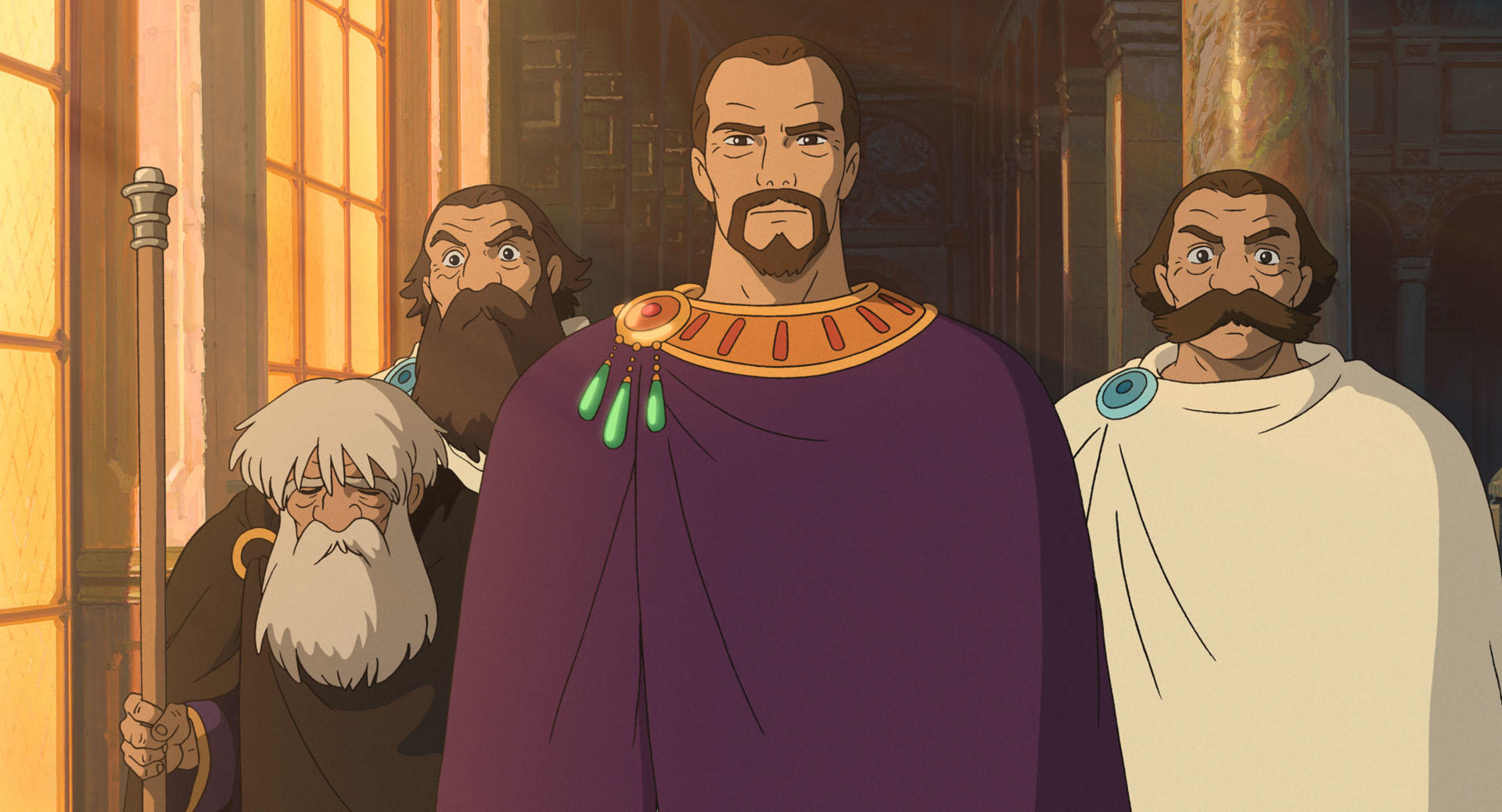
Cob has prolonged a youthful appearance through forbidden magic, but it is a mask sustained by imbalance. Once Arren resists him and the spell begins to fail, Cob’s body races back toward its true age. His horror shows that his pursuit of immortality was never love of life. It was refusal to accept change, loss and death.
Even then, Cob does not reconsider. He grabs Therru and tries to take life from her, repeating the controlling behaviour that defined his rule. Therru’s dragon fire destroys him. The ending is severe because Cob has made coexistence impossible: every person becomes fuel, a servant or a threat to his survival.
Why are the dragons important?
The opening image of dragons fighting and falling into the sea announces that Earthsea’s order is damaged before Arren meets Sparrowhawk. Dragons and humans belong to related but separate parts of existence. When those boundaries break down, the disturbance appears in weather, magic, human behaviour and the movement of dragons.
Cob’s attempt to open the door between life and death expresses that disorder. Therru’s revelation shows that the relationship between humans and dragons is more complex than a simple wall, yet the film still argues for balance rather than conquest.
Why does Cob fear death so much?
Cob treats death as the destruction of all meaning. That belief drives him toward immortality, but it also prevents him from living generously in the present. He cannot love people as independent beings because their value is measured by whether they protect or threaten his continued existence.
Arren shares part of this fear. The difference is that he learns to let mortality give shape to life. Sparrowhawk and Therru do not claim death is pleasant or unimportant. They show that accepting it makes courage, care and accountability possible. Cob’s tragedy is not that he wants to live. It is that he sacrifices every reason for living to avoid ever dying.
Does Arren return home?
Yes. After Cob is defeated, Arren tells Therru that he must return to his own country and face the consequences of his father’s death. He hopes to come back one day, but the film does not guarantee when that will happen or what judgement awaits him.
This unresolved future is essential to the ending. Arren has changed, but recovery is not proved by a speech or a victory in battle. It is proved by the next difficult action: going back. His promise to return to Therru offers hope, while his departure prevents that hope from becoming an escape from responsibility.
Do Arren and Therru end up together?
The film establishes a deep bond between them but does not give them a conventional romantic ending. Therru helps Arren rediscover the value of life, and Arren promises that he will return after confronting his past. Their farewell leaves the relationship open rather than defining a settled future.
That restraint fits the story. Arren is not ready to begin a new life by pretending the old one never happened. Any future relationship must come after honesty and accountability. The ending values their connection without turning Therru into a reward for Arren’s growth.
Cob’s defeat does not instantly repair the wider world. The ending offers a restored direction rather than a complete cure: Arren rejects despair, accepts responsibility and begins the harder work of making amends. For a fuller spoiler-light overview, read the complete Tales from Earthsea guide.
What the ending means
The ending argues that life has meaning because it changes and ends, not despite those facts. Fear of death can make a person protect life, but when fear becomes absolute it can also produce domination, isolation and violence. Cob tries to possess eternity and loses his humanity. Arren accepts limits and recovers his.
Therru completes the idea from another direction. She has endured harm but still insists that life is precious. Her true power appears not as an escape from pain, but as protection against someone who would consume other lives. Together, Arren and Therru turn the finale into a choice between control and participation: trying to own life, or accepting the responsibility of living within it.
The film combines characters and ideas from Ursula K. Le Guin’s Earthsea books rather than adapting one volume directly. For a focused comparison, read Tales from Earthsea: book vs movie. If you are deciding where the film belongs in a first Studio Ghibli journey, use the beginner-friendly watch guide.
FAQ
Is Therru a dragon?
Yes. The climax reveals her dragon form, and her true name is Tehanu. The film presents her as both the scarred girl raised by Tenar and a mysterious being connected to dragons.
What is Arren’s true name?
Arren’s true name is Lebannen. In Earthsea, true names carry identity and power. Sharing or recovering a true name reflects trust and a return to one’s genuine self.
Why does Cob become old?
His youthful body is sustained by forbidden magic and his attempt to overcome death. When his control breaks, the false appearance collapses and his real age catches up with him.
Does Arren die at the end?
No. He survives the confrontation, leaves Cob’s castle and decides to return home to face judgement for killing his father.
Image credit: Official stills from the Tales from Earthsea page on ghibli.jp, used under Studio Ghibli’s common-sense image-use notice. This article is an independent fan guide and is not affiliated with Studio Ghibli.