Quick answer: Jiro Horikoshi is the central figure of The Wind Rises, a dreamer-engineer whose love of beautiful aircraft is inseparable from the moral cost of building machines for a militarised world. The film does not present him as a simple hero or villain. It asks what happens when talent, ambition, national pressure, love and responsibility all pull in different directions.
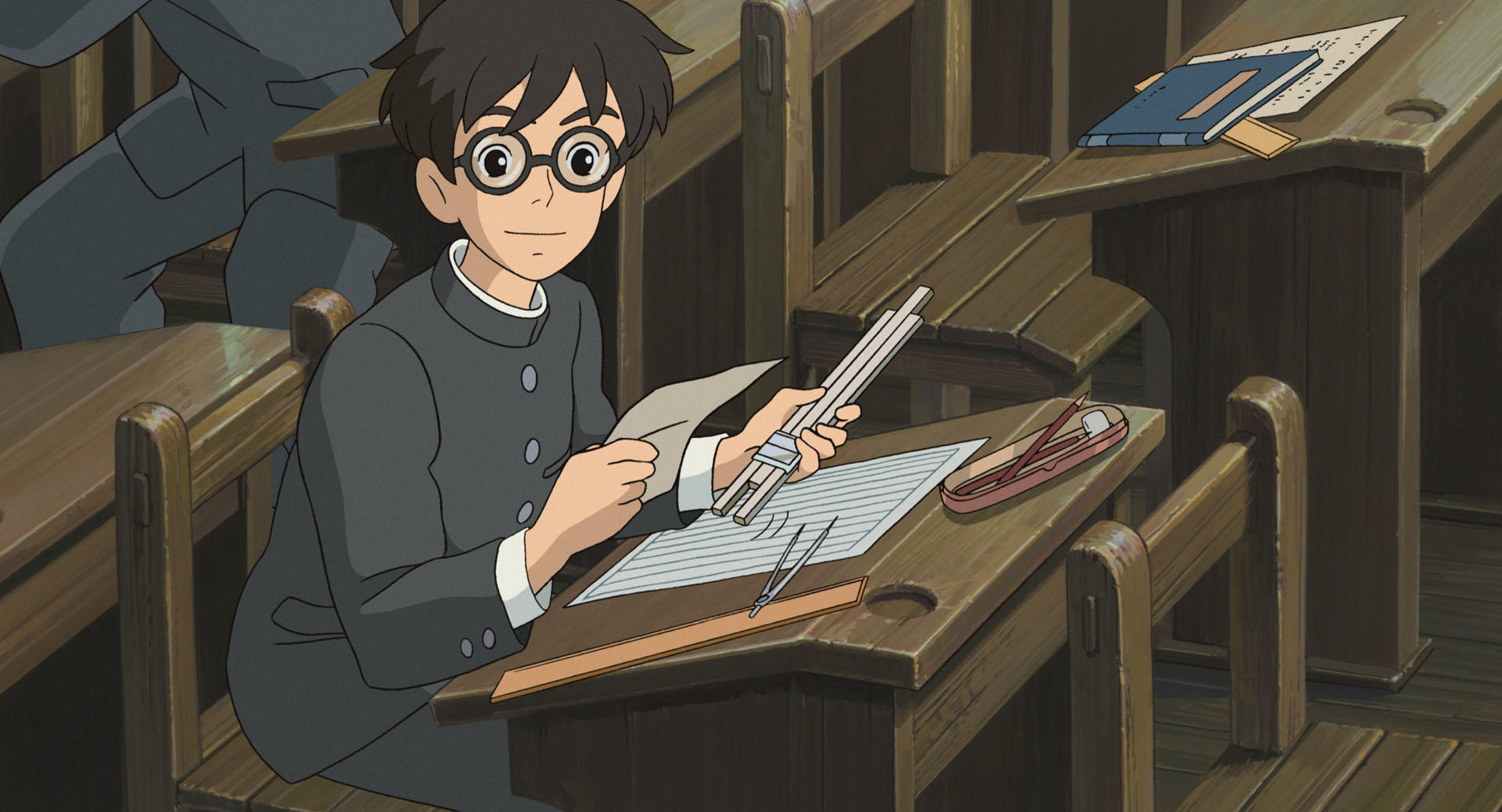
Who is Jiro Horikoshi in The Wind Rises?
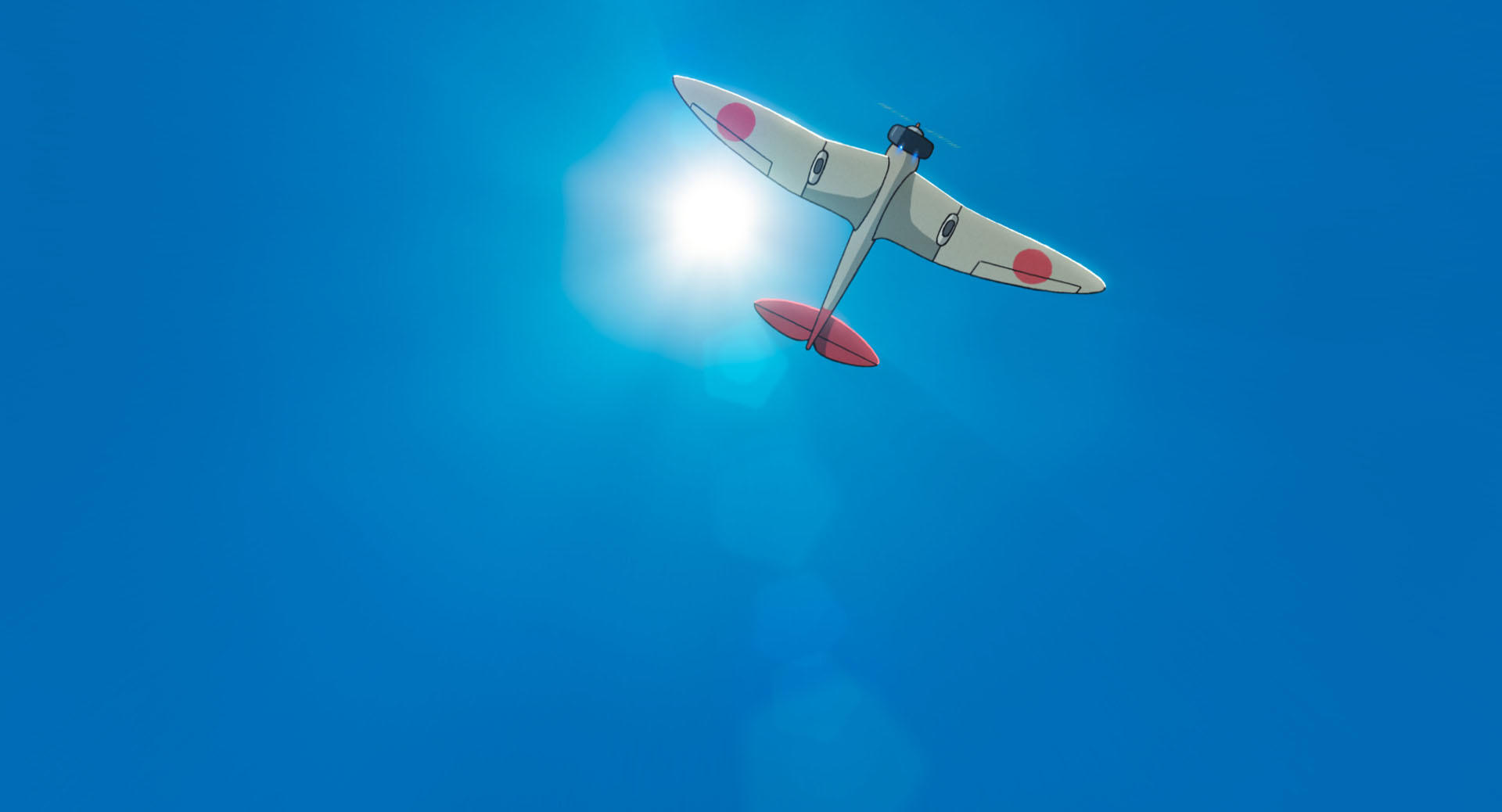
Jiro is a fictionalised version of the Japanese aircraft designer Jiro Horikoshi, best known historically for designing the Mitsubishi A6M Zero. Hayao Miyazaki’s film uses that real-life outline, but it is not a conventional biopic. It blends history, dream sequences, romance and moral reflection into a portrait of a person who wants to make beautiful things inside a world that will use them destructively.
As a boy, Jiro dreams of flying but cannot become a pilot because of his eyesight. Engineering becomes his way into the sky. That detail defines him. He is not driven by conquest at first. He is driven by form, lift, elegance and the fantasy of aircraft as dreams made visible. The tragedy is that his chosen craft cannot remain innocent in the era he inhabits.
What does Jiro want?
Jiro wants to design a beautiful plane. That sounds simple, but the film keeps complicating it. Beauty for Jiro is technical, emotional and almost spiritual. In his dreams, the Italian designer Caproni tells him that airplanes are beautiful dreams, but also cursed dreams. They are designed by people with imagination, then claimed by governments, armies and history.
This makes Jiro one of Studio Ghibli’s most uncomfortable protagonists. His desire is sincere. His discipline is admirable. His work ethic is intense. Yet the audience can never forget where the work is going. The Wind Rises is powerful because it refuses to let us separate craft from consequence for very long.
Is Jiro meant to be sympathetic?
Yes, but not in a way that excuses everything. The film makes Jiro gentle, focused, romantic and often kind. He helps people during the earthquake. He loves Naoko tenderly. He is not portrayed as a bloodthirsty nationalist. That sympathy is deliberate because the moral question would be much easier if he were a cartoon monster.
Instead, Miyazaki gives us someone whose personal virtues do not cancel out the harm attached to his industry. Jiro can be decent in private and still implicated in public disaster. That tension is the point. The film is less interested in judging him from a safe distance than in asking how ordinary ambition becomes tangled with destructive systems.
Jiro and Naoko
Jiro’s relationship with Naoko brings warmth and fragility into a story otherwise dominated by work, machinery and looming war. Naoko is not just there to soften him. She represents a different kind of beauty: temporary, human, vulnerable and impossible to preserve through engineering. Their love story is moving because both characters know time is limited.
That limited time also exposes Jiro’s divided life. He loves Naoko, but work keeps calling him away. He wants to be present, yet he is pulled toward the dream that has shaped him since childhood. The film does not turn this into a tidy lesson about “choosing career over love.” It presents a more painful truth: even meaningful work can become a place where someone hides from emotional reality.
What Caproni teaches Jiro
Caproni appears in Jiro’s dreams as a mentor, warning and mirror. He encourages Jiro to build, but he also tells him that airplanes are cursed dreams and that designers have only a limited creative window. These scenes give the film its philosophical frame. Jiro’s imagination is wondrous, but imagination alone cannot control how inventions are used.
Caproni’s presence also keeps the film from becoming a straightforward historical drama. The dream world lets Miyazaki speak directly about beauty, ambition and compromise. Jiro is not simply remembering facts. He is arguing with his own idealism.
Does Jiro accept responsibility?
This is the hardest question in the film. Jiro is aware, at least partly, that his planes will be used for war. He sees poverty, militarism and the pressure surrounding Japanese industry. He is not ignorant. But awareness is not the same as refusal. He continues because designing aircraft is the one great dream of his life.
That is why the ending feels haunted rather than triumphant. The famous plane exists, but the dream is surrounded by loss. The complete The Wind Rises movie guide puts this conflict in the wider context of Jiro’s story, Naoko’s illness, the film’s history and its questions about creative responsibility.
Why Jiro is different from many Ghibli heroes
Many Studio Ghibli protagonists grow by protecting nature, rejecting hatred or finding courage. Jiro’s arc is quieter and more morally unresolved. He grows in skill more than in ethical clarity. That makes him less comforting than characters like Kiki or Chihiro, but also unusually adult. He embodies the question of what a talented person owes the world when their dream is useful to powerful, harmful forces.
For viewers working through the Studio Ghibli movies in order, Jiro is one reason The Wind Rises can feel more demanding than the studio’s more openly magical films. The fantasy is still there, but it lives inside engineering sketches, dream meetings and impossible compromises rather than spirits or witches.
What Jiro represents
Jiro represents the seduction of beauty when beauty is detached from consequence. He also represents the dignity of craft, the danger of tunnel vision, and the sadness of living through an era where private dreams are swallowed by public catastrophe. The film’s title suggests movement, impermanence and pressure. The wind rises, and people must try to live. Jiro tries through work, love and dreams, but the film never pretends those attempts are simple.
That is why he remains one of Miyazaki’s most debated central characters. You can admire his focus and still feel disturbed by what his focus serves. You can be moved by his romance with Naoko and still question his absences. You can find his dreams beautiful and still hear Caproni’s warning inside them.
FAQ about Jiro Horikoshi
Was Jiro Horikoshi a real person?
Yes. The film is inspired by the real aircraft designer, but it fictionalises and reshapes his life for a poetic story rather than presenting a strict documentary biography.
Is The Wind Rises anti-war?
The film is deeply shadowed by war and loss, but it approaches anti-war feeling through personal compromise, invention and aftermath rather than speeches or battlefield scenes.
Should beginners start with The Wind Rises?
Some can, especially adults interested in history and moral drama. For a broader entry point, use the Studio Ghibli movie directory to compare it with gentler first watches.
Image credit: Official stills from Studio Ghibli’s The Wind Rises works page, used under the studio’s common-sense image-use notice. This article is an independent fan guide and is not affiliated with Studio Ghibli.