Quick answer: Kamaji is the many-armed boiler man in Spirited Away. He runs the bathhouse boiler room, supervises the soot sprites, grumbles at Chihiro and then quietly becomes one of her first protectors. Kamaji matters because he shows that kindness in Yubaba’s world is rarely soft or sentimental. It often looks like hard work, practical help and choosing to protect a frightened child when it would be easier not to.
Who is Kamaji in Spirited Away?
Kamaji is the old boiler-room worker who keeps the bathhouse running from below. He has long, spider-like arms, dark glasses and a workspace packed with levers, drawers, herbs and coal. When Chihiro first finds him, he looks intimidating because everything about the room is strange: sparks, soot, heat, tiny workers and a man who can reach several jobs at once.
But Kamaji quickly becomes one of the film’s safest adults. He does not greet Chihiro with hugs or inspirational speeches. He tests her, complains about her being in the way and insists that she must find work if she wants to survive. Then, when it counts, he lies for her, covers for her and sends her toward the help she needs.
What does Kamaji do in the bathhouse?
Kamaji operates the boiler that heats the bathhouse water. His job is physical, repetitive and essential. While the guests, workers and managers move through the brighter upper levels, Kamaji works underneath the whole system. That placement matters. The bathhouse’s glamour depends on hidden labour.
His drawers of herbal tokens also show that he understands the bathhouse from the inside out. The coloured tags dropped into the boiler room determine which waters or treatments are prepared upstairs. Kamaji is not powerful in the same way Yubaba is, but he holds practical knowledge. He knows how the place works, and that makes him valuable.
Why does Kamaji help Chihiro?
Kamaji helps Chihiro because he recognises her vulnerability and courage. At first, he tells her he has no work for her. In Yubaba’s bathhouse, that is a serious problem, because having no role makes Chihiro easier to erase or consume. But when Lin arrives, Kamaji claims Chihiro is his granddaughter and pushes Lin to take her to Yubaba.
That lie is small but important. It gives Chihiro cover inside a world that treats names, contracts and usefulness as survival tools. Kamaji cannot solve everything for her, and he knows she must face Yubaba herself. His help is the right size: enough to move her forward without taking over her journey.
Kamaji and the soot sprites
The soot sprites, or susuwatari, are the tiny black soot creatures who carry coal in Kamaji’s boiler room. They are cute, but the scene is not only decorative. Chihiro’s first attempt to help shows what kind of person she is becoming. When one soot sprite pretends to be crushed under coal, Chihiro rushes to save it. Kamaji warns that if she starts helping one, she must follow through and not disrupt everyone else’s work.
That moment teaches a very Ghibli lesson: kindness needs responsibility. Chihiro cannot just panic, interfere and expect the system to adapt around her. She has to learn how work functions. The soot sprites also make the labour downstairs visible and charming without pretending it is effortless.
Is Kamaji a spider?
Kamaji looks spider-like because of his many long arms and the way he sits at the centre of his boiler-room web. The film never reduces him to a literal monster species or explains him through a rulebook. His design communicates function first. He can reach drawers, levers and coal without leaving his station, so his body looks shaped by work.
That is part of what makes him memorable. Studio Ghibli often designs characters so their job, personality and environment feel inseparable. Kamaji looks ancient, mechanical, insect-like and human all at once. He belongs to the bathhouse’s spirit world, but his exhaustion feels completely ordinary.
Kamaji’s kindness is practical
Kamaji is kind in a way that fits the movie’s world. He does not stop the bathhouse for Chihiro. He does not defeat Yubaba. He does not promise that everything will be fine. Instead, he gives her a route, a story, a train ticket and a little protection at the exact moments when those things matter.
That kind of help is easy to underestimate because it is not dramatic. But Spirited Away is full of systems that make people smaller: contracts, jobs, hunger, greed and fear. Kamaji’s quiet acts keep Chihiro from being swallowed by that system before she has time to grow.
Kamaji, Haku and Lin
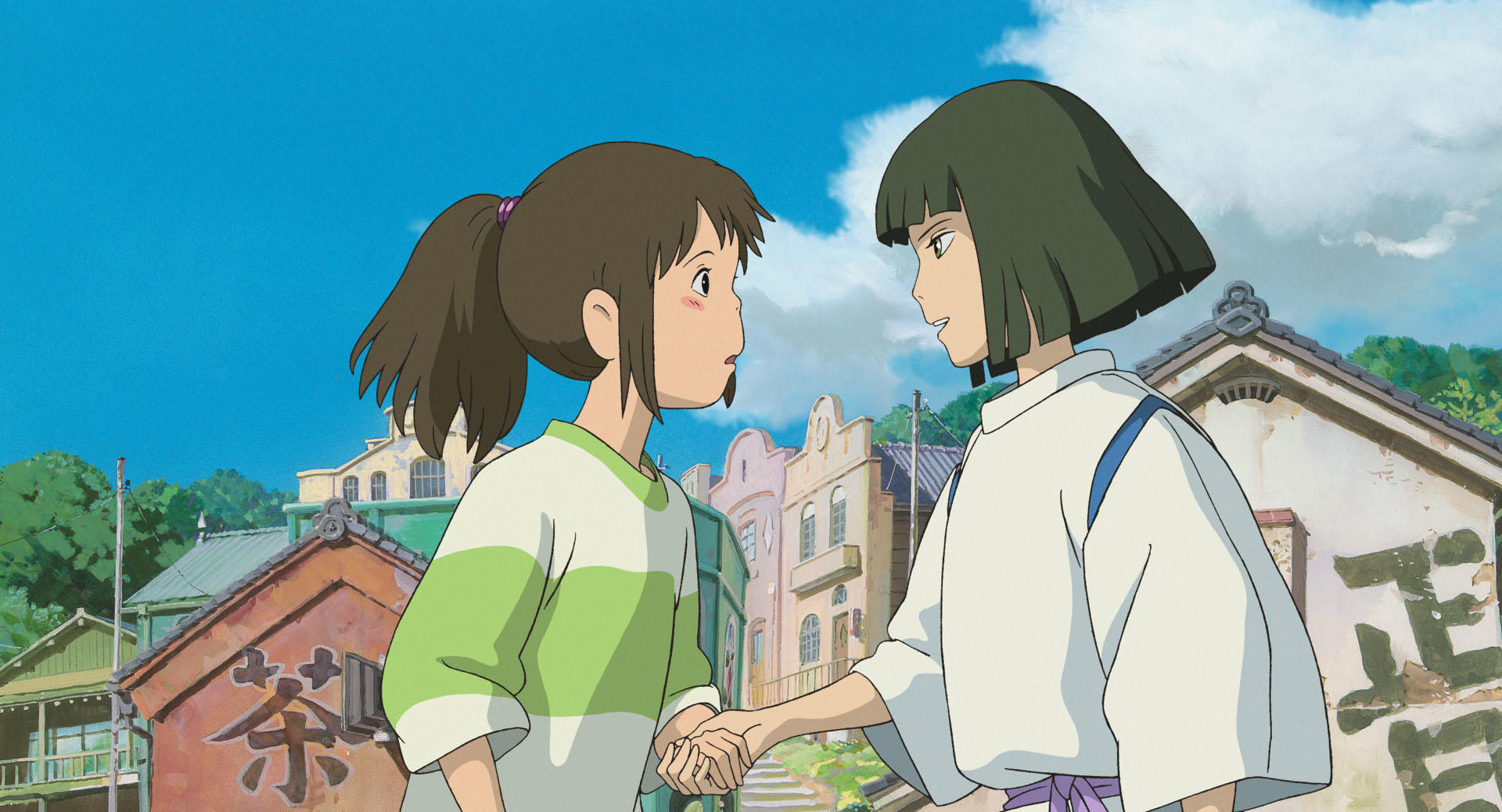
Kamaji sits between several important relationships. Haku tells Chihiro to find him because Haku knows Kamaji can be trusted, at least enough to help her take the next step. Lin is irritated by the inconvenience of caring for a human child, but Kamaji’s invented “granddaughter” line nudges her into helping too.
That makes Kamaji part of Chihiro’s support chain. None of these helpers is perfect. Haku is compromised by Yubaba’s control. Lin is impatient. Kamaji is gruff and limited by his position. Together, though, they form the network that lets Chihiro survive long enough to become brave. For more on the wider cast, see our Spirited Away characters guide.
What Kamaji represents
Kamaji represents hidden labour, old knowledge and reluctant care. He is the person under the floorboards keeping the beautiful machine running. He understands the rules, but he is not completely owned by them. When a vulnerable outsider appears, he bends the system just enough to protect her.
That is why he feels warmer on each rewatch. As a child, you may remember the arms, the soot sprites and the strange room. Later, you notice the emotional function. Kamaji is the first proof that the spirit world is not only dangerous. It contains people who have survived inside harsh rules without losing all decency.
Why Kamaji is one of Spirited Away’s best supporting characters
Kamaji’s screen time is limited, but his impact is large. He helps establish the bathhouse as a working place rather than just a magical location. He gives Chihiro her first lesson in labour and consequence. He also gives the film some of its best comic texture, from soot-sprite chaos to his deadpan frustration.
Most importantly, Kamaji makes Chihiro’s growth believable. She does not become brave because one mentor explains the moral of the story. She becomes brave because several people give her just enough help, then expect her to keep moving. Kamaji’s gruff faith in her is one of the first sparks.
Related Spirited Away guides
For the full story context, start with our Spirited Away movie guide. If you want another focused character reading, read Haku character guide or No-Face explained. For the tiny spirits in Kamaji’s workspace, see our Soot Sprites explained.
FAQ
Who is Kamaji?
Kamaji is the boiler man in Spirited Away, responsible for heating the bathhouse water and managing the soot sprites who carry coal.
Why does Kamaji say Chihiro is his granddaughter?
He says it to protect her and persuade Lin to help take Chihiro to Yubaba, where she can ask for work and avoid disappearing.
Are the soot sprites working for Kamaji?
Yes. In the boiler room they carry coal, though the film gives them playful personalities rather than treating them like ordinary workers.
Is Kamaji good?
Kamaji is gruff but fundamentally kind. He cannot overturn the bathhouse system, but he repeatedly helps Chihiro survive it.
Image source: Official Spirited Away still via ghibli.jp, where Studio Ghibli provides stills with a common-sense usage notice.