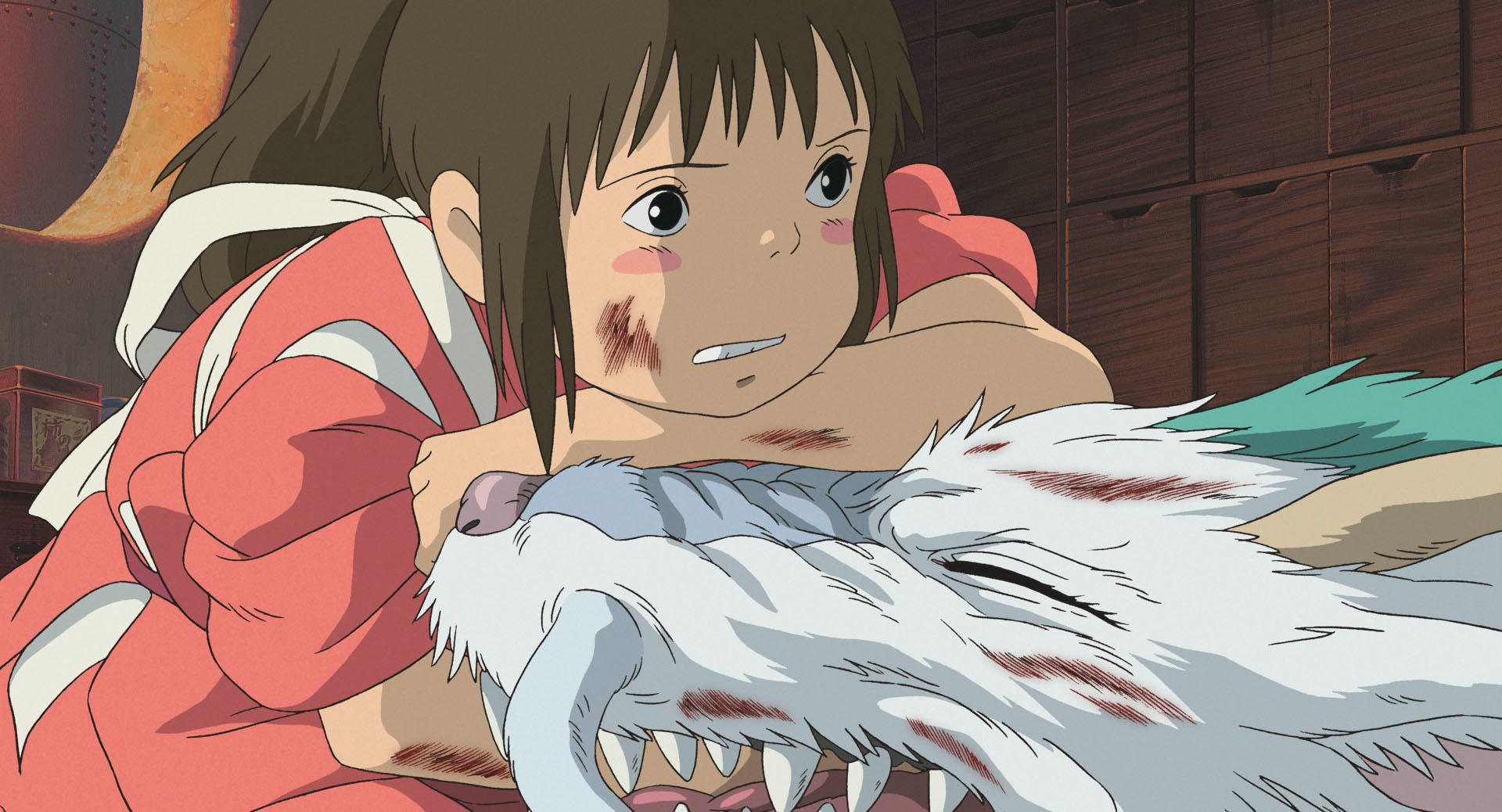
Quick answer: The main Spirited Away characters work because each one tests Chihiro in a different way: courage, memory, greed, kindness, and identity. The bathhouse is not just a fantasy location. It is a pressure test that reveals what each character wants and what they are willing to trade away.
Image source: official Studio Ghibli still from ghibli.jp, used within Studio Ghibli’s published common-sense image guidance.
Why the Spirited Away cast matters
Spirited Away can feel dreamlike on a first viewing, but its character logic is surprisingly clear. Almost everyone in the film is connected to appetite, labour, names, contracts, or memory. Chihiro survives because she keeps noticing people as people, even when the bathhouse tries to turn everyone into a role.
That is the key to understanding the film. The characters are not there only to be strange. They show different responses to a world where identity can be bought, stolen, hidden, or forgotten.
Chihiro: scared, stubborn, and awake
Chihiro begins the film as anxious and resistant. She complains, clings to her parents, and does not understand the danger until it is too late. That makes her growth more satisfying. She does not become brave because she is secretly fearless. She becomes brave because the situation keeps asking for one more practical action.
Her most important trait is attention. She remembers Haku’s kindness, recognises the river spirit under the stink, notices No-Face’s loneliness, and refuses to abandon her parents. In a setting full of transactions, Chihiro keeps forming relationships. That is why she can move through the bathhouse without being fully consumed by it.
Haku: memory, debt, and divided loyalty
Haku is both helper and warning. He knows the rules of the spirit world, but he is trapped by them. His service to Yubaba gives him power inside the bathhouse, yet it also costs him his name and past. The dragon form makes that conflict visible: beautiful, dangerous, wounded, and not entirely free.
His bond with Chihiro matters because it reaches back before the bathhouse. When she remembers his true identity as the Kohaku River, the film links personal memory with environmental loss. Haku is not only a mysterious boy. He is a displaced spirit whose name has been buried.
No-Face: loneliness that copies the room
No-Face is one of Ghibli’s best examples of a character who changes depending on the environment. Around Chihiro, he is quiet and curious. Inside the bathhouse, surrounded by greed and performance, he becomes monstrous. He offers gold because that is what the workers respond to. Then he devours because consumption is the language the room teaches him.
That makes No-Face frightening, but also sad. He is not pure evil. He is a lonely presence with no stable sense of self. Chihiro helps by refusing to flatter him, fear him, or sell herself to him. Later, Zeniba’s cottage gives him a calmer role, and he becomes useful because the setting no longer rewards excess.
Yubaba: power with a contract attached
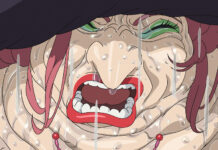
Yubaba is the ruler of the bathhouse, and her power is administrative as much as magical. She renames workers, controls contracts, measures value, and turns people into employees before they understand the cost. She is greedy and intimidating, but she is also bound by rules. If Chihiro asks properly for work, Yubaba cannot simply refuse.
That detail keeps her interesting. She is not chaos. She is a system. Her twin, Zeniba, helps underline that magic itself is not the problem. The problem is how power is used, what it demands, and whether names and promises are treated as sacred or as tools.
Lin, Kamaji, and the workers
Lin gives Chihiro a bridge into the bathhouse. She is impatient and blunt, but protective once Chihiro proves she is trying. Kamaji plays a similar role below the floor, surrounded by soot sprites and impossible labour. Both characters show that kindness can survive inside a harsh workplace, even if it has to disguise itself as grumbling.
The wider staff are often funny, but they also show how quickly a culture can become distorted by gold, status, and fear of the boss. Their reaction to No-Face tells us as much about the bathhouse as it tells us about him.
How these characters fit the movie’s bigger themes
The reason the cast stays memorable is that each character turns an abstract idea into a relationship Chihiro has to navigate. Haku turns memory into a rescue mission. No-Face turns loneliness into a danger that needs boundaries. Yubaba turns work into a contract that can strip away identity. Lin and Kamaji turn survival into small acts of practical care.
That structure is why the film works for both children and adults. Younger viewers can follow Chihiro trying to save her parents and get home. Older viewers can recognise the workplace satire, the anxiety of losing yourself to a system, and the quiet importance of remembering names, debts, and kindnesses correctly.
Related guides
- Princess Mononoke Characters Guide: Who’s Who in the Forest War
- My Neighbor Totoro Parents Guide: Age Rating, Scary Moments, and Who Should Watch It
- Kiki’s Delivery Service: Why Jiji Still Feels Like the Perfect Ghibli Sidekick
- Kiki’s Delivery Service Meaning: Burnout, Confidence, and Growing Up
FAQ
Who is the most important character in Spirited Away?
Chihiro is the centre of the film because her choices connect every major theme: memory, courage, work, kindness, and identity.
Is No-Face evil?
No-Face is better understood as lonely and highly influenced by his surroundings. He becomes dangerous in the bathhouse because greed and attention teach him the wrong way to belong.
Why does Yubaba steal names?
Names are identity and memory in the film. By taking names, Yubaba makes workers easier to control and less able to return to who they were.