

Home Blog Page 19

Studio Ghibli Movies by Mood: What to Watch Based on How You Feel

0
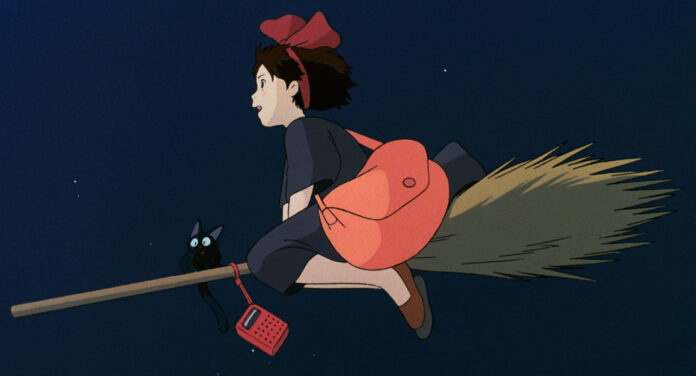
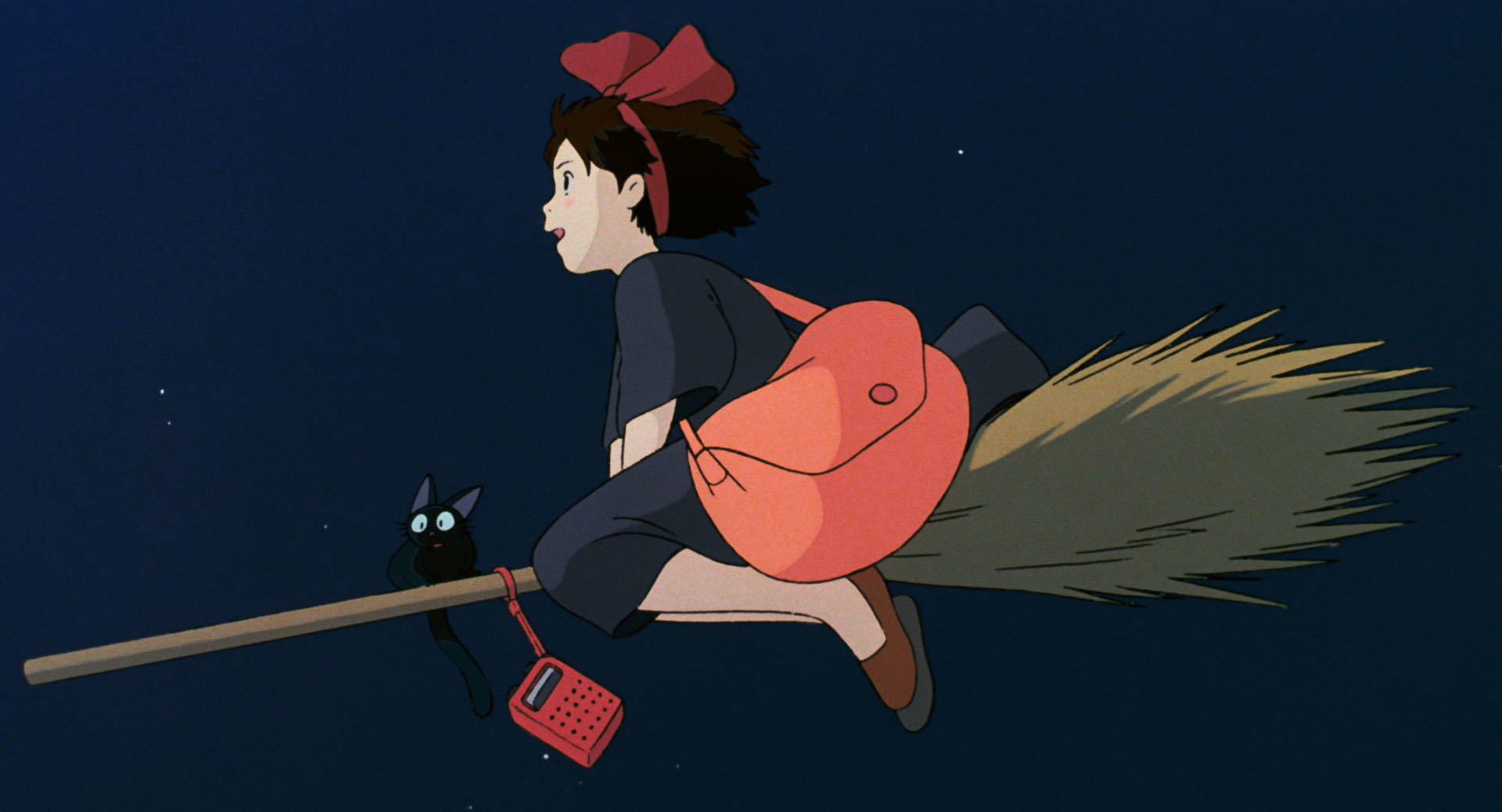
Official Studio Ghibli still from ghibli.jp.
Studio Ghibli Movies by Mood: What to Watch Based on How You Feel
Official Studio Ghibli still via ghibli.jp.

The easiest way to choose a Studio Ghibli movie is by mood, not chronology. Watch My Neighbor Totoro when you need comfort, Kiki’s Delivery Service when you feel stuck, Spirited Away when you want wonder, Princess Mononoke when you want something heavier, and Ponyo when you want bright, chaotic joy.

If you need comfort: My Neighbor Totoro

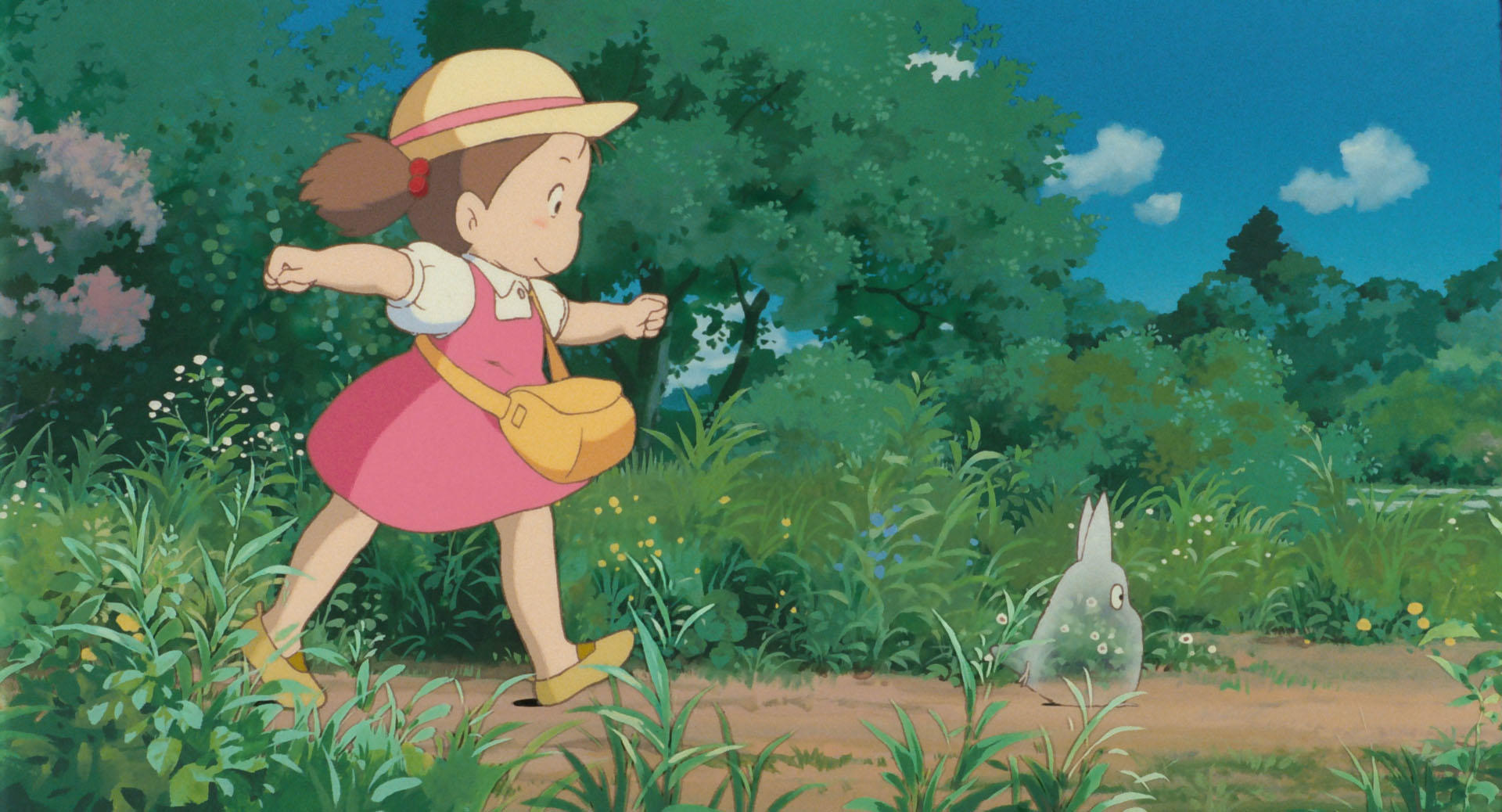
My Neighbor Totoro is the soft landing. It is not plotless, but it is shaped more like a memory than a quest. The sisters explore a new house, wait for news about their mother, and discover that the surrounding woods are alive with kindness. This is the right choice when you want a movie that lowers your shoulders.

The comfort comes from patience. Ghibli lets the characters breathe, run, wait, shout, and wonder. That rhythm is why Totoro works for children and adults in completely different ways.

If you feel burned out: Kiki’s Delivery Service

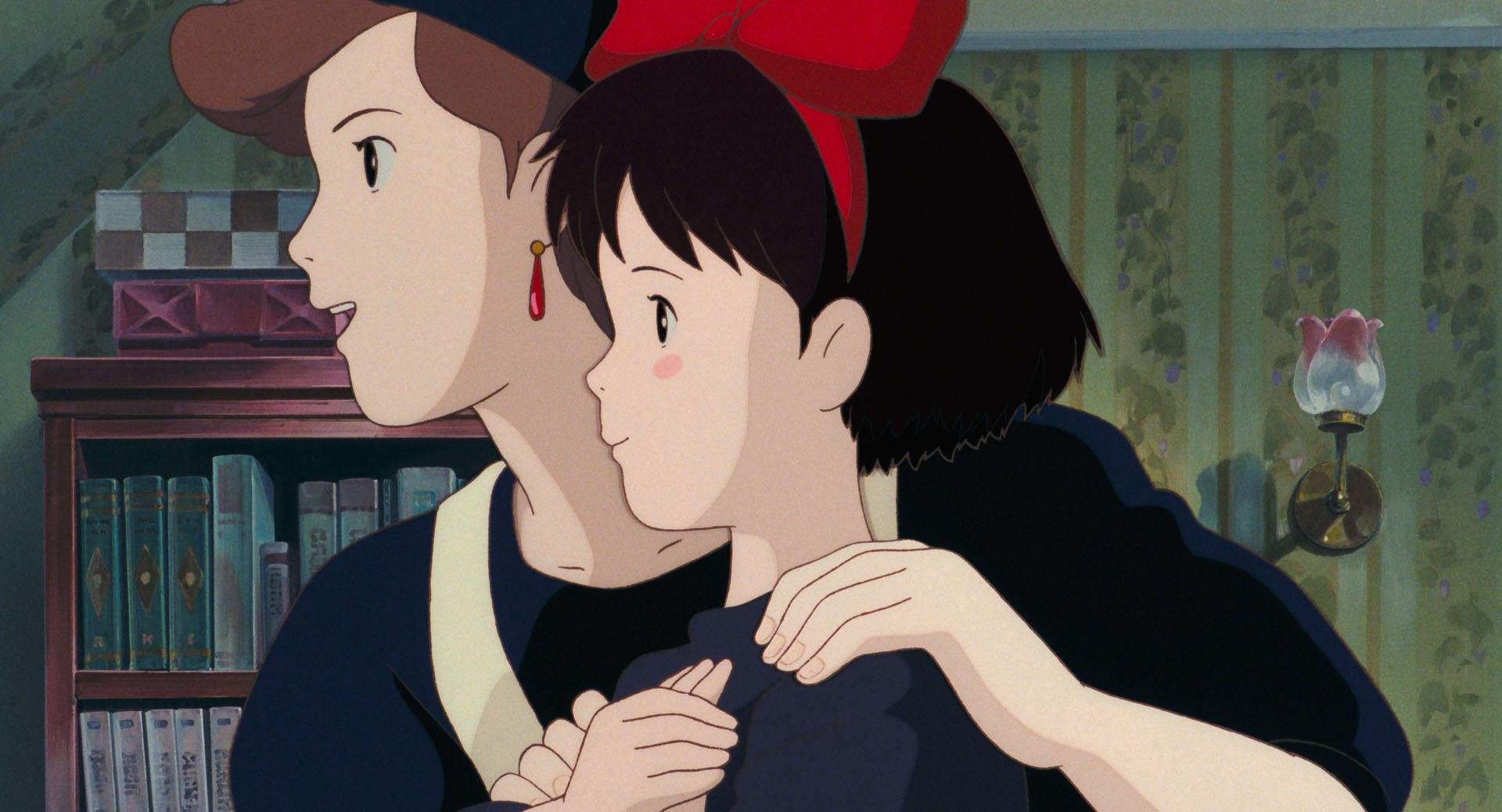
Kiki’s Delivery Service is the Ghibli film for work fatigue. Kiki is talented, brave, and independent, but she still loses confidence. The movie understands that growing up is not just proving you can do things alone. It is learning when to accept help, when to rest, and when to stop treating every mistake as proof you are failing.

Watch it if you are building something, starting again, or trying to remember why you liked your own gifts in the first place.

If you want awe: Spirited Away

Spirited Away is the best pick when you want to be transported. The bathhouse feels like a complete world with rules Chihiro has to learn quickly: do the work, remember your name, do not be greedy, and pay attention to who is helping you. It is dreamlike, but it is not random. Every strange image points back to appetite, identity, labour, and courage.

If you want romance and magic: Howl’s Moving Castle

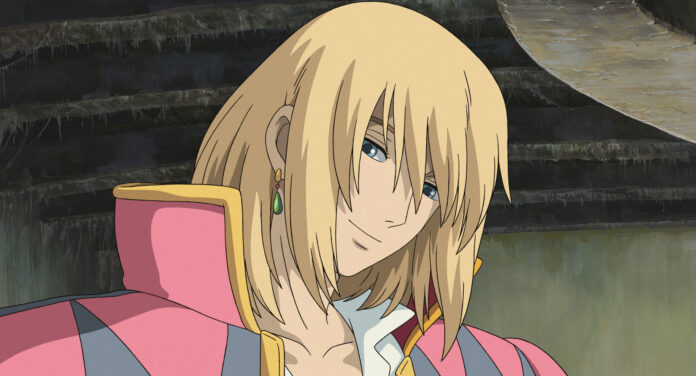
Howl’s Moving Castle is ideal when you want an emotional fantasy rather than a tidy puzzle. Sophie’s age-changing curse externalises how she already sees herself. Howl’s beauty hides fear and avoidance. Calcifer is funny, warm, and trapped. The castle itself feels like a personality: messy, theatrical, protective, and unstable.

This is the mood pick for candlelight, rain, blankets, and a little melodrama.

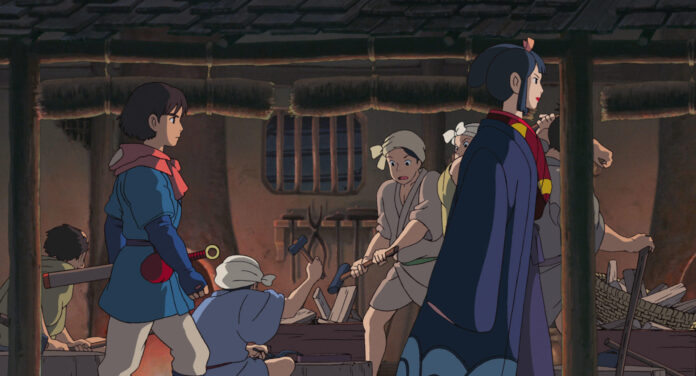
If you want something serious: Princess Mononoke

Princess Mononoke is not cosy background viewing. It is for nights when you want moral weight, conflict, and images that do not resolve into easy answers. The film cares about forests, industry, hatred, survival, disability, leadership, and rage. Nobody owns the whole truth, which is why the story still feels adult.

Pick it when you want Ghibli at its fiercest. It pairs well with deeper explainers about Ashitaka, San, and the film’s nature-versus-industry conflict.

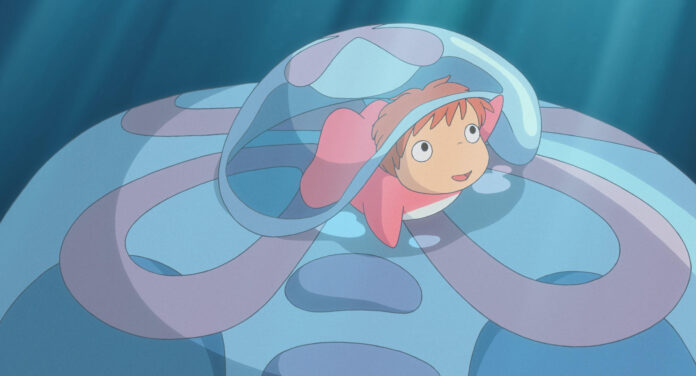
If you want bright chaos: Ponyo

Ponyo is the opposite of overthinking. It is splashy, fast, funny, and full of appetite. The logic is closer to a child’s emotional weather than a rulebook. Ponyo wants ham, freedom, love, and movement. The sea rises because feelings are big and the world bends around them.

This is the best pick for younger viewers or for adults who want colour and momentum without grimness.

If you want an adventure: Castle in the Sky

Castle in the Sky gives you air pirates, chase scenes, a mythic floating city, and one of Ghibli’s clearest adventure structures. It is easy to recommend to people who like Indiana Jones-style momentum but want something gentler and more ecological underneath.

Quick mood table

ComfortMy Neighbor Totoro
BurnoutKiki’s Delivery Service
WonderSpirited Away
RomanceHowl’s Moving Castle
Serious themesPrincess Mononoke
JoyPonyo
AdventureCastle in the Sky

FAQ

What is the cosiest Studio Ghibli movie?

My Neighbor Totoro is usually the cosiest, although Kiki’s Delivery Service and Whisper of the Heart are close depending on the viewer.

What should I watch when I want something emotional?

Try Spirited Away for transformation, The Wind Rises for adult melancholy, or Grave of the Fireflies only if you are prepared for a devastating film.

What is the best happy Ghibli film?

Ponyo is one of the happiest and most energetic Ghibli films, especially for family viewing.

Image source: official Studio Ghibli stills from ghibli.jp, used in line with the studio’s common-sense image notice.

If you want creative motivation: Whisper of the Heart

Whisper of the Heart is the mood pick for people who want to make something but feel embarrassed by the gap between taste and skill. Shizuku’s story is smaller than the fantasy epics, but that is the point. The film captures the frightening part of creativity: realising that wanting to be good is not the same as having already earned the craft. It is a good choice for writers, artists, students, and anyone trying to take their own work seriously.

If you want adult reflection: Only Yesterday or The Wind Rises

When the mood is quieter and more adult, Only Yesterday and The Wind Rises are better than the obvious comfort films. Only Yesterday looks back at childhood from the perspective of a woman trying to understand the shape of her life. The Wind Rises is about beauty, ambition, love, and compromise in a world that does not stay innocent. Neither film is the easiest first watch, but both are powerful when you want Ghibli to sit with you rather than simply cheer you up.

How to use this guide

If you are choosing for a group, pick the least intense film that still matches the room. Family night usually means Totoro, Ponyo, or Kiki. A film-club night can handle Princess Mononoke or The Wind Rises. A solo rainy evening might be the perfect place for Howl’s Moving Castle or Whisper of the Heart.
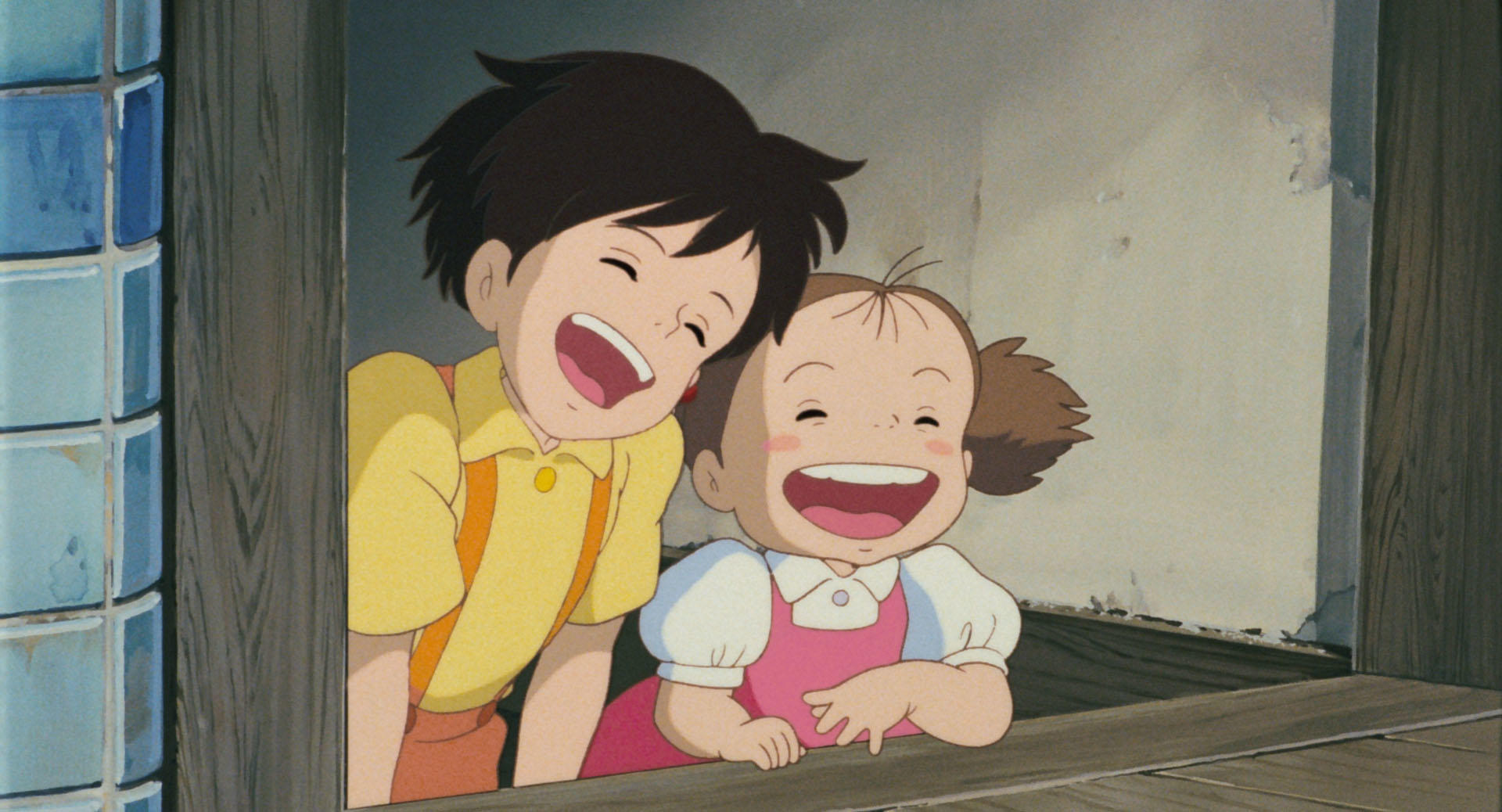
Best Studio Ghibli Movies for Beginners Who Don’t Usually Watch Anime

0
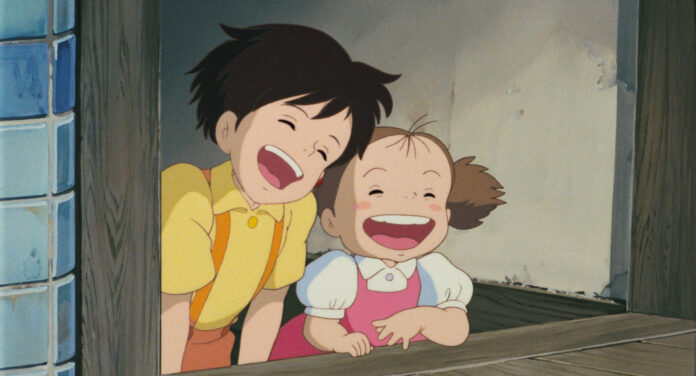
Official Studio Ghibli still from ghibli.jp.
Best Studio Ghibli Movies for Beginners Who Don’t Usually Watch Anime
Official Studio Ghibli still via ghibli.jp.

If you are new to anime, start with Studio Ghibli films that work first as warm, complete movies: My Neighbor Totoro, Spirited Away, Kiki’s Delivery Service, Howl’s Moving Castle, and Castle in the Sky. You do not need anime background, genre knowledge, or a perfect release-date watch order. The best first pick depends on whether you want comfort, adventure, romance, mystery, or a family-friendly entry point.

The short beginner list

The safest starter route is simple: choose the emotional tone you actually want tonight. My Neighbor Totoro is the gentlest introduction because it is low-conflict, short, and easy to love. Spirited Away is the best all-round first masterpiece if you want the full Ghibli feeling: strange, beautiful, funny, frightening, and deeply human. Kiki’s Delivery Service is the most approachable coming-of-age story. Howl’s Moving Castle is the romantic fantasy pick, while Castle in the Sky gives you the cleanest old-fashioned adventure.

1. My Neighbor Totoro: the comfort-first gateway

For people who say they do not watch anime, Totoro is often the easiest yes. It does not ask you to learn a complicated mythology. It follows two sisters, a rural move, a sick mother, and the kind of childhood wonder that feels both ordinary and magical. The film is especially good for families, tired adults, and anyone who wants something soft without being empty.

What makes it beginner-friendly is the lack of hard plot pressure. There is no villain to decode and no lore quiz. The movie teaches the Ghibli language through small gestures: wind in trees, a bus stop in the rain, soot sprites in an old house, and the feeling that nature might be paying attention.

2. Spirited Away: the best one-film explanation of Ghibli

If someone will only watch one Studio Ghibli movie, choose Spirited Away. It is more intense than Totoro, but it shows why Ghibli became a global shorthand for animation with soul. Chihiro’s journey through the bathhouse is full of odd rules, spirits, greed, work, food, names, and memory. Even if the viewer misses some Japanese folklore references, the emotional story remains clear: a frightened child learns courage without becoming cruel.

This is the film to pick for adults who want to understand the reputation. It has momentum, danger, jokes, unforgettable images, and a surprisingly grounded coming-of-age arc.

3. Kiki’s Delivery Service: the relatable burnout movie

Kiki’s Delivery Service looks light from the outside, but it lands hard for anyone who has moved away, started over, or lost confidence in something they used to love. Kiki is a young witch trying to build a delivery business in a seaside city. That practical setup makes the fantasy easy to accept. Her problem is not defeating evil; it is learning how to work, rest, make friends, and survive self-doubt.

For non-anime viewers, this is a brilliant bridge because the emotional stakes are everyday stakes. It is also one of the best Ghibli films for teenagers and creative adults.

4. Howl’s Moving Castle: romance, style, and emotional fantasy

Choose Howl’s Moving Castle when the viewer wants beauty, romance, and a little chaos. It is not the neatest plot in the catalogue, but it is one of the most immediately seductive. Sophie’s curse, Howl’s cowardice, Calcifer’s bargain, and the walking castle create a fairy-tale world that feels handmade and alive.

This is a strong first pick for fans of fantasy novels, costume drama, magical houses, and stories about learning to see yourself differently.

5. Castle in the Sky: adventure without homework

Castle in the Sky is the easiest recommendation for viewers who like adventure films. It has airships, pirates, lost technology, secret identities, and a floating city. It also introduces recurring Ghibli concerns without feeling heavy: power, nature, machines, greed, and the difference between wonder and ownership.

How to choose your first Ghibli movie

  • Need comfort: start with My Neighbor Totoro.
  • Want the famous masterpiece: start with Spirited Away.
  • Want relatable growing-up emotion: start with Kiki’s Delivery Service.
  • Want romance and fantasy: start with Howl’s Moving Castle.
  • Want adventure: start with Castle in the Sky.

FAQ

Should beginners watch Ghibli in release order?

No. Release order is interesting later, but beginners should start with the film most likely to match their mood.

Which Ghibli movie is least intimidating?

My Neighbor Totoro is the least intimidating because it is gentle, short, and emotionally direct.

Which first movie shows the most range?

Spirited Away shows the widest range in a single film: comedy, fear, beauty, work, fantasy, and transformation.

For a broader route after this, use the site’s Studio Ghibli movies in order guide and then branch into character and ending explainers.

Image source: official Studio Ghibli stills from ghibli.jp, used in line with the studio’s common-sense image notice.

What not to start with

Some Studio Ghibli films are brilliant but not ideal first steps. Grave of the Fireflies is historically important and devastating, but it is the wrong casual gateway for most new viewers. Princess Mononoke is one of the studio’s strongest films, yet its violence, moral density, and intensity can give a misleading impression if someone expects gentle comfort. The Tale of the Princess Kaguya is visually extraordinary, but its slower folktale rhythm works better once a viewer already trusts Ghibli’s patience.

That does not mean beginners should avoid those films forever. It means the first recommendation should create curiosity rather than pressure. Once someone has connected with Totoro, Spirited Away, Kiki, or Howl, the deeper and stranger corners of the catalogue become much easier to appreciate.

A simple three-night starter plan

Night one: watch My Neighbor Totoro for comfort and the basic Ghibli feeling. Night two: watch Spirited Away for a bigger, stranger masterpiece. Night three: choose between Kiki’s Delivery Service if you want everyday emotion, Howl’s Moving Castle if you want romance, or Castle in the Sky if you want adventure. That three-film route gives a newcomer range without turning the experience into homework.

The Wind Rises Beginner Guide: Dreams, Love, and the Cost of Creation

0
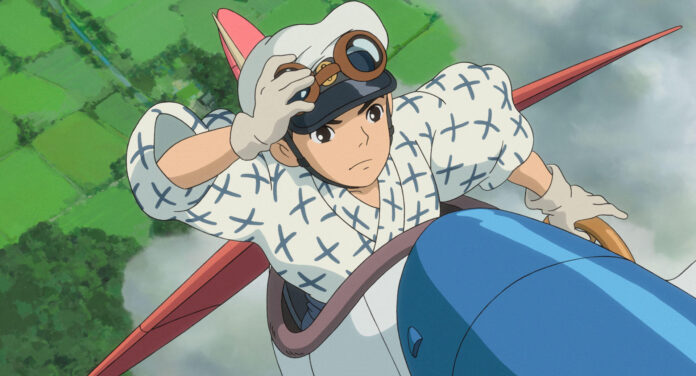
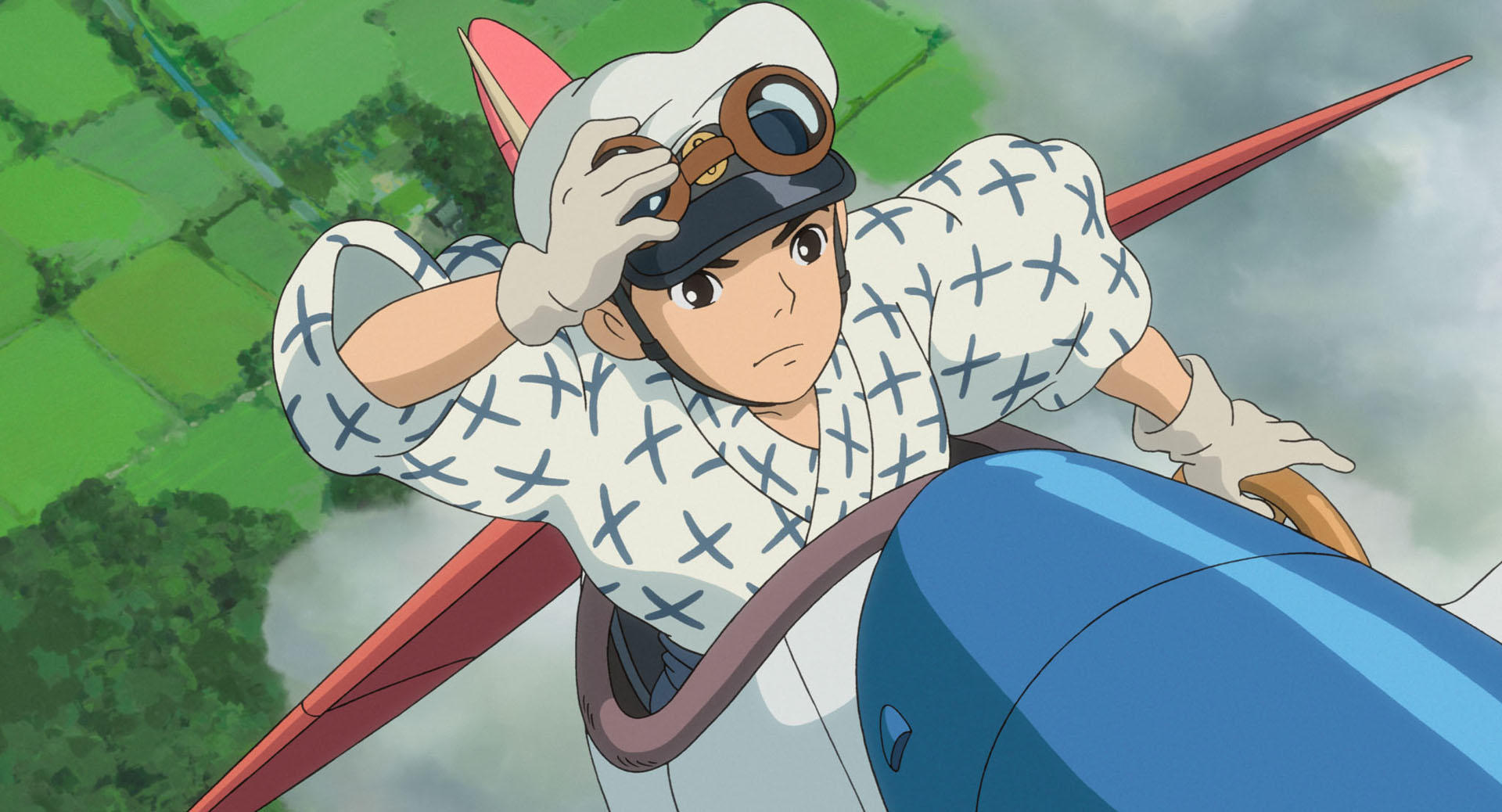
Official Studio Ghibli still for The Wind Rises Beginner Guide: Dreams, Love, and the Cost of Creation
Official Studio Ghibli still, used within the common-sense usage notice on ghibli.jp.
Official Studio Ghibli still for The Wind Rises Beginner Guide: Dreams, Love, and the Cost of Creation
Official Studio Ghibli still from ghibli.jp.

The Wind Rises is one of Studio Ghibli’s most unusual films. It has no magical creatures, no witches, no forest spirits and no obvious fantasy world. Instead, it is a reflective historical drama about aviation, ambition, illness, love and the uneasy cost of making beautiful things in a troubled world.

This beginner guide explains what the film is about, why it divides some viewers, and why it matters inside the wider Ghibli catalogue.

Quick answer: what is The Wind Rises about?

The film is a fictionalised portrait of Jiro Horikoshi, the Japanese aircraft designer associated with the Mitsubishi A6M Zero. Rather than presenting a straightforward biography, Hayao Miyazaki turns Jiro’s life into a meditation on dreams, engineering, beauty and responsibility.

Jiro dreams of flight from childhood. Poor eyesight means he cannot become a pilot, so he becomes an aircraft designer instead. His imagination is guided by dreamlike meetings with Italian aircraft designer Giovanni Battista Caproni, who speaks to him about the beauty and danger of airplanes.

Why it feels different from other Ghibli films

The Wind Rises is slower, more adult and more ambiguous than many famous Ghibli films. It is not built around adventure. It is built around work: study, design, failure, revision, compromise and obsession.

That makes it a strange recommendation for viewers expecting something like Spirited Away or Howl’s Moving Castle. But it also makes the film one of Miyazaki’s most personal works. It asks a question that sits behind much of his career: what does it mean to devote your life to beauty when the world can use beauty for destructive ends?

The dream of flight

Flight in Ghibli is usually liberating. In Kiki’s Delivery Service, it is linked to confidence and identity. In Castle in the Sky, it is adventure and myth. In The Wind Rises, flight is still beautiful, but it carries a shadow.

Jiro loves aircraft as elegant machines. He sees lines, curves, wind resistance and possibility. The film does not suggest his love is fake. It shows the sincerity of craft. But it also refuses to ignore where those designs lead.

The love story with Naoko

Jiro’s relationship with Naoko gives the film its emotional centre. Their romance is tender, restrained and fragile. Naoko’s illness means their time together is limited, and the film treats that limitation with quiet sadness rather than heavy sentiment.

Their relationship also mirrors the larger theme of impermanence. Beautiful things may not last. Dreams may be compromised. Love can be real even when it cannot stop loss.

Is The Wind Rises anti-war?

Yes, but not in the simple shape some viewers expect. The film does not become a courtroom argument or a direct political lecture. Instead, it shows the tragedy of talent being absorbed by history. Jiro wants to make beautiful aircraft; the world wants military machines.

This ambiguity is why the film can feel uncomfortable. It does not let the viewer sit in an easy moral position. It asks whether creators are responsible for what power does with their work, and whether beauty can ever be separated from context.

Who should watch it?

  • Viewers interested in Miyazaki’s more adult, reflective side.
  • Fans of historical drama and aviation design.
  • Anyone who likes stories about work, craft and obsession.
  • Ghibli fans ready for a slower film with fewer fantasy elements.
  • People interested in moral ambiguity rather than clear heroes and villains.

Who might not enjoy it?

If you want fast pacing, creature fantasy or a child-friendly adventure, this may not be the best next choice. Younger viewers may find it slow. Even adults sometimes struggle with the film’s quietness if they expect a more conventional plot.

It is better approached as a reflective drama than as a comfort-watch fantasy.

Where it fits in a Ghibli watch order

The Wind Rises is best watched after you already understand Ghibli’s range. Start with more accessible films like My Neighbor Totoro, Kiki’s Delivery Service, Spirited Away or Howl’s Moving Castle, then come to this when you are ready for a mature late-career statement.

It also pairs well with Porco Rosso, another Miyazaki film about aviation, masculinity, regret and historical atmosphere, though Porco Rosso is much more playful.

Final verdict

The Wind Rises is not the easiest Studio Ghibli movie, but it is one of the most revealing. It shows Miyazaki wrestling with the romance of machines, the discipline of craft and the painful fact that dreams do not exist outside history.

If you watch it expecting magic, you may be surprised. If you watch it as a film about creation, compromise and the cost of beauty, it becomes one of Ghibli’s richest works.

Image note: official Studio Ghibli stills are used where available under the studio’s common-sense image-use guidance. This is an independent fan guide and is not affiliated with Studio Ghibli.

Why the dream scenes matter

The dream sequences are not just decoration or a way to make aviation look romantic. They show the split inside Jiro’s ambition. In dreams, planes can be beautiful, weightless, and almost innocent. In history, those same machines become part of war. The film keeps both truths in view, which is why it can feel gentle and troubling at the same time.

That tension is the reason The Wind Rises often stays with viewers after the plot details fade. It asks whether a person can love the craft of making something while still being responsible for what the world does with it. Studio Ghibli does not give an easy answer, and the movie is stronger because it sits with the discomfort.

How to watch it without missing the point

Go in expecting a reflective historical drama, not a fantasy adventure. The emotional movement is quiet: work, illness, compromise, beauty, and regret. Pay attention to sound as well as image. The wind, engines, earthquake sequence, and human-made flight noises all help the film connect dreams to consequences.

Source note

Image source: official Studio Ghibli stills from ghibli.jp.

The Secret World of Arrietty Beginner Guide: Small Story, Big Feelings

0
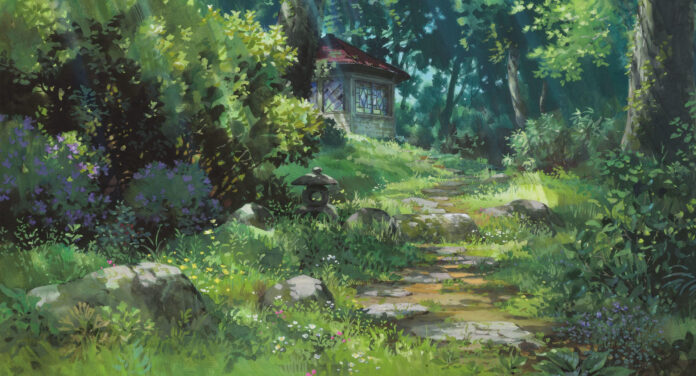
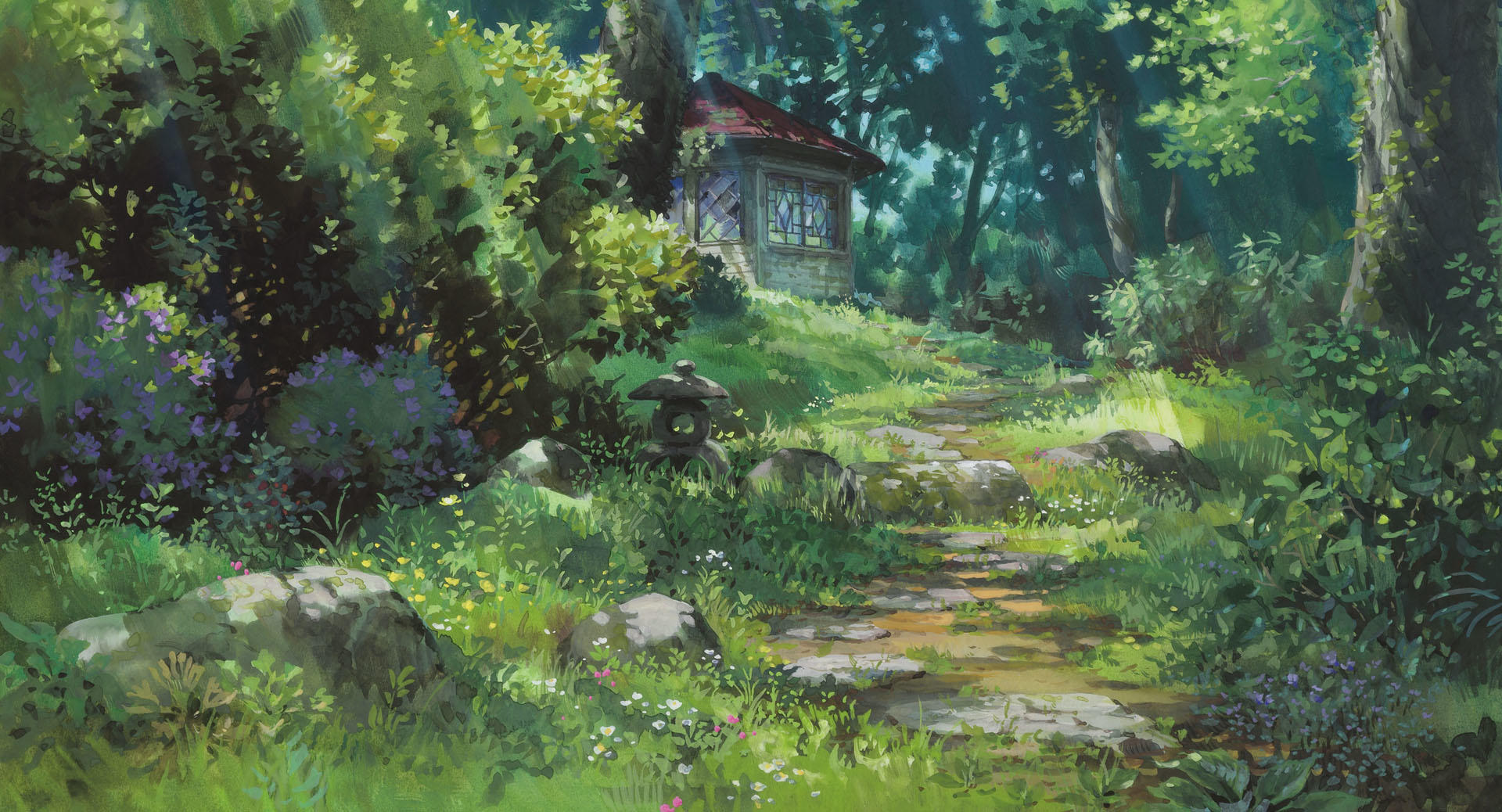
Official Studio Ghibli still used within the studio’s common-sense image-use guidance.

The Secret World of Arrietty is one of Studio Ghibli’s quietest films, but that is exactly why it works. Instead of dragons, gods, flying castles or large-scale fantasy, it turns a family home into a landscape of danger, wonder and emotional change.

This beginner guide explains what the film is about, who it suits, why it feels different from Ghibli’s bigger adventures, and where it fits if you are working through the studio’s catalogue.

Quick answer: what is The Secret World of Arrietty about?

The film follows Arrietty, a tiny “Borrower” who lives beneath the floorboards with her parents. Borrowers survive by quietly taking small items humans will not miss: sugar cubes, tissue, pins, herbs and scraps. Their hidden life depends on one rule: do not get seen.

That rule breaks when Arrietty is noticed by Sho, a sickly human boy staying in the house. Their friendship is gentle, curious and risky. Sho is lonely and physically fragile. Arrietty is brave but inexperienced. Both are trapped in worlds that feel too small for them.

Why this is a good first Ghibli film

Arrietty is especially good for viewers who want a soft entry point into Studio Ghibli. It has magic, but not the overwhelming mythic scale of Princess Mononoke or Spirited Away. It has danger, but not much darkness. It has sadness, but it is handled with restraint rather than melodrama.

The film is easy to follow, visually charming and emotionally clear. Children can enjoy the miniature-world adventure, while adults may notice the deeper themes of illness, independence, overprotection and the fear of disappearing.

The miniature world is the main attraction

Ghibli’s greatest trick here is making familiar objects feel huge. A kitchen becomes a cliff face. A table leg becomes a tower. A dropped sugar cube feels like treasure. A house cat becomes a monster-sized threat. This change in scale makes the film instantly readable even before the plot develops.

The visual pleasure comes from practical imagination: how would a tiny family make a home, cook food, cross a room, climb furniture or carry supplies? These small survival details are what make the world believable.

Arrietty as a character

Arrietty is not written as a chosen hero. She is simply a young person who wants to prove she can handle the world. That makes her easy to connect with. She is curious, impatient and brave in a way that sometimes puts her family at risk.

Her arc is about learning that courage is not the same as recklessness. She wants independence, but the film does not mock her parents’ fear. Their caution comes from survival. The emotional tension is not “young people good, parents bad.” It is about what happens when love becomes protective because the world really is dangerous.

Sho’s role in the story

Sho could easily have been a passive sick boy, but the film gives him a quiet emotional purpose. His illness makes him aware of fragility. He understands Arrietty partly because he also feels powerless. He cannot control his body or his future, and she cannot control the human world around her.

Their friendship matters because neither of them tries to own the other. The film is tender because it accepts that some connections are temporary but still meaningful.

Is The Secret World of Arrietty scary?

It is mild by Ghibli standards. There are moments of peril, especially involving humans discovering the Borrowers, but the film is not horror-like or intense. The threat is more about exposure, forced relocation and losing home than about physical violence.

For younger viewers, the tension may feel real because the Borrowers are so small. For adults, the sadder parts may come from the idea of a family having to leave everything familiar behind.

Best reasons to watch it

  • You want a gentle, beautiful Studio Ghibli film.
  • You enjoy miniature worlds and domestic fantasy.
  • You prefer emotional subtlety over huge action scenes.
  • You are watching with children but still want something thoughtful.
  • You like stories about friendship, growing up and leaving home.

Where it fits in a Ghibli watch order

Arrietty works well after beginner-friendly classics like My Neighbor Totoro or Kiki’s Delivery Service. It also pairs nicely with When Marnie Was There, because both films use quiet emotional atmosphere rather than spectacle.

If you are showing someone Ghibli for the first time, Arrietty is not always the most iconic starting point, but it is one of the safest. It shows the studio’s tenderness, craft and everyday magic without demanding too much from the viewer.

Final verdict

The Secret World of Arrietty is a small film in the best sense. Its stakes are intimate, its world is delicate, and its emotional power comes from watching two lonely people briefly help each other feel less alone.

It may not be the loudest or most famous Ghibli movie, but for many viewers it becomes a comfort film: modest, warm, carefully made and quietly moving.

Image note: official Studio Ghibli stills are used where available under the studio’s common-sense image-use guidance. This is an independent fan guide and is not affiliated with Studio Ghibli.

Why Arrietty works as a small-scale Ghibli story

The useful thing about The Secret World of Arrietty is that it proves a Studio Ghibli film does not need a kingdom, a war, or a giant spirit world to feel magical. The drama is built from crumbs, cupboards, floorboards, hidden rooms, and the danger of being noticed. That smaller scale makes the film a good recommendation for viewers who want gentle tension rather than a huge fantasy epic.

Arrietty’s family lives beside humans but cannot safely belong to the human world. That gives the story a quiet emotional pressure. Every borrowed object has a cost, every trip outside the walls is a risk, and every friendship has consequences. The film is cosy on the surface, but underneath it is about survival, change, and learning when a home can no longer protect you.

Arrietty in an official Studio Ghibli still from The Secret World of Arrietty
Official Studio Ghibli still used for commentary and fan-guide context.

Best viewers for this movie

This is a strong pick for families who want something calmer than Princess Mononoke and less surreal than Spirited Away. It also works well for viewers who enjoy miniature worlds, secret houses, careful visual details, and stories where the emotional stakes come from leaving, not winning. If someone is new to Ghibli and likes gentle British countryside fantasy, Arrietty is an easy bridge into the wider catalogue.

For internal watch planning, it pairs neatly with Kiki’s Delivery Service as another independence story, and with the Studio Ghibli movies in order guide for anyone building a broader first-watch route.

Image note: official Studio Ghibli stills are used for commentary and fan-guide context under Studio Ghibli’s published common-sense use notice. Source: ghibli.jp/works.

Saddest Studio Ghibli Movies Ranked: Emotional Watch Guide

0
Kiki’s Delivery Service official Studio Ghibli still used for an emotional Ghibli movie guide
Official Studio Ghibli still from Kiki’s Delivery Service. Source: https://www.ghibli.jp/works/majo/

Quick answer: the saddest Studio Ghibli movie is usually Grave of the Fireflies, but the best sad Ghibli film to watch depends on what kind of emotion you want. The Tale of the Princess Kaguya is mythic heartbreak, The Wind Rises is adult melancholy, When Marnie Was There is gentle catharsis, and Princess Mononoke is tragic because nobody wins cleanly.

Kiki’s Delivery Service official Studio Ghibli still used for an emotional Ghibli movie guide
Official Studio Ghibli still from Kiki’s Delivery Service. Source: https://www.ghibli.jp/works/majo/ Used under Studio Ghibli’s common-sense image notice on the official work pages.

Saddest Studio Ghibli movies ranked by emotional impact

RankMovieType of sadnessBest for
1Grave of the FirefliesHistorical tragedy, war, hunger, childhood vulnerabilityViewers ready for the hardest Ghibli watch
2The Tale of the Princess KaguyaFreedom lost, family pressure, beauty that cannot lastMythic heartbreak and art-house emotion
3The Wind RisesLove, illness, ambition, and history pressing togetherAdults who want mature melancholy
4When Marnie Was ThereLoneliness, memory, adoption, and buried family loveA softer but deeply emotional cry
5Princess MononokeHatred, environmental loss, compromise, no clean victoryEpic tragedy with action and moral conflict
6Only YesterdayRegret, memory, growing up, paths not takenQuiet adult reflection
7Spirited AwayGoodbyes, growing up, leaving a magical world behindSadness mixed with adventure and wonder

1. Grave of the Fireflies

Grave of the Fireflies is the saddest Studio Ghibli film because it does not offer the usual protective layer of fantasy. It is a war drama about children living through hunger, displacement, pride, and adult failure. The sadness is not built around one shocking twist. It is cumulative. Small decisions become heavier, food becomes frighteningly important, and ordinary tenderness starts to feel fragile because the world around the characters has become so unsafe.

This is not a casual “sad movie night” pick. It is powerful, humane, and beautifully made, but it can be overwhelming. If you are watching with children, sensitive viewers, or anyone looking for comfort, choose something else first. If you do watch it, treat it like a serious historical tragedy rather than cozy Studio Ghibli.

2. The Tale of the Princess Kaguya

The Tale of the Princess Kaguya hurts in a different way. It is not as brutal as Grave of the Fireflies, but its ending can feel devastating because the sadness is tied to beauty, freedom, and time. Kaguya’s life is shaped by other people’s dreams for her. She is loved, but she is also managed, displayed, and pulled away from the simple happiness she understands instinctively.

The film’s hand-drawn style makes that heartbreak even sharper. Joy feels alive and temporary. The world looks like it could vanish if you blink. That is why the sadness lands so hard: the film keeps showing how beautiful life can be while reminding you that beauty is not the same thing as freedom.

3. The Wind Rises

The Wind Rises is one of the saddest Ghibli movies for adults because its pain is tangled with ambition. Jiro dreams of flight and beautiful aircraft, but history does not let those dreams stay innocent. At the same time, his relationship with Naoko gives the film a private tenderness that sits beside illness, work, and the knowledge that time is limited.

It is not the film to choose if you want simple comfort. Its sadness comes from compromise: making beautiful things in an ugly world, loving someone while losing them, and realising that a dream can be both sincere and morally complicated. For a deeper read, the site also has a guide to The Wind Rises ending and its cost of creation.

4. When Marnie Was There

When Marnie Was There is a gentler emotional watch, but that does not make it lightweight. Its sadness comes from loneliness, shame, memory, and the fear that you are difficult to love. Anna’s guardedness feels painfully real, especially for viewers who recognise the habit of withdrawing before anyone can reject you.

The film becomes cathartic because its mystery is really an emotional inheritance story. It is about family love surviving imperfectly across time. That makes it one of the best choices when you want to cry without being crushed. It is sad, but it is also healing.

5. Princess Mononoke

Princess Mononoke is tragic because it refuses easy sides. The forest is wounded, Irontown is both destructive and protective, San and Ashitaka are pulled between worlds, and hatred changes everyone who carries it. The film has battles, curses, gods, and spectacle, but the emotional ache comes from the fact that survival does not erase damage.

This is a good sad Ghibli pick if you want something bigger and more intense than a quiet drama. It is not sad in the same way as Marnie or Kaguya. It is sad because life continues after loss, and because even the best choices can leave scars.

6. Only Yesterday

Only Yesterday is not always listed among the saddest Studio Ghibli movies, but it belongs here because adult regret can be very quiet. Taeko’s memories are not melodramatic. They are ordinary moments: school embarrassment, family tension, childhood longing, and the slow recognition that your younger self is still part of your present life.

For some viewers, that is exactly why the film hurts. It does not need catastrophe. It understands the sadness of wondering whether you became the person you meant to become. If you want a soft, reflective film rather than a devastating one, this is one of the best choices.

7. Spirited Away

Spirited Away is not primarily a sad film, but it earns a place because its ending has such a strong ache. Chihiro grows by entering a strange world, forming bonds, and then leaving. The sadness is not that the ending is hopeless. It is that growing up often means losing access to a world that changed you.

That makes Spirited Away a better emotional pick for mixed groups than the heavier titles above. It gives you fear, wonder, humour, courage, and a bittersweet goodbye. If someone wants a sad Ghibli movie but not the hardest possible version, this is a safe starting point. It also fits well after the Studio Ghibli movies in order guide if you are building a broader watch path.

Which sad Ghibli movie should you choose?

If you want the most devastating film, choose Grave of the Fireflies. If you want a beautiful mythic tragedy, choose The Tale of the Princess Kaguya. If you want adult melancholy, choose The Wind Rises. If you want a cathartic mystery with a warmer landing, choose When Marnie Was There. If you want action, conflict, and grief on an epic scale, choose Princess Mononoke. If you want emotion without being flattened, choose Spirited Away or Only Yesterday.

For family viewing, be careful. Studio Ghibli is often described as cozy, but that does not apply to every film. Grave of the Fireflies in particular is not a gentle family-night option. For younger viewers, start with the site’s Studio Ghibli movies for kids by age guide before choosing one of the heavier films.

FAQ

What is the saddest Studio Ghibli movie?

Grave of the Fireflies is generally the saddest Studio Ghibli movie. It is a historical tragedy about children during wartime, and it is much heavier than the studio’s more comforting fantasy films.

Which sad Studio Ghibli movie is easiest to recommend?

When Marnie Was There is the easiest sad Ghibli film to recommend if someone wants an emotional story with a healing ending. The Wind Rises is a strong adult alternative.

Is Spirited Away a sad movie?

Spirited Away is not mainly sad, but it is bittersweet. Its emotional power comes from Chihiro growing up, saying goodbye, and leaving a magical world that cannot simply come with her.

Which sad Ghibli movie should I avoid with young children?

Avoid Grave of the Fireflies for young children unless you have a specific reason and are prepared to discuss war, hunger, death, and grief. Many families will be better served by Totoro, Ponyo, or Kiki’s Delivery Service.

Image source note: the featured and inline image is an official Studio Ghibli still from ghibli.jp, where Studio Ghibli states that images may be used within common-sense bounds.

Best Studio Ghibli Movies for a Rainy Day

0

Quick answer: For a rainy day, start with My Neighbor Totoro, Kiki’s Delivery Service, Whisper of the Heart, The Secret World of Arrietty, Howl’s Moving Castle, and When Marnie Was There.

This ranking is built for readers who want a direct recommendation, not vague praise. Studio Ghibli covers many moods, so the “best” choice depends on whether you want comfort, fantasy, romance, sadness, spectacle, or character drama.

1. My Neighbor Totoro

Rain is central to one of its most famous scenes, and the whole film feels like a safe room during family uncertainty.

Why it belongs here: this pick gives viewers a memorable emotional hook and enough craft detail to reward a rewatch. It also helps define a different doorway into the Ghibli catalogue.

2. Kiki’s Delivery Service

A perfect rainy-day film because it balances independence, errands, kindness, and the comfort of a seaside town.

Why it belongs here: this pick gives viewers a memorable emotional hook and enough craft detail to reward a rewatch. It also helps define a different doorway into the Ghibli catalogue.

3. Whisper of the Heart

Its bookish mood, creative anxiety, and gentle romance suit a slow afternoon indoors.

Why it belongs here: this pick gives viewers a memorable emotional hook and enough craft detail to reward a rewatch. It also helps define a different doorway into the Ghibli catalogue.

4. The Secret World of Arrietty

The tiny scale makes household spaces magical when the outside world feels wet and grey.

Why it belongs here: this pick gives viewers a memorable emotional hook and enough craft detail to reward a rewatch. It also helps define a different doorway into the Ghibli catalogue.

5. Howl’s Moving Castle

The castle and firelight create a cosy fantasy refuge for viewers who want more spectacle.

Why it belongs here: this pick gives viewers a memorable emotional hook and enough craft detail to reward a rewatch. It also helps define a different doorway into the Ghibli catalogue.

6. When Marnie Was There

Melancholy, marshy, and reflective; best when the rain outside matches the film’s mood.

Why it belongs here: this pick gives viewers a memorable emotional hook and enough craft detail to reward a rewatch. It also helps define a different doorway into the Ghibli catalogue.

How to choose from the list

If you want cosy and gentle, start with the quieter entries. If you want mythic stakes, choose the films with spirits, gods, castles, curses, or war. If you are watching with children, check tone first: some Ghibli films are soft and funny, while others include grief, danger, or frightening imagery.

How to use this guide

This page is meant to answer the main search question quickly, then give enough context for a useful rewatch. For Studio Ghibli, the most important details are rarely delivered as exposition. They appear in food, rooms, weather, work, names, gestures, music, and the small pauses before a character decides what to do next.

If you are new to Studio Ghibli, treat this as a practical doorway rather than homework. Watch the film once for feeling, then return to the guide for structure. If you are already a fan, use the sections as prompts for noticing how carefully the scene craft supports the emotion.

Related viewing path

After this, browse the Studio Ghibli movies-in-order guide, the site’s watch guides, character explainers, and ranking pages. Ghibli films usually stand alone, so the best next watch depends on mood: cosy, strange, romantic, ecological, sad, adventurous, or dreamlike.

Editorial note

This article is original fan-guide analysis. It uses official Studio Ghibli imagery only and avoids rehosting Reddit, Pinterest, Google Images, or fan-site images. Fan discussions can reveal what viewers are curious about, but the interpretation here is written from the films themselves.

Image source note: featured image uses an official Studio Ghibli still from the official Studio Ghibli official image pack staged from ghibli.jp. Studio Ghibli’s official work pages include the usage notice “※画像は常識の範囲でご自由にお使いください。”

Additional rewatch notes

For a stronger rewatch, focus on how the film handles ordinary actions. Meals, travel, weather, rooms, work, silence, and small acts of care often carry the meaning that a less subtle movie would put into dialogue. This is one reason Studio Ghibli guides should not only summarize plot: the craft is in how emotion is staged.

It also helps to ask what the character has learned by the final scene. Has the world become safer, or has the character simply become more capable of living in it? Many Ghibli endings are hopeful without being neat, which is why they keep working for both new viewers and long-time fans.

Official Studio Ghibli still for best-studio-ghibli-movies-for-a-rainy-day
Official Studio Ghibli still via ghibli.jp.

Rainy-day pairing tips

A rainy-day Ghibli watch works best when the film’s texture matches the weather outside. If the rain feels cosy, choose My Neighbor Totoro or Kiki’s Delivery Service, because both films make domestic details feel warm: kitchens, borrowed rooms, steaming food, lamps, windows, and the sense of a small world becoming safe again. If the rain feels dramatic, Howl’s Moving Castle is the better choice. Its moving rooms, glowing firelight, and wartime skies make bad weather feel theatrical rather than gloomy.

For a longer double feature, pair one gentle film with one stranger film. Totoro followed by Spirited Away moves from childhood comfort into dream logic. Kiki followed by Whisper of the Heart turns the night into a creative-reset watch. The important thing is not ranking the films perfectly; it is choosing a mood arc that leaves the viewer lighter than when they started.

FAQ for cosy Ghibli nights

What is the best Ghibli movie to watch during a storm?

My Neighbor Totoro is the safest comfort pick, while Howl’s Moving Castle is better if you want romance and spectacle.

Should rainy-day picks be family friendly?

Usually yes. Rainy-day searches often mean comfort viewing, so save heavier films like Grave of the Fireflies or Princess Mononoke for viewers who explicitly want intensity.

Image source: official Studio Ghibli stills from ghibli.jp, used in line with the studio’s common-sense image notice.

Studio Ghibli Blu-rays, Art Books, and Collector Gifts: A Fan-Friendly Buying Guide

0

Quick answer: The safest collector gifts are official Blu-rays, art books, soundtracks, licensed plush, calendars, puzzles, and stationery; avoid unlicensed marketplace listings when quality or rights are unclear.

This buying guide is for choosing a thoughtful Studio Ghibli gift without drifting into low-quality bootleg listings. The safest approach is to pick official or clearly licensed products, then match the gift to the fan’s favourite film, character, or use case.

Blu-rays and film editions

Physical editions are still one of the strongest collector gifts because they invite actual rewatching. Check region compatibility, subtitles, language options, and distributor details before buying.

Art books and making-of books

Art books are ideal for fans who care about backgrounds, layouts, character design, and animation craft. They feel more premium than a novelty item and suit artists, students, and long-time collectors.

Plush, figures, and character goods

Totoro, Jiji, Calcifer, No-Face, soot sprites, and the Catbus are safe character choices. Look for licensing, seller reputation, stitching quality, and real product photos.

Posters, calendars, stationery, and puzzles

These work best when they fit the recipient’s space. Minimal designs suit adults and offices; brighter character-led pieces work well for bedrooms, reading corners, and cosy desks.

Buying checklist

  • Is it official or clearly licensed?
  • Does it match their favourite film?
  • Is the seller reputable?
  • Will it still be useful or beautiful in six months?
  • Do size, language, or region restrictions matter?

How to use this guide

This page is meant to answer the main search question quickly, then give enough context for a useful rewatch. For Studio Ghibli, the most important details are rarely delivered as exposition. They appear in food, rooms, weather, work, names, gestures, music, and the small pauses before a character decides what to do next.

If you are new to Studio Ghibli, treat this as a practical doorway rather than homework. Watch the film once for feeling, then return to the guide for structure. If you are already a fan, use the sections as prompts for noticing how carefully the scene craft supports the emotion.

Related viewing path

After this, browse the Studio Ghibli movies-in-order guide, the site’s watch guides, character explainers, and ranking pages. Ghibli films usually stand alone, so the best next watch depends on mood: cosy, strange, romantic, ecological, sad, adventurous, or dreamlike.

Editorial note

This article is original fan-guide analysis. It uses official Studio Ghibli imagery only and avoids rehosting Reddit, Pinterest, Google Images, or fan-site images. Fan discussions can reveal what viewers are curious about, but the interpretation here is written from the films themselves.

Image source note: featured image uses an official Studio Ghibli still from the official Studio Ghibli official image pack staged from ghibli.jp. Studio Ghibli’s official work pages include the usage notice “※画像は常識の範囲でご自由にお使いください。”

Additional rewatch notes

For a stronger rewatch, focus on how the film handles ordinary actions. Meals, travel, weather, rooms, work, silence, and small acts of care often carry the meaning that a less subtle movie would put into dialogue. This is one reason Studio Ghibli guides should not only summarize plot: the craft is in how emotion is staged.

It also helps to ask what the character has learned by the final scene. Has the world become safer, or has the character simply become more capable of living in it? Many Ghibli endings are hopeful without being neat, which is why they keep working for both new viewers and long-time fans.

Best gift strategy by type of fan

For a brand-new fan, start with a film edition or a small item from their favourite character. For an artist, choose an art book, background collection, layout book, or soundtrack that helps them study the craft. For a cosy-home fan, stationery, calendars, puzzles, mugs, or blankets can work if they are licensed and not overloaded with random artwork. For a serious collector, quality matters more than quantity: one official edition, carefully chosen, is better than a bundle of uncertain marketplace goods.

What to avoid

Avoid listings that hide the manufacturer, use blurry images, or mix unrelated artwork from multiple films. Also be careful with posters and apparel using stolen fan art. A gift can be visually appealing and still be a poor choice if the rights, print quality, or seller reputation are unclear. When in doubt, choose official distributors, museum or park shops, GKIDS-linked releases, or reputable retailers with clear licensing information.

How to Choose Between Blu-rays, Books, and Display Pieces

The safest gift choice depends on what kind of fan you are buying for. If they rewatch the films often, a Blu-ray or collector edition has practical value. If they love Miyazaki’s backgrounds, layouts, food scenes, and character design, an art book usually feels more personal. If they already own the films, display pieces, plushes, model kits, or framed prints can be better than buying another copy of something they have.

For newer fans, start with the film they mention most. My Neighbor Totoro, Spirited Away, Howl’s Moving Castle, Kiki’s Delivery Service, and Princess Mononoke all have strong gift ecosystems. For long-time fans, avoid generic “anime gift” items and look for official or clearly licensed products. The difference matters because Ghibli fans often care about craft, not just branding.

Good Gift Paths by Budget

Under £25 or $25

Look for official stationery, socks, small plush keychains, postcards, pins, notebooks, or single-volume books. This tier is good for stocking fillers and casual fans, but check licensing carefully because marketplaces are full of lookalike items.

Mid-range gifts

Blu-rays, larger plushes, art books, puzzles, and apparel usually sit here. This is the strongest range for birthday and Christmas gifts because the item can feel substantial without becoming collector-only.

Collector gifts

For serious fans, focus on limited editions, higher-quality figures, framed artwork, official Japanese merchandise, or premium books. The best collector gifts are specific. “A Howl gift” is better than “a Ghibli thing” if Howl is the film they quote and rewatch.

Related Gift Guides to Build From

If you want a more specific route, start with our Totoro gifts guide, Spirited Away gifts guide, or broader Studio Ghibli gifts guide. Those pages are better for film-specific ideas, while this page is best for choosing the right category of gift.

The Baron Character Guide: Why Ghibli Fans Love the Elegant Cat Gentleman

0
Official Studio Ghibli still for The Baron Character Guide: Why Ghibli Fans Love the Elegant Cat Gentleman
Official Studio Ghibli still, used within the common-sense usage notice on ghibli.jp.

Quick answer: The Baron is Ghibli’s elegant cat gentleman: part fantasy guide, part creative muse, and part reminder that courage often begins by acting with grace before you feel brave.

The Baron is memorable because Studio Ghibli writes character through behaviour more than explanation. In Whisper of the Heart and The Cat Returns, the important details appear through movement, manners, relationships, and the way the character changes the emotional temperature of a scene.

Who is this character?

The Baron is connected to imagination and self-belief more than ordinary plot mechanics.

He combines politeness, mystery, and adventure without becoming cold or distant.

Why fans love them

His relationships with young protagonists work like a confidence mirror: he helps them see a braver version of themselves.

In Whisper of the Heart, he belongs to the creative world Shizuku is trying to enter.

In The Cat Returns, he becomes more active and heroic, almost like creativity answering a call.

The appeal is partly design: a formally dressed cat who behaves with calm respect is instantly iconic.

Hero, guide, symbol, or something else?

Ghibli characters often resist a simple label. A character can be funny and serious, charming and dangerous, helpful and mysterious. That mixture is what makes them last beyond a single scene or quote.

How to use this guide

This page is meant to answer the main search question quickly, then give enough context for a useful rewatch. For Whisper of the Heart and The Cat Returns, the most important details are rarely delivered as exposition. They appear in food, rooms, weather, work, names, gestures, music, and the small pauses before a character decides what to do next.

If you are new to Studio Ghibli, treat this as a practical doorway rather than homework. Watch the film once for feeling, then return to the guide for structure. If you are already a fan, use the sections as prompts for noticing how carefully the scene craft supports the emotion.

Related viewing path

After this, browse the Studio Ghibli movies-in-order guide, the site’s watch guides, character explainers, and ranking pages. Ghibli films usually stand alone, so the best next watch depends on mood: cosy, strange, romantic, ecological, sad, adventurous, or dreamlike.

Editorial note

This article is original fan-guide analysis. It uses official Studio Ghibli imagery only and avoids rehosting Reddit, Pinterest, Google Images, or fan-site images. Fan discussions can reveal what viewers are curious about, but the interpretation here is written from the films themselves.

Image source note: featured image uses an official Studio Ghibli still from the Whisper of the Heart and The Cat Returns official image pack staged from ghibli.jp. Studio Ghibli’s official work pages include the usage notice “※画像は常識の範囲でご自由にお使いください。”

Additional rewatch notes

For a stronger rewatch, focus on how the film handles ordinary actions. Meals, travel, weather, rooms, work, silence, and small acts of care often carry the meaning that a less subtle movie would put into dialogue. This is one reason Studio Ghibli guides should not only summarize plot: the craft is in how emotion is staged.

It also helps to ask what the character has learned by the final scene. Has the world become safer, or has the character simply become more capable of living in it? Many Ghibli endings are hopeful without being neat, which is why they keep working for both new viewers and long-time fans.

Why The Baron works across more than one film

The Baron is unusual because he can function as a symbol in one story and an active fantasy hero in another. In Whisper of the Heart, he belongs to the world of imagination that Shizuku is learning to trust. In The Cat Returns, he becomes a more direct rescuer and guide. That flexibility is part of the appeal: he feels like a character who can step out of a story whenever someone needs courage, manners, or a little theatrical confidence.

He also represents a very Ghibli idea of elegance. The Baron is not powerful because he is loud. He is powerful because he is composed. He listens, speaks carefully, acts decisively, and treats frightened people with dignity. For younger viewers, that makes him cool. For adult viewers, it makes him a fantasy of steadiness in a chaotic world.

Why The Baron Works Across More Than One Ghibli Story

The Baron is unusual because he feels larger than a single plot. In Whisper of the Heart, he belongs to Shizuku’s imagination and to the antique shop world that makes her want to write. In The Cat Returns, he becomes a more direct storybook hero. That flexibility is exactly why fans remember him. He can be read as a character, a symbol, and a doorway into the kind of elegant fantasy Ghibli does so well.

For a first-time viewer, the important thing is not continuity trivia. It is the feeling he creates. The Baron suggests that ordinary objects can carry stories, that creative confidence can arrive through small encounters, and that fantasy does not always need to be loud to feel powerful. He is calm, courteous, and theatrical, but never empty. That makes him a useful guide for readers moving from the quieter coming-of-age side of Ghibli into its more openly magical films.

Best Viewing Pairing for Baron Fans

If you like The Baron, watch Whisper of the Heart and The Cat Returns close together if both are available to you. The first gives him emotional weight through Shizuku’s creativity. The second turns that charm into adventure. Together they show how Studio Ghibli can make one figure work as inspiration, fantasy hero, and fan-favourite icon without flattening him into a mascot.

Quick FAQ

Is The Baron a real cat?

He is best understood as a magical or imaginative figure rather than an ordinary animal. The fun is that Ghibli leaves enough space for him to feel both storybook-real and emotionally symbolic.

Why do fans love The Baron so much?

He has a rare mix of elegance, kindness, mystery, and confidence. He gives the films a romantic adventure flavour without overwhelming their softer emotional core.

Best Studio Ghibli Villains and Antagonists: Why the “Bad Guys” Are Rarely Simple

0
Official Princess Mononoke still used in a guide to Studio Ghibli villains and antagonists
Official Studio Ghibli still, used within the common-sense usage notice on ghibli.jp.

Quick answer: Ghibli’s best antagonists include Yubaba, Lady Eboshi, No-Face, Muska, the Witch of the Waste, and the forces of war or greed that pressure characters more than any single villain.

This ranking is built for readers who want a direct recommendation, not vague praise. Studio Ghibli covers many moods, so the “best” choice depends on whether you want comfort, fantasy, romance, sadness, spectacle, or character drama.

1. Yubaba

Yubaba is greed, bureaucracy, motherhood, and fear of losing control in one unforgettable figure.

Why it belongs here: this pick gives viewers a memorable emotional hook and enough craft detail to reward a rewatch. It also helps define a different doorway into the Ghibli catalogue.

2. Lady Eboshi

She is dangerous because she is also admirable, protecting vulnerable people while destroying the forest gods’ world.

Why it belongs here: this pick gives viewers a memorable emotional hook and enough craft detail to reward a rewatch. It also helps define a different doorway into the Ghibli catalogue.

3. No-Face

No-Face is less a villain than a mirror: in the wrong environment, loneliness becomes appetite.

Why it belongs here: this pick gives viewers a memorable emotional hook and enough craft detail to reward a rewatch. It also helps define a different doorway into the Ghibli catalogue.

4. Muska

Muska is one of the clearest traditional villains in the catalogue: arrogant, power-hungry, and obsessed with ancient technology.

Why it belongs here: this pick gives viewers a memorable emotional hook and enough craft detail to reward a rewatch. It also helps define a different doorway into the Ghibli catalogue.

5. The Witch of the Waste

Her early menace gives way to vulnerability, turning a fairy-tale villain into a sadder portrait of desire and age.

Why it belongs here: this pick gives viewers a memorable emotional hook and enough craft detail to reward a rewatch. It also helps define a different doorway into the Ghibli catalogue.

6. War and greed

Several Ghibli films make systems more frightening than monsters: war, extraction, and status games deform ordinary life.

Why it belongs here: this pick gives viewers a memorable emotional hook and enough craft detail to reward a rewatch. It also helps define a different doorway into the Ghibli catalogue.

How to choose from the list

If you want cosy and gentle, start with the quieter entries. If you want mythic stakes, choose the films with spirits, gods, castles, curses, or war. If you are watching with children, check tone first: some Ghibli films are soft and funny, while others include grief, danger, or frightening imagery.

How to use this guide

This page is meant to answer the main search question quickly, then give enough context for a useful rewatch. For Studio Ghibli, the most important details are rarely delivered as exposition. They appear in food, rooms, weather, work, names, gestures, music, and the small pauses before a character decides what to do next.

If you are new to Studio Ghibli, treat this as a practical doorway rather than homework. Watch the film once for feeling, then return to the guide for structure. If you are already a fan, use the sections as prompts for noticing how carefully the scene craft supports the emotion.

Related viewing path

After this, browse the Studio Ghibli movies-in-order guide, the site’s watch guides, character explainers, and ranking pages. Ghibli films usually stand alone, so the best next watch depends on mood: cosy, strange, romantic, ecological, sad, adventurous, or dreamlike.

Editorial note

This article is original fan-guide analysis. It uses official Studio Ghibli imagery only and avoids rehosting Reddit, Pinterest, Google Images, or fan-site images. Fan discussions can reveal what viewers are curious about, but the interpretation here is written from the films themselves.

Image source note: featured image uses an official Studio Ghibli still from the official Studio Ghibli official image pack staged from ghibli.jp. Studio Ghibli’s official work pages include the usage notice “※画像は常識の範囲でご自由にお使いください。”

Additional rewatch notes

For a stronger rewatch, focus on how the film handles ordinary actions. Meals, travel, weather, rooms, work, silence, and small acts of care often carry the meaning that a less subtle movie would put into dialogue. This is one reason Studio Ghibli guides should not only summarize plot: the craft is in how emotion is staged.

It also helps to ask what the character has learned by the final scene. Has the world become safer, or has the character simply become more capable of living in it? Many Ghibli endings are hopeful without being neat, which is why they keep working for both new viewers and long-time fans.

Official Princess Mononoke still used in a guide to Studio Ghibli villains and antagonists
Official Studio Ghibli still, used here as visual reference for this independent fan guide. Source: Studio Ghibli official works page.

How to read a Ghibli antagonist without flattening the story

The useful way to watch a Ghibli antagonist is to ask what pressure the character is responding to. Lady Eboshi is not frightening because she is simply cruel; she is frightening because her town has a convincing human need behind it. Yubaba is greedy, but she also runs a system where every name, contract, and favour has a price. Even a seemingly destructive force often reflects fear, hunger, pride, grief, or a community trying to survive.

That makes these characters stronger for rewatching. Instead of waiting for a villain to be defeated, you start noticing where the film asks for balance: industry and forest, childhood and adulthood, safety and freedom, appetite and restraint. The “bad guy” label becomes a starting point rather than the answer. For new viewers, this is one reason Ghibli films can feel softer than conventional fantasy while still carrying real conflict.

Best next watches for this theme

If this is the part of Studio Ghibli that interests you most, start with Princess Mononoke, Spirited Away, Howl’s Moving Castle, and Nausicaä of the Valley of the Wind. Together they show the studio’s range: political conflict, magical bureaucracy, curses, war, environmental damage, and characters who are dangerous without being disposable.

Image note: official Studio Ghibli stills are used under the studio’s common-sense usage notice for fan/reference contexts.

Best Studio Ghibli Heroines Ranked: Courage, Kindness, Rage, and Growth

0

Quick answer: Chihiro, San, Kiki, Sophie, Nausicaä, Satsuki, Sheeta, and Kaguya are among Ghibli’s strongest heroines because their courage looks different in each story.

This ranking is built for readers who want a direct recommendation, not vague praise. Studio Ghibli covers many moods, so the “best” choice depends on whether you want comfort, fantasy, romance, sadness, spectacle, or character drama.

1. Chihiro

Her strength is adaptation: she is frightened and homesick, yet keeps choosing useful kindness until she becomes capable.

Why it belongs here: this pick gives viewers a memorable emotional hook and enough craft detail to reward a rewatch. It also helps define a different doorway into the Ghibli catalogue.

2. San

San is rage shaped by loyalty, refusing a human world that wounded the forest while the film asks whether hatred can heal anything.

Why it belongs here: this pick gives viewers a memorable emotional hook and enough craft detail to reward a rewatch. It also helps define a different doorway into the Ghibli catalogue.

3. Kiki

Kiki makes creative burnout and independence feel like an adventure, which is why she remains so relatable.

Why it belongs here: this pick gives viewers a memorable emotional hook and enough craft detail to reward a rewatch. It also helps define a different doorway into the Ghibli catalogue.

4. Sophie Hatter

Sophie discovers that care, stubbornness, and self-respect are forms of magic.

Why it belongs here: this pick gives viewers a memorable emotional hook and enough craft detail to reward a rewatch. It also helps define a different doorway into the Ghibli catalogue.

5. Nausicaä

Nausicaä is compassion with political courage, listening to a poisoned world and refusing easy enemies.

Why it belongs here: this pick gives viewers a memorable emotional hook and enough craft detail to reward a rewatch. It also helps define a different doorway into the Ghibli catalogue.

6. Princess Kaguya

Kaguya matters because she refuses to become a beautiful prize, even when the world around her insists on it.

Why it belongs here: this pick gives viewers a memorable emotional hook and enough craft detail to reward a rewatch. It also helps define a different doorway into the Ghibli catalogue.

How to choose from the list

If you want cosy and gentle, start with the quieter entries. If you want mythic stakes, choose the films with spirits, gods, castles, curses, or war. If you are watching with children, check tone first: some Ghibli films are soft and funny, while others include grief, danger, or frightening imagery.

How to use this guide

This page is meant to answer the main search question quickly, then give enough context for a useful rewatch. For Studio Ghibli, the most important details are rarely delivered as exposition. They appear in food, rooms, weather, work, names, gestures, music, and the small pauses before a character decides what to do next.

If you are new to Studio Ghibli, treat this as a practical doorway rather than homework. Watch the film once for feeling, then return to the guide for structure. If you are already a fan, use the sections as prompts for noticing how carefully the scene craft supports the emotion.

Related viewing path

After this, browse the Studio Ghibli movies-in-order guide, the site’s watch guides, character explainers, and ranking pages. Ghibli films usually stand alone, so the best next watch depends on mood: cosy, strange, romantic, ecological, sad, adventurous, or dreamlike.

Editorial note

This article is original fan-guide analysis. It uses official Studio Ghibli imagery only and avoids rehosting Reddit, Pinterest, Google Images, or fan-site images. Fan discussions can reveal what viewers are curious about, but the interpretation here is written from the films themselves.

Image source note: featured image uses an official Studio Ghibli still from the official Studio Ghibli official image pack staged from ghibli.jp. Studio Ghibli’s official work pages include the usage notice “※画像は常識の範囲でご自由にお使いください。”

Rewatch checklist

On a rewatch, pay attention to the film’s small practical details: meals, doors, journeys, weather, rooms, clothing, names, tools, animals, and pauses before decisions. Studio Ghibli often puts the strongest emotional information in ordinary actions rather than in speeches. A character making tea, walking through rain, cleaning a room, or choosing not to answer can matter as much as a magical event.

This is also why the same Ghibli film can feel different at different ages. Children may remember the creature, chase, spell, or joke; adult viewers may notice work, grief, money, illness, family pressure, ecological damage, or the cost of leaving home. The best interpretation leaves room for both reactions.

Who this page is for

Use this guide if you are choosing what to watch next, explaining the film after a first viewing, or building a themed Studio Ghibli marathon. The aim is not to replace the movie with analysis. The aim is to make the next watch more attentive, more emotionally specific, and easier to connect with the rest of the Ghibli catalogue.

How to use this ranking as a watch guide

Official Studio Ghibli still used for a heroines ranking guide
Official Studio Ghibli still from ghibli.jp, included to make the guide easier to browse visually.

This ranking works best as a character-led route through the films rather than a strict power chart. If you want resilience, start with San, Nausicaä, or Chihiro. If you want gentler everyday courage, Kiki, Satsuki, Shizuku, and Sophie show quieter forms of bravery that build across ordinary choices. The point is not only who is the “strongest” heroine, but which kind of courage each film makes memorable.

That distinction matters for new viewers. Studio Ghibli heroines are rarely written as flawless icons. They get tired, scared, stubborn, lonely, angry, or uncertain. Their appeal comes from watching them act anyway. Use the list as a mood guide: pick Kiki’s Delivery Service when confidence feels fragile, Princess Mononoke when you want fierce moral conflict, Spirited Away when you want growth under pressure, and Whisper of the Heart when creative courage is the thing you need most.

Image source: official Studio Ghibli still from ghibli.jp. Official Ghibli work pages include the common-sense image-use notice.

Stay connected

0FansLike
0FollowersFollow
0SubscribersSubscribe
- Advertisement -
Google search engine

Latest article

Official Studio Ghibli still from Kiki’s Delivery Service used as a mood-based watch guide image

Best Studio Ghibli Movies by Mood: What to Watch When You Need Comfort, Adventure,...

0
A practical mood-based Studio Ghibli watch guide: comfort, romance, adventure, wonder, sadness, family viewing, and where to start next.
Official Studio Ghibli still from Howl’s Moving Castle, used for a couples watch guide.

Best Studio Ghibli Movies for Couples: Romantic, Cozy and Thoughtful Watch Guide

0
A practical Studio Ghibli date-night guide for couples, with romantic, cozy, reflective, and bittersweet picks plus mood-based recommendations.
Official Studio Ghibli still from Princess Mononoke, used as the featured image for an adult watch guide.

Best Studio Ghibli Movies for Adults: Mature, Emotional and Thoughtful Picks

0
A grown-up guide to the best Studio Ghibli movies for adults, including Princess Mononoke, The Wind Rises, Grave of the Fireflies, Only Yesterday and more.