The best Studio Ghibli food scenes are not just pretty animation. They tell you who feels safe, who is lonely, who is recovering, and which tiny domestic moment matters more than a giant magical set piece. If you are searching for the most comforting Ghibli meals, start with Howl’s Moving Castle, Spirited Away, Kiki’s Delivery Service, My Neighbor Totoro, and Ponyo. Those films turn breakfast, noodles, rice balls, and simple home cooking into emotional shorthand.
Quick ranking: the most memorable Studio Ghibli food scenes
| Rank | Scene | Why it works |
|---|---|---|
| 1 | Howl’s breakfast in Howl’s Moving Castle | Warmth, found family, and Calcifer-powered comfort. |
| 2 | The bathhouse food in Spirited Away | Abundance turns dangerous, magical, and a little grotesque. |
| 3 | Ponyo’s ramen in Ponyo | A tiny meal becomes safety during a storm. |
| 4 | Herring pie in Kiki’s Delivery Service | Kindness, disappointment, and growing up in one delivery. |
| 5 | Lunch and vegetables in My Neighbor Totoro | Everyday food makes the countryside feel alive. |
1. Howl’s breakfast in Howl’s Moving Castle
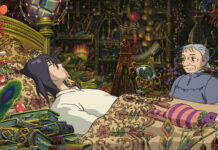
The bacon-and-eggs breakfast in Howl’s Moving Castle is probably the definitive Ghibli comfort food scene. It is not fancy. That is the point. Calcifer heats the pan, Sophie settles into the moving castle, Markl watches the adults, and Howl casually turns cooking into a little performance. The scene makes the castle feel less like a spooky wizard’s machine and more like a messy home.
Food matters here because it shows the new household forming before anyone says it out loud. Sophie is still cursed, Howl is still evasive, Calcifer is still bargaining, and yet they sit around breakfast like a family. For viewers, that domestic pause is part of why the film works as a comfort rewatch. The magic is charming, but the meal is what makes the place feel livable.
2. The bathhouse food in Spirited Away
Spirited Away uses food in a very different way. The early food stalls look tempting, but they are also a trap. Chihiro’s parents eat greedily and the feast becomes frightening rather than cozy. Later, the bathhouse is full of meals, offerings, and rituals, but food is tied to work, appetite, greed, and survival.
That contrast is why the film’s food imagery sticks. In some Ghibli films, food means home. In Spirited Away, food asks whether you understand the rules of the world you have entered. Chihiro has to learn restraint, gratitude, and courage before the spirit world becomes less overwhelming. If you are building a first-watch order, pair this with the broader Studio Ghibli movies in order guide so new viewers know where its intensity sits.
3. Ponyo’s ramen in Ponyo
The ramen scene in Ponyo is one of the purest examples of food as shelter. Outside, the world is strange, flooded, and unstable. Inside, Lisa makes a simple hot meal and Ponyo reacts with total delight. The scene is tiny, but it gives the film its heartbeat. It says: whatever is happening outside, this room is safe for a moment.
That is especially important because Ponyo often plays to younger viewers. Its big images are oceanic and mythic, but the emotional language is simple enough for children: hot food, a bright house, trusted adults, and someone sitting beside you. If you are choosing a first Ghibli film for a family watch, read the Ponyo parent guide alongside this list.
4. Herring pie in Kiki’s Delivery Service
The herring pie delivery is not comforting in the obvious way, but it may be one of the most emotionally honest Ghibli food scenes. Kiki helps an elderly customer prepare and deliver a carefully made pie. The work is thoughtful and sincere. Then the recipient reacts with boredom and embarrassment instead of gratitude.
That moment hurts because it is so ordinary. Kiki is not fighting a monster. She is learning that good work is sometimes ignored, especially when you are young and trying hard. The food becomes a lesson in generosity without guaranteed applause. It also makes later kindness in the film feel more meaningful, because Kiki’s Delivery Service understands both the warmth and the sting of everyday life.
5. Vegetables, packed lunches, and everyday meals in My Neighbor Totoro
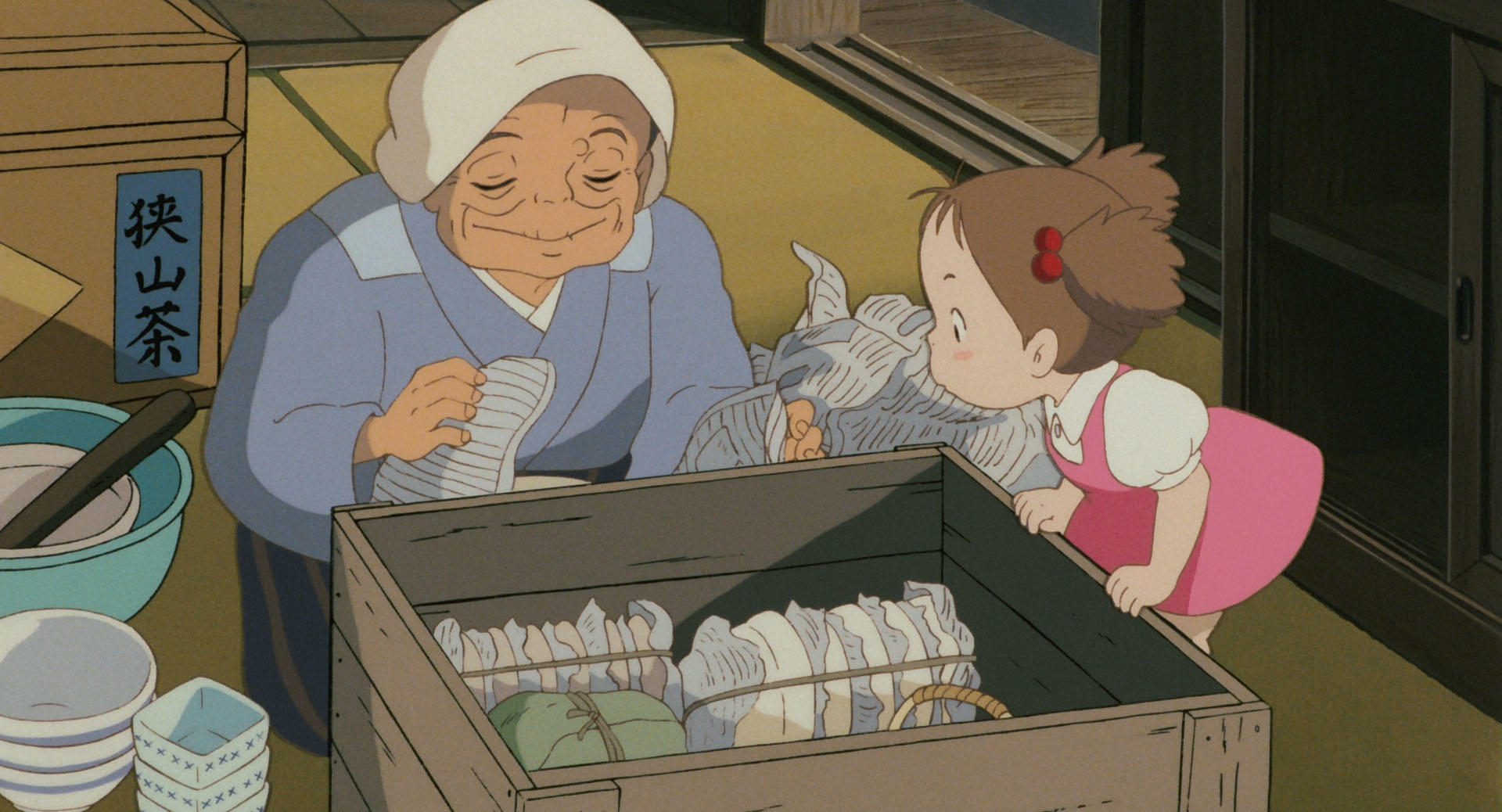
My Neighbor Totoro is not built around one famous feast. Its food scenes are woven into daily life: packed lunches, fresh vegetables, family routines, and the practical rhythms of the countryside. That quietness is why the film feels so grounded. Before Totoro becomes magical, the house, garden, and kitchen make the family’s new life believable.
Food also supports the film’s tone. Satsuki and Mei are dealing with worry, separation, and uncertainty, but the world around them still contains routines that children can understand. The adults cook, neighbors share, vegetables grow, and life continues. For more of that gentle side of the studio, see the guide to Studio Ghibli movies about family and home.
Why Studio Ghibli food looks so good
Ghibli food scenes work because they are specific. Eggs sizzle. Soup steams. Someone waits, reaches, shares, or eats too quickly. The animation pays attention to weight, heat, appetite, and the small social rules around a meal. That physical detail makes the fantasy more believable.
The food also gives viewers a break from plot. A meal is a pause where characters can reveal themselves without explaining everything. Sophie becomes more comfortable in the castle. Chihiro learns caution. Sosuke and Ponyo feel safe. Kiki discovers that effort and appreciation do not always arrive together. These scenes are visual comfort, but they are also character writing.
Best Ghibli films to watch if you love food scenes
- For cozy comfort: Howl’s Moving Castle and Ponyo.
- For magical food with danger underneath: Spirited Away.
- For everyday work and kindness: Kiki’s Delivery Service.
- For countryside meals and family routines: My Neighbor Totoro.
- For a broader theme watch: try the Ghibli nature and environment ranking next.
FAQ
Which Studio Ghibli movie has the best food?
Howl’s Moving Castle is the best single pick for comforting food animation, especially because of the breakfast scene. Spirited Away has the most iconic magical food imagery, while Ponyo has one of the coziest simple meals.
Why do people talk about Studio Ghibli food so much?
Because the food is animated with care and tied to emotion. Ghibli meals often represent safety, temptation, generosity, homesickness, family, or recovery. They are beautiful, but they also move the story forward.
Are Ghibli food scenes good for beginner viewers?
Yes. Food scenes are one of the easiest ways to understand the studio’s appeal. They show how Ghibli can make ordinary domestic details feel as memorable as magic, flight, or fantasy creatures.
Image note: featured and inline image used here is an official Studio Ghibli still from ghibli.jp, where the studio states that images may be used within common-sense bounds.